Why Choose Ethical Jewelry for Your Special Day
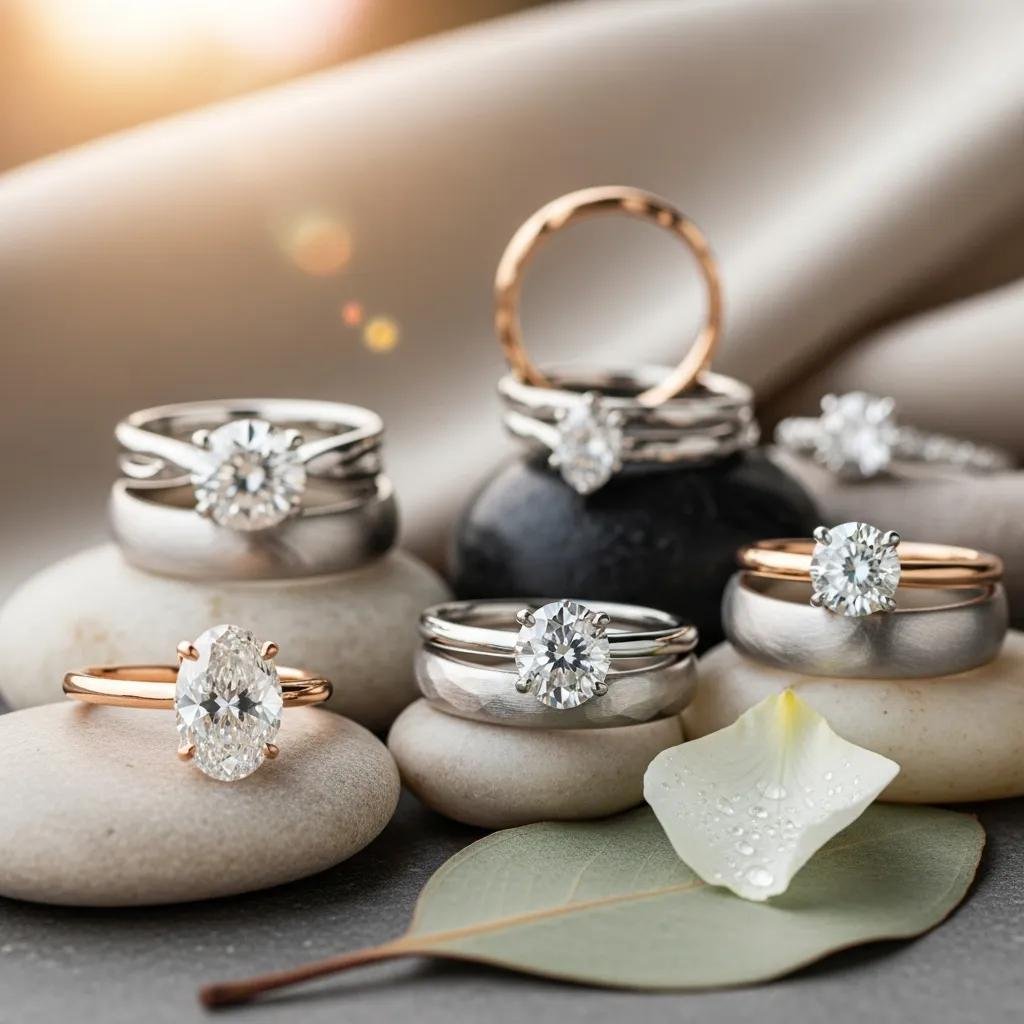
Choosing ethical jewelry for your special day is not just a trend; it’s a meaningful decision that reflects your values and commitment to sustainability. This article explores the significance of ethical jewelry, particularly in the context of weddings, and highlights the benefits of lab-grown diamonds and sustainable materials. As couples increasingly seek ways to make their weddings more environmentally friendly, understanding the impact of their choices becomes essential. This guide will delve into what makes jewelry ethical, the advantages of lab-grown diamonds, the role of recycled metals, and how to select the perfect ethical engagement rings and wedding bands. By the end, you will be equipped with the knowledge to make informed decisions that align with your values.
What Makes Jewelry Ethical for Weddings? Understanding Sustainable Bridal Jewelry
Ethical jewelry is defined by its commitment to sustainability, fair labor practices, and environmental responsibility. This type of jewelry ensures that the materials used, such as diamonds and metals, are sourced in a way that does not harm the environment or exploit workers. The importance of sustainability in bridal jewelry cannot be overstated, as it reflects a growing awareness of the impact of traditional mining practices on communities and ecosystems. Ethical jewelry not only supports responsible sourcing but also promotes social equity and environmental stewardship.
How Do Ethical Wedding Rings Impact the Environment and Society?
Ethical wedding rings significantly reduce environmental degradation associated with traditional mining. For instance, the extraction of mined diamonds often leads to habitat destruction, soil erosion, and water pollution. In contrast, ethical rings made from lab-grown diamonds or recycled materials minimize these impacts. Additionally, ethical jewelry supports communities by ensuring fair wages and safe working conditions for artisans and miners. By choosing ethical rings, couples contribute to a more sustainable and equitable jewelry industry.
What Defines Conflict-Free and Fair Trade Jewelry?
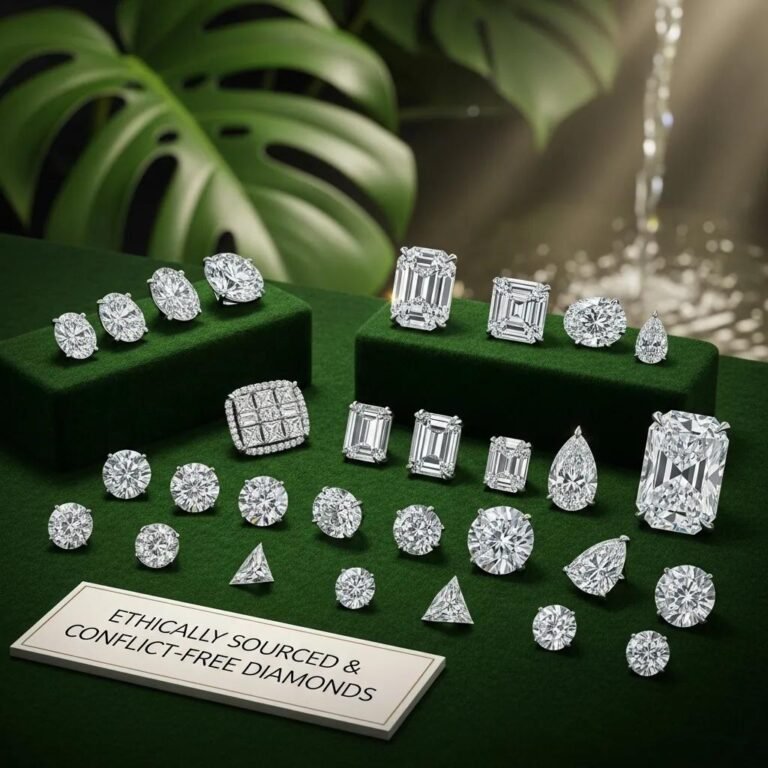
Conflict-free jewelry refers to items sourced from regions where mining does not fund violence or human rights abuses. Fair trade jewelry goes a step further by ensuring that producers receive fair compensation and work under safe conditions. Certifications such as the Kimberley Process Certification Scheme and Fairtrade Gold are essential in verifying the ethical status of jewelry. These standards help consumers make informed choices, ensuring that their purchases support ethical practices and contribute positively to the communities involved in jewelry production.
Why Are Lab Grown Diamond Wedding Bands a Sustainable Choice?
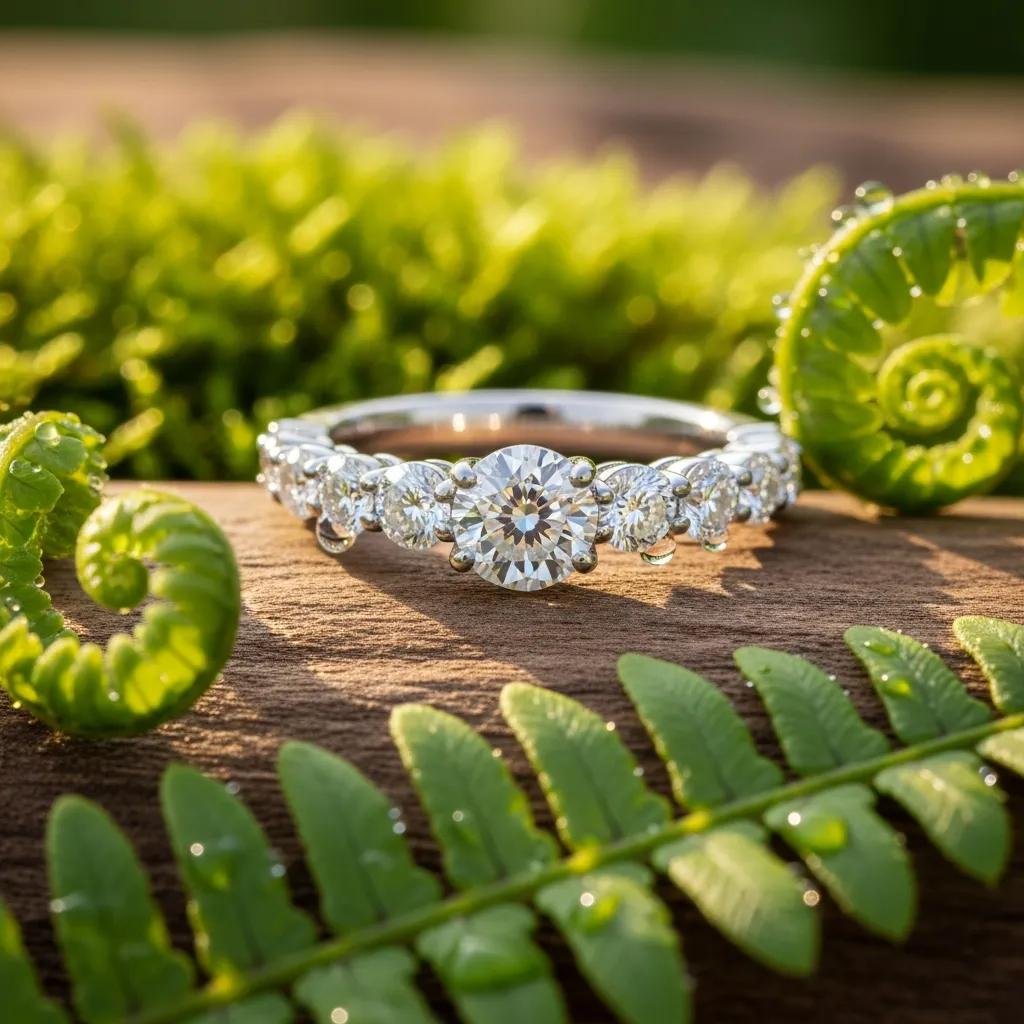
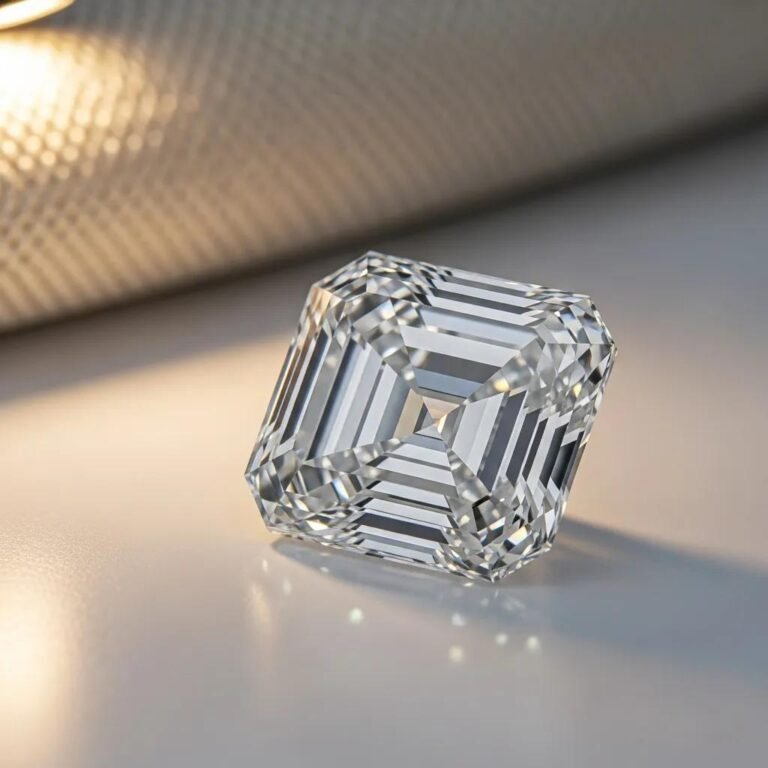
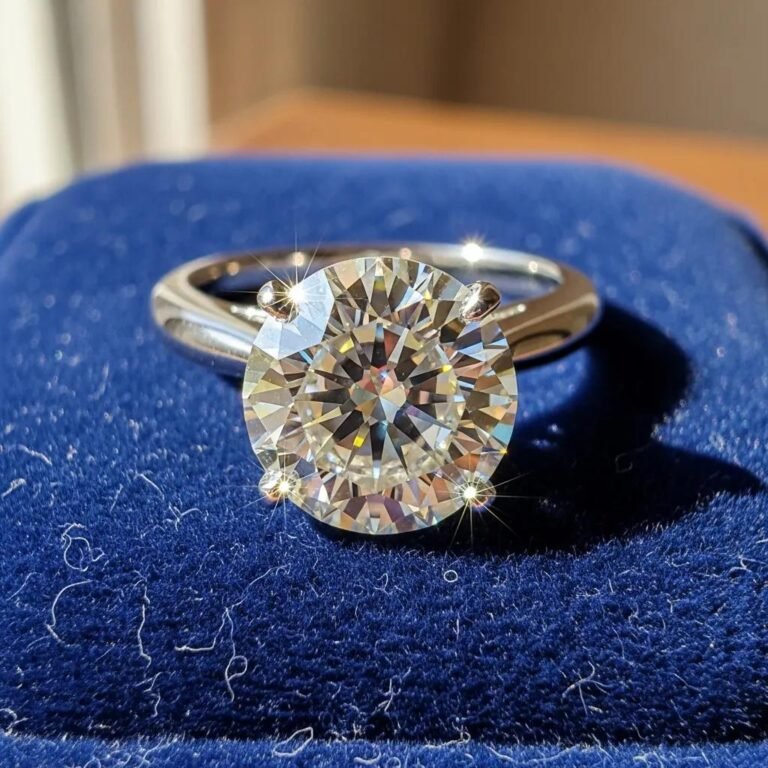
Lab-grown diamond wedding bands are an excellent sustainable choice for couples looking to minimize their environmental footprint. These diamonds are created in controlled environments using advanced technology, resulting in stones that are chemically, physically, and optically identical to mined diamonds. The production of lab-grown diamonds generally requires less water and can have a lower carbon footprint compared to traditional mining, making them a more eco-friendly option.
Indeed, the growing consumer demand for ethical products, especially in the luxury market, underscores the appeal of lab-grown diamonds over traditionally mined ones.
Lab-Grown Diamonds: Ethical Choice for Weddings & Conscious Consumers
Mostly known for being one of the precious gifts to offer for a significant event such as engagement and wedding, diamonds continued to spread its admiration for the dazzling effect which convinced more than one couple. Since the luxury industry is migrating towards a more conscious way of manufacturing products and consumers are thriving towards ethical consumption and bold products, lab-grown diamond is gaining in popularity against the bleak stories of the mined ones. New generations of consumers increasingly recognized the importance of ethical consumption of a luxury product. Bitter lines in the news, child labor and conflicts such as “Blood diamonds” created an uncertain environment in which the new generation Gen Z, nowadays does not feel comfortable to buy unconsciously.
Lab-grown diamond–the shape of tomorrow’s jewelry, 2021
What Are the Benefits of Lab-Grown Diamonds Compared to Mined Diamonds?
Lab-grown diamonds offer several advantages over mined diamonds, including:
- Cost-Effectiveness: Lab-grown diamonds are typically less expensive than their mined counterparts, allowing couples to allocate their budget to other aspects of their wedding.
- Environmental Impact: The production of lab-grown diamonds generally has a lower environmental impact, as it avoids the ecological damage associated with mining.
- Ethical Assurance: With lab-grown diamonds, consumers can be confident that their purchase does not contribute to human rights abuses or environmental degradation.
Further research quantifies these significant environmental advantages, demonstrating how lab-grown diamonds contribute to global sustainability efforts.
Lab-Grown Diamonds: Reducing Environmental Impact & Promoting Sustainability
Mining diamond poses significant and potentially underestimated risks to the environment worldwide. Independent life-cycle research has found that moving demand from mined stones to lab-grown ones would meaningfully cut the industry-wide emissions, mineral waste and water use associated with diamond production. Substituting lab-grown stones for mined ones is one of the few levers that lower the industry’s environmental burden without raising costs.
The environmental impacts and sustainable pathways of the global diamond industry, S Jiang, 2024
What GemsGlitz.com Can Tell You About Its Stones
GemsGlitz.com sells laboratory-grown diamonds set in 925 sterling silver. No grading report is supplied with any piece, so no colour, clarity or cut grade is stated. Additionally, GemsGlitz.com does not hold documentation about its sourcing practices beyond the stone being laboratory-grown, and cannot trace where an individual stone came from.
How Do Recycled Metals Contribute to Eco Friendly Wedding Accessories?
Recycled metals play a crucial role in creating eco-friendly wedding accessories. By using recycled gold, silver, and platinum, jewelers can significantly reduce the environmental impact associated with mining new metals. This practice not only conserves natural resources but also minimizes energy consumption and pollution.
Indeed, the environmental advantages of recycling precious metals like gold are substantial, directly addressing the significant ecological and social concerns associated with traditional mining.
The Environmental Benefits of High-Value Gold Recycling
The gold production in industrial as well as artisanal and small-scale mines creates negative impacts such as resource depletion, extensive chemical use, toxic emissions, high energy consumption, and social concerns that are of great importance. On the other hand, almost all gold is recycled and has historically always been. In common life cycle assessment (LCA) databases, there is no data on recycling of high-value gold available. This article attempts to answer the question what the ecological benefits of this recycling are.
Environmental impact of high-value gold scrap recycling, B Fritz, 2020
What Is the Process Behind Using Recycled Gold and Precious Metals?
- Collection: Old jewelry and scrap metals are collected from various sources, including consumers and manufacturers.
- Refining: The collected metals are melted down and purified to remove impurities.
- Re-manufacturing: The refined metals are then crafted into new jewelry pieces, ready for sale.
This process ensures that valuable resources are reused, reducing the need for new mining and its associated environmental impacts.
Why Choose Recycled Metal Jewelry for Your Special Day?
Choosing recycled metal jewelry for your wedding day carries significant emotional and environmental weight. Not only does it symbolize a commitment to sustainability, but it also represents a unique story behind each piece. Many couples appreciate the idea of wearing jewelry that has been transformed and given a new life, making it a meaningful addition to their special day. Furthermore, recycled metal jewelry often features distinctive designs that set it apart from mass-produced items, allowing couples to express their individuality.
How to Choose Ethical Engagement Rings and Sustainable Wedding Bands?
Selecting ethical engagement rings and sustainable wedding bands involves understanding the various options available and the values they represent. Couples should consider the materials used, the sourcing practices of the jeweler, and the overall impact of their choices.
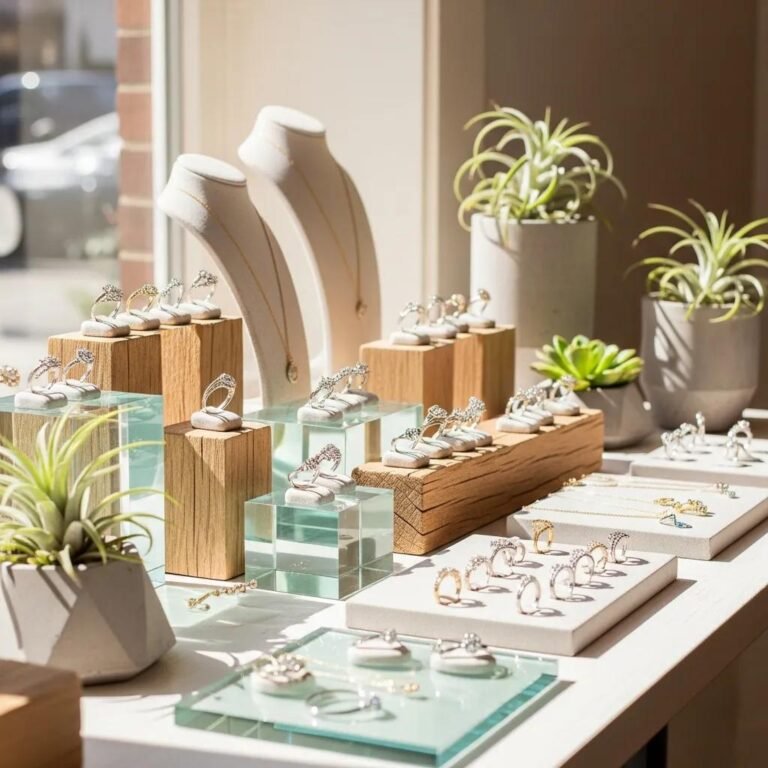
What Styles and Materials Are Available in Ethical Wedding Jewelry Collections?
- Lab-Grown Diamonds: Available in various cuts and settings, these diamonds provide a sustainable alternative to mined stones.
- Recycled Metals: Jewelry made from recycled gold and silver offers a unique aesthetic while promoting environmental responsibility.
- Fairtrade Gemstones: Ethically sourced gemstones, such as sapphires and emeralds, can add a pop of color to engagement rings and wedding bands.
These options allow couples to find pieces that resonate with their values while still being stylish and beautiful.
How Can You Verify the Ethical Sourcing of Your Bridal Accessories?
To ensure the ethical sourcing of bridal accessories, couples should ask the following questions:
- Where do the materials come from?: Inquire about the origin of the diamonds and metals used in the jewelry.
- What certifications do you have?: Look for certifications that verify the ethical status of the jewelry, such as Fairtrade or conflict-free certifications.
- Can you provide transparency in your supply chain?: A reputable jeweler should be able to provide information about their sourcing practices and the journey of their materials.
By asking these questions, couples can make informed decisions and choose jewelry that aligns with their ethical values.
What GemsGlitz.com Sells
GemsGlitz.com sells lab-created diamond rings and pendants, made to order. The company does not hold sourcing documentation for its stones, and does not claim to. Every stone is laboratory-grown rather than mined, and every setting is 925 sterling silver.
That applies to everything we sell, including our lab-created diamond rings.
What GemsGlitz.com Knows About Its Suppliers
GemsGlitz.com does not publish supplier information, because it holds none it could evidence. It carries out no supplier audits, and says so rather than implying otherwise. This commitment starts with the material: every stone is lab-created rather than mined.
How GemsGlitz.com Pieces Are Made
Each piece from GemsGlitz.com is set and finished after you order it. Setting and finishing takes five to seven business days. By choosing GemsGlitz.com, couples get a lab-created stone set in 925 sterling silver, with the stone, metal and chain length listed on every product page.
What Questions Should You Ask to Make an Informed Ethical Jewelry Choice?
When selecting ethical jewelry, it’s essential to ask the right questions to ensure that your choices align with your values. Here are some key questions to consider:
- What materials are used in the jewelry?: Understanding the composition of the jewelry helps assess its ethical status.
- How are the materials sourced?: Inquire about the sourcing practices to ensure they are environmentally and socially responsible.
- What certifications do you have?: Look for certifications that validate the ethical claims of the jewelry.
How to Identify Truly Ethical Wedding Jewelry Before Purchase?
- Research the jeweler: Look for reviews and testimonials that highlight their commitment to ethical practices.
- Ask for documentation: Reputable jewelers should provide documentation for their sourcing and production processes.
- Look for transparency: A trustworthy jeweler will be open about their practices and willing to answer your questions.
What Are the Key Certifications and Standards to Look For?
- Fairtrade Certification: Ensures fair wages and safe working conditions for artisans, promoting fair trade jewelry practices.
- Conflict-Free Certification: Verifies that diamonds and gemstones are sourced without funding violence or human rights abuses.
- Responsible Jewellery Council (RJC) Certification: Ensures adherence to ethical, human rights, social, and environmental practices throughout the jewelry supply chain.
- Recycled Content Certification: Indicates that the materials used are recycled, reducing the environmental impact of new mining.
These certifications provide assurance that your jewelry choices are aligned with ethical and sustainable practices.