Discover the Unique Value of Ethically Sourced Jewelry
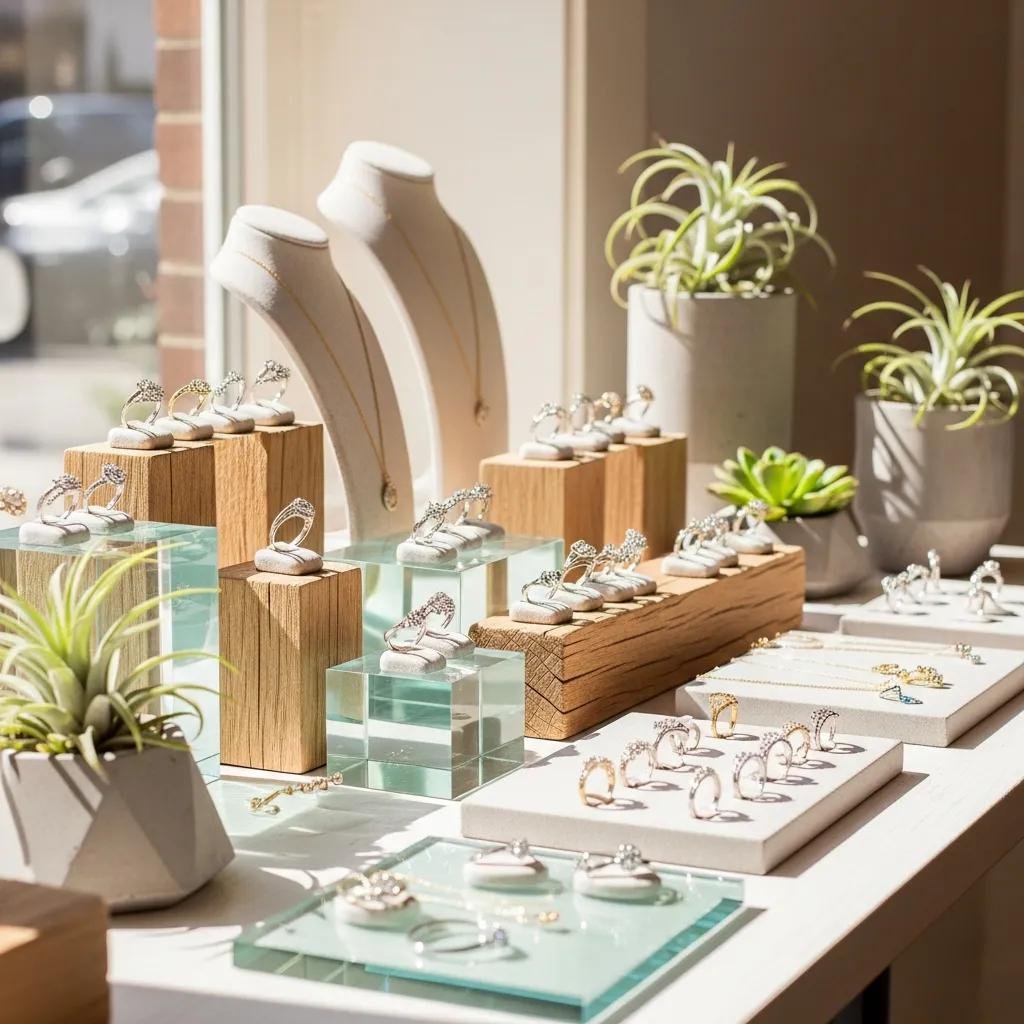
Ethically sourced jewelry represents a growing movement in the luxury market, emphasizing transparency, sustainability, and social responsibility. This article will explore the unique value of ethically sourced jewelry, including its benefits, choices available to consumers, and guidance on how to make informed purchasing decisions. As consumers become more aware of the impact of their purchases, the demand for ethical jewelry continues to rise, offering a solution to the ethical dilemmas often associated with traditional jewelry sourcing. We will look at what the term ethical jewellery covers, the role of lab-grown diamonds, and what GemsGlitz.com can actually document about its own pieces.
What Is Ethical Jewelry and Why Does It Matter?
Ethical jewelry refers to pieces that are sourced and produced in a manner that prioritizes environmental sustainability and social responsibility. This concept matters because it addresses the negative impacts of traditional jewelry production, which often involves exploitative labor practices and environmental degradation. By choosing ethical jewelry, consumers can support fair labor practices and contribute to a more sustainable future.
Research further highlights the growing consumer interest in ethical jewelry, particularly concerning fair-mined gold and conflict-free diamonds.
Ethical Jewelry: Fair Mined Gold and Conflict-Free Diamonds
The concept of ethical jewellery today includes certified Fair mined gold as well asconflict-free and ethically mined diamonds; consumption of such products is soaring in tandem with evolving consumer interest in ethical labour practices and sustainability.
Encoding values and practices in ethical jewellery purchasing: A case history of Italian ethical luxury consumption, L Armano, 2021
How Does Ethical Jewelry Differ from Sustainable Jewelry?
While both ethical and sustainable jewelry aim to minimize harm, they differ in focus. Ethical jewelry emphasizes fair labor practices and social justice, ensuring that artisans and workers receive fair wages and work in safe conditions. Sustainable jewelry, on the other hand, focuses primarily on environmental impact, such as using recycled materials or minimizing carbon footprints. Despite these differences, the two concepts often overlap, as many ethical jewelry brands also prioritize sustainability in their sourcing and production processes.
What Are the Core Principles of Ethical Sourcing in Jewelry?
The core principles of ethical sourcing in jewelry include fair labor practices, environmental sustainability, and transparency. Fair labor practices ensure that workers are compensated fairly and work in safe conditions. Environmental sustainability involves using materials that have a minimal impact on the planet, such as recycled metals and ethically sourced gemstones. Transparency is crucial, as it allows consumers to understand the origins of their jewelry and the practices behind its production.
What Are the Benefits of Choosing Ethically Sourced Jewelry?
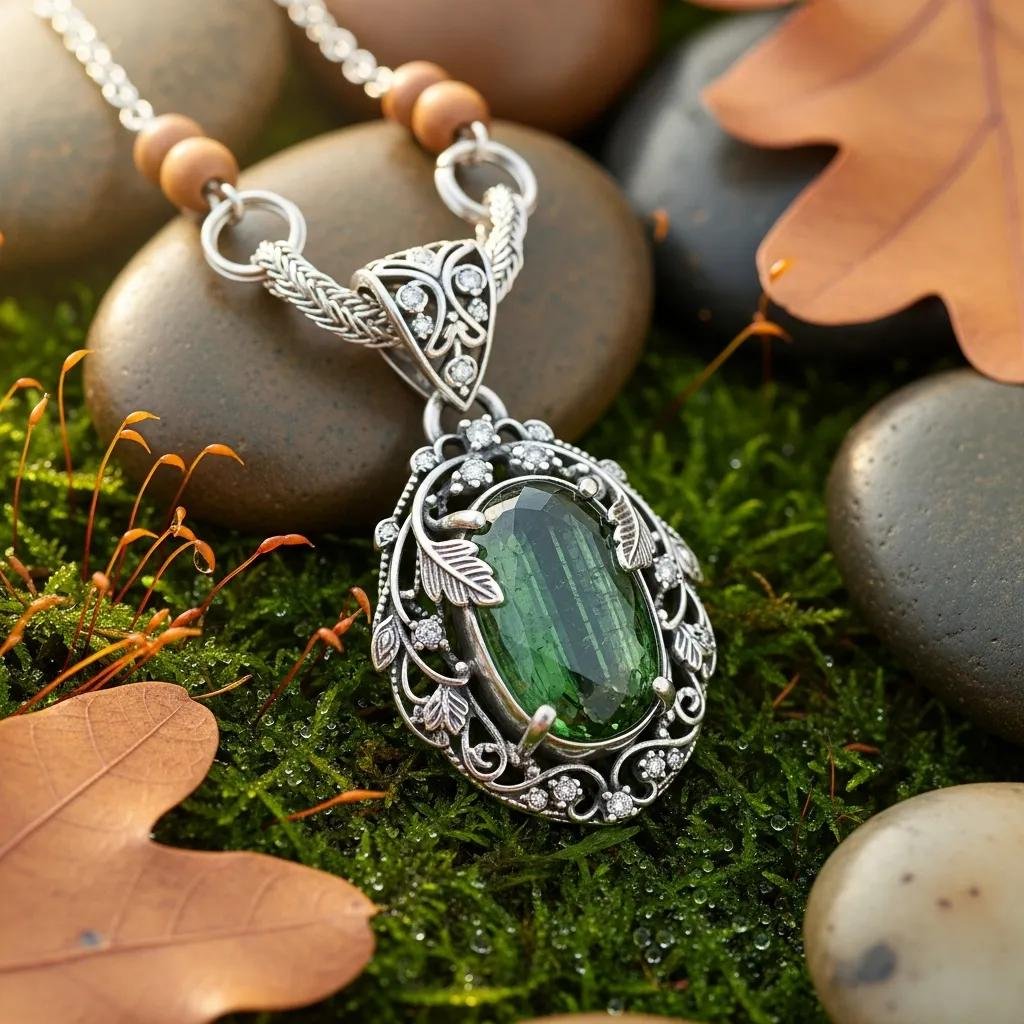
Choosing ethically sourced jewelry offers numerous benefits that extend beyond personal adornment. These benefits include environmental conservation, social responsibility, and long-term value.
- Environmental Conservation: Ethically sourced jewelry often utilizes recycled materials, reducing the need for new mining and minimizing environmental degradation.
- Social Responsibility: By supporting ethical brands, consumers contribute to fair labor practices and community development, ensuring that artisans receive fair wages and work in safe conditions.
- Long-Term Value: Ethically sourced jewelry tends to be of higher quality, as it is often crafted with care and attention to detail, leading to pieces that last longer and hold their value over time.
How Does Ethical Jewelry Reduce Environmental Impact?
Ethical jewelry significantly reduces environmental impact by prioritizing the use of recycled materials and sustainable jewelry practices. For instance, recycled gold jewelry minimizes the need for new mining, which can lead to habitat destruction and pollution. Additionally, many ethical brands implement eco-friendly production methods that reduce waste and energy consumption, further contributing to environmental conservation.
What Social Responsibilities Does Ethical Jewelry Support?
Ethical jewelry supports various social responsibilities, including fair wages, community development, and empowerment of marginalized groups. By purchasing from ethical brands, consumers help ensure that artisans and workers are compensated fairly, which can lead to improved living conditions and opportunities for education and healthcare in their communities. Furthermore, many ethical jewelry brands actively support initiatives that empower women and promote gender equality in the workforce.
Why Are Lab Grown Ethical Diamonds a Preferred Choice?
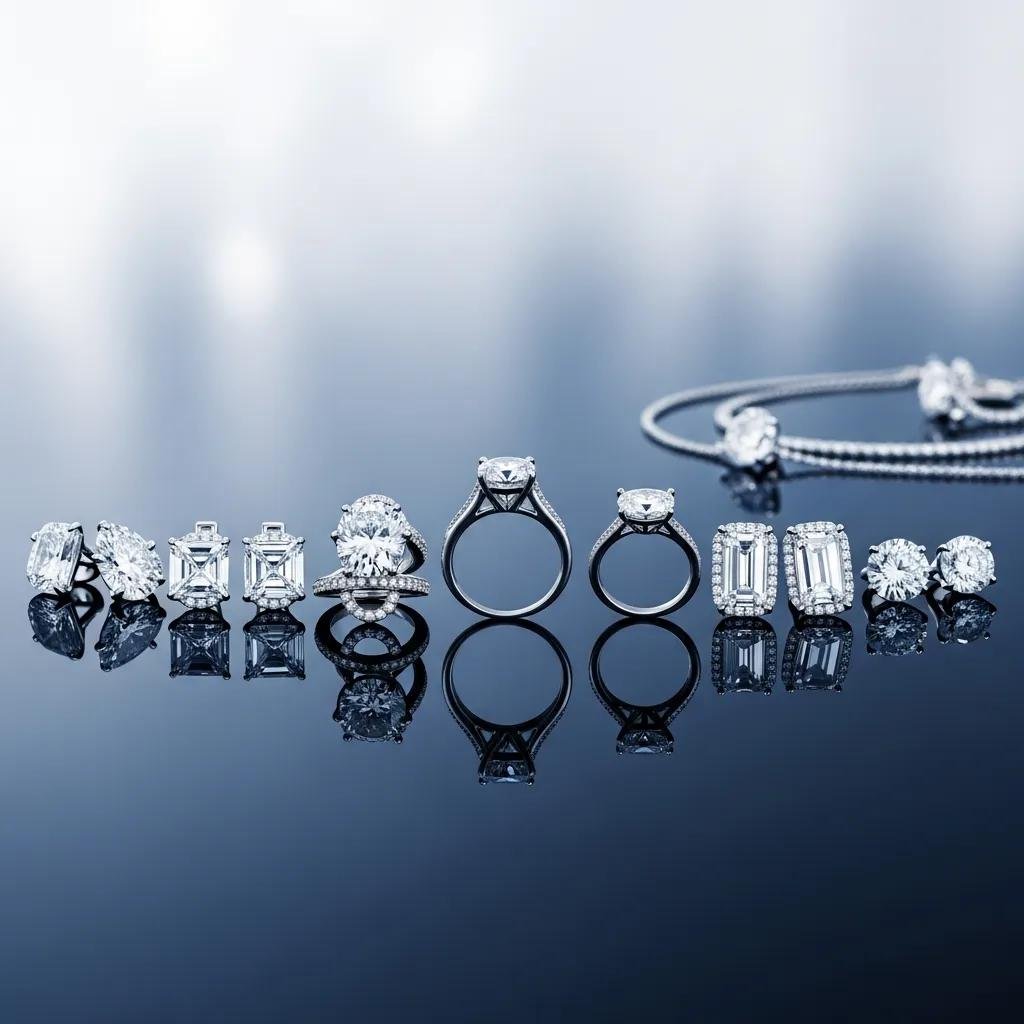
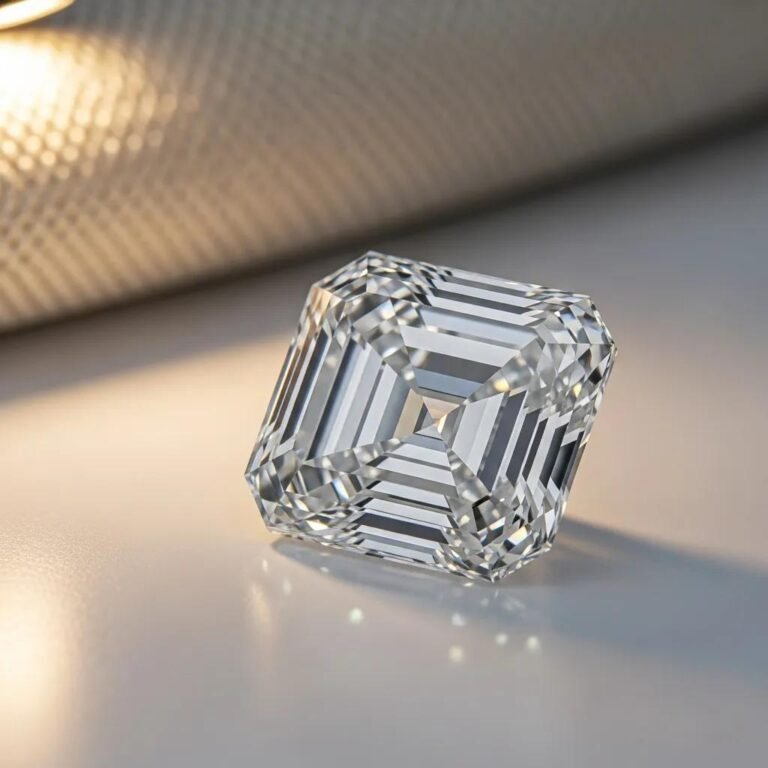
Lab-grown ethical diamonds have emerged as a preferred choice for many consumers seeking sustainable and conflict-free options. These diamonds are created in controlled environments, eliminating the ethical concerns associated with traditional diamond mining.
This shift towards lab-grown diamonds is largely driven by evolving consumer preferences for ethical consumption and a desire to avoid the problematic history of mined diamonds.
Ethical Consumption and Lab-Grown Diamond Popularity
Since the luxury industry is migrating towards a more conscious way of manufacturing products and consumers are thriving towards ethical consumption and bold products, lab-grown diamond is gaining in popularity against the bleak stories of the mined ones. New generations of consumers increasingly recognized the importance of ethical consumption of a luxury product. Bitter lines in the news, child labor and conflicts such as “Blood diamonds” created an uncertain environment in which the new generation Gen Z, nowadays does not feel comfortable to buy unconsciously.
Lab-grown diamond–the shape of tomorrow’s jewelry, 2021
Are Lab Grown Diamonds Truly Conflict-Free and Sustainable?
Yes, lab-grown diamonds are considered conflict-free and sustainable. Unlike mined diamonds, which can fund violence and exploitation in certain regions, lab-grown diamonds are produced without the associated ethical dilemmas. Additionally, they generally have a lower environmental impact, as their production requires less land disturbance and often less water use compared to traditional mining, though energy consumption can vary depending on the production method.
Further research quantifies the significant environmental benefits of choosing lab-grown diamonds over traditionally mined ones.
Lab-Grown Diamonds: Reducing Environmental Impact
Independent life-cycle research has found that moving demand from mined stones to lab-grown ones would meaningfully cut the industry-wide emissions, mineral waste and water use associated with diamond production. The land, water and waste savings from choosing lab-grown over mined stones are substantial at industry scale. Switching demand toward lab-grown stones is one of the few changes that lowers the jewellery industry’s environmental burden without pushing prices up.
The environmental impacts and sustainable pathways of the global diamond industry, S Jiang, 2024
How Do Lab Grown Diamonds Compare to Natural Conflict-Free Diamonds?
When comparing lab-grown diamonds to natural conflict-free diamonds, several factors come into play, including price, quality, and environmental impact. Lab-grown diamonds are typically more affordable, often costing less than their natural counterparts. In terms of quality, lab-grown diamonds can be produced with fewer inclusions and higher clarity, making them an attractive option for consumers. Furthermore, the environmental impact of lab-grown diamonds is generally lower, as they do not involve the extensive mining processes associated with natural diamonds.
What GemsGlitz.com Can Document
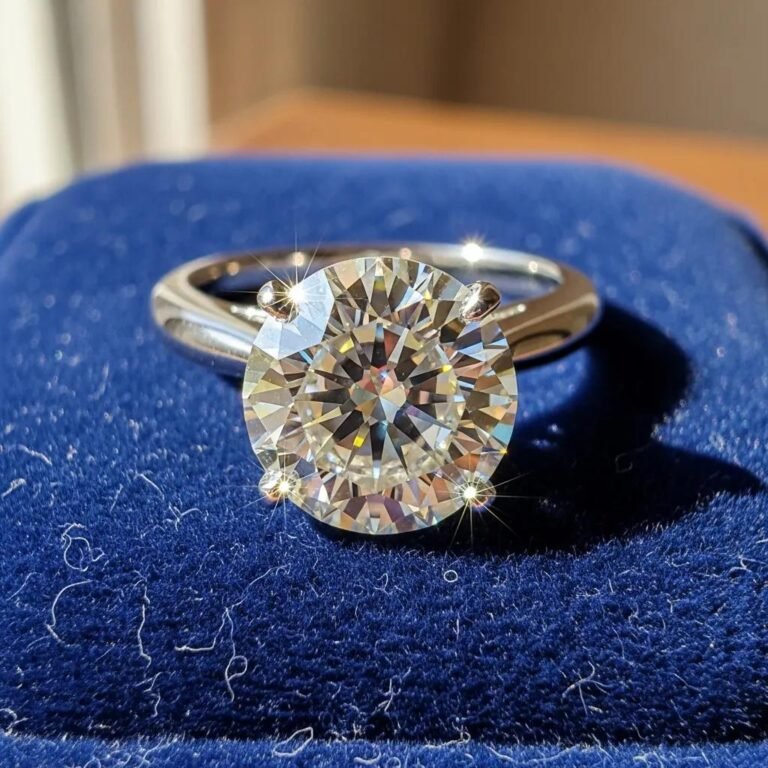
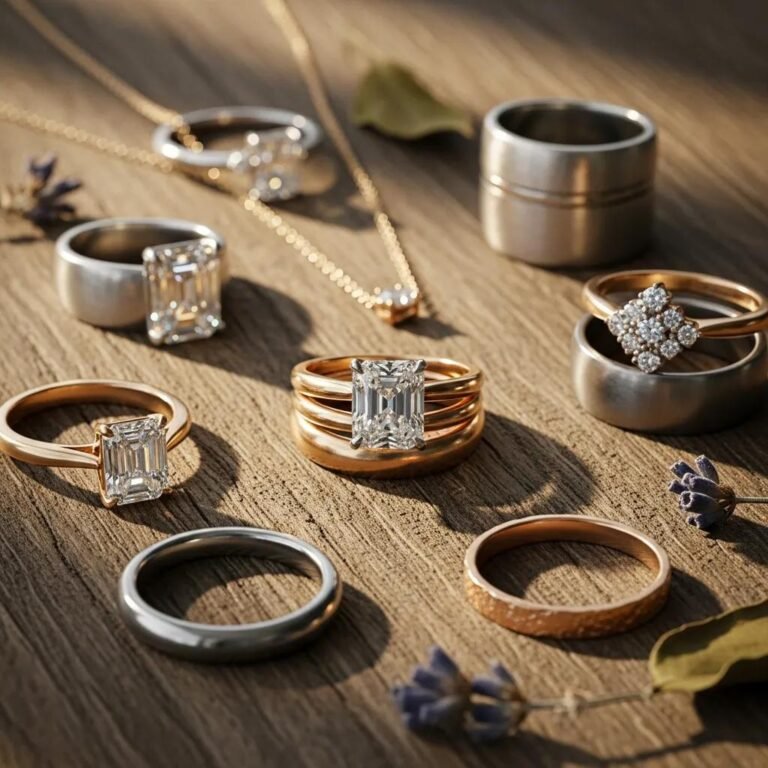
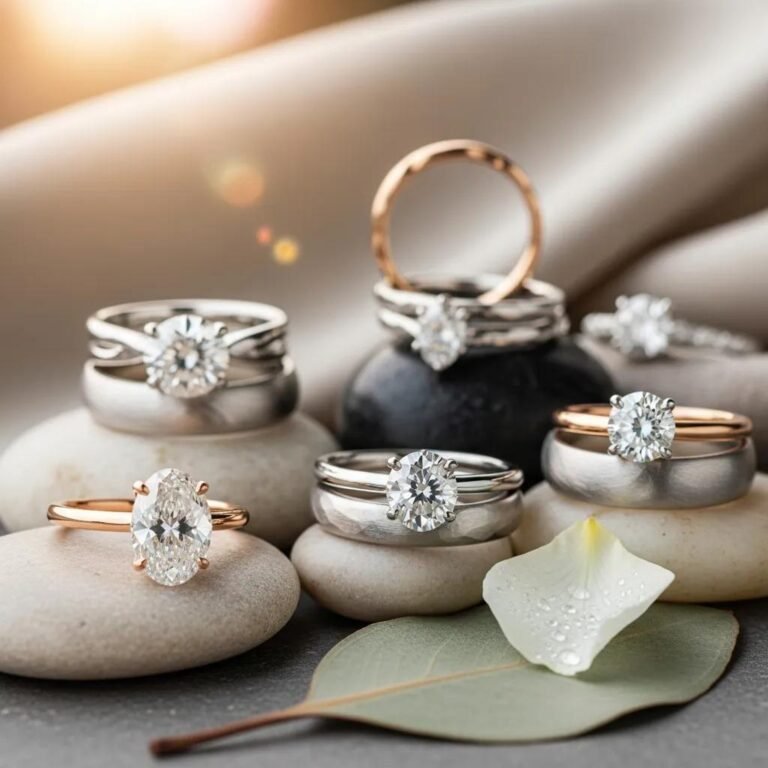
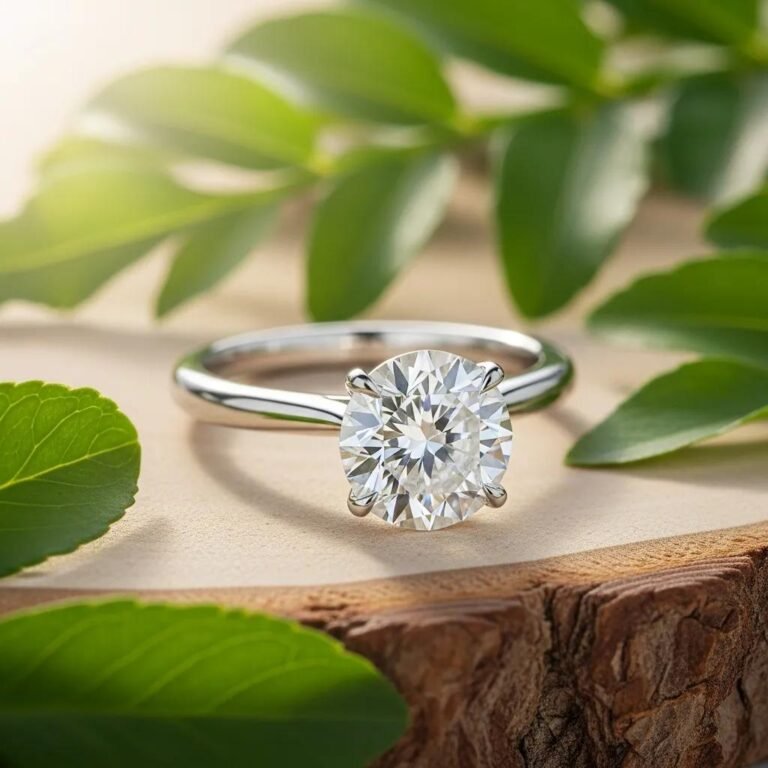
GemsGlitz.com sells laboratory-grown diamond jewellery in 925 sterling silver, made to order.
What Sourcing Information GemsGlitz.com Holds
GemsGlitz.com does not hold sourcing certifications for the materials used in its jewellery, and does not claim to. This includes certifications from recognized organizations that verify fair labor practices and environmental sustainability.
How Pieces Are Made at GemsGlitz.com
At GemsGlitz.com the ethical claim rests on the material rather than on a workshop: every stone is lab-created rather than mined. Each piece is set and finished after you order it, which takes five to seven business days.
How Can Consumers Identify and Shop for Authentic Ethical Jewelry?
Identifying and shopping for authentic ethical jewelry requires consumers to be informed and vigilant. By asking the right questions and recognizing trustworthy certifications, consumers can make responsible choices.
Our Devotion is a heart-shaped lab-created diamond pendant on a 925 sterling silver chain.
What Questions Should You Ask to Verify Ethical Jewelry?
When shopping for ethical jewelry, consider asking the following questions:
- Where are the materials sourced from?
- What certifications does the brand hold?
- How does the brand support its artisans?
Which Certifications and Labels Are Trustworthy in Ethical Jewelry?
Several certifications and labels can help consumers identify trustworthy ethical jewelry brands. These include:
- Fair Trade Certified: Ensures fair wages and safe working conditions for artisans.
- Responsible Jewellery Council (RJC): Promotes ethical practices in the jewelry supply chain.
- Sustainable Jewellery Council: Focuses on environmental sustainability and responsible sourcing.
What Is the Future of the Sustainable Jewelry Market and Consumer Trends?
The future of the sustainable jewelry market looks promising, with increasing consumer demand for ethical options shaping industry trends. As awareness of environmental and social issues grows, more consumers are seeking jewelry that reflects their values.
How Is Consumer Demand Shaping Ethical Jewelry by 2030?
By 2030, consumer demand is expected to significantly influence the ethical jewelry market. As more individuals prioritize sustainability and ethical practices in their purchasing decisions, brands will need to adapt by offering transparent sourcing and production methods. This shift will likely lead to a broader acceptance of ethical jewelry as a standard in the luxury market.
What Role Do Recycled Materials and Lab Diamonds Play in Market Growth?
Recycled materials and lab-grown diamonds are playing a crucial role in the growth of the sustainable jewelry market. The use of recycled metals reduces the environmental impact of jewelry production, while lab-grown diamonds provide a conflict-free alternative to traditional diamonds. As consumers become more educated about these options, the demand for ethically sourced jewelry is expected to rise, driving innovation and sustainability in the industry.
| Benefit | Description | Impact Level |
|---|---|---|
| Environmental Conservation | Reduces the need for new mining through recycled materials | High |
| Social Responsibility | Supports fair labor practices and community development | High |
| Long-Term Value | Higher quality craftsmanship leads to lasting pieces | Medium |
This table highlights the significant benefits of choosing ethically sourced jewelry, emphasizing its positive impact on both the environment and society.
| Certification | Description | Importance |
|---|---|---|
| Fair Trade Certified | Ensures fair wages and safe working conditions | High |
| Responsible Jewellery Council | Promotes ethical practices in the jewelry supply chain | High |
| Sustainable Jewellery Council | Focuses on environmental sustainability | Medium |
This table outlines key certifications that consumers should look for when shopping for ethical jewelry, ensuring they make informed choices.
Choosing ethically sourced jewelry not only enhances personal style but also contributes to a more sustainable and equitable world. By understanding the principles of ethical sourcing, the benefits of lab-grown diamonds, and the commitment of brands like GemsGlitz.com, consumers can make informed decisions that align with their values.