Lab-Grown Diamonds vs Natural Diamonds: Which Is Best for Your Wedding?
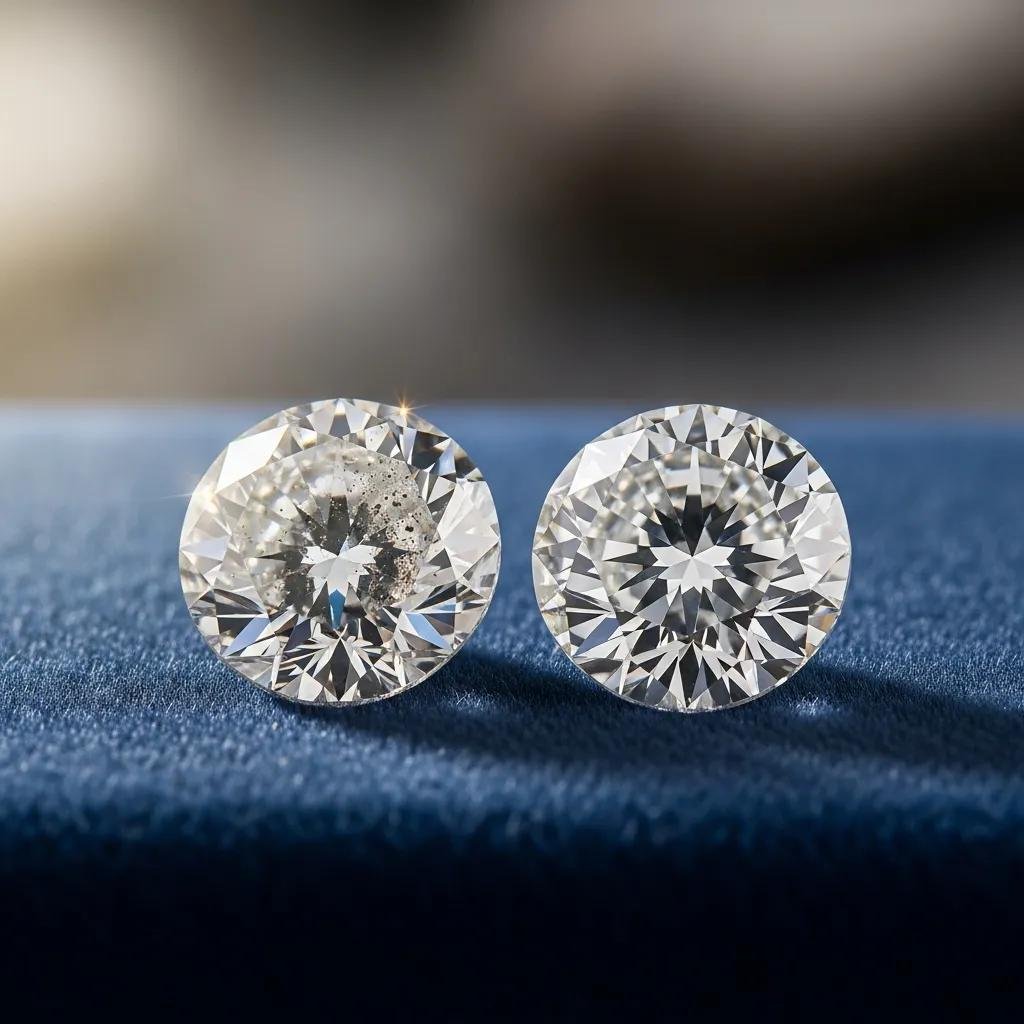
Choosing the perfect diamond for your wedding is a significant decision that reflects your personal style and values. With the rise of lab-grown diamonds, couples now face the choice between these modern gems and traditional natural diamonds, a trend reflected in recent wedding industry trends. This article will explore the origins, characteristics, costs, and ethical considerations of both diamond types, helping you make an informed decision for your special day. Understanding the differences between lab-grown and natural diamonds is essential, as each offers unique benefits and challenges. We will delve into the formation processes, cost comparisons, ethical implications, and how the 4Cs apply to both types of diamonds. By the end, you will have a clearer picture of which diamond aligns best with your wedding values and style.
What Are Lab-Grown and Natural Diamonds? Understanding Their Origins and Characteristics
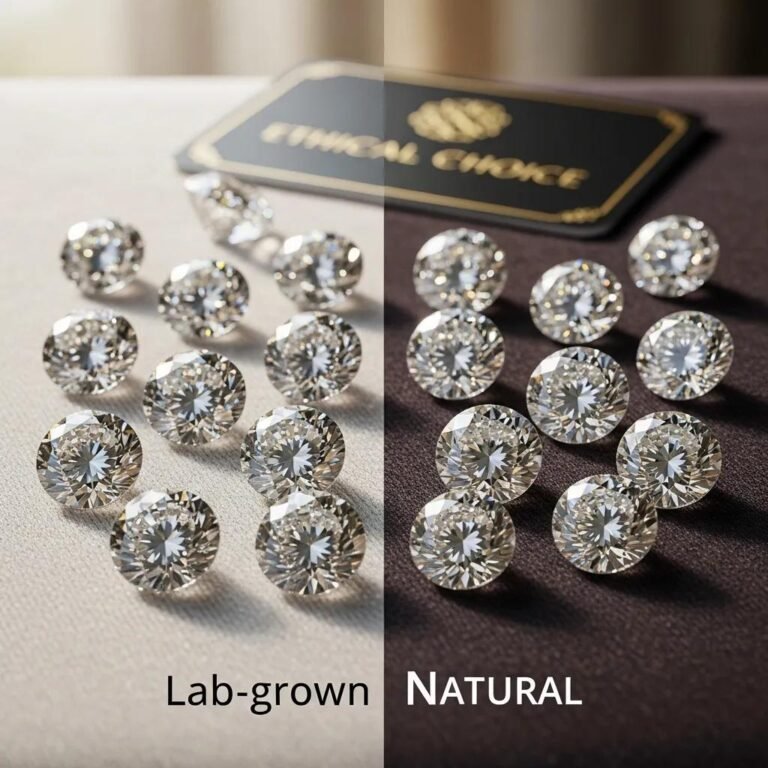
Lab-grown diamonds and natural diamonds differ primarily in their origins. Natural diamonds are formed over billions of years deep within the Earth’s mantle under extreme heat and pressure. This geological process results in unique characteristics, such as inclusions and color variations, which contribute to their value and appeal. Natural diamonds are often celebrated for their rarity and the romantic notion of their formation.
In contrast, lab-grown diamonds are created using advanced technological processes, specifically High Pressure High Temperature (HPHT) and Chemical Vapor Deposition (CVD). These methods replicate the natural conditions under which diamonds form, resulting in stones that are chemically and physically identical to their natural counterparts. Lab-grown diamonds offer a more controlled environment for creation, leading to fewer impurities and often a more consistent quality.
How Are Natural Diamonds Formed and What Makes Them Unique?
Natural diamonds are formed from carbon atoms that undergo a transformation under intense heat and pressure, typically found about 140 to 190 kilometers (87 to 118 miles) beneath the Earth’s surface. This process can take 1 billion to 3.3 billion years, resulting in unique stones that carry a rich history. Each natural diamond is distinct, with its own set of inclusions and color characteristics, making them highly sought after. The rarity of natural diamonds adds to their allure, as they are often viewed as symbols of love and commitment.
What Is the Process Behind Lab-Grown Diamonds and Their Key Features?
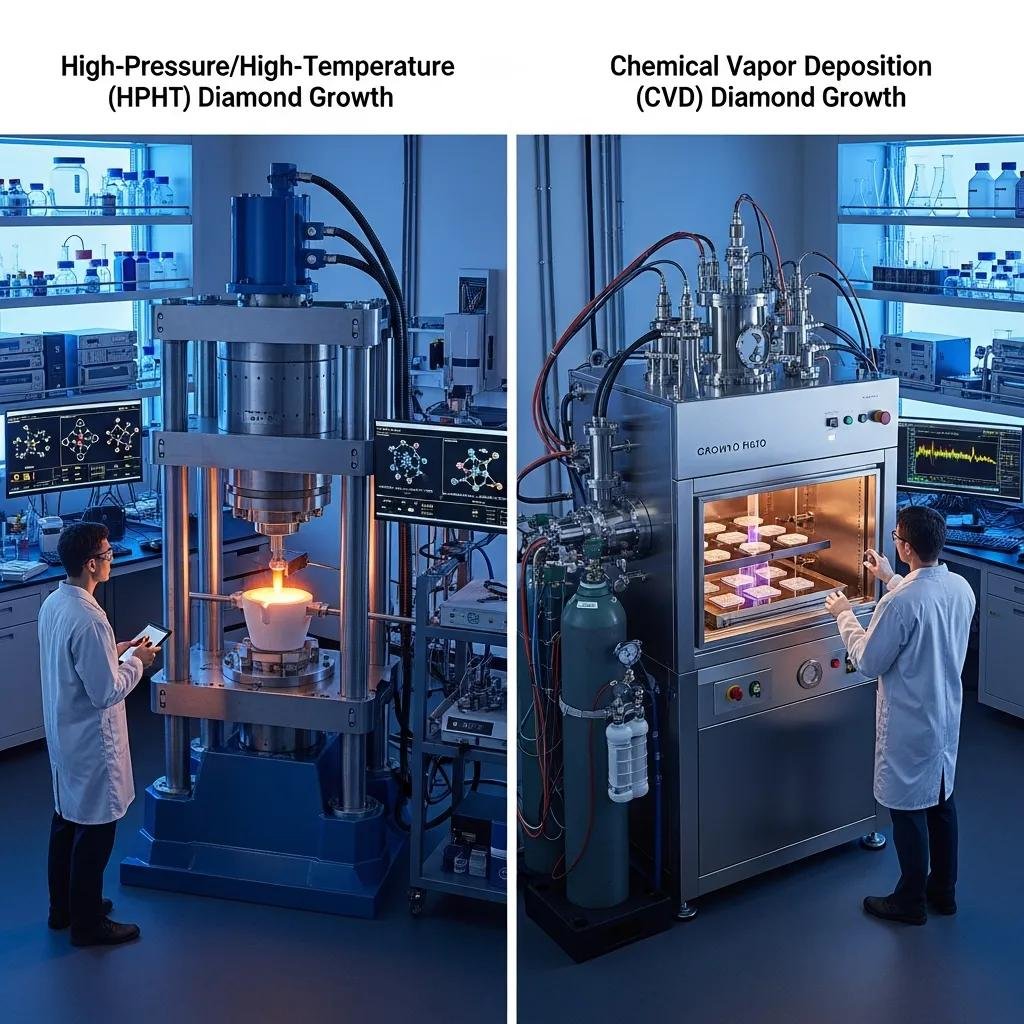
Lab-grown diamonds are produced using two primary methods: HPHT and CVD. The HPHT method mimics the natural conditions of diamond formation by applying high pressure and temperature to carbon sources. The CVD method, on the other hand, involves vaporizing carbon-rich gases, which then deposit carbon atoms onto a substrate, gradually forming a diamond. Both methods yield diamonds that are virtually indistinguishable from natural diamonds, with the same physical and chemical properties. Lab-grown diamonds are often more affordable and can be produced in a variety of colors and sizes, catering to diverse consumer preferences.
Further research highlights how these advanced production methods offer a sustainable alternative to traditional mining, along with significant cost reductions.
Lab-Grown Diamonds: Sustainable Alternative, Production, and Cost Savings
conventional diamond mining is rife with environmental and ethical concerns. Lab-grown diamonds present a sustainable alternative to deep-seated diamond mining by simulating natural conditions to produce the precious stones above ground in a span of six weeks. The paper describes the technological process by which lab-grown diamonds are produced by simulating the underground natural diamond formation process through the application of high pressure and heat to diamond embryos in plasma reactors. This allows for up to a 30% reduction in the cost of diamond production compared to conventional mining methods. Nevertheless, energy demands give rise to concerns regarding sustainability.
Sustainable Sparkle: The Emergence and Impact of Lab-Grown Diamonds in India’s
Diamond Capital, AS George, 2024
How Do Lab-Grown and Natural Diamonds Compare in Wedding Cost and Value?
When it comes to wedding costs, lab-grown diamonds typically offer a more budget-friendly option compared to natural diamonds. The price difference can be significant, often ranging from 30% to 40% less for lab-grown diamonds. This cost-effectiveness allows couples to invest in larger or higher-quality stones without exceeding their budget.
What Is the Price Difference Between Lab-Grown and Natural Diamonds for Wedding Rings?
The price difference between lab-grown and natural diamonds can be substantial. For instance, a lab-grown diamond engagement ring may cost around $1,500 to $3,000, while a comparable natural diamond ring could range from $3,000 to $6,000 or more, depending on the size and quality. This price disparity makes lab-grown diamonds an attractive option for budget-conscious couples looking to maximize their investment.
How Does Resale Value Differ Between Lab-Grown and Natural Diamonds?
Resale value is another critical consideration when choosing between lab-grown and natural diamonds. Natural diamonds tend to retain their value better over time due to their rarity and established market demand. In contrast, lab-grown diamonds generally have lower resale value and may depreciate more quickly, as they are more readily available and produced in controlled environments. This difference in resale value is essential for couples to consider, especially if they plan to upgrade or sell their rings in the future.
What Are the Ethical and Sustainable Benefits of Choosing Lab-Grown Diamonds?

One of the most compelling reasons to consider lab-grown diamonds is their ethical and sustainable nature. Lab-grown diamonds are created without the environmental and social concerns associated with traditional diamond mining, such as habitat destruction and labor exploitation. This makes them an appealing choice for environmentally conscious couples.
Why Are Lab-Grown Diamonds Considered More Ethical for Wedding Jewelry?
Lab-grown diamonds are often viewed as more ethical because they are conflict-free and do not contribute to the issues associated with “blood diamonds.” These diamonds are produced in controlled environments, ensuring fair labor practices and minimal environmental impact. Many consumers appreciate the transparency and ethical sourcing of lab-grown diamonds, aligning their purchases with their values.
The growing consumer demand for ethical luxury products, particularly among newer generations, underscores the appeal of lab-grown diamonds as a conscious choice for significant life events like weddings.
Ethical Diamond Choices: Lab-Grown for Weddings & Conscious Consumers
Mostly known for being one of the precious gifts to offer for a significant event such as engagement and wedding, diamonds continued to spread its admiration for the dazzling effect which convinced more than one couple. Since the luxury industry is migrating towards a more conscious way of manufacturing products and consumers are thriving towards ethical consumption and bold products, lab-grown diamond is gaining in popularity against the bleak stories of the mined ones. New generations of consumers increasingly recognized the importance of ethical consumption of a luxury product. Bitter lines in the news, child labor and conflicts such as “Blood diamonds” created an uncertain environment in which the new generation Gen Z, nowadays does not feel comfortable to buy unconsciously.
Lab-grown diamond–the shape of tomorrow’s jewelry, 2021
How Do Lab-Grown Diamonds Impact the Environment Compared to Natural Diamonds?
The environmental impact of lab-grown diamonds is generally lower than that of natural diamonds. Mining for natural diamonds can lead to deforestation, soil erosion, and water pollution. In contrast, lab-grown diamonds require less land and fewer resources, making them a more sustainable option. However, lab-grown diamond production can be energy-intensive depending on the energy source used. By choosing lab-grown diamonds, couples can enjoy their beautiful rings while minimizing their ecological footprint, especially when the diamonds are produced using renewable energy.
Studies further quantify the substantial environmental benefits of lab-grown diamonds, demonstrating their potential to significantly reduce greenhouse gas emissions, mineral waste, and water usage compared to mined diamonds.
Environmental Impact of Diamonds: Lab-Grown for Sustainability & Savings
Mining diamond poses significant and potentially underestimated risks to the environment worldwide. Researchers have modelled the diamond industry’s long-run environmental footprint under a range of economic scenarios. Those projections show the industry’s emissions, mineral waste and water use continuing to climb for decades on current trends. Independent life-cycle research has found that moving demand from mined stones to lab-grown ones would meaningfully cut the industry-wide emissions, mineral waste and water use associated with diamond production. Substituting lab-grown stones for mined ones is one of the few levers that lower the industry’s environmental burden without raising costs.
The environmental impacts and sustainable pathways of the global diamond industry, S Jiang, 2024
How Do the 4Cs Apply to Lab-Grown and Natural Diamonds for Engagement Rings?
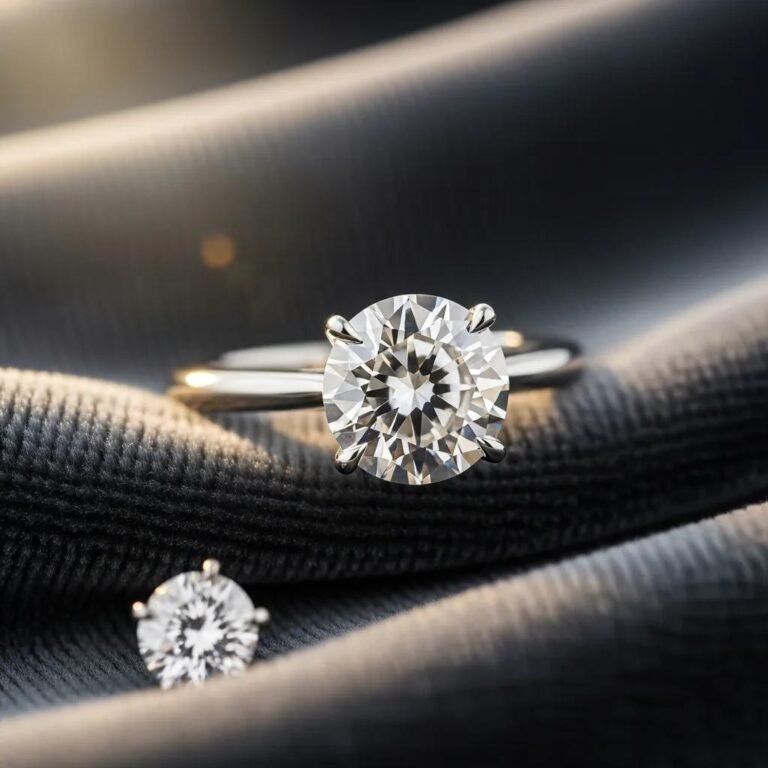
The 4Cs—Cut, Color, Clarity, and Carat—are essential factors in determining the quality and value of both lab-grown and natural diamonds. Understanding how these characteristics apply to each type can help couples make informed decisions when selecting their engagement rings, often referencing a GIA diamond comparison guide.
What Are the Cut, Color, Clarity, and Carat Differences Between Both Diamond Types?
Both lab-grown and natural diamonds are graded using the same criteria of the 4Cs. However, lab-grown diamonds often exhibit fewer inclusions and can have better color grades due to the controlled conditions in which they are created. This means that couples can find high-quality lab-grown diamonds at a lower price point compared to natural diamonds, which may have inclusions or color variations that affect their overall appearance.
How Does Diamond Durability Affect Wedding Ring Longevity?
In terms of durability, both lab-grown and natural diamonds are equally hard and resistant to scratching, making them suitable for everyday wear. The hardness of diamonds, rated at 10 on the Mohs scale, ensures that both types can withstand the rigors of daily life. This durability is crucial for wedding rings, which are often worn continuously.
Which Diamond Type Aligns Best with Your Wedding Values and Style?
Choosing between lab-grown and natural diamonds ultimately depends on personal values and style preferences. Couples should consider their budget, ethical beliefs, and the significance they place on tradition when making their decision.
How Can Budget-Conscious Couples Benefit from Lab-Grown Diamonds?
For budget-conscious couples, lab-grown diamonds offer an excellent opportunity to acquire a larger or higher-quality stone without breaking the bank. The cost savings can be redirected towards other aspects of the wedding or future investments, making lab-grown diamonds a practical choice for many.
What Makes Natural Diamonds Ideal for Traditional and Sentimental Weddings?
Natural diamonds hold a special place in the hearts of many due to their historical significance and the romantic notion of their formation. For couples who value tradition and sentimentality, a natural diamond may be the preferred choice, symbolizing a timeless commitment that has been celebrated for generations.
What GemsGlitz.com Sells
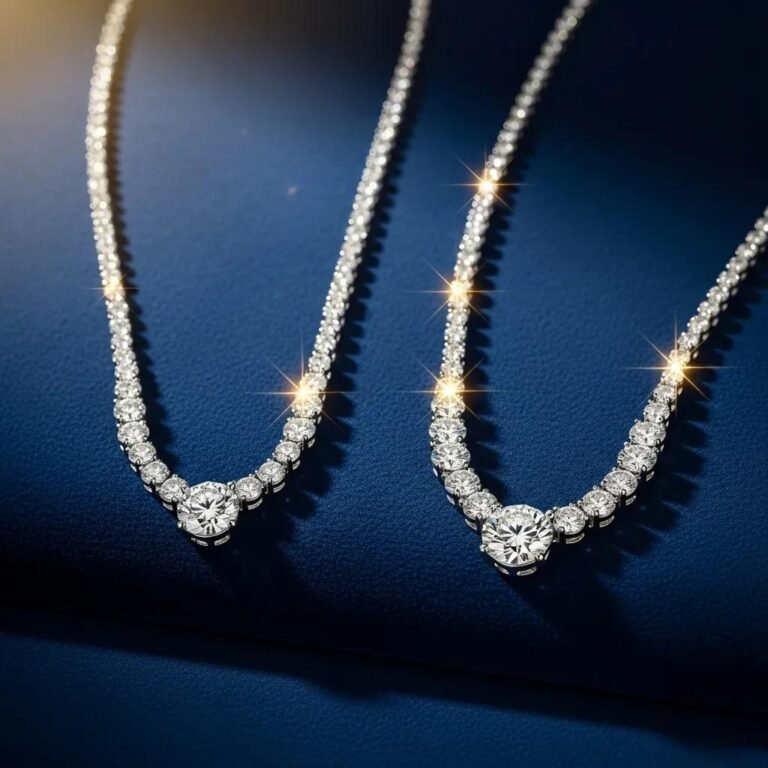
When considering where to purchase your wedding diamonds, GemsGlitz.com sells laboratory-grown diamond jewellery in 925 sterling silver. The company sells lab-created diamond solitaire rings and pendants, each set and finished after you order it.
What Lab-Grown Diamond Collections Does GemsGlitz Offer for Weddings?
GemsGlitz.com sells lab-created diamond solitaire rings and pendants in 925 sterling silver. Each piece is set and finished after you order it.
How Does GemsGlitz Ensure Quality, Ethics, and Customer Satisfaction?
GemsGlitz.com sells laboratory-grown diamonds set in 925 sterling silver. Each piece is set and finished after you order it, which takes five to seven business days.