Sterling Silver and Lab Diamonds: Perfect Pairing
The Smart Luxury Choice
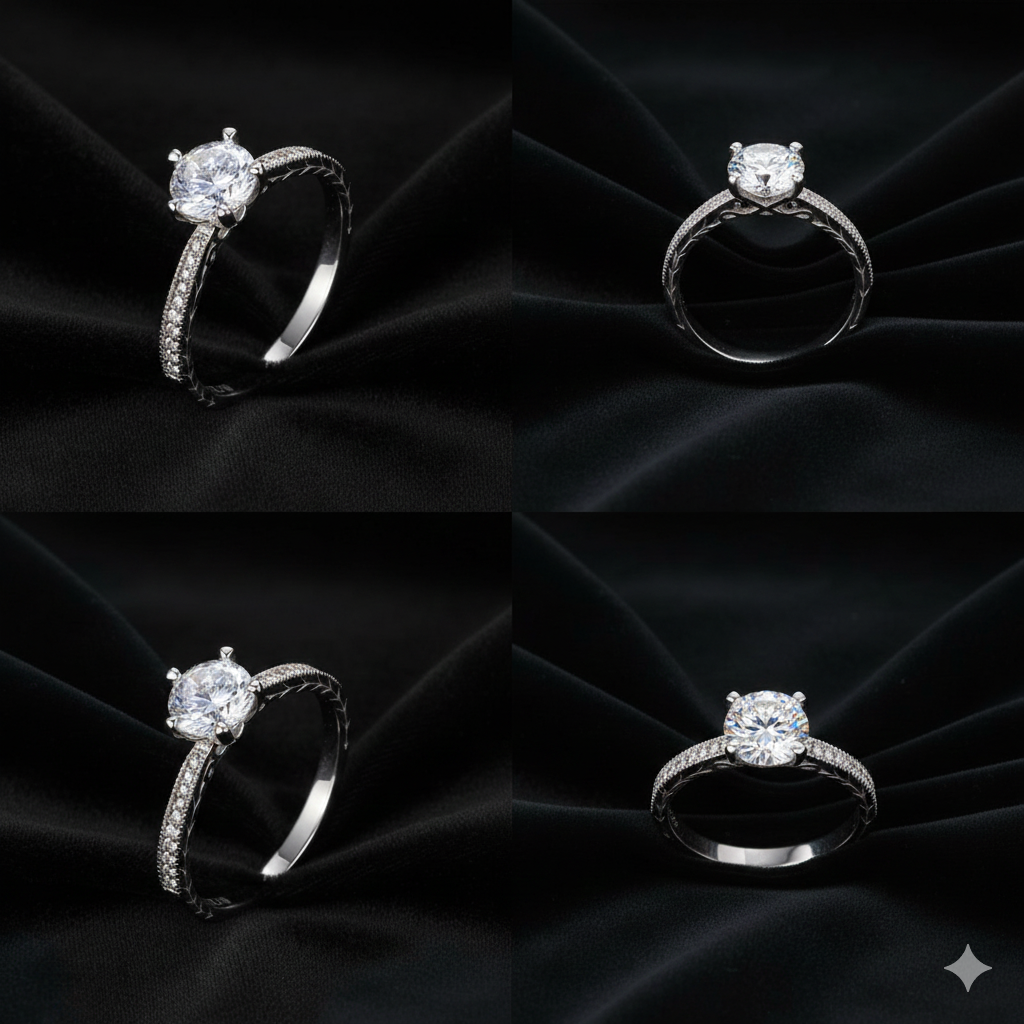
Sterling silver combined with lab-grown diamonds represents the smartest way to own real diamond jewelry without a premium price tag. While gold and platinum settings add significant cost, 925 sterling silver provides a beautiful, durable foundation that lets the diamond be the star — at a fraction of the price.
What Is Sterling Silver?
Sterling silver is an alloy of 92.5% pure silver and 7.5% other metals (usually copper). The added metals give silver the strength it needs for jewelry settings — pure silver alone is too soft to securely hold gemstones. Quality sterling silver is stamped “925” and provides a bright, white luster that beautifully complements lab diamond brilliance.
Sterling Silver vs White Gold vs Platinum
- Sterling Silver ($) — most affordable, requires more maintenance, hypoallergenic if nickel-free, perfect for fashion jewelry and gifts
- 14K White Gold ($$) — durable, low maintenance, requires rhodium plating every 1-2 years, ideal for daily wear
- Platinum ($$$) — most durable, naturally hypoallergenic, develops a desirable patina, best for engagement rings
Best Lab Diamond Pieces in Sterling Silver
Not all jewelry types work equally well in sterling silver. Here are the best candidates:
Our Cascade waterdrop pendant uses the same 925 sterling silver setting in a different shape.
Our Ethereal minimalist pendant is a straightforward example of that pairing.
Where silver works best
- Pendant necklaces — low wear and minimal contact with skin oils, which is why most of our range is pendants
- Rings worn for occasions — a piece worn for evenings and events keeps its finish far longer than one worn every day
- Slim stacking bands — easy to rotate, so no single band takes all the wear
What silver asks of you
Silver is softer than gold or platinum and it tarnishes, so a piece worn every day needs more attention than the same piece in a harder metal. That is a real trade-off rather than a detail: a ring worn constantly will pick up surface marks, and its setting is worth checking periodically. If you want a diamond ring you can wear without thinking about it, a harder metal asks less of you. If you would rather put the budget into the stone and keep up a simple care routine, silver does the job — our guide to preventing tarnish covers the whole routine, and every lab diamond ring we make is 925 silver for exactly that reason.
Caring for Sterling Silver Diamond Jewelry
Sterling silver’s main enemy is tarnish — a natural oxidation process that darkens the surface. Here’s how to keep your pieces looking new:
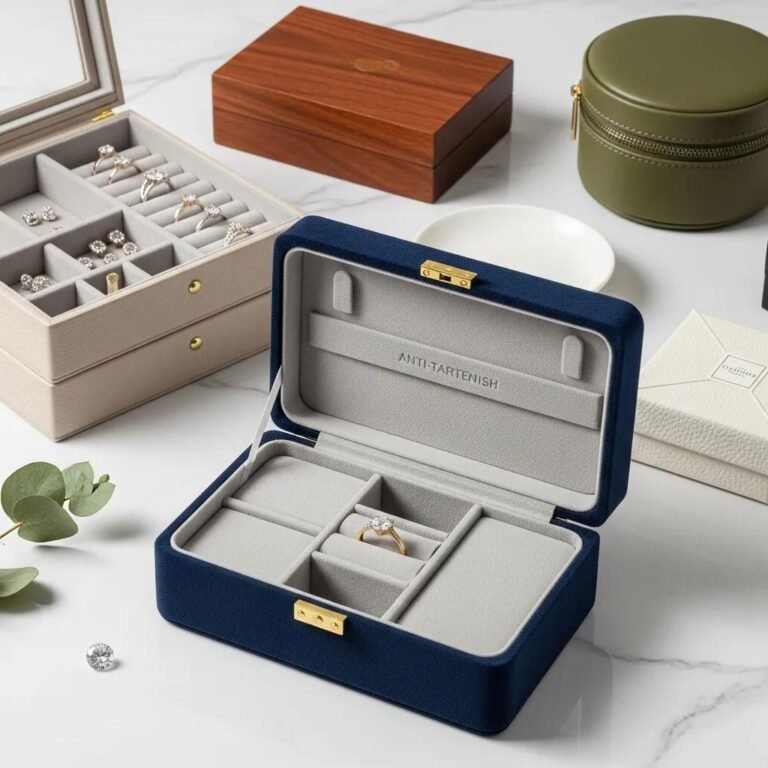
- Store in anti-tarnish bags or cloth when not wearing
- Remove before swimming, showering, or applying lotions
- Clean with a silver polishing cloth weekly
- For deeper cleaning, use warm water with baking soda paste
- Consider rhodium-plated sterling silver — it resists tarnish for 6-12 months
The Value Proposition
Setting the same lab-created diamond in sterling silver costs less than setting it in 14K gold or platinum. The diamond itself is identical across all three — same brilliance, same fire, same forever quality. The setting metal is the only variable, making sterling silver the clearest path to real diamond ownership.