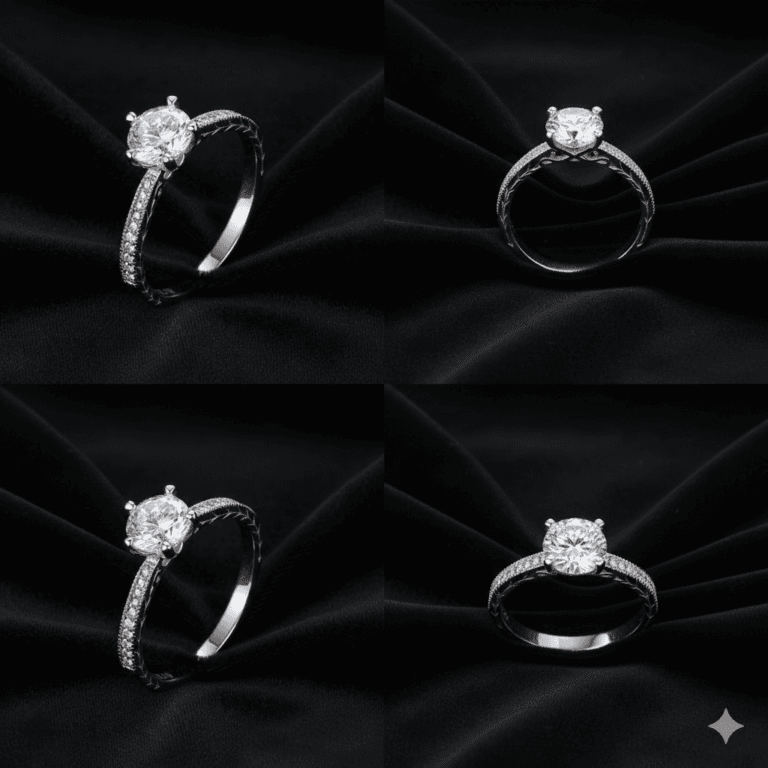

How to Prevent Sterling Silver Tarnish (Complete Guide)
Sterling silver tarnishes because the silver in the alloy reacts with sulphur compounds in the air, on your skin, and in everyday products — it’s a natural chemical process, not a sign anything is wrong with the piece. The good news is that it’s largely preventable with a few simple habits, and on a rhodium-plated piece like the ones GemsGlitz makes, the rhodium layer already slows the process down considerably. This guide covers why tarnish happens, what changes once a piece is rhodium-plated, and exactly what to use — and avoid — to keep it looking bright.
Why sterling silver tarnishes
Tarnish is a thin layer of silver sulfide that forms on the surface of silver when it reacts with sulphur compounds. Those compounds are more common in daily life than you’d expect:
- Air quality — trace sulphur compounds are present in ordinary air, and levels can be higher near traffic, industry, or certain household materials like rubber and some paints.
- Humidity — moisture in the air speeds up the chemical reaction, which is why tarnish tends to develop faster in humid climates or in a damp jewelry box.
- Skin chemistry — everyone’s skin has a slightly different pH and oil composition, and some people’s skin chemistry accelerates tarnish more than others’.
- Cosmetics and household products — perfume, hairspray, lotion, and some cleaning products all contain compounds that can react with silver on contact.
Tarnish starts as a faint yellow tint and darkens over time toward brown and eventually black if left unaddressed. It doesn’t damage the metal underneath — it’s a surface reaction — but it dulls the bright finish that makes sterling silver jewelry attractive in the first place.
How rhodium plating changes the picture
Every GemsGlitz piece is 925 sterling silver finished with a layer of rhodium, and that layer matters here: rhodium itself doesn’t tarnish the way the silver alloy underneath does, so a plated piece resists tarnish for considerably longer than bare, unplated silver. That’s a meaningful practical difference, not a marketing detail — it’s why a rhodium-plated pendant can go a long stretch of regular wear looking bright with minimal effort.
It isn’t a permanent shield, though. The plating is a thin layer, and with years of wear it can gradually thin in the spots that see the most friction — the underside of a ring band, for instance. Once the plating has worn thin in a spot, the silver underneath is more exposed there and can tarnish locally even while the rest of the piece still looks fine. That’s expected wear over a long timeline, not something to worry about early on. For the full picture on what the plating is and does, see our companion guide, sterling silver and lab diamonds.
Everyday habits that slow tarnish
Prevention is far easier than dealing with heavy tarnish later, and none of these habits take much effort once they’re routine:
- Put jewelry on last, after perfume, hairspray, and lotion, so those products don’t sit directly against the metal.
- Take it off before water contact — swimming, showering, washing dishes, or cleaning with household products all speed up tarnish and can affect the plating over time.
- Wipe with a soft, dry cloth after wearing, to remove skin oils and moisture before they sit on the surface overnight.
- Wear it regularly rather than leaving it untouched — a piece that’s worn now and then, wiped down, and stored properly typically holds its finish better than one left exposed to air in a dish for months.
Storing your pieces properly
How a piece is stored between wears matters almost as much as how it’s worn. Airtight, low-humidity storage away from direct sunlight slows tarnish considerably, since it limits the piece’s contact with the air and moisture that drive the reaction. Anti-tarnish strips or bags, a sealed pouch with the air pressed out, and keeping jewelry away from damp bathroom cabinets all help. We walk through storage in full detail — including how to store multiple pieces together without them scratching each other — in our jewelry storage guide.
Safe cleaning for rhodium-plated jewelry
Because every GemsGlitz piece is rhodium-plated rather than bare silver, cleaning advice written for plain sterling silver doesn’t fully apply — and some of it can actually damage the plating. Here’s what’s actually safe.
What to use
- Warm water and a few drops of mild soap — enough to loosen everyday oils and residue without stripping the finish.
- A soft brush, such as a soft-bristle baby toothbrush, gently worked around the setting to lift dirt without scrubbing hard.
- A thorough rinse and a soft, lint-free cloth to dry — pieces left to air-dry are more prone to water spots, so drying by hand is worth the extra minute.
What to avoid on rhodium-plated pieces
This is the part that trips people up, because a lot of generic “silver cleaning” advice online is written for bare, unplated silver and is genuinely the wrong advice for a rhodium-plated piece.
- Abrasive pastes and polishes — anything gritty enough to physically buff tarnish off bare silver is also abrasive enough to wear away a thin rhodium layer.
- The baking soda and foil method — a common trick for bare silver, but the chemical reaction it relies on isn’t gentle on plating and isn’t worth the risk on a plated piece.
- Silver dips — chemical tarnish-removing dips are formulated to strip tarnish from bare silver quickly, and that same chemical action can dull or damage rhodium plating.
- Silver polishing cloths — these work by mild abrasion, which is fine on bare silver but not something you want repeated against a plated finish.
In short: dips, pastes, and polishing cloths are tools for bare, unplated silver. On a rhodium-plated piece, stick to warm water, mild soap, and a soft brush, and you’ll avoid wearing down the finish you’re trying to protect.
When a plated piece starts to look dull
If a rhodium-plated piece has lost its bright finish despite gentle cleaning, that’s usually the plating thinning with wear rather than a cleaning problem — and it isn’t something a home routine can fix, since re-plating means applying a new rhodium layer, not just cleaning the existing one. A jeweler can re-plate a piece, restoring the original bright white finish. This is general advice about how re-plating works, not a service GemsGlitz offers directly, so it’s worth asking a local jeweler about their process and pricing before you bring a piece in.
Heavy black tarnish, visible scratches on the setting, or a stone that feels even slightly loose are all good reasons to have a piece looked at by a professional rather than continuing to clean it at home. The lab-grown diamond care guide covers how often a setting is worth having checked as part of a normal care routine.
Frequently asked questions
Is tarnish permanent damage?
No. Tarnish is a surface reaction, not damage to the metal itself, and on bare silver it can typically be cleaned away. On a rhodium-plated piece, mild dulling can usually be improved with the gentle cleaning method above; heavier dulling from worn plating is better addressed by a jeweler.
Can I use a silver dip on my GemsGlitz jewelry?
We’d recommend against it. Silver dips are formulated for bare, unplated silver, and since every GemsGlitz piece is rhodium-plated, a dip can dull or damage that finish. Stick to warm water, mild soap, and a soft brush instead.
How often should I clean my rhodium-plated jewelry?
A quick wipe with a dry, soft cloth after each wear goes a long way. A gentle warm-water-and-soap clean every few weeks, or whenever a piece looks like it needs it, is typically enough beyond that — there’s no need for anything more aggressive on a regular basis.
Does wearing silver jewelry every day make tarnish worse?
Not necessarily — the natural oils on skin can actually help slow tarnish on regularly worn pieces, while jewelry left untouched in open air for long stretches can tarnish just as easily. What matters most is wiping it down after wear and storing it properly in between.
Will re-plating affect the diamond?
A jeweler doing re-plating work should take care to protect the stone during the process, but it’s a fair question to ask before booking the service. This is general guidance about how re-plating works elsewhere, not something GemsGlitz performs, so confirm the details directly with whichever jeweler you choose.
For more on why we build every piece this way in the first place, our ring collection and pendant collection are both made entirely in 925 sterling silver with a rhodium finish, so the routine above applies to anything you choose from either.