Understanding the Value Retention of Lab Grown Diamond Necklaces
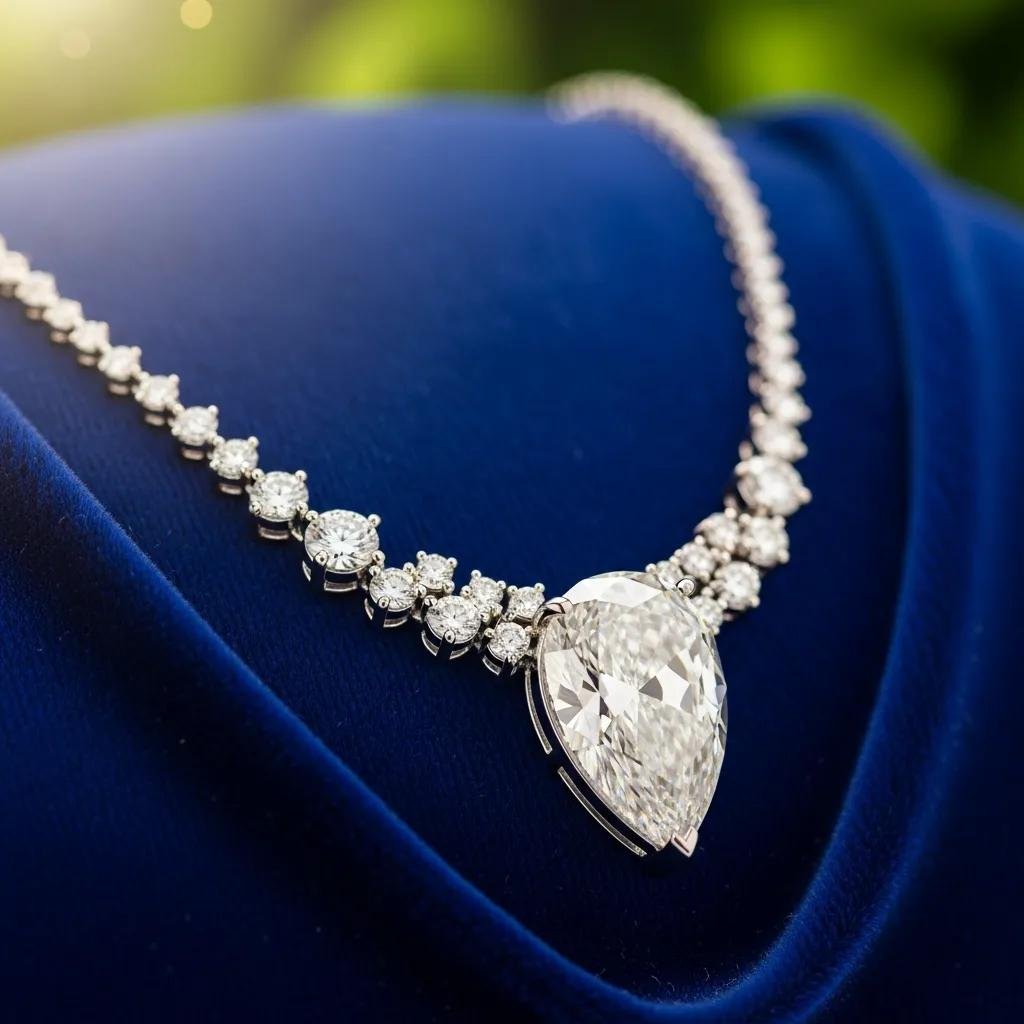
Lab grown diamond necklaces have emerged as a popular choice for consumers seeking ethical and sustainable jewelry options. This article delves into the value retention of these necklaces, exploring their resale value, ethical implications, and investment potential. Readers will gain insights into how lab grown diamonds compare to natural diamonds, the factors influencing their value, and practical tips for maximizing the longevity of their investment. For a seller-to-seller view instead, read our comparison with Brilliant Earth. As the market for lab grown diamonds continues to evolve, understanding these aspects is crucial for informed purchasing decisions. We will cover the resale value, ethical considerations, key factors affecting value retention, comparisons with natural diamonds, and how to maintain the value of your necklace.
What Is the Resale Value of Lab Grown Diamond Necklaces?
The resale value of lab grown diamond necklaces is a critical consideration for consumers. Unlike natural diamonds, lab grown diamonds typically have a lower resale value due to market dynamics and consumer perceptions. Understanding these factors can help buyers make informed decisions about their purchases.
How Much Do Lab Grown Diamonds Depreciate Over Time?
Lab grown diamonds generally depreciate within the first few years of purchase. This depreciation is influenced by factors such as market demand and the rapid advancements in technology that make lab grown diamonds more accessible. As production increases, the supply of these diamonds can outpace demand, leading to further depreciation.
Why Do Lab Grown Diamonds Have Lower Resale Value Compared to Natural Diamonds?
Lab grown diamonds have lower resale values compared to natural diamonds primarily due to their abundance and the perception of value. Natural diamonds are often viewed as rare and unique, which enhances their desirability and resale potential. In contrast, lab grown diamonds are produced in controlled environments, making them less exclusive and thus less valuable in the resale market.
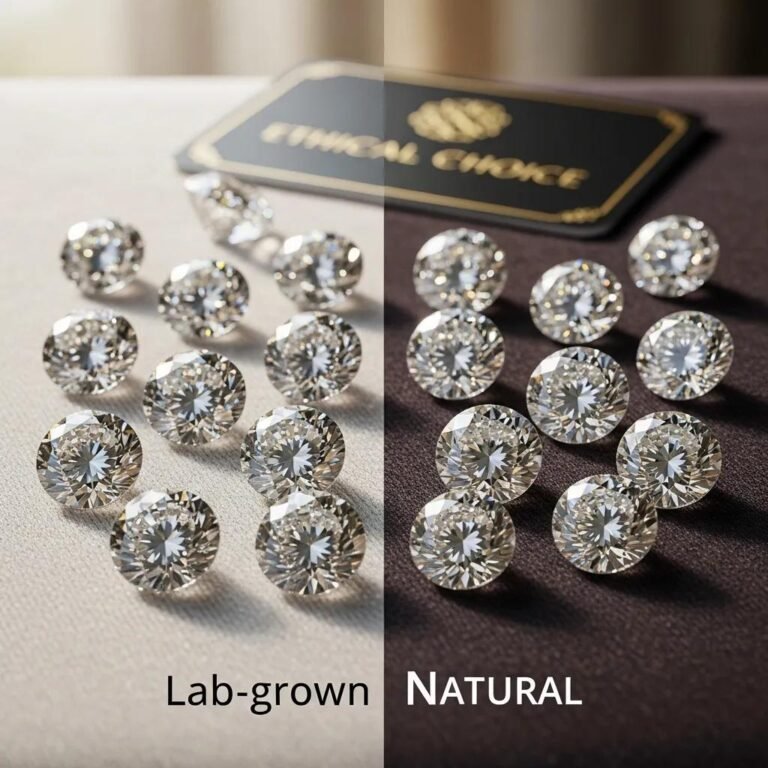
Further research supports the notion that natural diamonds maintain a superior resale value compared to their lab-grown counterparts.
Lab-Grown vs. Mined Diamond Resale Value
selling natural diamonds in bridal jewelry to reflect the growing demand of lab-grown and resale value of mined diamonds were far superior than lab-grown alternatives.
A Diamond Is… Grown in a Lab: Legal Concerns Surrounding the Push for Mined Diamonds over Lab-Grown Alternatives, 2024
How Does Ethical and Sustainable Value Enhance Lab Grown Diamond Necklaces?
The ethical and sustainable aspects of lab grown diamonds significantly enhance their appeal. Consumers are increasingly prioritizing ethical sourcing and sustainability in their purchasing decisions, which can positively impact the perceived value of lab grown diamond necklaces.
What Makes Lab Grown Diamonds Ethically Sourced and Sustainable?
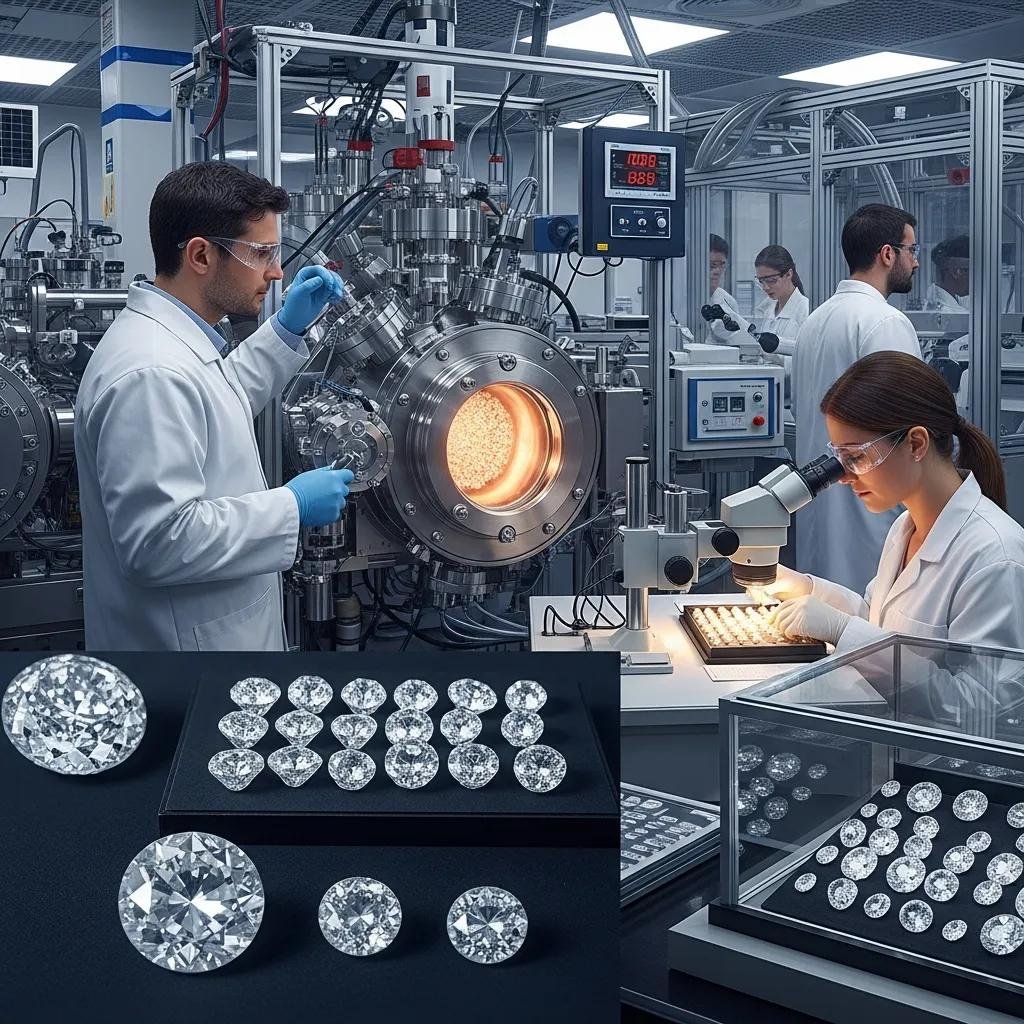
Lab grown diamonds are created using advanced technology that mimics the natural diamond formation process, resulting in stones that are chemically and physically identical to their natural counterparts. This process eliminates the ethical concerns associated with traditional diamond mining, such as environmental degradation and human rights violations. By choosing lab grown diamonds, consumers support sustainable practices and ethical sourcing.
This shift towards ethical choices is transforming the gem industry, as consumers increasingly prioritize sustainable and ethical alternatives.
Lab-Grown Diamonds: Sustainable & Ethical Alternatives
Lab-grown diamonds will see the transformation of the global gem industry: a shift toward sustainable and ethical alternatives to natural diamonds. In practice, people choose a lab-grown stone for what it is and what it costs, not because of their age bracket.
New Era of Lab Grown Diamond, J Vidani, 2024
How Does Ethical Value Impact the Perceived Worth of Lab Grown Necklaces?
The ethical value of lab grown diamonds can enhance their perceived worth among consumers. Many buyers are willing to pay a premium for jewelry that aligns with their values, particularly regarding sustainability and ethical sourcing. This shift in consumer attitudes is reshaping the jewelry market, making lab grown diamonds a desirable option for those who prioritize ethical considerations.
Indeed, the growing emphasis on ethical consumption, particularly among newer generations, is a significant driver of lab-grown diamond popularity.
Ethical Consumption Drives Lab-Grown Diamond Popularity
Since the luxury industry is migrating towards a more conscious way of manufacturing products and consumers are thriving towards ethical consumption and bold products, lab-grown diamond is gaining in popularity against the bleak stories of the mined ones. New generations of consumers increasingly recognized the importance of ethical consumption of a luxury product. Bitter lines in the news, child labor and conflicts such as “Blood diamonds” created an uncertain environment in which the new generation Gen Z, nowadays does not feel comfortable to buy unconsciously.
Lab-grown diamond–the shape of tomorrow’s jewelry, 2021
What Are the Key Factors Affecting Lab Grown Diamond Necklace Value Retention?
Several key factors influence the value retention of lab grown diamond necklaces. Understanding these factors can help consumers make informed decisions about their purchases and investments.
| Factor | Description | Impact on Value Retention |
|---|---|---|
| Certification | Lab grown diamonds that are certified by reputable organizations tend to retain value better. | High |
| The 4Cs | Cut, color, clarity, and carat weight significantly affect a diamond’s value. | High |
| Market Supply | An increase in supply can lead to lower resale values. | Medium |
How Do Certification and the 4Cs Influence Value Retention?
Certification plays a crucial role in the value retention of lab grown diamonds. Diamonds that are graded by recognized organizations, adhering to GIA diamond appraisal standards, provide assurance of quality, which can enhance their resale value. Additionally, the 4Cs—cut, color, clarity, and carat weight—are essential in determining a diamond’s overall value. Higher quality diamonds in these categories will generally retain their value better than lower quality stones.
What Role Does Market Supply and Technological Advancement Play?
Market supply and technological advancements significantly impact the value retention of lab grown diamonds. As technology improves, the cost of producing lab grown diamonds decreases, leading to an increase in supply. This oversupply can result in lower resale values, as the market becomes saturated with similar products. Understanding these dynamics is essential for consumers looking to invest in lab grown diamond necklaces.
How Do Lab Grown Diamond Necklaces Compare to Natural Diamonds in Value and Investment?
When comparing lab grown diamonds to natural diamonds, several key differences emerge regarding value and investment potential. Understanding these differences can help consumers make informed choices.
What Are the Differences in Resale and Investment Potential?
Lab grown diamonds typically have significantly lower resale values compared to natural diamonds. While natural diamonds can maintain value and sometimes appreciate over time due to their rarity and market demand, lab grown diamonds generally depreciate. This difference is crucial for consumers considering their purchases as long-term investments.
Why Are Lab Grown Diamonds Considered Lifestyle Purchases Rather Than Investments?
Lab grown diamonds are often viewed as lifestyle purchases rather than traditional investments. Consumers tend to buy them for personal enjoyment and ethical considerations rather than for their potential to appreciate in value, a trend often highlighted in luxury goods value research. This perception influences how buyers approach their purchases and the expectations they have regarding resale.
How Can You Maximize the Lifelong Value of Your Lab Grown Diamond Necklace?
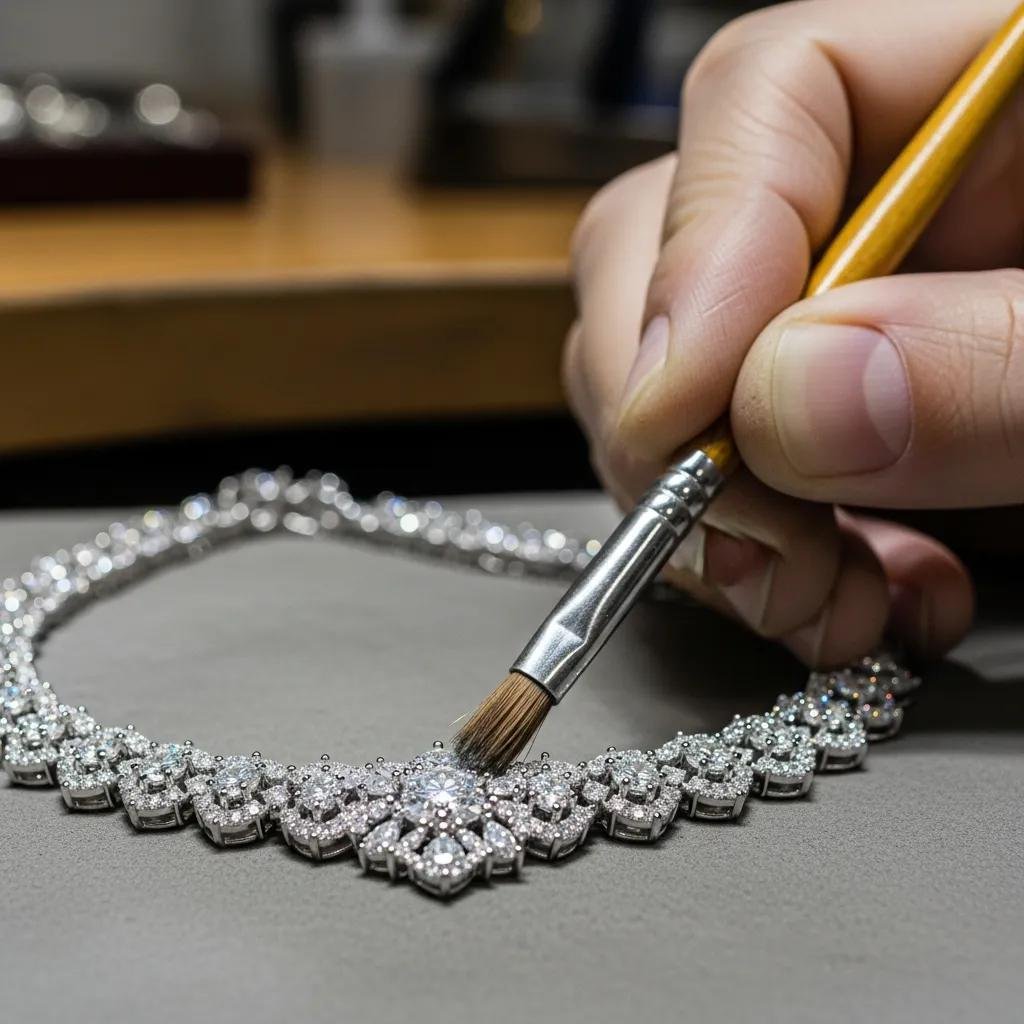
Maximizing the value of your lab grown diamond necklace involves proper care and understanding its emotional and aesthetic benefits. Here are some tips to ensure your necklace retains its value over time.
What Care and Certification Practices Preserve Value?
To preserve the value of your lab grown diamond necklace, regular maintenance is essential. This includes professional cleaning and inspections to ensure the setting remains secure and the diamond is free from scratches. Additionally, understanding jewelry appraisal guidelines and obtaining certification from reputable organizations can enhance the necklace’s resale value.
How to Appreciate Non-Monetary Value: Emotional and Aesthetic Benefits
While monetary value is important, the emotional and aesthetic benefits of a lab grown diamond necklace should not be overlooked. These pieces often hold significant sentimental value, representing special moments and milestones. Appreciating these non-monetary aspects can enhance your overall satisfaction with the purchase.
What GemsGlitz.com Sells
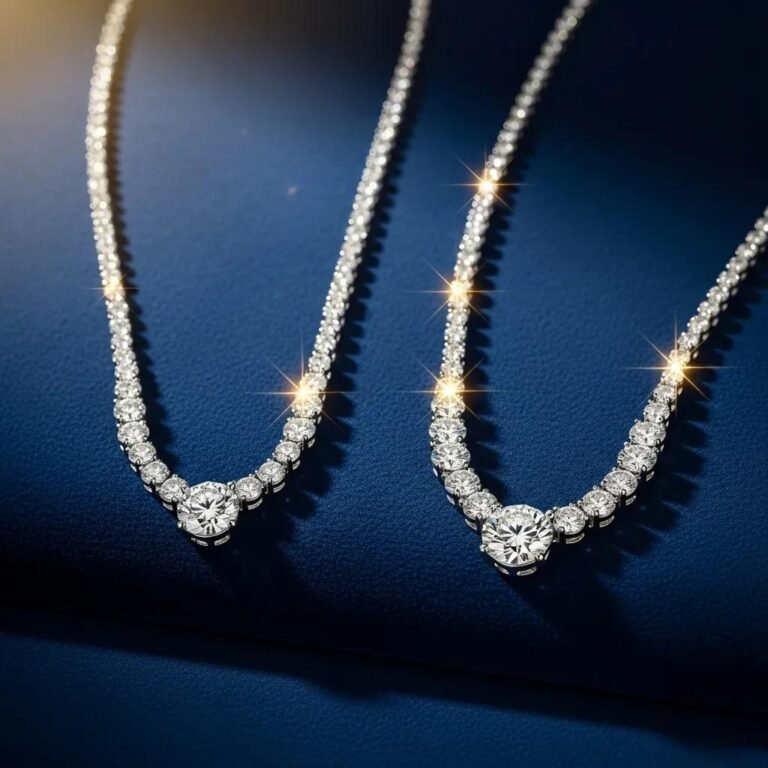
GemsGlitz.com sells laboratory-grown diamond jewellery in 925 sterling silver, made to order. The stone, the metal and the chain length are listed on every product page.
Our Infinity Hearts & Arrows pendant is cut to the Hearts and Arrows pattern.
What GemsGlitz.com Can Document About Its Stones
GemsGlitz.com does not hold sourcing documentation for its stones, and does not claim to. What it can tell you is on each product page: the stone is laboratory-grown, the setting is 925 sterling silver, and the piece is set and finished after you order it.
What Unique Value Does GemsGlitz.com Offer for Modern Luxury Buyers?
GemsGlitz.com sells a small range of laboratory-grown diamond pieces in 925 sterling silver. Their extensive collection of lab grown diamond necklaces allows customers to find pieces that resonate with their personal values while celebrating their unique stories and special occasions.