Lab Diamond Care Tips for Longevity
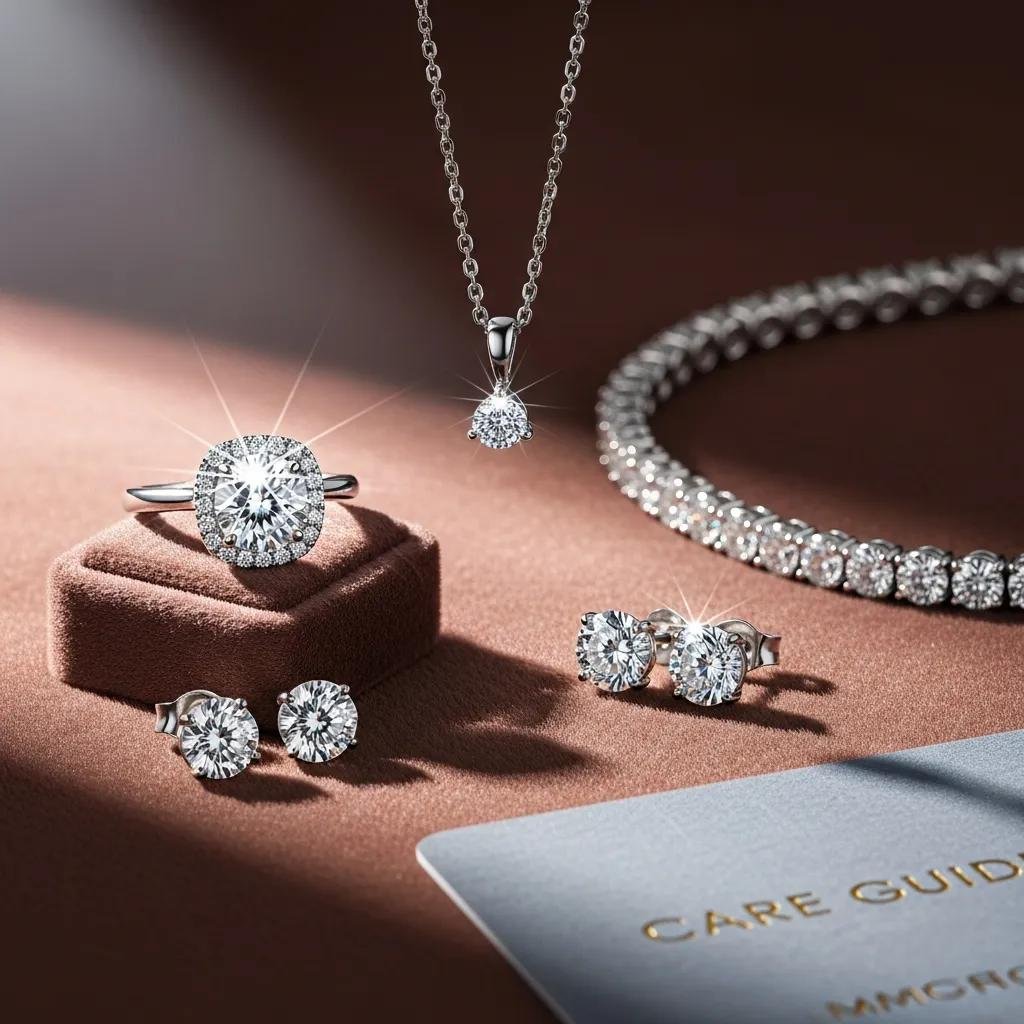
Lab Diamond Care Tips for Longevity: Comprehensive Guide to Cleaning, Maintenance, and Durability
Lab diamonds are a stunning and ethical choice for jewelry lovers, offering the same brilliance and durability as natural diamonds. For those interested in understanding diamond pricing, lab diamonds present a compelling value proposition. However, to maintain their beauty and longevity, special care requirements for lab diamonds are essential. Adhering to Gemological Institute of America care guidelines can further ensure their lasting brilliance. This comprehensive guide will provide you with valuable insights into cleaning, storing, and protecting your lab diamonds, ensuring they remain as radiant as the day you bought them. Many people overlook the importance of regular maintenance, which can lead to dullness and damage over time. By following these care tips, you can extend the life of your lab diamond jewelry and preserve its stunning appearance. We will explore effective cleaning methods, best storage practices, protective measures, and the inherent durability of lab diamonds.
How Do You Properly Clean Lab Grown Diamonds to Maintain Their Sparkle?
Cleaning lab-grown diamonds is crucial for preserving their sparkle and brilliance. Regular cleaning removes dirt, oils, and residues that can dull their appearance. The best cleaning methods involve gentle techniques that do not damage the diamond or its setting.
What Are Effective At-Home Cleaning Methods for Lab Diamonds?
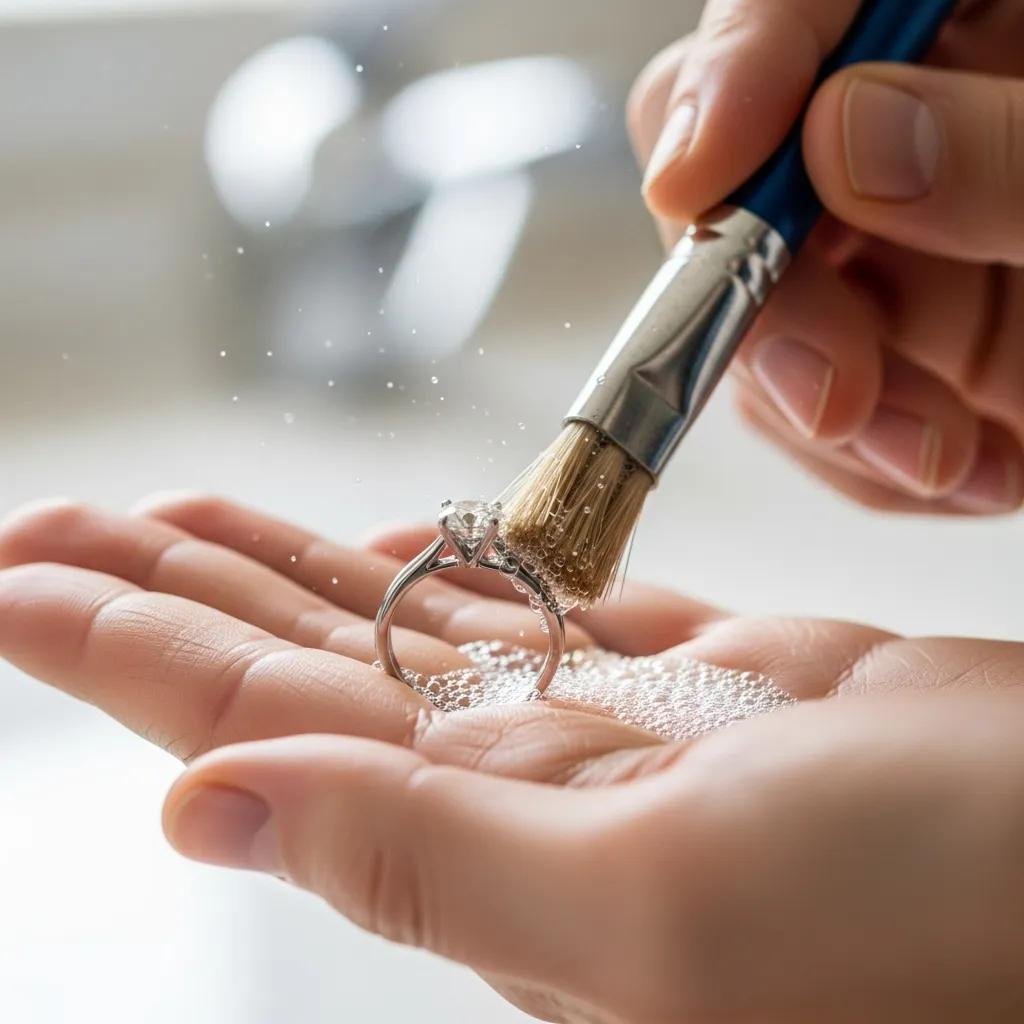
To clean your lab diamonds at home, follow these effective methods. For more detailed proper cleaning techniques and a broader consumer diamond care guide, refer to our comprehensive guide.
- Mild Soap Solution: Mix a few drops of mild dish soap with warm water. Soak your diamond jewelry for about 15-20 minutes.
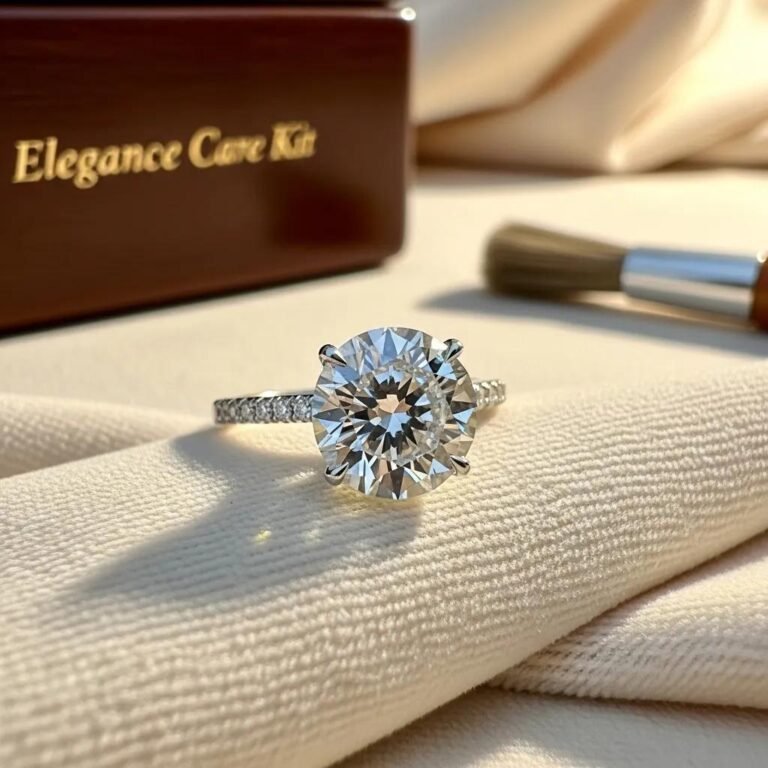
- Soft Brush Technique: Use a soft-bristled toothbrush to gently scrub the diamond, focusing on the underside where dirt accumulates.
- Rinse and Dry: Rinse the jewelry under warm running water and dry it with a lint-free cloth to avoid scratches.
These methods ensure that your lab diamonds remain sparkling without risking damage to the stone or its setting.
When Should You Seek Professional Cleaning Services?
While at-home cleaning is effective, there are times when professional cleaning is advisable:
- Frequency: Consider professional cleaning every 6-12 months, especially for frequently worn pieces.
- Ultrasonic Cleaning: Professional jewelers often use ultrasonic cleaners that can remove dirt from hard-to-reach areas without harming the diamond or its setting, but ultrasonic cleaning is not recommended for all types of settings or stones.
- Inspection: A professional cleaning service can also inspect your jewelry for loose stones or damage, ensuring your pieces remain secure and beautiful.
Regular professional cleaning, often guided by professional jewelry care standards, can help maintain the integrity and appearance of your lab diamond jewelry.
What Are the Best Practices for Storing Lab Diamond Jewelry Safely?
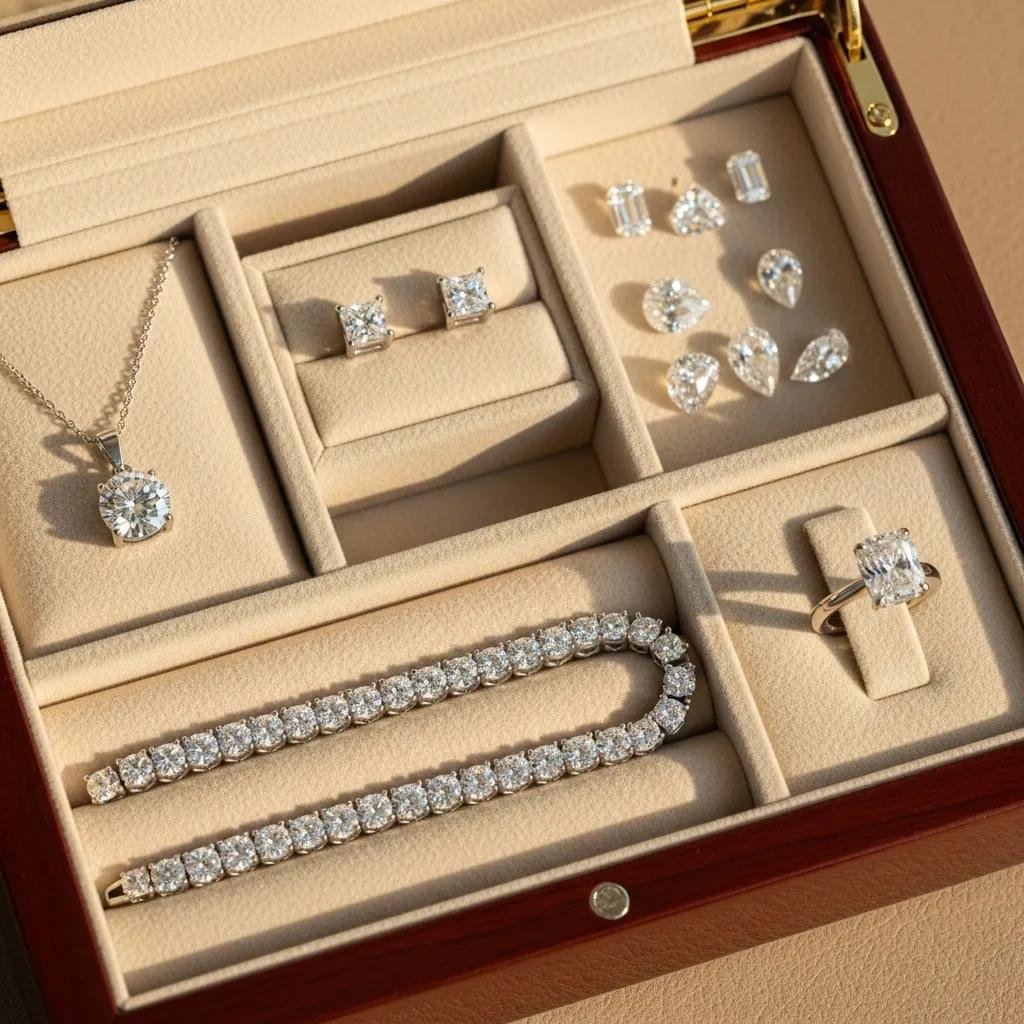
Proper storage of lab diamond jewelry is essential to prevent scratches and damage. By following optimal storage solutions, you can ensure your pieces remain in pristine condition.
How Should You Store Lab Diamond Rings, Necklaces, and Earrings?
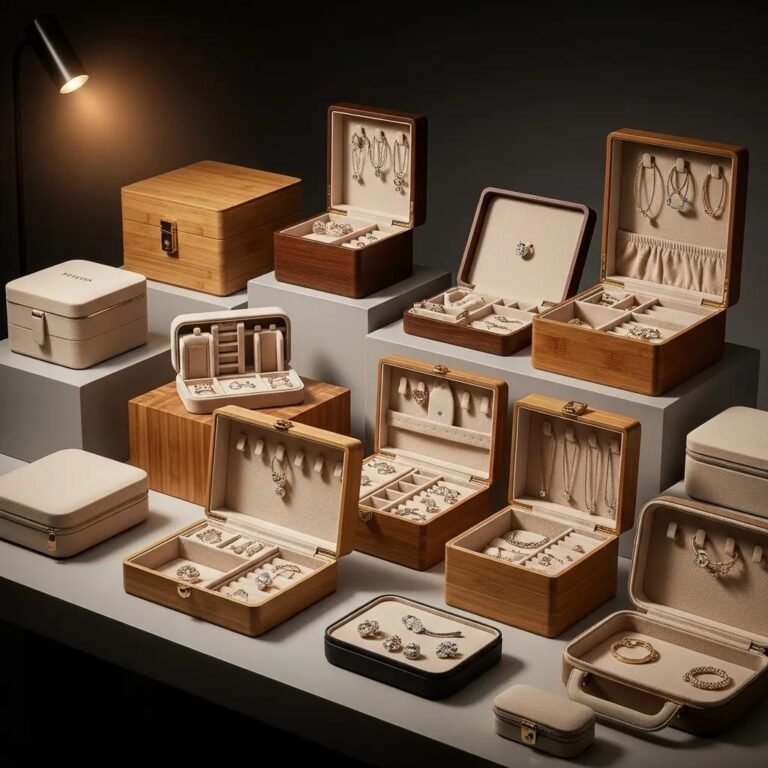
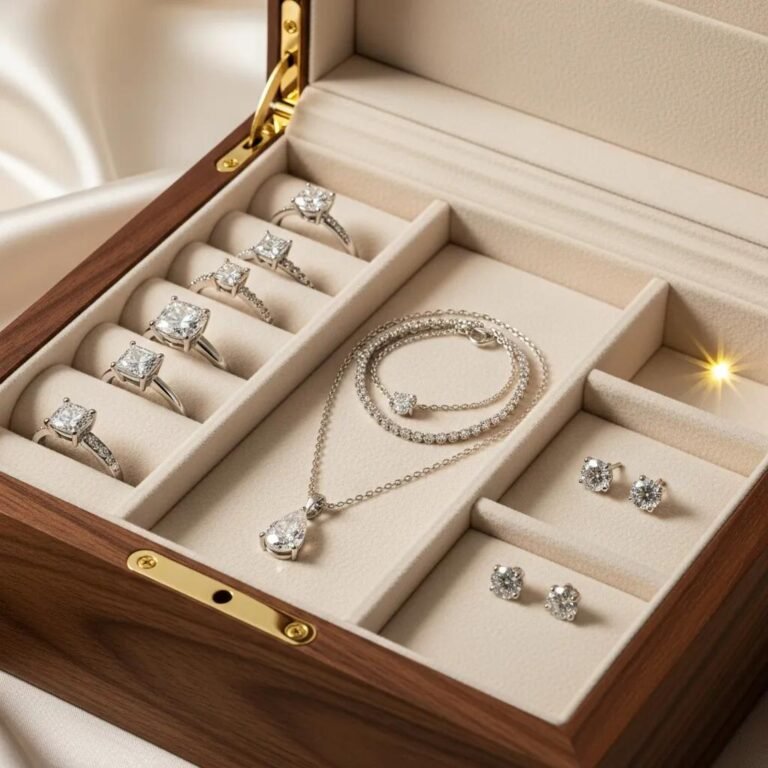
- Separate Compartments: Store each piece in its own compartment to prevent scratching. Use a jewelry box with individual slots or pouches.
- Soft Lining: Ensure the storage box has a soft lining to cushion the jewelry and prevent movement.
- Avoid Clutter: Keep your jewelry organized and avoid overcrowding, which can lead to tangling and damage.
These storage methods will help protect your lab diamonds from physical harm and maintain their beauty.
What Environmental Factors Should Be Avoided in Storage?
When storing lab diamond jewelry, be mindful of environmental factors that can cause damage:
- Humidity: High humidity can lead to tarnishing of metal settings. Store jewelry in a cool, dry place.
- Extreme Temperatures: Avoid exposing your jewelry to extreme heat or cold, which can affect the integrity of the materials.
- Direct Sunlight: Prolonged exposure to sunlight can cause fading in certain materials, so store your jewelry away from direct light.
By avoiding these environmental risks, you can ensure your lab diamonds remain beautiful for years to come.
How Can You Protect Lab Diamonds from Damage and Preserve Their Longevity?
Protecting your lab diamonds from damage is crucial for their longevity. Understanding potential hazards and taking precautions can help maintain their beauty.
Which Chemicals and Substances Should Be Avoided?
Certain chemicals can harm lab diamonds and their settings:
- Chlorine: Commonly found in swimming pools, chlorine can weaken metal settings.
- Bleach: This harsh chemical can damage metal settings and should be avoided.
- Household Cleaners: Avoid using abrasive or harsh cleaners that can scratch or dull the diamond or damage the setting.
By steering clear of these substances, you can protect your lab diamonds from potential damage.
What Precautions Should Be Taken During Physical Activities?
When engaging in physical activities, it’s essential to take precautions to protect your jewelry:
- Remove Jewelry: Take off your lab diamond jewelry before exercising, swimming, or doing household chores to prevent damage.
- Avoid Impact: Be cautious of activities that may cause impact or abrasion, such as sports or heavy lifting.
- Travel Safely: When traveling, store your jewelry securely in a protective case to prevent loss or damage.
These precautions will help ensure your lab diamonds remain safe and intact during physical activities.
What Makes Lab Diamonds Durable and How Does This Affect Their Care?
Lab diamonds are known for their exceptional durability, which is comparable to that of natural diamonds. Understanding their durability can inform your care practices.
How Does the Mohs Hardness Scale Reflect Lab Diamond Strength?
Lab diamonds score a 10 on the Mohs hardness scale, the highest rating possible. This means they are highly resistant to scratching and damage. Their hardness allows them to withstand daily wear without losing their brilliance. However, while they are durable, it is still essential to care for them properly to maintain their appearance.
What Common Myths About Lab Diamond Durability Should Be Debunked?
Several myths surround the durability of lab diamonds:
- Myth: Lab diamonds are less durable than natural diamonds.Fact: Lab diamonds are chemically and physically identical to natural diamonds, making them equally durable.
- Myth: Lab diamonds can be easily damaged.Fact: While they are durable, they can still be affected by harsh chemicals and physical impacts, so care is necessary.
- Myth: Lab diamonds do not require maintenance.Fact: Regular cleaning and proper storage are essential to keep lab diamonds looking their best.
Understanding these myths can help you appreciate the durability of lab diamonds while ensuring they receive the care they deserve.
How Do You Maintain and Restore the Sparkle of Lab Diamonds Over Time?
Over time, lab diamonds may lose some of their sparkle due to dirt and oils. Regular maintenance is key to keeping them looking their best.
Why Do Lab Diamonds Become Cloudy and How Can This Be Prevented?
Lab diamonds can become cloudy due to the accumulation of dirt, oils, and residues. To prevent cloudiness:
- Regular Cleaning: Clean your diamonds regularly using the methods mentioned earlier to remove buildup.
- Avoid Lotions and Perfumes: Apply lotions and perfumes before putting on your jewelry to minimize residue.
- Store Properly: Ensure your diamonds are stored in a way that prevents exposure to dust and dirt.
By following these steps, you can maintain the clarity and brilliance of your lab diamonds.
What Professional Services Help Restore Diamond Brilliance?
If your lab diamonds have lost their sparkle, professional services can help restore their brilliance:
- Ultrasonic Cleaning: This method uses high-frequency sound waves to remove dirt and grime from hard-to-reach areas. Note that ultrasonic cleaning is not suitable for all settings or stones.
- Polishing: Jewelers can polish your diamonds to restore their shine and remove minor scratches.
- Inspection and Repair: Professionals can inspect your jewelry for any damage and make necessary repairs to ensure its longevity.
Utilizing these services can help maintain the beauty and integrity of your lab diamond jewelry.
| Cleaning Method | Effectiveness | Recommended Frequency |
|---|---|---|
| At-Home Cleaning | Moderate | Monthly |
| Professional Cleaning | High | Every 6-12 months |
| Ultrasonic Cleaning | Very High | As needed |
Lab diamonds are a beautiful and ethical choice for jewelry, and with proper care, they can last a lifetime. By following these tips for cleaning, storing, and protecting your lab diamonds, you can ensure they remain as stunning as the day you purchased them. Regular maintenance and awareness of potential hazards will help preserve their beauty and longevity, allowing you to enjoy your lab diamond jewelry for years to come.