Why Lab Diamonds Require Special Care
Why Lab Diamonds Require Special Care: Essential Lab Grown Diamond Care and Maintenance Tips
Lab diamonds, also known as lab-grown diamonds, are chemically and physically identical to natural diamonds, offering a sustainable and ethical alternative for jewelry lovers. However, they require proper care to maintain their brilliance and longevity. This article will provide essential tips on how to care for lab diamonds, ensuring they remain as stunning as the day you bought them. Many people are unaware that proper maintenance can significantly extend the life of their jewelry, preventing damage and preserving its beauty. We will explore the unique properties of lab diamonds, effective cleaning methods, best storage practices, and the importance of professional care, aligning with GIA diamond care guidelines.
Indeed, the ethical appeal of lab-grown diamonds is a significant factor for many consumers, as highlighted by recent research.
Lab-Grown Diamonds: Chemical Identity & Ethical Appeal
What defines a gemstone is simply the association between its chemical composition and crystal structure. To this fact it created two sided views for which there is no right or wrong position but simply a question of brand positioning. New generations of consumers increasingly recognized the importance of ethical consumption of a luxury product. Bitter lines in the news, child labor and conflicts such as “Blood diamonds” created an uncertain environment in which the new generation Gen Z, nowadays does not feel comfortable to buy unconsciously.
Lab-grown diamond–the shape of tomorrow’s jewelry, 2021
What Makes Lab Grown Diamonds Unique and Why They Need Special Care?
Lab-grown diamonds are unique because they are created in controlled environments that replicate the natural conditions under which diamonds form. This process results in stones that are chemically identical to their natural counterparts, boasting the same hardness and brilliance. However, despite their durability, lab diamonds can still be susceptible to damage if not cared for properly. Understanding their unique properties is crucial for maintaining their appearance and longevity.
How Are Lab Grown Diamonds Chemically and Physically Identical to Natural Diamonds?
Lab-grown diamonds share the same chemical composition as natural diamonds, primarily consisting of carbon atoms arranged in a crystal lattice structure. This identical structure gives lab diamonds their exceptional hardness, rated 10 on the Mohs scale, making them resistant to scratching. For more details on diamond chemical properties, refer to scientific resources. However, their brilliance can be affected by exposure to harsh chemicals or improper cleaning methods, which is why proper care is essential.
What Are the Common Misconceptions About Lab Diamond Durability and Care?
Many people believe that lab diamonds are less durable than natural diamonds, which is a misconception. Both types of diamonds are equally hard and can withstand everyday wear. However, some myths suggest that lab diamonds require less care, leading to neglect. In reality, proper maintenance is crucial for both types to ensure they retain their sparkle and beauty over time.
How to Clean Lab Grown Diamonds at Home: Step-by-Step Lab Diamond Cleaning Guide
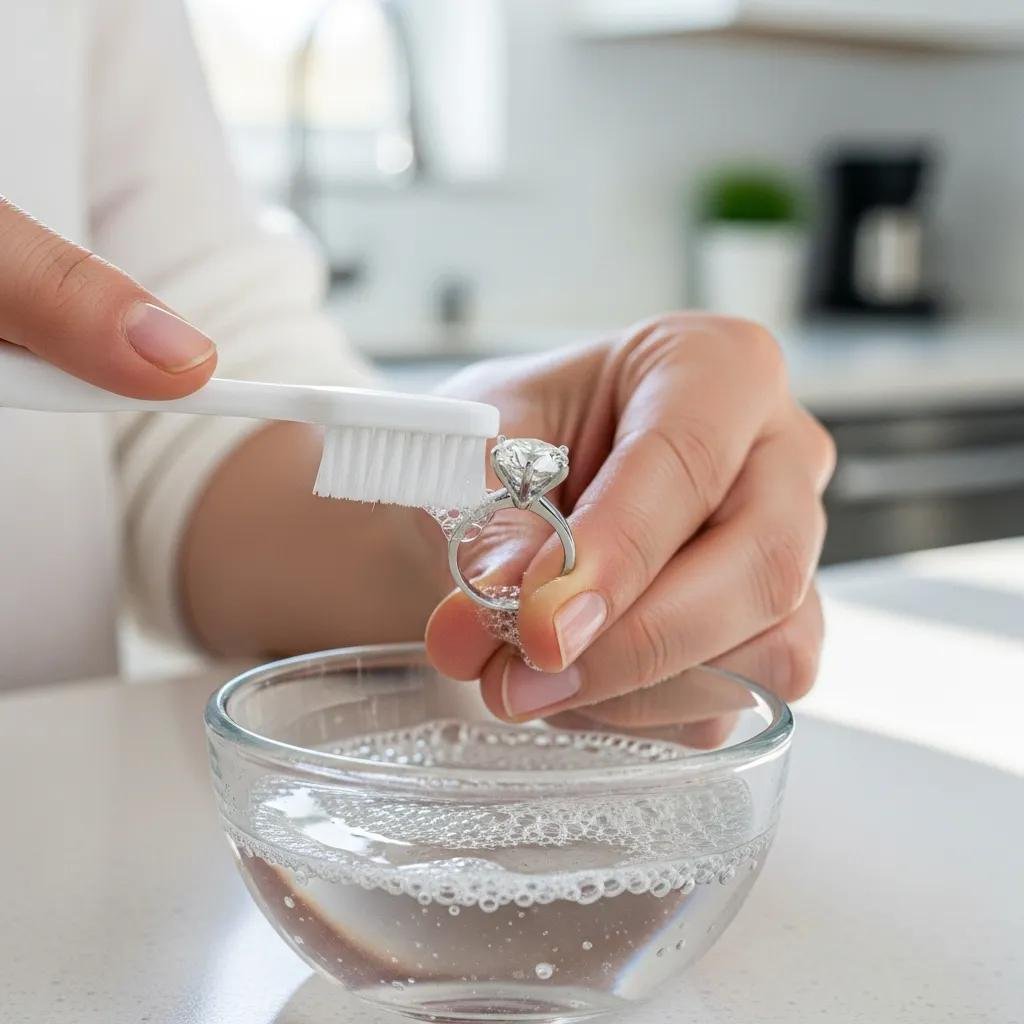
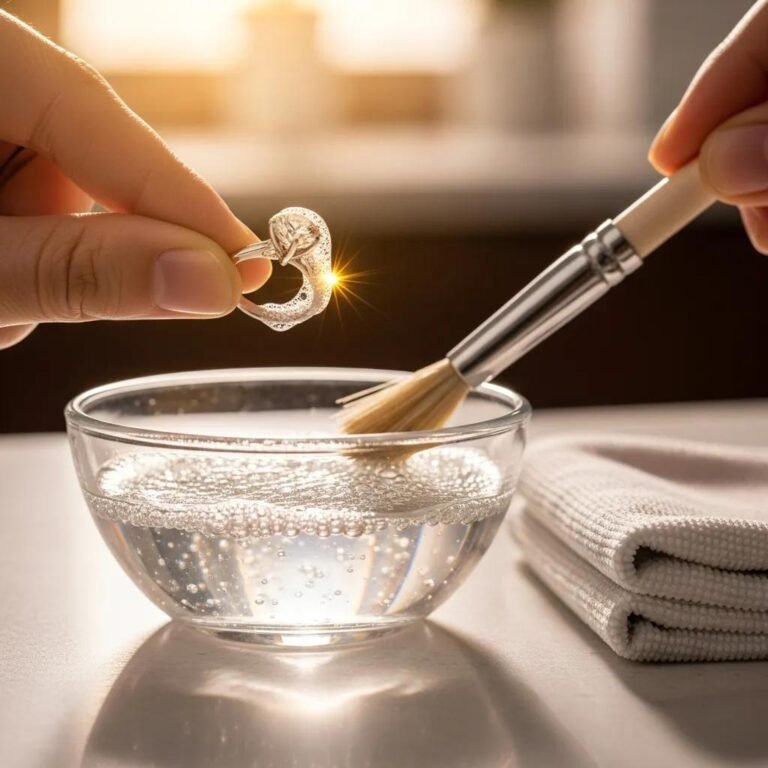
Cleaning lab-grown diamonds at home is straightforward and can be done with common household items. Regular cleaning helps maintain their brilliance and removes dirt and oils that accumulate over time.
- Prepare a Cleaning Solution: Mix a few drops of mild dish soap with warm water in a bowl.
- Soak the Jewelry: Place your lab diamond jewelry in the solution for about 15-20 minutes.
- Gently Scrub: Use a soft-bristled toothbrush to gently scrub the diamond and its setting, paying attention to any crevices.
- Rinse and Dry: Rinse the jewelry under warm running water and dry it with a soft, lint-free cloth.
What Are the Best Cleaning Solutions and Tools for Lab Diamond Care?
For optimal cleaning, consider using the following solutions and tools:
- Mild Dish Soap: Safe for regular cleaning without harsh chemicals.
- Soft-Bristled Toothbrush: Ideal for reaching small areas and settings.
- Lint-Free Cloth: Prevents scratches while drying.
Can You Use Ultrasonic Cleaners and What Are Safe Cleaning Practices?
Ultrasonic cleaners can be effective for cleaning lab diamonds, but caution is advised. While they can remove dirt and grime effectively, ensure that your jewelry is securely set and free from any loose stones before using this method. Always follow the manufacturer’s instructions and avoid using ultrasonic cleaners for pieces with delicate settings or other gemstones. For further professional jewelry cleaning recommendations, consult reputable gemological organizations.
What Are the Best Practices for Protecting and Storing Lab Diamond Jewelry?
Proper storage and protection of lab diamond jewelry are essential to prevent scratches and damage.
- Store Separately: Keep lab diamonds in a soft pouch or a separate compartment in your jewelry box to avoid contact with other pieces.
- Avoid Exposure to Chemicals: Keep your jewelry away from harsh chemicals found in cleaning products, perfumes, and lotions, as these can dull the diamond’s brilliance.
How Should You Store Lab Diamonds to Prevent Scratches and Damage?
To prevent scratches, store your lab diamond jewelry in a soft-lined box or a fabric pouch. Avoid placing multiple pieces in the same container, as they can scratch each other. Additionally, consider using a jewelry organizer with separate compartments for each piece.
Which Chemicals and Activities Should Be Avoided to Maintain Lab Diamond Brilliance?
Certain chemicals can harm the surface of lab diamonds, dulling their shine. Avoid exposure to:
- Chlorine: Commonly found in swimming pools and cleaning products.
- Bleach: Can cause damage to metal settings and potentially affect the jewelry’s appearance.
- Acids: Found in some household cleaners.
When and Why Should You Seek Professional Care for Your Lab Grown Diamonds?
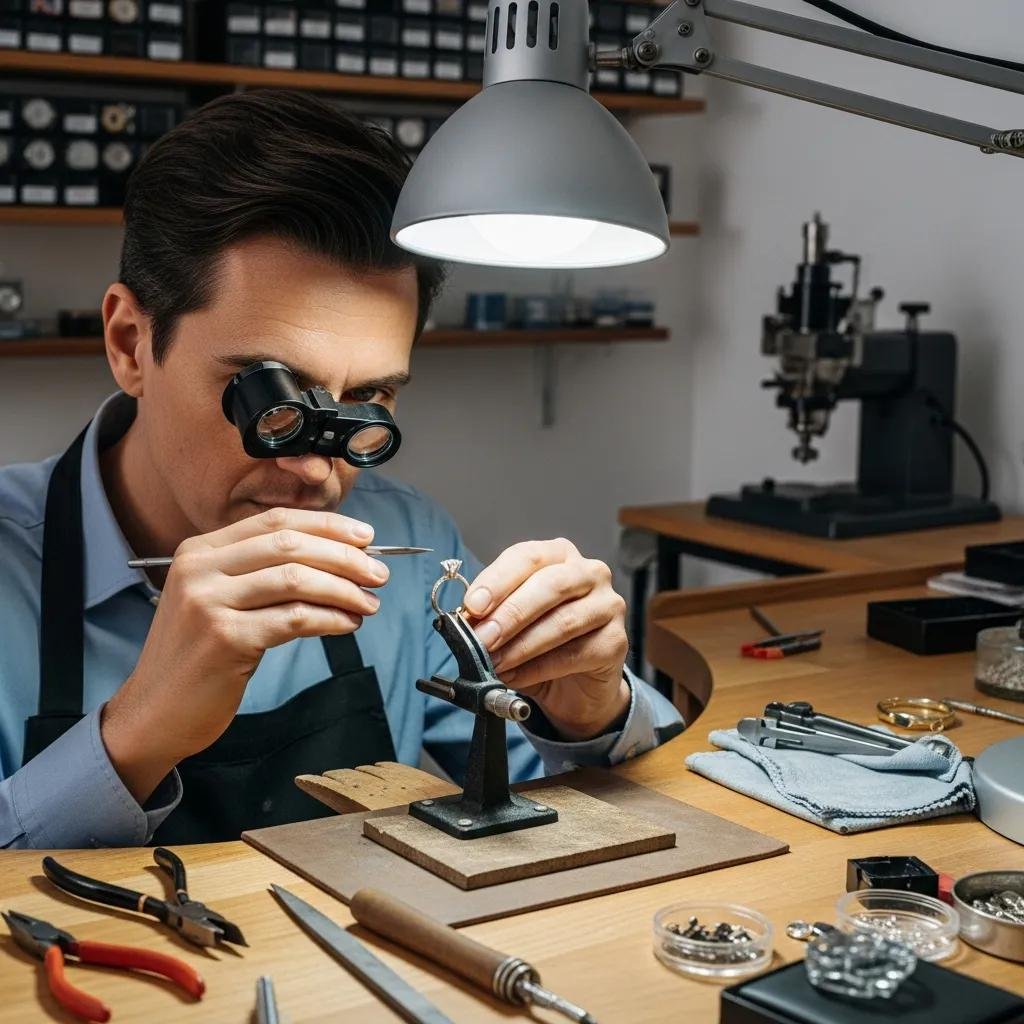
While regular at-home care is essential, professional maintenance is also important for preserving the integrity of your lab diamond jewelry.
- Inspection: Have your jewelry inspected by a professional jeweler every 6-12 months to check for loose stones and wear on the setting.
- Deep Cleaning: Professional cleaning can remove buildup that home methods may miss.
How Often Should You Have Your Lab Diamond Jewelry Professionally Inspected and Cleaned?
It is recommended to have your lab diamond jewelry professionally inspected and cleaned at least once a year. This ensures that any potential issues are addressed before they become significant problems, helping to maintain the jewelry’s beauty and value.
What Are the Benefits of Professional Maintenance for Long-Term Lab Diamond Sparkle?
Professional maintenance not only enhances the sparkle of your lab diamonds but also extends their lifespan. Regular inspections can identify issues such as loose settings or scratches, allowing for timely repairs. This proactive approach helps preserve the jewelry’s value and ensures it remains a cherished piece for years to come.
How Does Proper Care of Lab Diamonds Support Ethical and Sustainable Jewelry Values?
Caring for lab diamonds aligns with the values of sustainability and ethical sourcing. By maintaining your jewelry, you contribute to a more sustainable approach to luxury.
- Longevity: Proper care extends the life of your jewelry, reducing the need for replacements.
- Ethical Sourcing: Lab diamonds are created in controlled environments, minimizing environmental impact compared to traditional mining.
Why Is Sustainable Care Important for Lab Grown Diamonds and Ethical Jewelry?
Sustainable care practices ensure that lab diamonds remain a responsible choice for consumers. By taking care of your jewelry, you support the ethical values associated with lab-grown diamonds, promoting a more sustainable jewelry industry.
This commitment to sustainability and ethical practices is a core reason for the growing appeal of lab-grown diamonds, reflecting a broader shift in consumer values.
Lab-Grown Diamonds: Sustainable & Ethical Jewelry Choice
Lab-grown diamonds will see the transformation of the global gem industry: a shift toward sustainable and ethical alternatives to natural diamonds. These results suggest that consumer preferences are more aligned with shared values and attributes of the product, like eco-friendliness and affordability, rather than demographic factors.
New Era of Lab Grown Diamond, J Vidani, 2024
How Does Longevity Through Care Reduce Environmental Impact Compared to Replacements?
Maintaining your lab diamond jewelry reduces the environmental impact associated with producing new pieces. By extending the life of your existing jewelry, you minimize waste and the demand for new resources, supporting a more sustainable future.
The environmental benefits of lab-grown diamonds, particularly in contrast to traditional mining, are a key aspect of their sustainable appeal.
Lab-Grown Diamonds: A Sustainable & Ethical Alternative
Nevertheless, conventional diamond mining is rife with environmental and ethical concerns. Lab-grown diamonds present a sustainable alternative to deep-seated diamond mining by simulating natural conditions to produce the precious stones above ground in a span of six weeks. The emergence of lab-grown diamonds in Surat and its potential repercussions are examined in this article.
Sustainable Sparkle: The Emergence and Impact of Lab-Grown Diamonds in India’s
Diamond Capital, AS George, 2024
What Are Common Myths and Facts About Caring for Lab Created Diamonds?
Understanding the facts about lab diamond care can help dispel common myths and ensure proper maintenance.
- Myth: Lab diamonds require less care than natural diamonds.Fact: Both types of diamonds require similar care to maintain their brilliance.
- Myth: Lab diamonds are more prone to damage.Fact: Lab diamonds are just as durable as natural diamonds when cared for properly.
Do Lab Diamonds Require Less Care Than Natural Diamonds?
Lab diamonds do not require less care than natural diamonds. Both types benefit from regular cleaning and proper storage to maintain their beauty. Neglecting care can lead to dullness and potential damage, regardless of the diamond’s origin.
Can Lab Diamonds Lose Their Sparkle and How to Prevent It?
Yes, lab diamonds can lose their sparkle if not properly cared for. To prevent this, regularly clean your jewelry and avoid exposure to harsh chemicals. Following the recommended care practices will help ensure that your lab diamonds retain their brilliance for years to come.
| Cleaning Method | Effectiveness | Recommended Frequency |
|---|---|---|
| Mild Soap Solution | High | Weekly |
| Ultrasonic Cleaner | Medium | As needed, with caution |
| Professional Cleaning | Very High | Annually |
Lab diamonds are a beautiful and ethical choice for jewelry, but they require proper care to maintain their brilliance. By understanding their unique properties and following proper cleaning and storage practices, you can ensure that your lab diamond jewelry remains stunning for years to come. Regular professional maintenance further enhances their longevity, aligning with the values of sustainability and ethical sourcing.