How to Clean Ethical Jewelry Safely
How to Clean Ethical Jewelry Safely: Expert Guide to Caring for Lab-Grown Diamonds and Sustainable Jewelry
Cleaning ethical jewelry is essential for maintaining its beauty and longevity, especially when it comes to lab-grown diamonds and sustainable materials. This guide will provide you with effective methods and tips for cleaning your ethical jewelry safely, ensuring that you preserve its brilliance while adhering to environmentally friendly practices. Many jewelry owners struggle with the right cleaning techniques that won’t damage their pieces or the planet. By following the advice in this article, you can confidently care for your jewelry, keeping it looking its best for years to come. We will explore the importance of mindful cleaning, general principles for safe cleaning, specific methods for lab-grown diamonds, gold and silver jewelry, ethical gemstones, and eco-friendly cleaning solutions.
Why Is Mindful Cleaning Essential for Ethical Jewelry?
Mindful cleaning is crucial for ethical jewelry as it ensures that the materials used are treated with respect and care. Ethical jewelry often incorporates sustainable practices and materials, which can be sensitive to harsh cleaning methods. By understanding the importance of sustainability in cleaning, and exploring resources on eco-friendly jewelry cleaning practices, you can help preserve the integrity of your jewelry while also being environmentally conscious. Proper cleaning not only enhances the appearance of your jewelry but also extends its lifespan, allowing you to enjoy your pieces for longer.
What Makes Ethical Jewelry Different from Conventional Pieces?
Ethical jewelry is distinguished by its commitment to sustainable sourcing and production practices. Unlike conventional jewelry, which may involve conflict minerals or unethical labor practices, ethical jewelry prioritizes transparency and responsibility. This includes using lab-grown diamonds, recycled metals, and ethically sourced gemstones. Consumers are increasingly valuing these principles, making ethical jewelry a preferred choice for those who wish to make a positive impact through their purchases.
Indeed, the shift towards more conscious manufacturing and ethical consumption has significantly boosted the popularity of lab-grown diamonds.
The Rise of Ethical Lab-Grown Diamonds in Sustainable Jewelry
Since the luxury industry is migrating towards a more conscious way of manufacturing products and consumers are thriving towards ethical consumption and bold products, lab-grown diamond is gaining in popularity against the bleak stories of the mined ones. Keeping this epigram in spotlight, this article provides the complete view of how the industry is going to adapt to this new revolution. Lab-grown diamonds are diamonds that have been processed in laboratories thanks to almost 70 years of development.
Lab-grown diamond–the shape of tomorrow’s jewelry, 2021
How Does Proper Cleaning Preserve Jewelry Brilliance and Longevity?
Proper cleaning techniques are vital for maintaining the brilliance and longevity of ethical jewelry. Dirt, grime, and oils can accumulate on jewelry, dulling its shine and potentially causing damage over time. Regular cleaning helps to remove these contaminants, ensuring that your pieces remain radiant. Additionally, using the right cleaning methods can prevent scratches and other forms of wear, allowing your jewelry to retain its original beauty for years to come.
What Are the General Principles for Safe Ethical Jewelry Cleaning?
When it comes to cleaning ethical jewelry, there are several general principles to follow to ensure safety and effectiveness. These principles focus on using gentle cleaning agents, avoiding harsh chemicals, and employing the right tools for the job. By adhering to these guidelines, and perhaps consulting GIA cleaning guidelines, you can maintain the integrity of your jewelry while effectively removing dirt and grime.
Which Cleaning Agents Are Safe for Ethical Jewelry?
Safe cleaning agents for ethical jewelry include mild soap solutions, warm water, and specialized jewelry cleaners that are free from harsh chemicals. These agents effectively clean without damaging the materials. For example, a mixture of warm water and a few drops of mild dish soap can be an excellent choice for cleaning most types of ethical jewelry. Always ensure that any cleaning product used is specifically designed for the type of jewelry you are cleaning.
What Chemicals and Practices Should Be Avoided?
Certain chemicals and practices should be avoided when cleaning ethical jewelry to prevent damage. Harsh chemicals such as bleach, ammonia, and abrasive cleaners can harm delicate materials and finishes. Additionally, practices like using toothbrushes with stiff bristles can scratch surfaces. For more tips on avoiding common care mistakes and preserving your jewelry, consider our expert advice and general consumer safety guidelines. Instead, opt for soft cloths and gentle brushes designed for jewelry cleaning to ensure that your pieces remain in pristine condition.
How Do You Clean Lab-Grown Diamonds Safely?
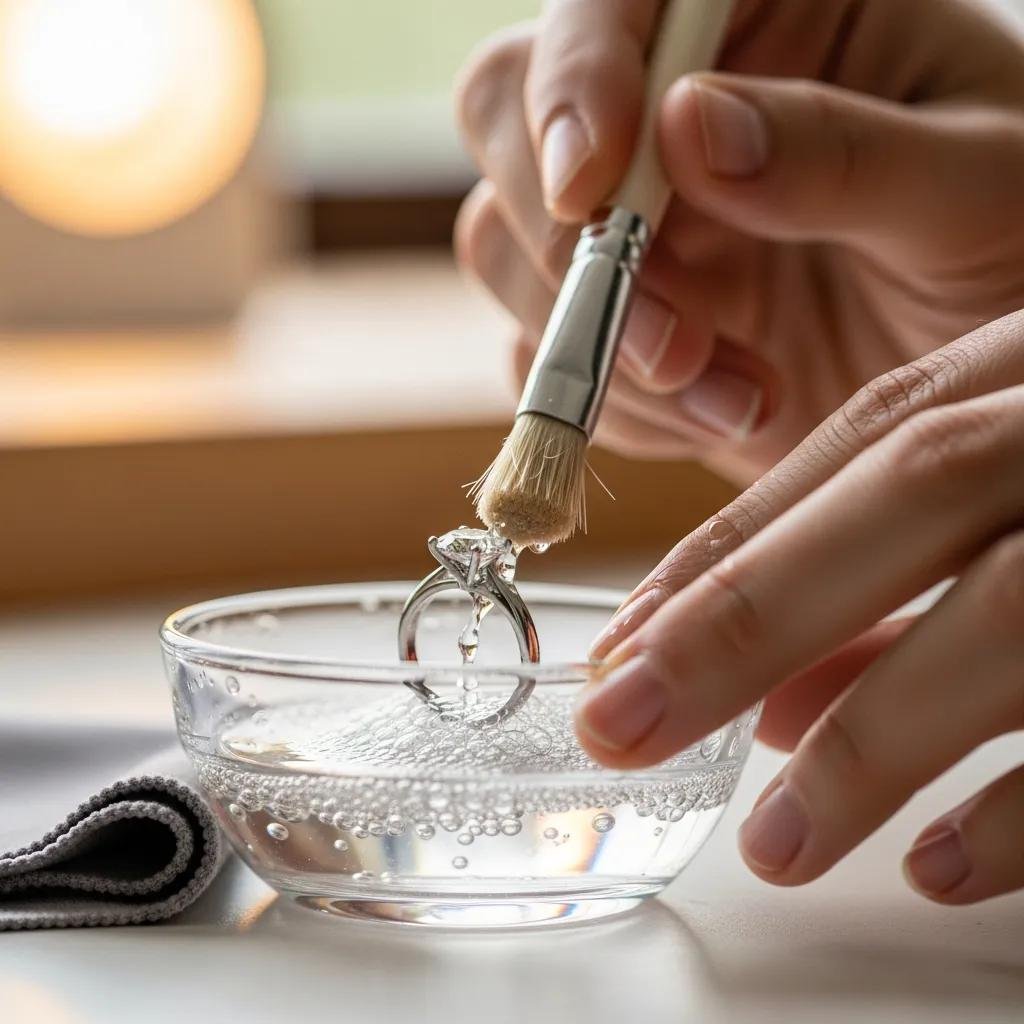
Cleaning lab-grown diamonds requires specific methods to ensure their brilliance is preserved without causing damage. These diamonds are durable but can still benefit from careful cleaning practices.
This focus on lab-grown diamonds is part of a larger industry transformation towards sustainable and ethical alternatives to traditional gems.
Lab-Grown Diamonds: Sustainable & Ethical Jewelry Alternatives
Lab-grown diamonds will see the transformation of the global gem industry: a shift toward sustainable and ethical alternatives to natural diamonds. This study examines the impact of age on various factors interacting with consumer perceptions, beliefs, and motivations toward lab grown diamonds.
New Era of Lab Grown Diamond, J Vidani, 2024
What Are the Step-by-Step Methods for Cleaning Lab-Grown Diamonds?
- Prepare a Cleaning Solution: Mix warm water with a few drops of mild dish soap in a bowl.
- Soak the Jewelry: Place the lab-grown diamond jewelry in the solution for about 15-20 minutes to loosen dirt.
- Gently Brush: Use a soft-bristled toothbrush to gently scrub the diamond and its setting, focusing on crevices where dirt may accumulate. For specific guidance on proper ring cleaning methods, especially for engagement rings, refer to our detailed guide.
- Rinse Thoroughly: Rinse the jewelry under warm running water to remove any soap residue.
- Dry with a Soft Cloth: Pat the jewelry dry with a soft, lint-free cloth to avoid scratches.
How to Maintain the Brilliance of Lab-Grown Diamonds Over Time?
To maintain the brilliance of lab-grown diamonds, regular cleaning is essential. Aim to clean your jewelry every few weeks, especially if worn frequently. For comprehensive guidance on protecting your lab grown diamonds beyond just cleaning, consider these additional measures. Additionally, store your diamonds separately in a soft pouch or lined box to prevent scratches from other jewelry. Regular inspections can also help identify any loose settings or damage early, allowing for timely repairs.
How Should You Clean Ethical Gold and Silver Jewelry?
Cleaning ethical gold and silver jewelry requires specific techniques to avoid tarnishing and damage. These metals can be sensitive to certain cleaning methods, so it’s important to use appropriate practices.
What Are the Best Practices for Cleaning Ethical Gold Jewelry?
- Use Mild Soap: Clean with a mixture of warm water and mild soap.
- Soft Cloth: Wipe the jewelry with a soft cloth to remove dirt and oils.
- Avoid Harsh Chemicals: Steer clear of abrasive cleaners that can scratch the surface.
These practices help maintain the shine and integrity of gold jewelry while ensuring it remains ethically sourced.
How Can You Safely Remove Tarnish from Ethical Silver Jewelry?
- Baking Soda Paste: Create a paste with baking soda and water, apply it to the tarnished areas, and gently rub with a soft cloth.
- Silver Polish: Use a non-abrasive silver polish specifically designed for jewelry.
- Avoid Abrasives: Never use steel wool or harsh scrubbing pads, as these can scratch the silver.
These methods effectively restore the shine of silver jewelry while preserving its ethical qualities.
What Are the Safe Cleaning Methods for Ethical Gemstones?
Cleaning ethical gemstones requires an understanding of the specific needs of different types of stones. Some gemstones are porous and require gentler cleaning methods.
How Do You Differentiate Cleaning for Porous vs. Non-Porous Gemstones?
Porous gemstones, such as opals and turquoise, absorb liquids and can be damaged by excessive moisture. Non-porous gemstones, like sapphires and diamonds, are more resilient. For porous stones, use a damp cloth to wipe them clean, avoiding soaking. Non-porous stones can be cleaned with mild soap and water, similar to lab-grown diamonds.
Which Cleaning Techniques Are Recommended for Common Ethical Gemstones?
Here are recommended cleaning techniques for common ethical gemstones:
| Gemstone | Recommended Cleaning Technique | Notes |
|---|---|---|
| Opal | Wipe with a damp cloth | Avoid soaking |
| Turquoise | Wipe with a damp cloth | Avoid soaking and exposure to chemicals |
| Sapphire | Clean with mild soap and water | Rinse thoroughly |
These techniques ensure that each gemstone is cared for according to its unique properties, preserving its beauty and ethical sourcing.
What Are Eco-Friendly Jewelry Cleaning Solutions and Storage Best Practices?
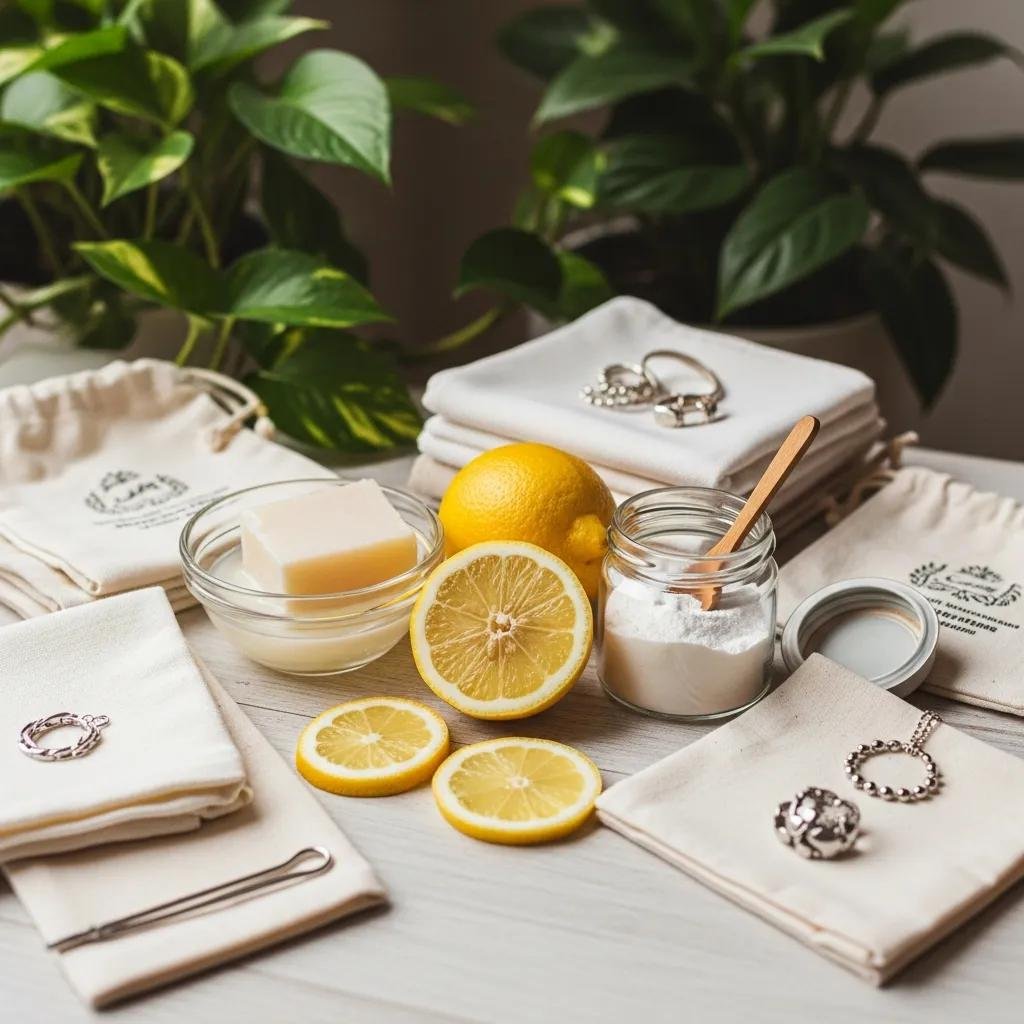
Using eco-friendly cleaning solutions and proper storage practices is essential for maintaining ethical jewelry. These methods not only protect your pieces but also align with sustainable practices. To understand more about the benefits of ethical jewelry care, explore our dedicated article.
Which DIY and Non-Toxic Products Are Recommended for Sustainable Jewelry Care?
- Mild Soap and Water: A mixture of warm water and mild dish soap is safe and effective for most jewelry. Discover more effective home cleaning techniques for your diamond pieces.
- Lemon Juice and Baking Soda: Lemon juice mixed with baking soda can help remove tarnish from silver but should be used cautiously and rinsed thoroughly.
- Olive Oil: A small amount of olive oil can be used to polish gold jewelry gently.
Avoid using vinegar on porous gemstones or delicate settings, as it can cause damage. These solutions are generally safe for both your jewelry and the environment, making them ideal for ethical jewelry care.
How Should You Store Ethical Jewelry to Prevent Damage and Tarnish?
Proper storage is crucial for preventing damage and tarnish. Here are some best practices:
- Separate Storage: Store each piece separately to avoid scratches.
- Use Soft Pouches: Place jewelry in soft pouches or lined boxes to protect from dust and moisture.
- Avoid Humidity: Keep jewelry in a cool, dry place to prevent tarnishing.
By following these storage practices, you can ensure that your ethical jewelry remains in excellent condition for years to come.