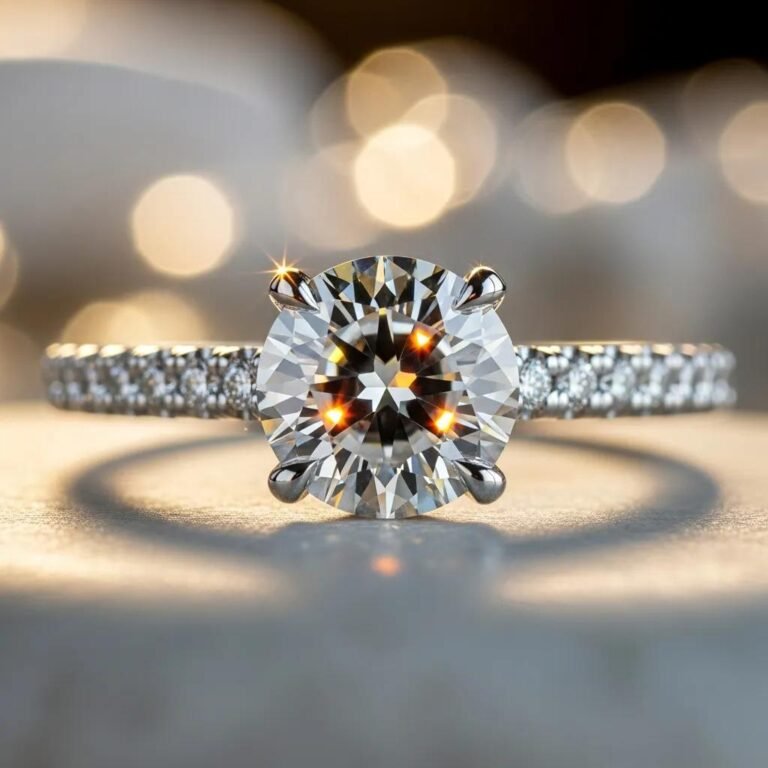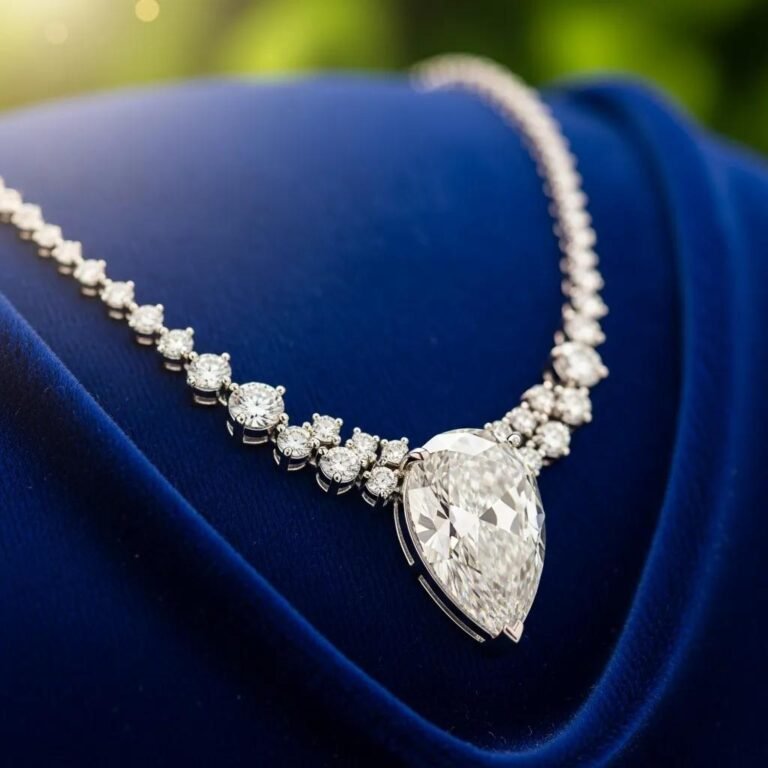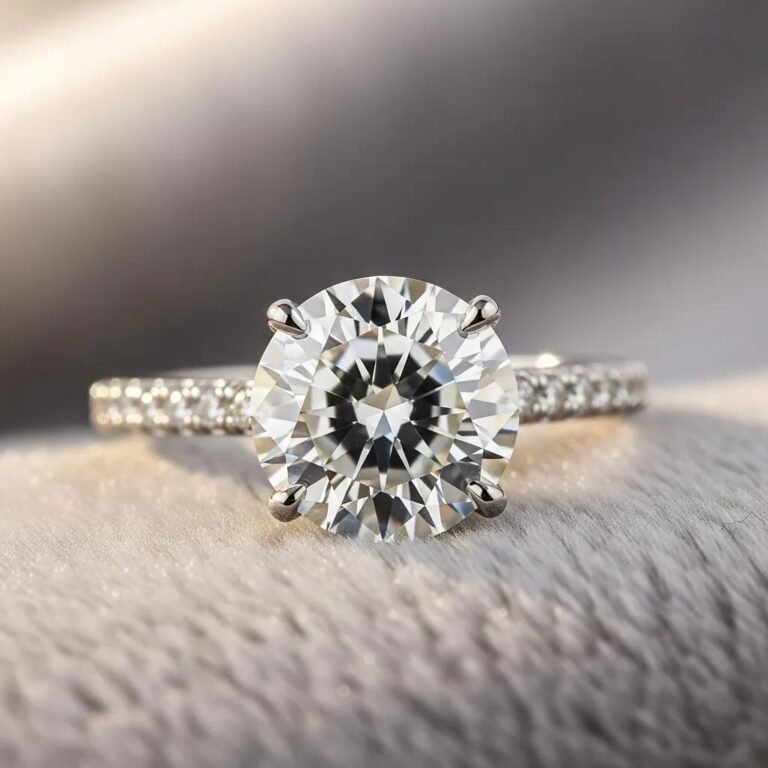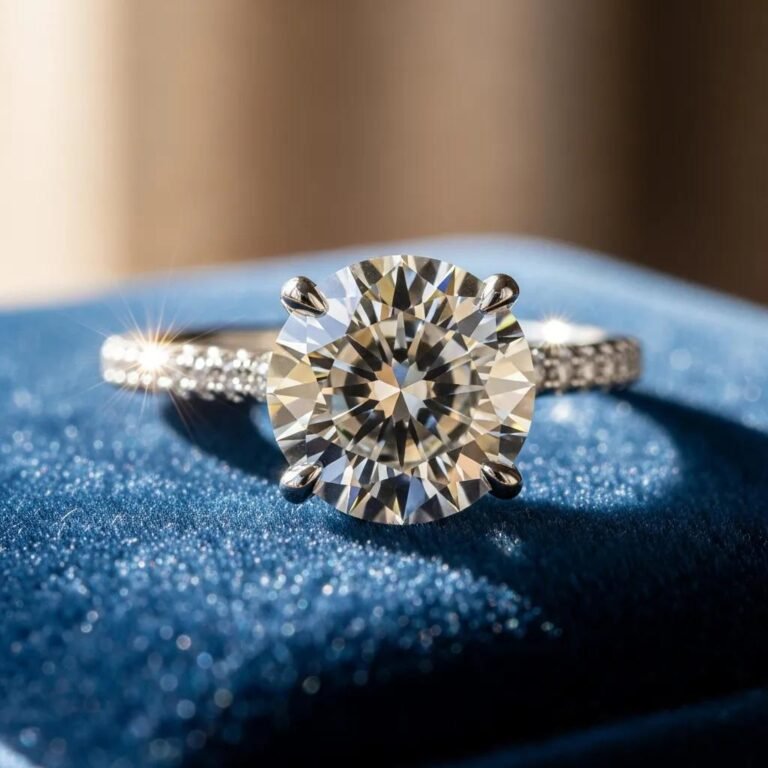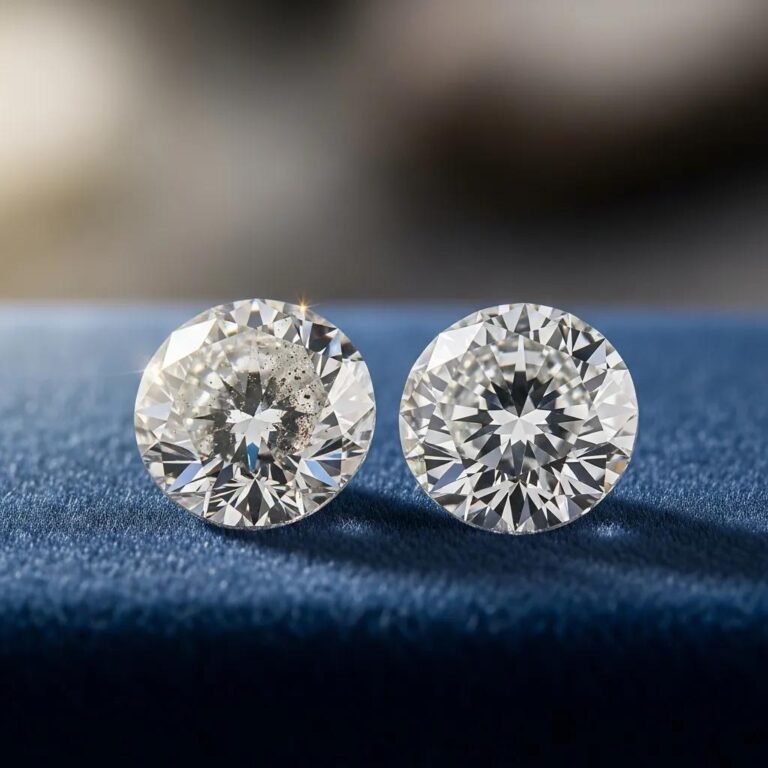
Why Invest in Lab Grown Diamonds Today?
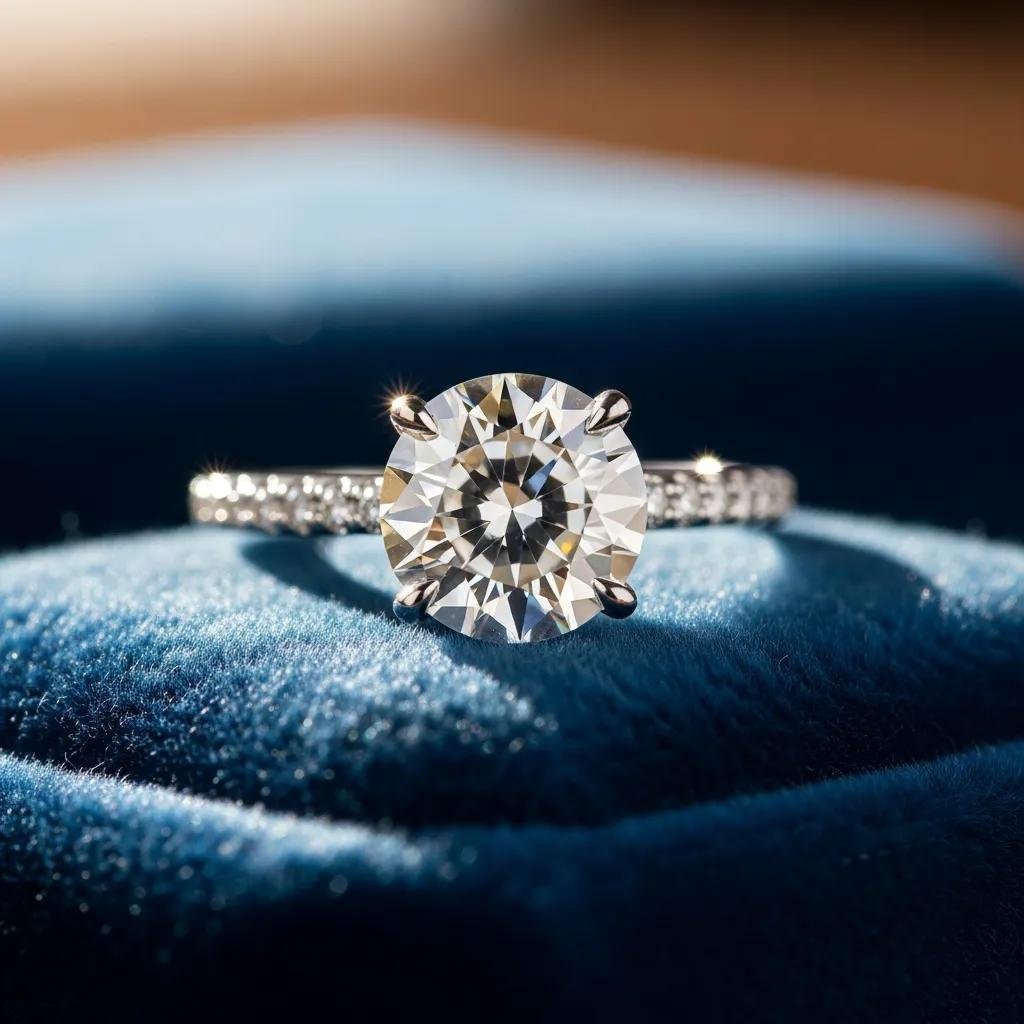
Why Invest in Lab Grown Diamonds Today? Discover Benefits, Market Trends, and Ethical Value
Lab grown diamonds have emerged as a compelling alternative to natural diamonds, offering a blend of ethical sourcing, cost-effectiveness, and high-quality craftsmanship. This article explores the myriad benefits of investing in lab grown diamonds, including their quality, durability, and financial advantages. As consumers become increasingly aware of the ethical implications of their purchases, lab grown diamonds present a solution that aligns with modern values. We will delve into the key benefits, market trends, and the ethical considerations that make lab grown diamonds a smart investment choice today. Additionally, we will discuss the resale value of these diamonds and address common misconceptions surrounding them.
What Are the Key Benefits of Lab Grown Diamonds?
Lab grown diamonds offer several advantages that make them an attractive option for consumers. These benefits include cost savings, ethical sourcing, and comparable quality to natural diamonds.
How Do Lab Grown Diamonds Compare in Quality and Durability?
Lab grown diamonds possess identical physical properties to natural diamonds, including hardness and brilliance. They are created using advanced technology that replicates the natural diamond formation process, resulting in stones that are chemically and structurally the same. On the Mohs scale of mineral hardness, lab grown diamonds score a perfect 10, making them exceptionally durable and suitable for everyday wear. Consumer satisfaction surveys indicate that many buyers find lab grown diamonds to be indistinguishable from their natural counterparts, reinforcing their appeal.
What Cost Savings Do Lab Grown Diamonds Offer Compared to Natural Diamonds?
One of the most significant advantages of lab grown diamonds is their cost-effectiveness. Typically, lab grown diamonds can be priced 30-40% lower than natural diamonds of similar size and quality. For example, a lab grown diamond ring may cost $1,500 compared to $2,500 for a natural diamond ring. This price difference allows consumers to invest in larger or higher-quality stones without exceeding their budgets, making lab grown diamonds an economically wise choice.
Further emphasizing the financial benefits, research indicates that lab-grown diamonds offer substantial cost reductions compared to their mined counterparts.
Lab-Grown Diamonds: Sustainable, Ethical, and Cost-Effective
Nevertheless, conventional diamond mining is rife with environmental and ethical concerns. Lab-grown diamonds present a sustainable alternative to deep-seated diamond mining by simulating natural conditions to produce the precious stones above ground in a span of six weeks. This allows for up to a 30% reduction in the cost of diamond production compared to conventional mining methods.
Sustainable Sparkle: The Emergence and Impact of Lab-Grown Diamonds in India’s
Diamond Capital, AS George, 2024
Why Are Ethical and Sustainable Lab Grown Diamonds a Smart Choice?
Investing in lab grown diamonds aligns with ethical and sustainable practices, appealing to a growing demographic of conscious consumers.
How Does Ethical Sourcing Impact Lab Grown Diamond Production?
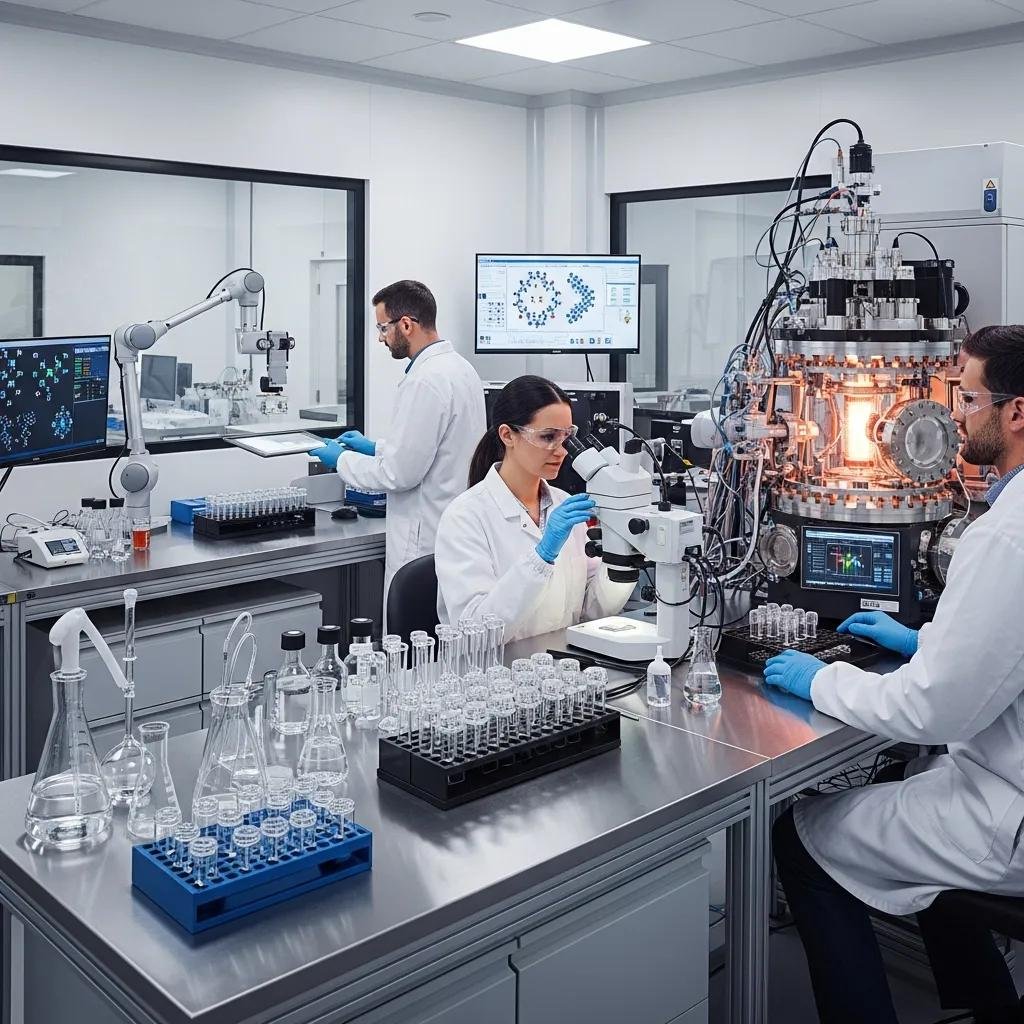
Lab grown diamonds are produced in controlled environments, ensuring transparency in sourcing and production. This process eliminates the risk of conflict diamonds, which are mined in war zones and sold to finance armed conflict. By choosing lab grown diamonds, consumers can support fair labor practices and contribute to a more ethical jewelry industry. Companies like GemsGlitz.com emphasize ethical sourcing and high-quality craftsmanship in their jewelry collections, reinforcing the value of responsible consumerism.
This commitment to ethical sourcing resonates strongly with modern consumers, particularly younger generations, who prioritize responsible consumption.
Lab-Grown Diamonds: Ethical Choice for Conscious Consumers
Since the luxury industry is migrating towards a more conscious way of manufacturing products and consumers are thriving towards ethical consumption and bold products, lab-grown diamond is gaining in popularity against the bleak stories of the mined ones. New generations of consumers increasingly recognized the importance of ethical consumption of a luxury product. Bitter lines in the news, child labor and conflicts such as “Blood diamonds” created an uncertain environment in which the new generation Gen Z, nowadays does not feel comfortable to buy unconsciously.
Lab-grown diamond–the shape of tomorrow’s jewelry, 2021
What Environmental Benefits Do Lab Grown Diamonds Provide?
The environmental impact of lab grown diamonds is significantly lower than that of mined diamonds. Traditional diamond mining can lead to habitat destruction, soil erosion, and water pollution. In contrast, lab grown diamonds require less land and water, resulting in a reduced carbon footprint. Studies indicate that lab grown diamonds can use up to 80-90% less water and produce fewer greenhouse gas emissions compared to their mined counterparts. This sustainability aspect makes lab grown diamonds an appealing choice for environmentally conscious consumers.
Beyond reduced water and emissions, the broader environmental advantages of lab-grown diamonds are substantial, contributing to significant ecological savings.
Lab-Grown Diamonds: Reducing Environmental Impact & Costs
In addition, we find that lab-grown diamonds can reduce annual GHG emissions, mineral waste, and water usage by 9.58 Mt, 421.06 Mt, and 66.70 million m3in 2100. The lab-grown diamond substitution policy can annually save 714 million cubic meters of landfill space, harvest 255 million kilograms of rice, feed 436 million people, and lift 1.19 million households out of hunger. The lab-grown diamond substitution policy could contribute to the diamond industry’s GHG mitigation and sustainability efforts in a cost-saving manner.
The environmental impacts and sustainable pathways of the global diamond industry, S Jiang, 2024
How Does the Lab Grown Diamond Market Trend Influence Investment Decisions?
The market for lab grown diamonds is experiencing rapid growth, driven by changing consumer preferences and increased awareness of ethical issues.
What Are the Current Market Growth Statistics for Lab Grown Diamonds?
Recent market analyses show that the lab grown diamond industry is projected to grow at a compound annual growth rate (CAGR) of around 15-20% in the coming years. This growth is fueled by rising consumer demand for sustainable and ethically sourced products. As more retailers begin to offer lab grown diamonds, the market is expected to expand further, making it a viable investment opportunity.
How Are Millennials and Gen Z Driving Lab Grown Diamond Popularity?

Millennials and Gen Z consumers are increasingly prioritizing ethical considerations in their purchasing decisions. These demographics are more likely to invest in lab grown diamonds due to their commitment to sustainability and social responsibility. Social media platforms play a crucial role in shaping these preferences, as influencers and brands promote the benefits of lab grown diamonds, further driving their popularity among younger consumers.
What Should You Know About Lab Grown Diamond Resale Value?
Understanding the resale value of lab grown diamonds is essential for potential investors.
Do Lab Grown Diamonds Retain Their Value Over Time?
Lab grown diamonds generally retain some value but tend to have lower resale values compared to natural diamonds. Factors such as market demand and the quality of the diamond can influence resale value. While lab grown diamonds may depreciate more significantly than natural diamonds, they often hold more value than many other luxury items, making them a reasonable investment for personal use rather than as an appreciating asset.
How Does Resale Value Affect the Overall Investment in Lab Grown Diamonds?
The resale value of lab grown diamonds can impact the overall investment strategy for buyers. Consumers should consider the potential for resale when purchasing a lab grown diamond, as this can affect long-term financial returns. Investing in high-quality lab grown diamonds from reputable retailers, such as GemsGlitz.com, can enhance the likelihood of retaining value over time, though resale markets remain less established than for natural diamonds.
How Are Lab Grown Diamonds Certified and Why Does It Matter?
Certification is crucial in ensuring the quality and authenticity of lab grown diamonds.
What Are the Differences Between GIA and IGI Lab Grown Diamond Certifications?
The Gemological Institute of America (GIA) and the International Gemological Institute (IGI) are two of the most recognized certification bodies for diamonds. GIA focuses on grading diamonds based on their cut, color, clarity, and carat weight, while IGI provides similar services with an emphasis on consumer education. Both organizations certify lab grown diamonds, but IGI is currently more prominent in lab grown diamond certification. Understanding these differences can help consumers make informed decisions when purchasing lab grown diamonds.
How Does Certification Ensure Quality and Authenticity?
Certification provides assurance of a diamond’s quality and authenticity, which is essential for consumer confidence. A certified lab grown diamond has undergone rigorous testing and evaluation, ensuring that it meets specific standards. This certification process not only protects consumers but also enhances the overall value of the diamond, making it a more attractive investment.
What Common Myths About Lab Grown Diamonds Should You Know?
Despite their growing popularity, several misconceptions about lab grown diamonds persist.
Are Lab Grown Diamonds Real and Durable?
Yes, lab grown diamonds are real diamonds. They possess the same physical and chemical properties as natural diamonds, making them equally durable. The misconception that lab grown diamonds are inferior often stems from a lack of understanding about their production process. In reality, lab grown diamonds are a legitimate and high-quality alternative to natural diamonds.
What Misconceptions Exist About Lab Grown Diamonds vs. Natural Diamonds?
Many consumers believe that lab grown diamonds lack the emotional value associated with natural diamonds. However, the significance of a diamond is often tied to the sentiment behind the purchase rather than its origin. Lab grown diamonds can carry the same emotional weight as natural diamonds, making them a meaningful choice for engagement rings and other significant jewelry pieces.
Different aspects of lab grown diamonds contribute to their appeal as a modern investment choice.
| Aspect | Benefit | Impact Level |
|---|---|---|
| Cost Savings | Lower price compared to natural diamonds | High |
| Ethical Sourcing | Conflict-free and fair labor practices | High |
| Environmental Impact | Reduced carbon footprint and resource use | Medium |
This table illustrates how lab grown diamonds provide significant advantages in terms of cost, ethics, and environmental sustainability, making them a compelling choice for today’s consumers.