The Hidden Costs of Unethical Gemstone Sourcing

The Hidden Costs of Unethical Gemstone Sourcing: Understanding Ethical Jewelry and Sustainable Alternatives
The world of gemstones is often shrouded in beauty and allure, yet beneath the surface lies a complex web of ethical dilemmas. This article delves into the hidden costs associated with unethical gemstone sourcing, shedding light on the human and environmental impacts of the industry. Readers will gain insights into the darker side of gemstone mining, including the exploitation of labor and the environmental degradation caused by mining practices. Furthermore, we will explore ethical jewelry alternatives, such as lab-grown diamonds, and how they provide sustainable options for conscientious consumers. By understanding these issues, individuals can make informed choices that align with their values. We will cover the human costs of unethical mining, the environmental impact, the issue of conflict diamonds, the benefits of lab-grown diamonds, and the certifications that define ethical sourcing.
What Are the Human Costs of Unethical Gemstone Mining?
Unethical gemstone mining is often associated with severe human rights abuses, particularly in developing countries. For more information on mining human rights impacts, consult leading human rights organizations. The exploitation of labor, including child labor, is a significant concern that affects entire communities. Many miners work under hazardous conditions, facing physical dangers and inadequate compensation. Understanding these human costs is crucial for consumers who wish to make ethical purchasing decisions.
How Does Child Labor Affect Gemstone Mining Communities?
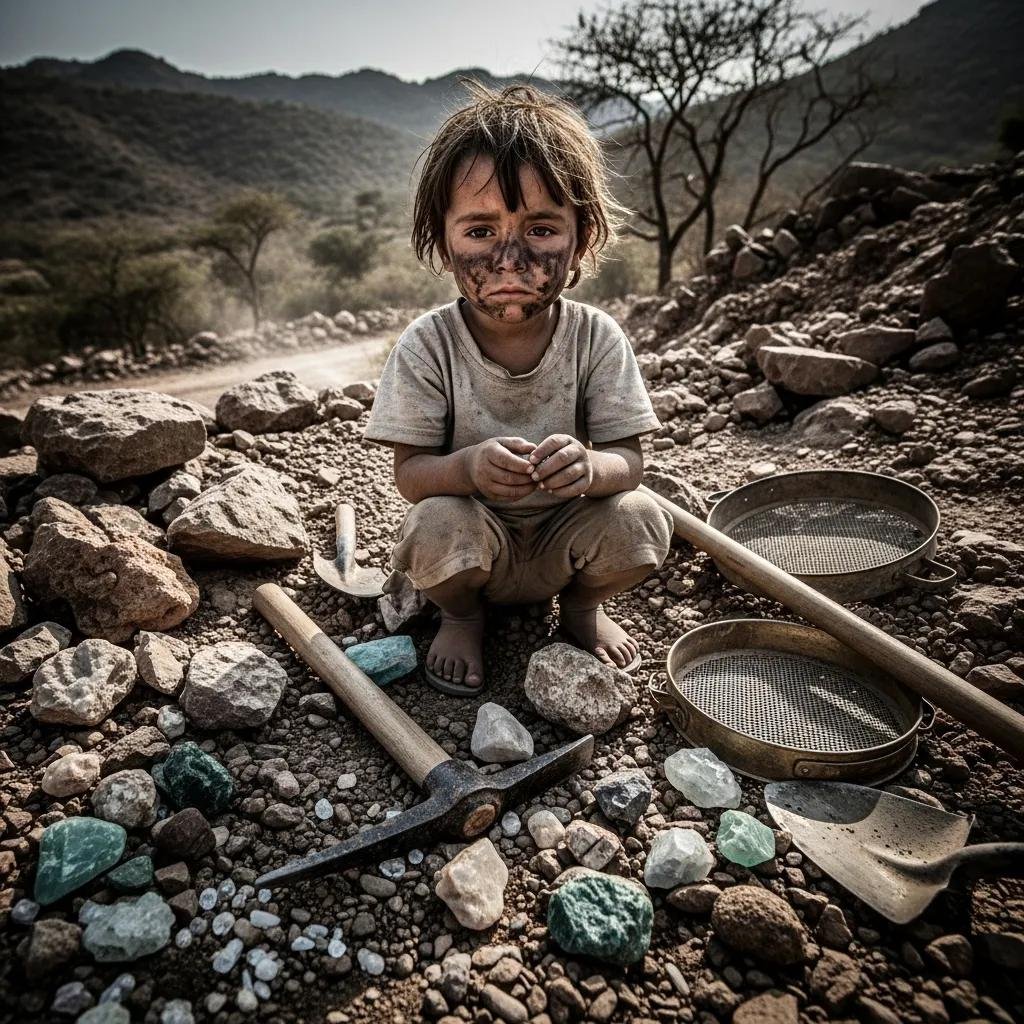
Child labor is present in some gemstone mining regions, where children may work in dangerous conditions. Estimates suggest that hundreds of thousands, rather than millions, of children are involved in mining activities globally, depriving them of education and a safe childhood. The long-term effects on these communities are devastating, as the cycle of poverty continues, and future generations remain at risk of exploitative conditions.
What Unsafe Working Conditions and Exploitation Occur in Mining?
Unsafe working conditions are common in the gemstone mining industry. Miners often work in unstable environments, risking their lives daily. Reports highlight instances of accidents, injuries, and fatalities due to inadequate safety measures. Additionally, exploitation is widespread, with workers receiving low wages that do not reflect the value of their labor. This systemic abuse underscores the urgent need for ethical sourcing practices.
How Does Gemstone Mining Impact the Environment?
The environmental consequences of gemstone mining are significant and varied. For detailed gemstone extraction environmental costs, refer to environmental research bodies. Mining activities can lead to deforestation, habitat destruction, and ecological disruption. Understanding these impacts is essential for recognizing the broader implications of gemstone sourcing.
What Are the Effects of Deforestation and Habitat Loss?
Deforestation can result from mining operations, which clear areas of land to access mineral deposits. This loss of forest cover threatens biodiversity and disrupts local ecosystems. The destruction of habitats can lead to the decline or extinction of various species, further exacerbating environmental degradation.
How Do Water Pollution and Soil Erosion Result from Mining?
Mining activities contribute to water pollution and soil erosion, which have detrimental effects on surrounding communities and ecosystems. Chemicals used in the extraction process can contaminate local water sources, posing health risks to nearby populations. Additionally, soil erosion caused by mining can lead to loss of arable land, impacting food security for local communities.
What Are Conflict Diamonds and Their Global Consequences?
Conflict diamonds, also known as blood diamonds, are gemstones mined in war zones and sold to finance armed conflict. To learn more about the conflict diamond trade, visit official resources. The implications of this trade extend beyond the immediate violence, affecting global markets and ethical standards in the jewelry industry.
How Do Conflict Diamonds Fund Armed Conflicts?
Conflict diamonds have historically been linked to funding brutal wars and human rights abuses. Rebel groups have exploited diamond resources to finance their operations, perpetuating cycles of violence and instability. This connection highlights the importance of ensuring that diamonds are sourced ethically and responsibly.
What Are the Limitations of the Kimberley Process?
The Kimberley Process was established in 2003 to prevent the trade of conflict diamonds; however, it has significant limitations. Critics argue that the process is often ineffective, as it fails to address the underlying issues of human rights abuses and environmental degradation. Strengthening this framework is essential for ensuring that diamonds are conflict-free and ethically sourced.
How Do Lab-Grown Diamonds Offer Ethical and Sustainable Alternatives?
Lab-grown diamonds present a viable alternative to mined gemstones, offering consumers a way to enjoy luxury without the ethical concerns associated with traditional mining. These diamonds are created in controlled environments, eliminating many negative impacts of mining.
What Are the Benefits of Lab-Grown Diamonds Compared to Mined Gems?
Lab-grown diamonds provide several advantages over their mined counterparts. They are often more affordable, as the production process is less costly. Additionally, lab-grown diamonds have a significantly lower environmental impact, as they do not contribute to habitat destruction or pollution. This makes them an attractive option for environmentally conscious consumers.
How Does GemsGlitz.com Ensure Ethical Sourcing and Transparency?
GemsGlitz.com positions itself as a provider of luxury, ethically sourced, and sustainable jewelry, with a notable focus on lab-grown diamonds. The company emphasizes transparency in its sourcing practices, ensuring that all products meet high ethical standards. By choosing GemsGlitz.com, consumers can feel confident that their purchases support ethical practices in the jewelry industry.
What Certifications and Practices Define Ethical Gemstone Sourcing?
Understanding the certifications and practices that define ethical gemstone sourcing is crucial for consumers who wish to make informed choices. Various organizations provide guidelines and standards to ensure that gemstones are sourced responsibly.
Which Certifications Guarantee Conflict-Free and Fair Trade Jewelry?
Several certifications exist to guarantee that gemstones are conflict-free and produced under fair trade conditions. These include the Kimberley Process Certification Scheme and Fair Trade certification, which aim to ensure that gemstones are sourced without contributing to human rights abuses or environmental degradation.
How Can Consumers Identify Sustainable Jewelry Practices?
Consumers can identify sustainable jewelry practices by looking for specific certifications and labels on products. Researching brands and their sourcing practices can also provide insight into their commitment to ethical standards. By making informed choices, consumers can support the movement towards more sustainable and ethical jewelry practices.