Understanding Ethical vs Traditional Diamond Sourcing

Understanding Ethical vs Traditional Diamond Sourcing: A Comprehensive Guide to Ethical Diamond Jewelry and Sustainable Practices
The diamond industry has long been associated with ethical dilemmas, particularly concerning labor practices and environmental impact. This comprehensive guide aims to clarify the differences between ethical and traditional diamond sourcing, highlighting the importance of responsible practices in the jewelry market. Readers will learn about the implications of diamond sourcing on communities and the environment, as well as the certifications that define ethical jewelry brands. Understanding these distinctions is crucial for consumers who wish to make informed choices about their jewelry purchases. This article will explore the definitions of ethical sourcing, the sustainability of lab-grown diamonds compared to mined diamonds, the challenges of traditional diamond mining, and how GemsGlitz.com exemplifies commitment to ethical practices.
What Is Ethical Diamond Sourcing and Why Does It Matter?
Ethical diamond sourcing refers to the procurement of diamonds in a manner that respects human rights, promotes fair labor practices, and minimizes environmental impact. This approach is essential as it ensures that the benefits of diamond mining extend to local communities rather than fueling conflict or exploitation. Ethical sourcing practices not only protect workers but also contribute to sustainable development in mining regions. The significance of ethical diamond sourcing lies in its potential to transform the industry, making it more transparent and accountable.
Further emphasizing the holistic nature of ethical practices, a recent study highlights the evolving concept of sustainability within the diamond industry’s value chain.
Sustainability & Ethics in the Diamond Industry Value Chain
Sustainability is an evolving concept and, in order for businesses to become sustainable, it is essential to constantly improve activities of their value-chain accordingly. A sustainable business considers potential impact of their product, process and activities on the ‘triple bottom line’ of sustainability – environment, society and economy and makes gradual efforts to place these factors in complete harmony. This study is inspired by the current environmental and ethical movements, where companies should be aware of their business’s impacts on both internal and external environments as well as comply with arising regulations.
New Era of Lab Grown Diamond, J Vidani, 2024
How Does Ethical Sourcing Ensure Fair Labor and Human Rights?
Ethical sourcing guarantees fair labor practices by adhering to strict guidelines that protect workers’ rights. This includes ensuring safe working conditions, fair wages, and the prohibition of child labor. For instance, companies that engage in ethical sourcing often conduct regular audits and collaborate with local organizations to uphold human rights standards. By prioritizing these practices, ethical brands contribute to the well-being of communities involved in diamond mining, fostering a more equitable industry.
What Certifications Define Conflict-Free and Responsible Jewelry Brands?
Several certifications help define conflict-free and responsible jewelry brands, ensuring that consumers can make informed choices. Key certifications include the Kimberley Process Certification Scheme, which aims to prevent the trade of conflict diamonds, and the Responsible Jewellery Council certification, which focuses on ethical, social, and environmental practices. These certifications provide consumers with assurance that their purchases support ethical sourcing and contribute positively to the communities involved in diamond production.
How Do Lab Grown Diamonds Compare to Mined Diamonds in Sustainability and Ethics?
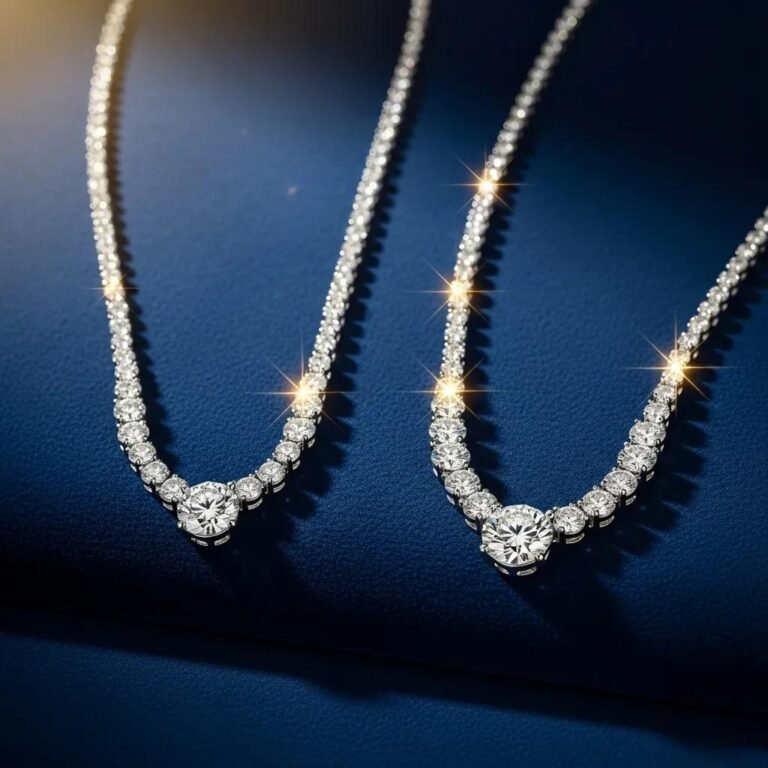
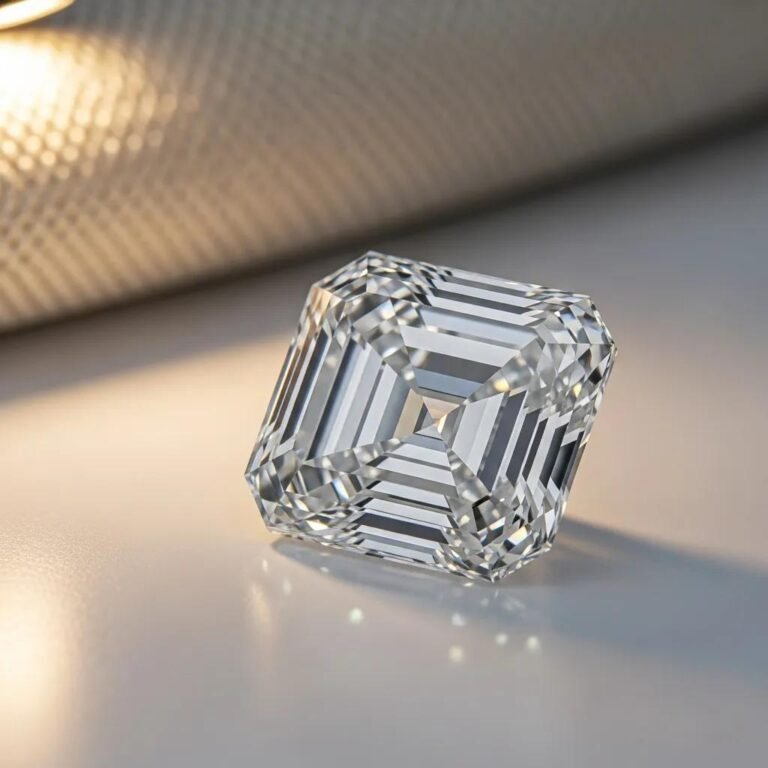
Lab-grown diamonds are created using advanced technology that replicates the natural diamond formation process, offering a sustainable alternative to mined diamonds. These diamonds have a significantly lower environmental impact, as their production does not involve extensive land disruption or harmful mining practices. Additionally, lab-grown diamonds are often more affordable, making them an attractive option for consumers seeking ethical jewelry.
What Are the Environmental Benefits of Lab-Grown Diamonds?

The environmental benefits of lab-grown diamonds are substantial. Their production typically results in a lower carbon footprint compared to traditional mining, which can cause deforestation, habitat destruction, and soil erosion. Furthermore, lab-grown diamonds conserve natural resources by eliminating the need for extensive mining operations. This sustainable approach not only protects ecosystems but also reduces the overall environmental degradation associated with diamond sourcing.
How Do Cost and Quality Differ Between Lab-Grown and Natural Diamonds?
When comparing lab-grown and natural diamonds, cost and quality are two critical factors. Lab-grown diamonds are generally more affordable, often costing 20-30% less than their mined counterparts. In terms of quality, lab-grown diamonds are virtually identical to natural diamonds, possessing the same physical and chemical properties. This similarity allows consumers to enjoy the beauty and brilliance of diamonds while making a more sustainable choice.
What Are the Ethical Challenges and Practices in Traditional Diamond Mining?
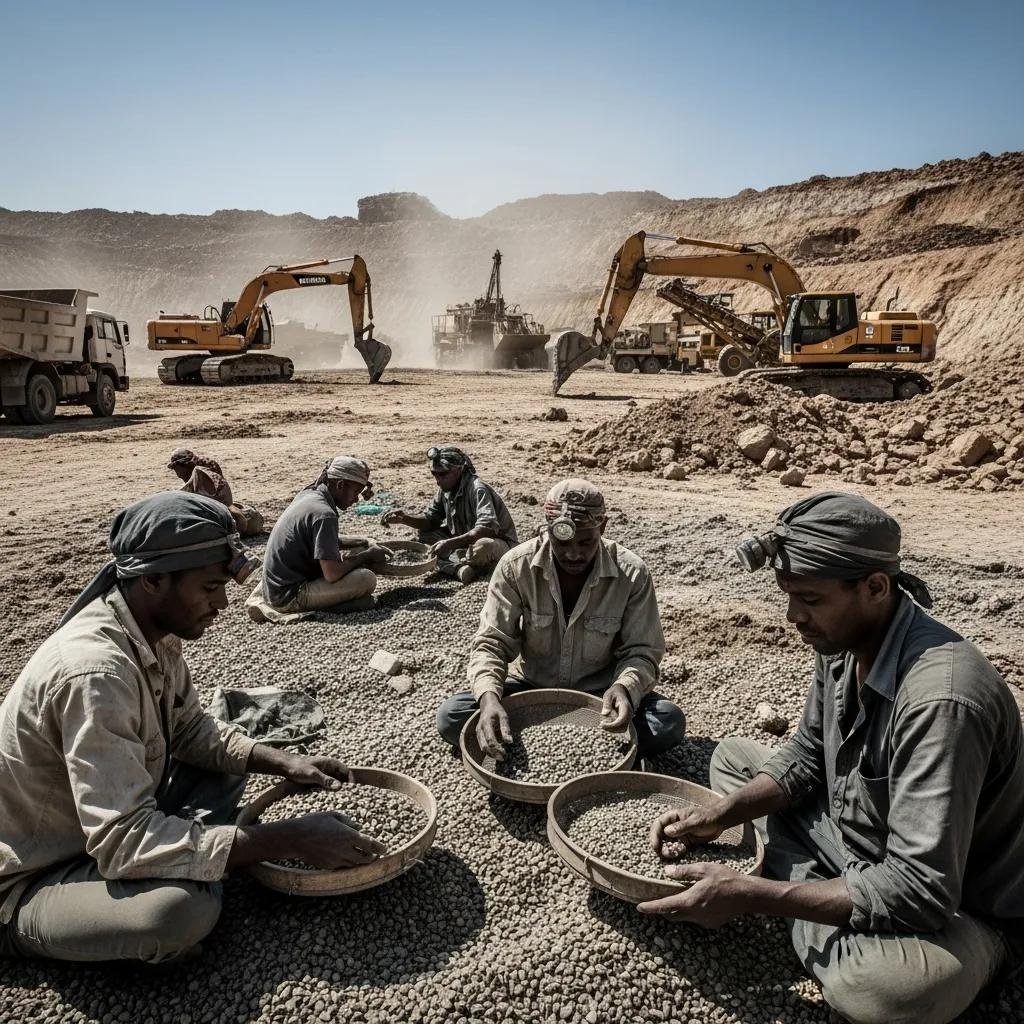
Traditional diamond mining faces numerous ethical challenges, including labor exploitation, environmental degradation, and the financing of conflict. These issues have led to significant scrutiny of the diamond industry, prompting calls for more responsible practices. Understanding these challenges is essential for consumers who wish to support ethical sourcing and contribute to positive change within the industry.
Indeed, the historical context of these challenges is further illuminated by research detailing past industry scandals and the ongoing need for transparent supply chains.
Diamond Industry Scandals, Certifications & Lab-Created Alternatives
Over the years, the diamond industry has been marked by hotly debated scandals concerning the exploitative conditions afflicting the countries where diamonds were mined and extracted. Despite the establishment of formal certifications (e.g. the Kimberley Process), nowadays the diamond supply chain is still not completely devoid of ambiguities. Therefore, this research focuses on a new sustainable alternative: the lab-created diamond.
Luxury and Sustainability: An Experimental Investigation Concerning the Diamond Industry, M de Angelis, 2021
How Does the Kimberley Process Address Conflict Diamonds?
The Kimberley Process is an international initiative aimed at preventing the trade of conflict diamonds, which are rough diamonds used by rebel movements to finance armed conflict against legitimate governments. This process requires participating countries to certify that their diamond exports are conflict-free. While the Kimberley Process has made strides in reducing the flow of conflict diamonds, it has faced criticism for loopholes, limited scope (it does not address human rights abuses outside conflict zones), and enforcement challenges, highlighting the need for continued vigilance and improvement in the industry.
What Are the Social and Environmental Impacts of Mined Diamonds?
Mined diamonds can have severe social and environmental impacts. Socially, mining operations often lead to the displacement of communities and the violation of workers’ rights. Environmentally, diamond mining can result in significant habitat destruction, water pollution, and soil degradation. These consequences underscore the importance of ethical sourcing practices that prioritize the well-being of both people and the planet.
How Does GemsGlitz.com Demonstrate Commitment to Ethical and Sustainable Diamond Jewelry?
GemsGlitz.com positions itself as a provider of luxury, ethically sourced, and sustainable jewelry, with a strong emphasis on lab-grown diamonds. The company aims to offer timeless beauty and quality while adhering to responsible sourcing practices. By prioritizing ethical sourcing, GemsGlitz.com not only supports fair labor practices but also contributes to environmental sustainability.
What Are GemsGlitz.com’s Lab Diamond Sourcing and Sustainability Initiatives?
GemsGlitz.com implements several initiatives to ensure its lab diamond sourcing aligns with sustainability goals. The company focuses on using eco-friendly production methods and partners with suppliers who adhere to ethical standards. By promoting lab-grown diamonds, GemsGlitz.com helps reduce the environmental impact associated with traditional mining while providing customers with high-quality, conflict-free options.
How Do Customer-Centric Services Enhance Trust in Ethical Jewelry?
Customer-centric services at GemsGlitz.com play a crucial role in building trust in ethical jewelry. The company emphasizes transparency in its sourcing practices, allowing customers to understand the origins of their diamonds. Additionally, GemsGlitz.com offers personalized consultations and educational resources to help consumers make informed decisions about their purchases, further enhancing trust and confidence in the brand.
How Can Consumers Make Informed Choices About Ethical Diamond Jewelry?
Consumers can make informed choices about ethical diamond jewelry by asking critical questions about sourcing and certification. Understanding the origins of diamonds and the practices of the brands they support is essential for promoting ethical sourcing in the industry. By being proactive in their research, consumers can contribute to a more responsible and sustainable diamond market.
What Questions Should Buyers Ask About Diamond Sourcing and Certification?
When considering a diamond purchase, buyers should ask several key questions to ensure ethical sourcing. These include inquiries about the diamond’s origin, the certifications held by the brand, and the company’s commitment to fair labor practices. By seeking this information, consumers can make choices that align with their values and support responsible sourcing.
How to Identify Responsible Jewelry Brands and Verify Ethical Claims?
Identifying responsible jewelry brands involves researching their sourcing practices and certifications. Consumers should look for brands that are transparent about their supply chains and have verifiable certifications, such as those from the Kimberley Process or the Responsible Jewellery Council. Additionally, reading customer reviews and seeking recommendations can help consumers find brands that prioritize ethical practices.