Lab-Grown vs Natural Diamond Necklaces: A Detailed Price Comparison

Lab-Grown vs Natural Diamond Necklaces: A Detailed Price Comparison for Informed Buyers
In the world of fine jewelry, the choice between lab-grown and natural diamond necklaces has become increasingly significant. This article delves into the key differences, pricing, and ethical considerations surrounding these two types of diamonds. Readers will gain a comprehensive understanding of how lab-grown diamonds compare to their natural counterparts, particularly in terms of quality, appearance, and price. As consumers become more conscious of their purchasing decisions, understanding the nuances between these options is essential. This guide will explore the differences in quality and sustainability, the price comparison, and the ethical implications of choosing lab-grown diamonds.
What Are the Key Differences Between Lab-Grown and Natural Diamond Necklaces?
Lab-grown diamonds are created in controlled environments using advanced technology that replicates the natural diamond formation process. In contrast, natural diamonds are formed over millions to billions of years deep within the Earth. The primary differences between these two types of diamonds lie in their origin, quality, and ethical implications.
How Do Lab-Grown Diamonds Compare to Natural Diamonds in Quality and Appearance?
Lab-grown diamonds possess the same physical, chemical, and optical properties as natural diamonds. They are graded using the same criteria, including cut, color, clarity, and carat weight. However, lab-grown diamonds often exhibit fewer inclusions and blemishes, making them appear more flawless. This quality can be visually indistinguishable from natural diamonds, especially to the untrained eye.
What Ethical and Sustainability Factors Distinguish Lab-Grown from Natural Diamonds?
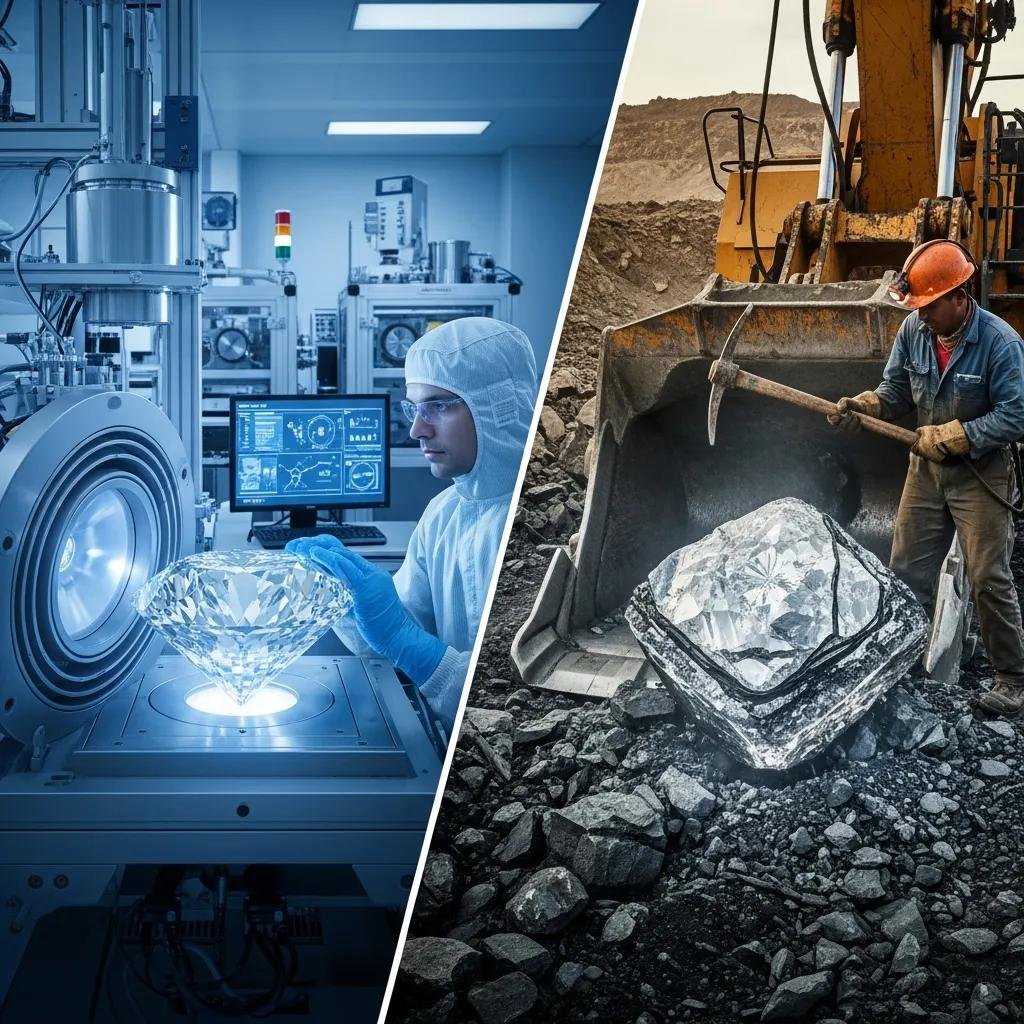
The production of lab-grown diamonds is generally considered more sustainable and ethical than natural diamond mining. Mining can lead to significant environmental degradation and often involves labor practices that raise ethical concerns. In contrast, lab-grown diamonds are produced with a lower environmental impact and do not contribute to the social issues associated with mining. This makes them an appealing choice for environmentally conscious consumers.
How Does the Price of Lab-Grown Diamond Necklaces Compare to Natural Diamond Necklaces?

When it comes to pricing, lab-grown diamond necklaces are typically more affordable than their natural counterparts. The price difference can be attributed to the lower production costs and the fact that lab-grown diamonds are not subject to the same market pressures as natural diamonds.
What Is the Average Cost Range for Lab-Grown Diamond Necklaces?
Lab-grown diamond necklaces generally range from $800 to $3,000, depending on the size and quality of the diamond. This price point is significantly lower than that of natural diamond necklaces, which can start at around $1,500 and go up to $10,000 or more for larger, high-quality stones.
How Does the Value of Natural Diamond Necklaces Affect Their Pricing?
The diamond value factors of natural diamond necklaces are influenced by rarity, market demand, and the historical significance of the stones. Natural diamonds are finite resources, and their scarcity often drives up prices. Additionally, the emotional and cultural value associated with natural diamonds can further enhance their market price, making them a luxury item.
Why Are Lab-Grown Diamond Necklaces Considered More Affordable?
Lab-grown diamonds are often seen as a more budget-friendly option for consumers seeking quality without the hefty price tag associated with natural diamonds.
What Factors Contribute to the Lower Cost of Lab-Grown Diamonds?
The lower cost of lab-grown diamonds can be attributed to several factors, including the efficiency of the production process and the absence of mining costs. Since lab-grown diamonds can be produced in a matter of weeks to months, they do not face the same supply chain challenges as natural diamonds, which can take millions to billions of years to form and years to mine and bring to market.
Indeed, studies confirm that the innovative production methods of lab-grown diamonds significantly reduce both environmental impact and manufacturing expenses.
Lab-Grown Diamonds: Sustainable, Ethical, and Cost-Reduced
Nevertheless, conventional diamond mining is rife with environmental and ethical concerns. Lab-grown diamonds present a sustainable alternative to deep-seated diamond mining by simulating natural conditions to produce the precious stones above ground in a span of six weeks. This allows for up to a 30% reduction in the cost of diamond production compared to conventional mining methods. Nevertheless, energy demands give rise to concerns regarding sustainability.
Sustainable Sparkle: The Emergence and Impact of Lab-Grown Diamonds in India’s
Diamond Capital, AS George, 2022
How Does Market Demand Influence Lab-Grown Diamond Necklace Pricing?
As consumer awareness of lab-grown diamonds increases, so does their demand. This growing popularity has led to a more competitive market, which helps keep prices lower. For detailed insights into diamond market trends, consult industry reports. Additionally, as technology advances, the cost of producing lab-grown diamonds continues to decrease, making them an increasingly attractive option for buyers.
This shift in market dynamics reflects a broader trend where consumer preferences are increasingly driven by values such as affordability and environmental responsibility.
Consumer Preferences for Affordable, Eco-Friendly Lab-Grown Diamonds
Lab-grown diamonds will see the transformation
of the global gem industry: a shift toward
sustainable and ethical alternatives to natural
diamonds. This study examines the impact of age
on various factors interacting with consumer
perceptions, beliefs, and motivations toward lab
grown diamonds. The study adopts a quantitative
approach for the testing of hypotheses in
determining whether there exists an association
between age and aspects like familiarity, quality
and appearance opinions, purchase motives, and
open-mindedness
towards
the
industry
revolution. Findings The analysis of weak and
statistically insignificant relationships across the
tested variables showed that attitudes towards
lab-grown diamonds are not significantly
determined by age. These results suggest that
consumer preferences are more aligned with
shared values and attributes of the product, like
eco-friendliness and affordability, rather than
demographic factors.
New Era of Lab Grown Diamond, J Vidani, 2024
What Are the Ethical and Environmental Benefits of Choosing Lab-Grown Diamond Necklaces?
Choosing lab-grown diamond necklaces not only supports ethical sourcing but also promotes sustainable jewelry practices.
How Do Lab-Grown Diamonds Support Sustainable Jewelry Practices?
Lab-grown diamonds are produced with significantly less environmental impact compared to mined diamonds. The energy and resources required for mining can lead to habitat destruction and pollution. In contrast, lab-grown diamonds can be created using renewable energy sources, making them a more sustainable choice for eco-conscious consumers.
What Ethical Concerns Are Associated with Natural Diamond Mining?
Natural diamond mining has been linked to various ethical issues, including human rights abuses and environmental degradation. The term “blood diamonds” refers to diamonds mined in war zones and sold to finance armed conflict. By choosing lab-grown diamonds, consumers can avoid supporting these unethical practices and contribute to a more sustainable industry.
This perspective is further supported by research highlighting the growing consumer demand for ethically sourced luxury products.
Lab-Grown Diamonds: Ethical Choice for Conscious Consumers
Since the luxury industry is migrating towards a more conscious way of manufacturing products and consumers are thriving towards ethical consumption and bold products, lab-grown diamond is gaining in popularity against the bleak stories of the mined ones. New generations of consumers increasingly recognized the importance of ethical consumption of a luxury product. Bitter lines in the news, child labor and conflicts such as “Blood diamonds” created an uncertain environment in which the new generation Gen Z, nowadays does not feel comfortable to buy unconsciously.
Lab-grown diamond–the shape of tomorrow’s jewelry, 2021
How Can Buyers Assess the Value and Authenticity of Lab-Grown vs Natural Diamond Necklaces?
Understanding how to assess the value and authenticity of diamond necklaces is crucial for making informed purchasing decisions. Utilize diamond price comparison resources to aid your decision.
What Certification and Grading Standards Apply to Lab-Grown Diamonds?
Lab-grown diamonds are graded using the same standards as natural diamonds, including the 4Cs: cut, color, clarity, and carat weight. Reputable sellers provide certification from recognized gemological laboratories, such as the Gemological Institute of America (GIA), International Gemological Institute (IGI), or the American Gem Society (AGS), ensuring that buyers receive a quality product.
How to Verify the Authenticity and Quality of Natural Diamond Necklaces?
To verify the authenticity of natural diamond necklaces, buyers should seek certification from reputable gemological institutions. Additionally, examining the diamond’s characteristics, such as inclusions and color, can help determine its quality.
Where Can Consumers Find the Best Deals on Lab-Grown and Natural Diamond Necklaces?
Finding the best deals on diamond necklaces requires research and comparison shopping.
What Retailers Offer Competitive Pricing for Lab-Grown Diamond Necklaces?
Many online retailers specialize in lab-grown diamonds, often offering competitive pricing due to lower overhead costs. Websites dedicated to ethical jewelry, such as Brilliant Earth and Clean Origin, provide a range of options for consumers looking for quality lab-grown diamond necklaces at affordable prices.
How to Compare Prices and Value Across Different Sellers of Natural Diamond Necklaces?
When comparing prices for natural diamond necklaces, consumers should consider factors such as certification, quality, and return policies. It’s essential to shop around and read reviews to ensure that the retailer offers fair pricing and quality products.