How to Clean Your Lab Grown Engagement Ring
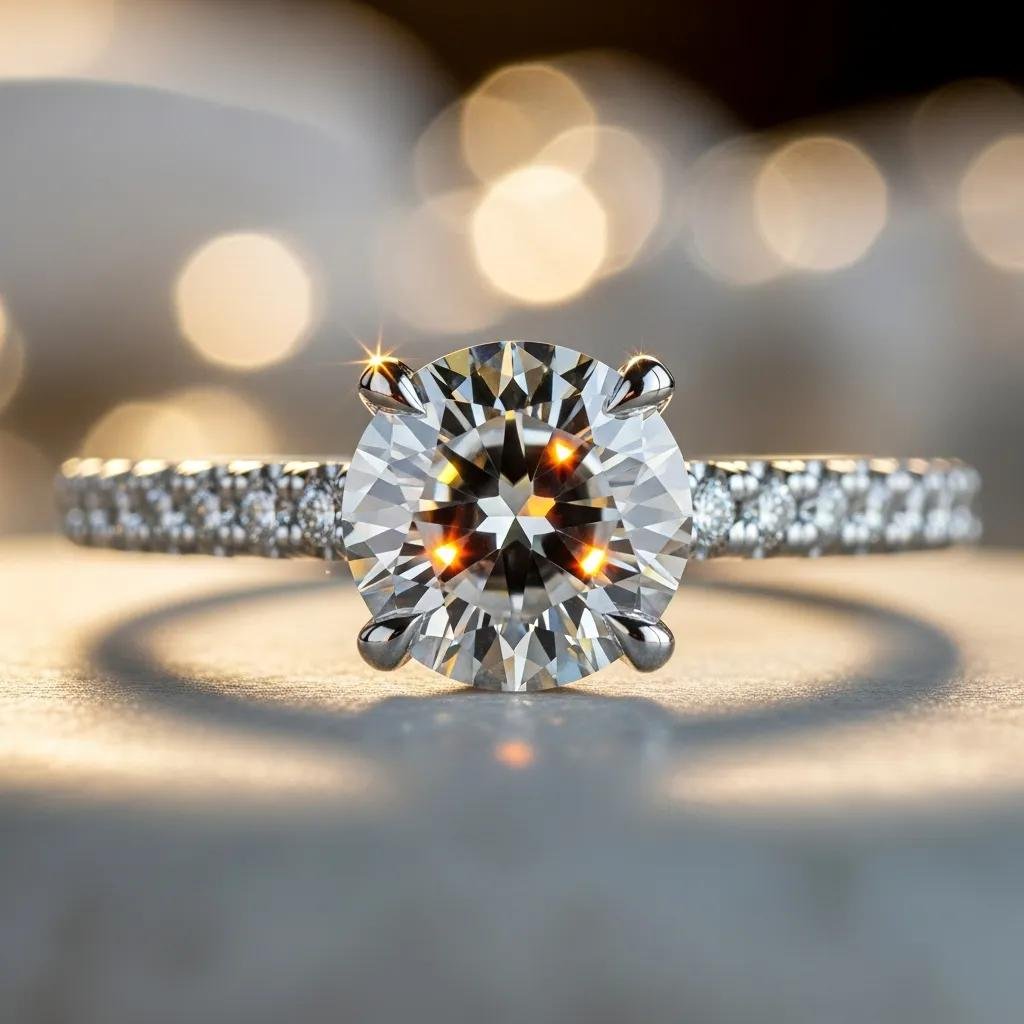
How to Clean Your Lab Grown Engagement Ring: Complete Lab Grown Diamond Care Guide
Cleaning your lab-grown engagement ring is essential for maintaining its beauty and longevity. Lab-grown diamonds, while durable, can accumulate dirt, oils, and residues that dull their sparkle over time. This comprehensive guide will provide you with effective cleaning methods, safe household products, and daily habits to keep your ring looking its best. By understanding the importance of regular cleaning and the best practices for care, you can ensure that your engagement ring remains a stunning symbol of your love. We will explore the reasons behind dirt accumulation, the best at-home cleaning methods, safe and unsafe household cleaners, daily maintenance habits, and when to seek professional help.
Why Is Regular Cleaning Essential for Your Lab Grown Diamond Engagement Ring?
Regular cleaning is crucial for preserving the beauty and integrity of your lab-grown diamond engagement ring. Over time, dirt, oils, and residues can accumulate, diminishing the ring’s sparkle and brilliance. This buildup not only affects the visual appeal but can also lead to long-term maintenance issues if left unaddressed.
What Causes Dirt and Residue to Accumulate on Lab Grown Diamonds?
Several factors contribute to the accumulation of dirt and residue on lab-grown diamonds. Skin oils, lotions, and environmental pollutants are common culprits. When you wear your ring, natural oils from your skin can transfer onto the diamond, creating a film that dulls its shine. Additionally, exposure to dust and other particles can further exacerbate this issue, making regular cleaning essential to maintain the ring’s clarity.
How Does Cleaning Preserve Your Ring’s Sparkle and Brilliance?
Cleaning your lab-grown diamond engagement ring helps restore its original sparkle by removing the buildup of dirt and oils. When the diamond is free from residues, light can pass through it more effectively, enhancing its brilliance and visual appeal. Regular cleaning not only keeps your ring looking beautiful but also helps you appreciate the craftsmanship and quality of the lab-grown diamond.
What Are the Best At Home Diamond Cleaning Methods for Lab Grown Rings?
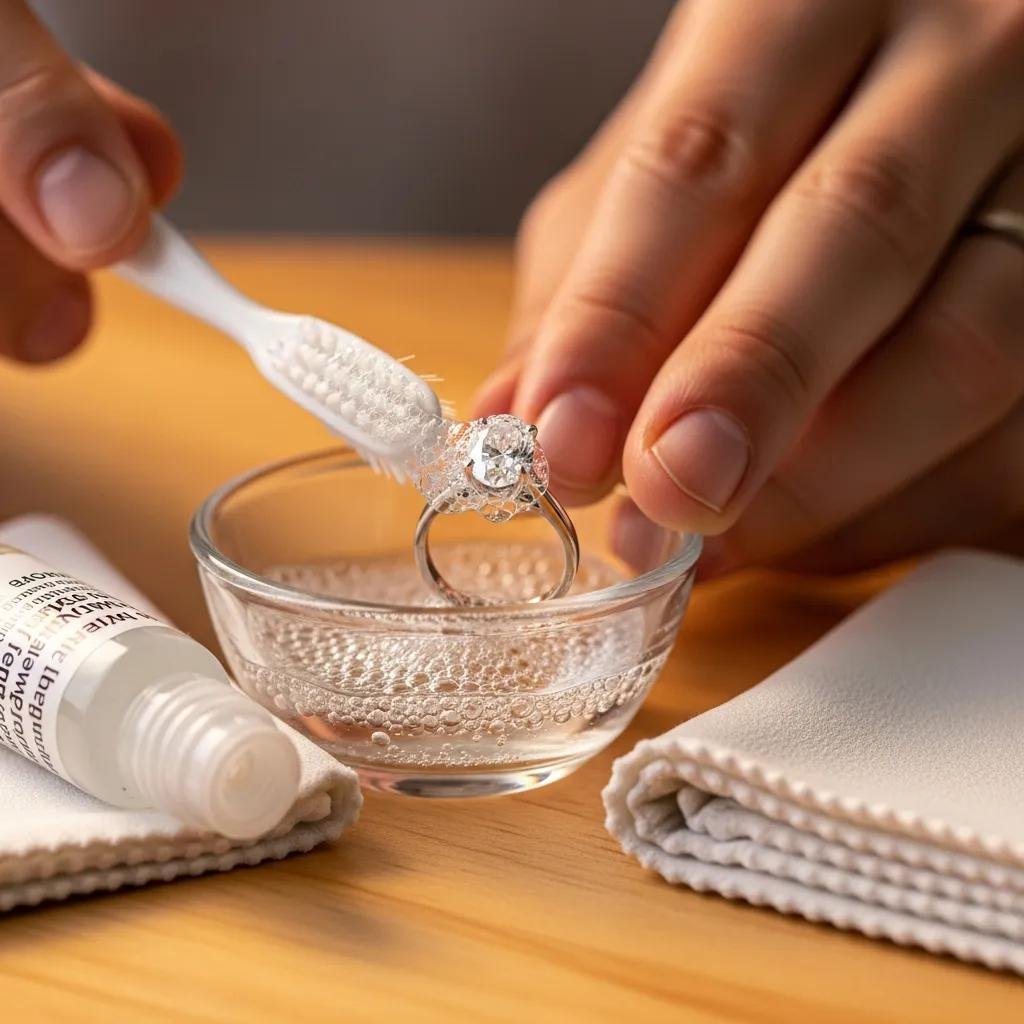
There are several effective at-home cleaning methods for maintaining your lab-grown engagement ring. These methods are safe, easy to implement, and can be done with common household items.
How to Use Mild Dish Soap and Warm Water for Safe Cleaning?
One of the simplest and safest methods for cleaning your lab-grown diamond ring is using mild dish soap and warm water. Here’s how to do it:
- Gather your materials: You will need a bowl, warm water, and a few drops of mild dish soap.
- Prepare the solution: Mix the warm water with the dish soap in the bowl.
- Soak the ring: Place your ring in the solution and let it soak for about 15-20 minutes.
- Gently scrub: Use a soft-bristled toothbrush to gently scrub the diamond and the band, paying attention to any crevices.
- Rinse and dry: Rinse the ring under warm running water and dry it with a lint-free cloth.
This method is effective for regular maintenance and can be done as often as needed.
When and How Should You Use Ultrasonic Cleaners for Lab Grown Diamonds?
Ultrasonic cleaners can be a powerful tool for cleaning lab-grown diamonds, but they should be used with caution. Here’s when and how to use them:
- Frequency of use: Ultrasonic cleaners are best used for deep cleaning every few months, rather than for daily maintenance.
- Preparation: Ensure your ring is secure in the cleaner’s basket to prevent it from moving around during the cleaning process.
- Follow instructions: Use the ultrasonic cleaner according to the manufacturer’s instructions, typically running it for a few minutes.
- Rinse thoroughly: After cleaning, rinse the ring under warm water to remove any cleaning solution residue.
While ultrasonic cleaners can effectively remove stubborn dirt, they may not be suitable for all types of jewelry, especially those with fragile settings or treatments, so always check the manufacturer’s guidelines.
Which Household Cleaners Are Safe and Which Should You Avoid for Engagement Rings?
When it comes to cleaning your lab-grown diamond engagement ring, not all household cleaners are safe. Understanding which products to use and which to avoid is crucial for maintaining your ring’s integrity.
Can You Use White Vinegar or Ammonia on Lab Grown Diamond Jewelry?
White vinegar and ammonia are common household cleaners, but their use on lab-grown diamonds should be approached with caution.
- White Vinegar: While it can effectively clean certain surfaces, it is generally safe for lab-grown diamonds when diluted. However, it should not be used frequently as it can affect some metal settings, especially those made of softer metals like gold or silver, over time.
- Ammonia: This cleaner can be effective for removing tough stains but is too harsh for regular use. It can damage certain metal settings and should be avoided unless diluted significantly and used sparingly.
What Harsh Chemicals and Abrasives Should You Never Use?
Certain harsh chemicals and abrasives can cause irreversible damage to your lab-grown diamond engagement ring. Avoid the following:
- Bleach and chlorine: These can weaken the metal settings and cause discoloration.
- Abrasive cleaners: Products with gritty textures can scratch the metal and potentially the diamond’s surface if it has any treatments.
- Strong solvents: Chemicals like acetone can damage the ring’s finish and should be avoided.
Using gentle cleaning methods will help preserve the beauty of your ring for years to come.
What Daily Habits Help Maintain Your Lab Grown Diamond’s Sparkle?
In addition to regular cleaning, adopting certain daily habits can help maintain the sparkle of your lab-grown diamond engagement ring.
How to Use Quick Wipes and Proper Handling to Protect Your Ring?
Using quick wipes designed for jewelry can be an effective way to maintain your ring’s shine. Here are some tips:
- Quick Wipes: Use lint-free wipes specifically made for jewelry to gently clean the diamond and band after wearing.
- Proper Handling: Always handle your ring by the band to avoid transferring oils from your fingers to the diamond.
These small habits can make a significant difference in keeping your ring looking its best.
Which Activities Should You Avoid While Wearing Your Lab Grown Engagement Ring?
Certain activities can put your lab-grown diamond engagement ring at risk of damage. Avoid the following:
- Gardening: Soil and debris can scratch the metal and get trapped in the setting.
- Swimming: Chlorine in pools can damage the metal and dull the diamond’s shine.
- Heavy lifting: Physical strain can loosen the setting and increase the risk of losing the diamond.
By being mindful of these activities, you can help protect your ring from unnecessary wear and tear.
When Should You Seek Professional Cleaning and Inspection for Your Lab Grown Ring?
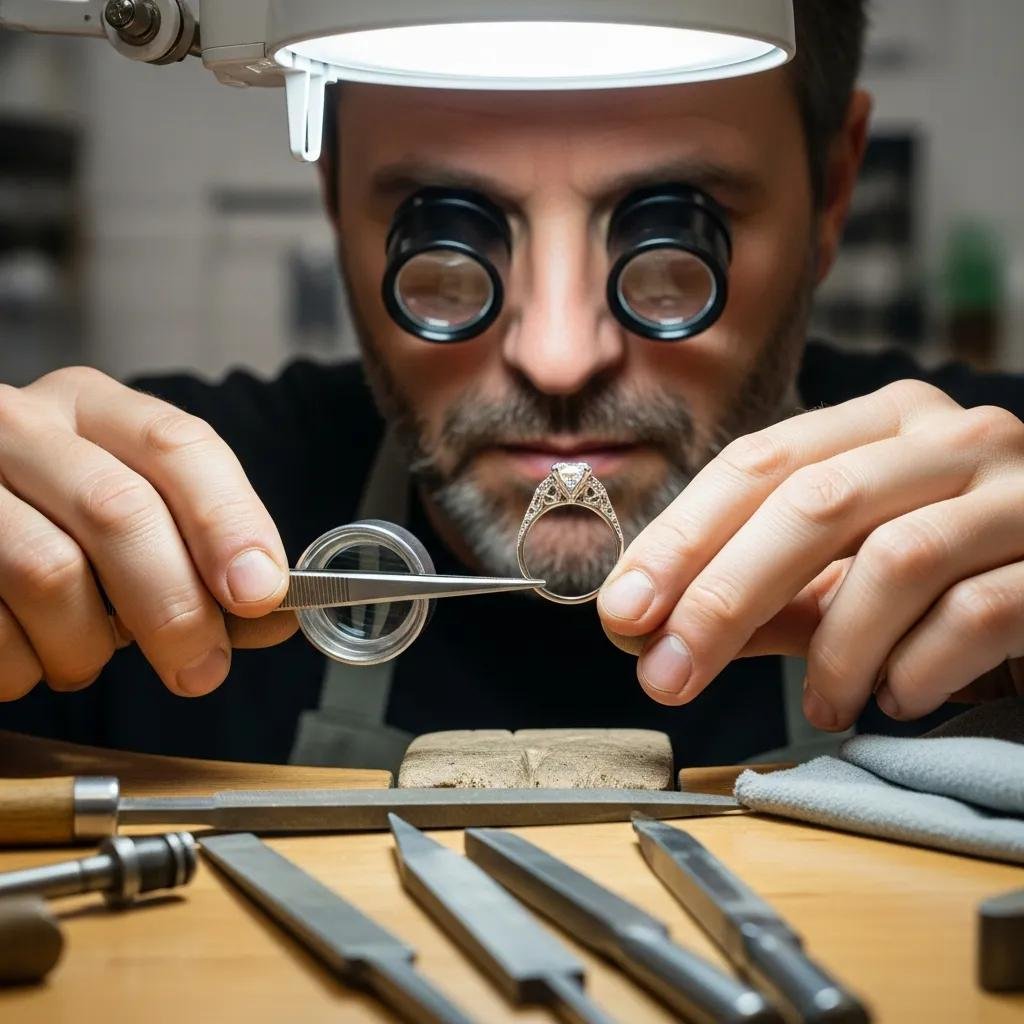
While at-home cleaning is effective, there are times when professional help is necessary to ensure your lab-grown diamond engagement ring remains in top condition.
How Often Should Jewelers Inspect Your Ring for Loose Stones or Damage?
It is recommended to have your ring inspected by a jeweler every six months to a year. Regular inspections can help identify any loose stones or damage before they become serious issues.
What Are the Benefits of Professional Cleaning Compared to At-Home Methods?
Professional cleaning offers several advantages over at-home methods:
- Thoroughness: Jewelers have access to specialized equipment that can clean your ring more effectively than home methods.
- Expertise: Professionals can identify potential issues, such as loose stones or damage, that you may not notice.
- Restoration: Professional cleaning can restore your ring to its original brilliance, making it look as good as new.
Investing in professional care can prolong the life of your engagement ring and keep it looking stunning.
How Does GemsGlitz.com Support Ethical and Sustainable Lab Grown Diamond Care?
GemsGlitz.com is committed to providing ethical and sustainable lab-grown diamond jewelry. This commitment extends to the care and maintenance of these beautiful pieces.
What Eco-Friendly Cleaning Solutions Does GemsGlitz Recommend?
GemsGlitz.com recommends using eco-friendly cleaning solutions that are safe for both your jewelry and the environment. These solutions often include natural ingredients that effectively clean without harsh chemicals, ensuring your ring remains beautiful while supporting sustainable practices.
How Can You Explore GemsGlitz’s Ethical Lab Grown Diamond Collections and Care Products?
GemsGlitz.com offers a range of ethical lab-grown diamond collections and care products designed to help you maintain your jewelry. By exploring their offerings, you can find high-quality cleaning solutions and beautiful pieces that align with your values of sustainability and ethical sourcing.
| Cleaning Method | Ingredients | Frequency | Effectiveness |
|---|---|---|---|
| Mild Soap & Water | Dish soap, warm water | As needed | High |
| Ultrasonic Cleaner | Water, cleaning solution | Every few months | Very High |
| Eco-Friendly Solutions | Natural ingredients | As needed | High |
Maintaining your lab-grown engagement ring requires regular cleaning and mindful habits. By following the methods outlined in this guide, you can ensure that your ring remains a stunning symbol of your love for years to come.