Avoid These Mistakes When Storing Your Necklace
Avoid These Mistakes When Storing Your Necklace: Essential Guide to Protect and Preserve Your Jewelry
Proper necklace storage is crucial for maintaining the beauty and longevity of your jewelry. Many individuals overlook the importance of how they store their necklaces, leading to damage that could have been easily avoided. This guide will help you understand the common mistakes made when storing necklaces, including GIA jewelry care mistakes, and provide practical solutions to protect your valuable pieces. By learning how to store your necklaces correctly, you can prevent tangling, tarnishing, and other forms of damage that can diminish their appearance and value. We will explore common storage mistakes, effective prevention methods, and sustainable storage options that align with the values of GemsGlitz.com, a retailer specializing in high-quality, ethically sourced jewelry.
What Are the Most Common Necklace Storage Mistakes to Avoid?
Identifying common mistakes in necklace storage is the first step toward preserving your jewelry. Many people unknowingly engage in practices that can lead to significant damage over time. Here are some of the most prevalent storage errors to avoid:
- Piling Necklaces Together: Storing multiple necklaces in a single compartment can lead to tangling and scratches. The friction between chains can cause unsightly marks and even breakage.
- Storing in High Humidity: High humidity levels can accelerate tarnishing, especially for metals like silver. This can lead to discoloration and a dull appearance.
- Neglecting to Clean Before Storage: Failing to clean necklaces before putting them away can trap dirt and oils, which can cause tarnishing and degradation over time.
How Does Piling Necklaces Together Cause Tangling and Scratches?
Piling necklaces together creates friction, which can lead to scratches on the surface of the jewelry. When chains intertwine, they can become tangled, making it difficult to separate them without causing further damage. This tangling can lead to breakage, especially for delicate chains. To avoid this, consider using individual compartments or soft pouches for each necklace, ensuring they remain untangled and protected from scratches.
Why Is Storing Necklaces in High Humidity Harmful?
Storing necklaces in high humidity can be particularly harmful, as moisture can lead to tarnishing of metals and damage to delicate materials. For instance, silver can tarnish quickly in humid environments, resulting in a dull appearance. Research indicates that humidity levels above 50% can significantly accelerate tarnishing. To mitigate this risk, store your necklaces in a cool, dry place, and consider using silica gel packets to absorb excess moisture.
How Can You Prevent Tarnish and Damage in Gold and Silver Necklaces?
Maintaining the shine and integrity of gold and silver necklaces requires specific care practices, following jewelry care best practices. Here are some effective methods to prevent tarnish and damage:
- Use of Anti-Tarnish Strips: These strips can be placed in jewelry boxes to absorb moisture and prevent tarnishing.
- Proper Cleaning Methods: Regularly cleaning your necklaces with a soft cloth can help remove oils and dirt that contribute to tarnishing.
- Storage in Cool, Dry Places: Keeping your necklaces in a stable environment away from humidity and direct sunlight can prolong their lifespan.
What Are the Best Practices for Preventing Tarnish on Silver and Gold?
- Regular Cleaning: Clean your necklaces regularly with a soft, lint-free cloth to remove any oils or dirt.
- Avoiding Exposure to Chemicals: Keep your jewelry away from household cleaners, perfumes, and lotions, as these can cause chemical reactions that lead to tarnishing.
How Does Chemical Exposure Affect Necklace Materials?
Chemical exposure can have detrimental effects on necklace materials, particularly metals. Common household chemicals can react with the metal, leading to discoloration and degradation. For example, chlorine can cause silver to tarnish rapidly, while certain acids can damage delicate gemstones. To protect your necklaces, always remove them before using cleaning products or applying personal care items.
What Are Effective Solutions to Avoid Necklace Tangling and Breakage?
Preventing tangling and breakage is essential for maintaining the integrity of your necklaces. Here are some effective solutions:
- Using Individual Compartments: Store each necklace in its own compartment to prevent tangling and damage.
- Fastening Clasps: Always fasten clasps before storing necklaces to reduce the risk of kinks and tangles.
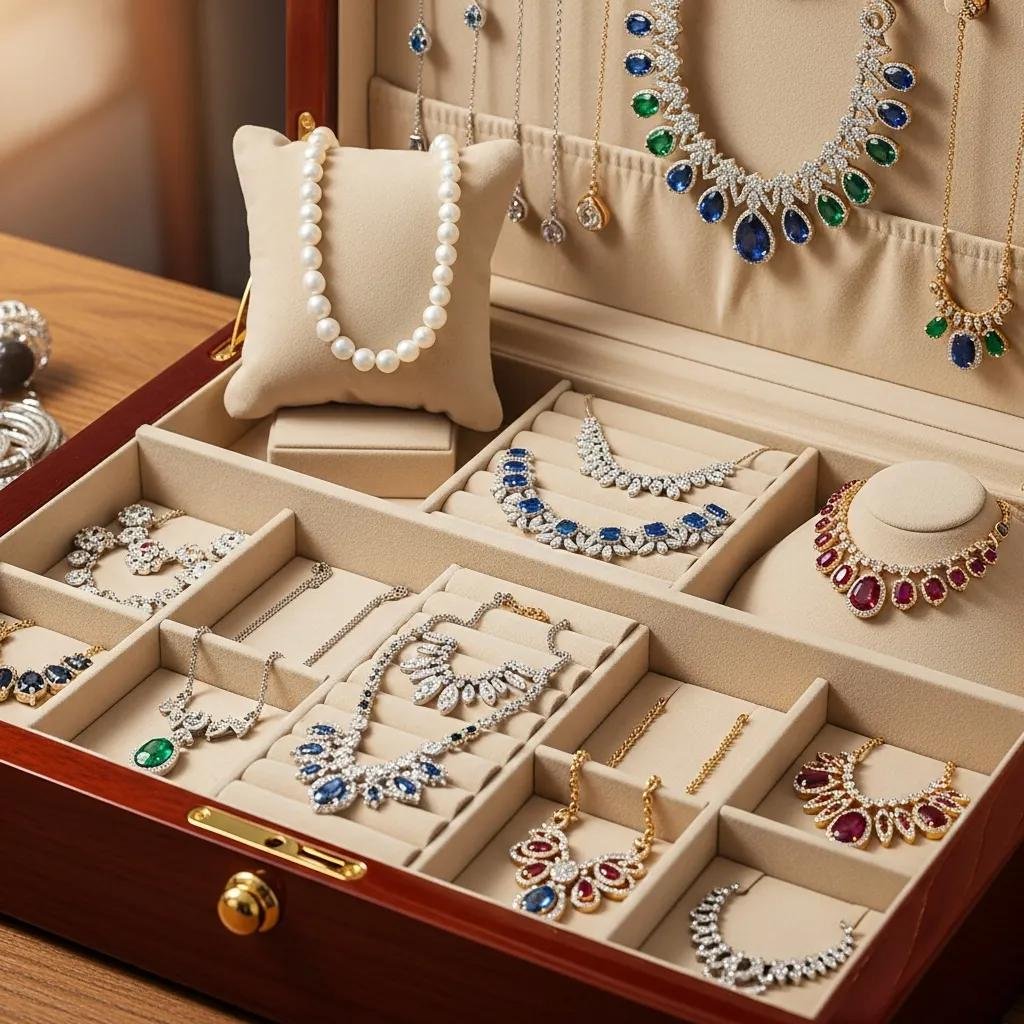
- Storing Necklaces Flat or Hung Separately: Lay necklaces flat in a jewelry box or hang them on a dedicated jewelry organizer to keep them untangled.
How to Use Individual Compartments and Soft Pouches for Tangle-Free Storage?
Using individual compartments and soft pouches is an excellent way to ensure your necklaces remain tangle-free. Compartmentalized jewelry boxes allow you to store each piece separately, while soft pouches provide additional protection from scratches. This method not only prevents tangling but also keeps your necklaces organized and easily accessible.
Why Should Clasps Be Fastened and Necklaces Laid Flat or Hung Separately?
Fastening clasps and storing necklaces flat or hung separately are crucial practices for preventing damage. Fastening clasps reduces stress on the chain, preventing kinks and potential breakage. Additionally, laying necklaces flat or hanging them separately minimizes the risk of tangling, ensuring that each piece remains in pristine condition.
How Should You Store Specific Necklace Materials for Longevity?
Different necklace materials require specific care and storage methods to ensure their longevity, as detailed by gemological resources on jewelry material care. Here are some tips for various materials:
- Lab Diamond Necklaces: Store in a soft pouch to prevent scratches and clean regularly with a gentle jewelry cleaner.
- Pearl Necklaces: Avoid airtight containers; instead, use breathable materials to prevent moisture buildup.
What Are the Care and Storage Tips for Lab Diamond Necklaces?
Lab diamond necklaces should be stored in a soft pouch or a dedicated jewelry box to prevent scratches. Regular cleaning with a gentle jewelry cleaner can help maintain their brilliance. Avoid exposing lab diamonds to harsh chemicals, as this can affect their appearance.
How to Properly Store Pearl Necklaces to Avoid Damage?
Pearl necklaces require special care to avoid damage. Store them in a breathable pouch rather than an airtight container, as this can trap moisture and lead to deterioration. Additionally, avoid exposing pearls to perfumes and lotions, which can cause discoloration.
How Does Environmental Exposure Affect Necklace Longevity and Appearance?
Environmental factors can significantly impact the longevity and appearance of necklaces. Understanding these effects can help you take better care of your jewelry.
- Effects of Direct Sunlight: Prolonged exposure to sunlight can fade colored gemstones and weaken delicate materials.
- Humidity’s Role in Tarnishing: High humidity can accelerate tarnishing, particularly for silver necklaces.
What Are the Effects of Direct Sunlight on Colored Gemstones and Delicate Materials?
Direct sunlight can cause colored gemstones to fade over time, diminishing their vibrancy. Delicate materials, such as certain fabrics and plastics, can also weaken when exposed to UV rays. To protect your necklaces, store them in a shaded area away from direct sunlight.
How Does Humidity Accelerate Tarnishing and Reduce Jewelry Lifespan?
Humidity plays a significant role in the tarnishing process. High humidity levels can lead to faster tarnishing of metals, particularly silver. Studies show that jewelry stored in humid environments can tarnish up to three times faster than in dry conditions. To extend the lifespan of your jewelry, store it in a cool, dry place.
What Sustainable and Ethical Storage Options Align with GemsGlitz.com’s Values?
As a retailer committed to ethical sourcing and sustainability, GemsGlitz.com encourages the use of sustainable storage options. Here are some ideas:
- Multi-Functional Packaging: Consider using packaging that can be repurposed for storage, reducing waste.
- Ethical Sourcing in Storage Materials: Choose storage solutions made from sustainable materials to align with eco-friendly practices.
How Do Multi-Functional and Reusable Packaging Enhance Jewelry Storage?
Multi-functional and reusable packaging can enhance jewelry storage by providing a sustainable option that reduces waste. These packaging solutions can be repurposed for various uses, making them a practical choice for environmentally conscious consumers.
Why Is Ethical Sourcing Important in Jewelry Care and Storage?
Ethical sourcing is crucial in jewelry care and storage as it reflects a commitment to sustainability and responsible practices. Consumers increasingly demand transparency in sourcing, which can enhance brand loyalty and trust. By choosing ethically sourced storage materials, you contribute to a more sustainable jewelry industry.
| Storage Method | Material | Benefit |
|---|---|---|
| Individual Compartments | Plastic, Wood | Prevents tangling and scratches |
| Soft Pouches | Fabric | Protects from dust and moisture |
| Anti-Tarnish Strips | Chemical | Reduces tarnishing in storage |
In conclusion, avoiding common mistakes when storing your necklaces is essential for preserving their beauty and longevity. By implementing effective storage solutions and understanding the impact of environmental factors, you can protect your jewelry investment. Remember to consider sustainable options that align with your values, ensuring that your jewelry care practices are both effective and responsible.