Top Ethical Jewelry Care Practices You Should Know

Top Ethical Jewelry Care Practices You Should Know: Your Guide to Sustainable and Non-Toxic Jewelry Maintenance
Caring for jewelry ethically is essential for both sustainability and longevity. As consumers become more conscious of their environmental impact, understanding how to maintain jewelry responsibly is crucial. This guide will explore top ethical jewelry care practices, emphasizing non-toxic and eco-friendly methods that not only preserve your precious items but also protect the planet. Many individuals are unaware that traditional jewelry care methods can have harmful effects on the environment and the materials themselves. To avoid common diamond jewelry care mistakes, adopting sustainable practices is key to ensuring your jewelry remains beautiful while minimizing your ecological footprint. In this article, we will cover the importance of ethical jewelry care, effective cleaning methods, best practices for lab-grown diamonds, responsible storage solutions, and when to seek professional repair services.
Why Is Ethical Jewelry Care Important for Sustainability and Longevity?
Ethical jewelry care is vital for ensuring the longevity of your pieces while also considering the environmental and social impacts of jewelry maintenance. By adopting sustainable practices, you contribute to a more responsible jewelry industry that prioritizes ethical sourcing and environmental stewardship. The jewelry industry has historically faced criticism for its negative environmental impact, including pollution from mining and harmful chemicals used in cleaning processes. By understanding these implications, consumers can make informed choices that promote sustainability and social responsibility.
What Environmental and Social Impacts Does Jewelry Care Have?
The environmental and social impacts of jewelry care are significant. Traditional cleaning methods often involve harsh chemicals that can pollute water sources and harm aquatic life. Additionally, the sourcing of materials for jewelry can lead to unethical labor practices and environmental degradation. For instance, mining operations can result in deforestation and habitat destruction, while the use of toxic substances in jewelry production can pose health risks to workers. By choosing eco-friendly cleaning solutions and supporting ethically sourced materials, consumers can help mitigate these negative effects and promote a more sustainable jewelry industry.
How Can You Clean Jewelry Ethically Using Non-Toxic and Eco-Friendly Methods?
Cleaning jewelry ethically involves using non-toxic and eco-friendly methods that are safe for both the environment and your jewelry. Many conventional cleaning products contain harmful chemicals that can damage delicate materials and contribute to environmental pollution. Instead, consider using natural alternatives that effectively clean without the negative side effects.
What Are Safe DIY Non-Toxic Jewelry Cleaning Solutions?

There are several safe DIY non-toxic jewelry cleaning solutions that you can easily make at home. Here are a few effective options:
- Baking Soda Paste: Mix baking soda with water to create a paste. Apply it to your jewelry with a soft cloth, then rinse thoroughly.
- Vinegar Solution: Soak your jewelry in a mixture of equal parts white vinegar and water for 15-20 minutes. Rinse and dry with a soft cloth.
- Lemon Juice: For tarnished silver, apply lemon juice diluted with water to the metal, let it sit for a few minutes, and then rinse with water.
These methods not only clean effectively but also reduce your environmental impact by avoiding harsh chemicals.
GemsGlitz.com offers a range of handcrafted and ethically sourced jewelry, ensuring that your purchases align with your values. By choosing ethically made pieces, you support sustainable practices in the jewelry industry.
What Are the Best Practices for Caring for Lab-Grown Diamonds Ethically?
Caring for lab-grown diamonds requires specific practices to maintain their brilliance and integrity. Unlike natural diamonds, lab-grown diamonds are created in controlled environments, which can influence their care requirements. Understanding these differences is essential for proper maintenance.
Indeed, the rise of lab-grown diamonds signifies a broader shift in consumer values towards more sustainable and ethical choices within the gem industry.
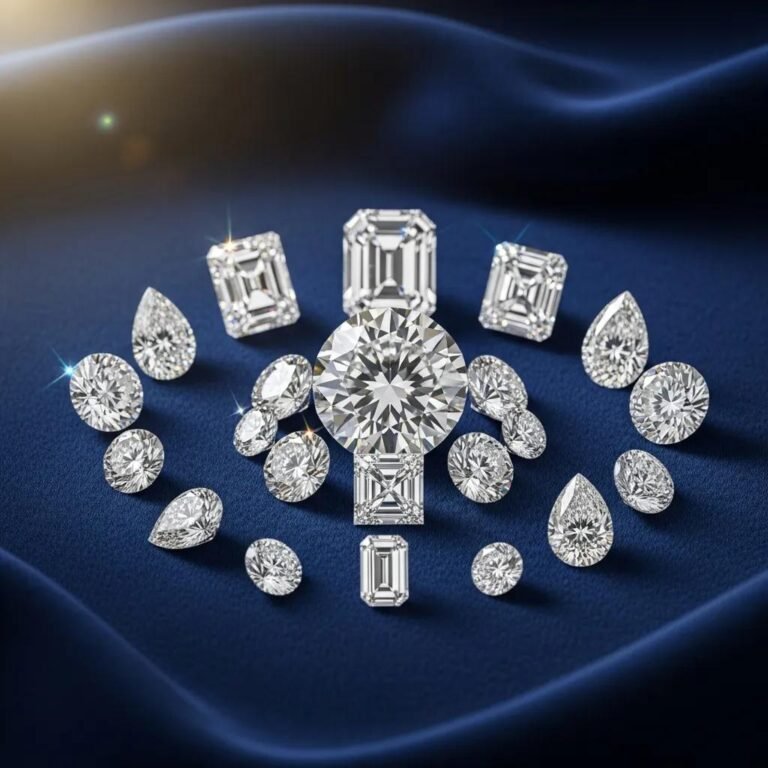
Lab-Grown Diamonds: Sustainable & Ethical Alternatives
Lab-grown diamonds will see the transformation of the global gem industry: a shift toward sustainable and ethical alternatives to natural diamonds. These results suggest that consumer preferences are more aligned with shared values and attributes of the product, like eco-friendliness and affordability, rather than demographic factors.
New Era of Lab Grown Diamond, J Vidani, 2024
How Do Lab-Grown Diamonds Differ in Care from Natural Diamonds?
Lab-grown diamonds share many similarities with natural diamonds in terms of appearance and durability. However, they do not require gentler cleaning methods than natural diamonds. Both lab-grown and natural diamonds can be safely cleaned with mild soap and water and are generally resistant to most cleaning methods used for diamonds. It is important to avoid harsh chemicals that could damage any accompanying settings or treatments.
Which Gentle Cleaning Techniques Extend Lab-Grown Diamond Longevity?
To extend the longevity of lab-grown diamonds, consider the following gentle cleaning techniques:
- Soft Cloth Wipe: Regularly wipe your diamond with a soft, lint-free cloth to remove dust and oils.
- Mild Soap Solution: Use a mixture of warm water and mild soap for deeper cleaning, ensuring to rinse thoroughly afterward.
- Ultrasonic Cleaners: Ultrasonic cleaners are generally safe for diamonds, including lab-grown ones, but should be used cautiously if the jewelry contains fragile settings or treatments.
These techniques help maintain the beauty of your lab-grown diamonds while ensuring they remain ethically cared for.
How Should You Store Jewelry Responsibly with Sustainable and Protective Solutions?
Proper jewelry storage is crucial for preventing damage and maintaining its appearance. Using sustainable materials for storage can further enhance your commitment to ethical practices.
What Eco-Friendly Materials Are Ideal for Jewelry Storage?
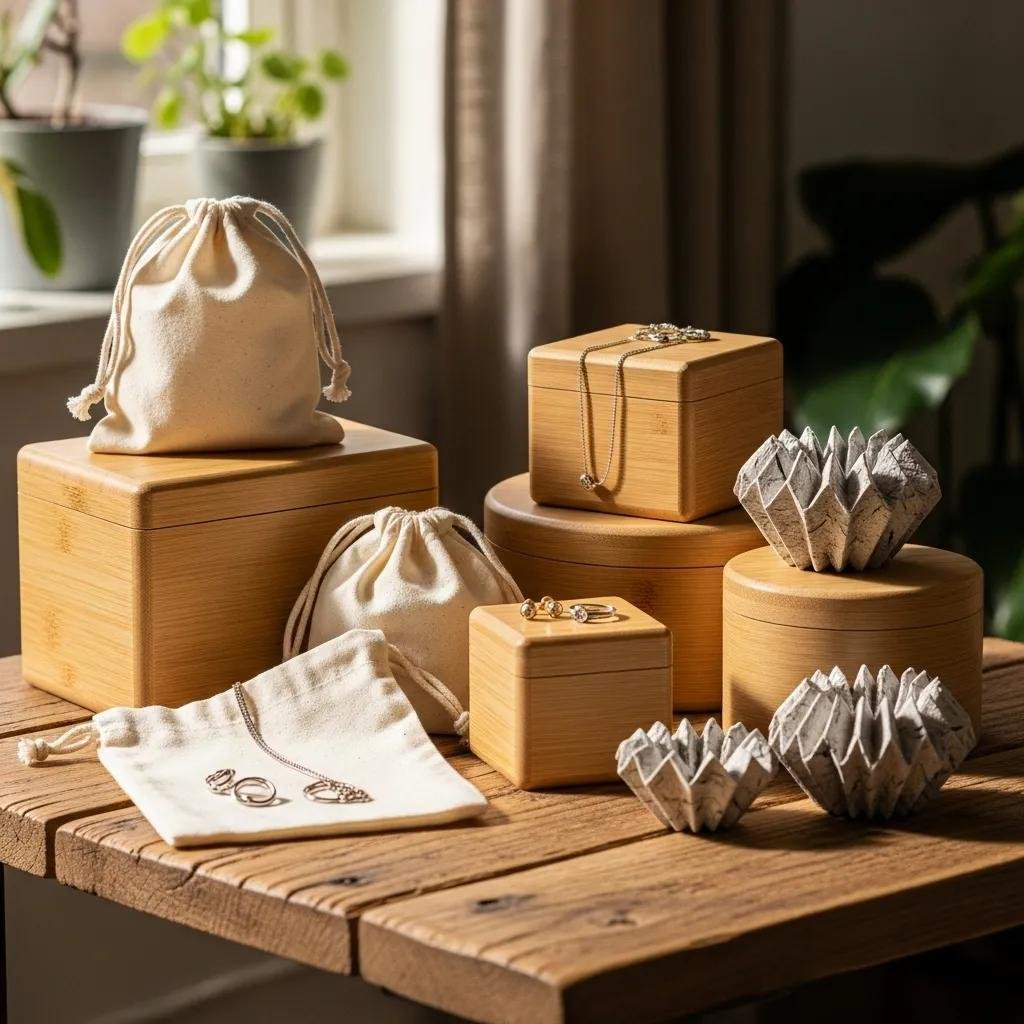
When selecting storage solutions for your jewelry, consider eco-friendly materials such as:
- Organic Cotton Pouches: Soft and breathable, these pouches prevent scratches and tarnishing.
- Bamboo Boxes: Durable and sustainable, bamboo jewelry boxes provide a stylish storage option.
- Recycled Paper: Use recycled paper for wrapping individual pieces to protect them from scratches.
These materials not only protect your jewelry but also align with sustainable practices.
How Does Proper Storage Prevent Damage and Tarnish?
Proper storage techniques can significantly reduce the risk of damage and tarnish. For example, storing jewelry in a cool, dry place away from direct sunlight helps prevent discoloration and degradation. Additionally, keeping pieces separated in individual compartments or pouches prevents scratching and tangling. By implementing these storage practices, you can ensure your jewelry remains in excellent condition for years to come.
When and How Should You Seek Ethical Jewelry Repair and Maintenance Services?
Knowing when to seek professional repair services is essential for maintaining the integrity of your jewelry. Ethical repair services prioritize sustainable practices and support local artisans.
Why Support Local Artisans for Ethical Jewelry Repair?
Supporting local artisans for jewelry repair not only helps sustain local economies but also ensures that your jewelry is treated with care and expertise. Local artisans often use sustainable materials and practices, reducing the environmental impact of repairs. By choosing to repair rather than replace, you contribute to a more sustainable jewelry lifecycle.
What Are Sustainable Tips for Long-Term Jewelry Preservation?
To preserve your jewelry for the long term, consider these sustainable tips:
- Regular Cleaning: Maintain a regular cleaning schedule to prevent buildup and tarnish.
- Avoid Exposure: Keep jewelry away from harsh chemicals, including perfumes and cleaning products.
- Professional Inspections: Schedule periodic inspections with a trusted jeweler to address any potential issues before they become significant problems.
Implementing these practices will help ensure your jewelry remains beautiful and sustainable for years to come.