Lab Grown vs Natural Diamonds: Care Requirements Explained
Lab Grown vs Natural Diamonds: Comprehensive Care Requirements Explained for Lasting Brilliance
Diamonds have long been a symbol of love and commitment, but the rise of lab-grown diamonds has sparked a debate about their care and maintenance compared to natural diamonds. This article will explore the key differences in care requirements for both types of diamonds, ensuring that your precious jewelry remains brilliant for years to come. Understanding the nuances of lab-grown and natural diamonds is essential for any jewelry lover, especially when it comes to cleaning, maintenance, and storage practices. We will also address common myths surrounding diamond care and provide practical tips for preserving the beauty of your jewelry.
In this guide, we will cover the following sections: the key differences between lab-grown and natural diamonds, effective cleaning methods, essential maintenance and storage practices, harmful chemicals and activities to avoid, the necessity of professional cleaning, and debunking common myths about diamond care.
What Are the Key Differences Between Lab-Grown and Natural Diamonds Relevant to Care?
Understanding the differences between lab-grown and natural diamonds is crucial for proper care. Lab-grown diamonds are created in controlled environments, while natural diamonds form over millions to billions of years deep within the Earth. This distinction affects their properties and maintenance needs.
Indeed, the development of lab-grown diamonds over decades has established them as a legitimate and sustainable alternative in the jewelry market.
Lab-Grown Diamonds: Attributes and Market Perception
Lab-grown diamonds are diamonds that have been processed in laboratories thanks to almost 70 years of development. To test the idea that this new alternative is a legitimate opportunity to answer the need of the current changing jewelry market, this research tried to observe the real potential of this man-made gemstone through a deep understanding of its hallmark, perception of the market and concrete sustainable solutions available. As a result, it is observed that a certain interest in finding a new alternative with the same attributes to reassure all parties.
Lab-grown diamond–the shape of tomorrow’s jewelry, 2021
How Do Origin and Formation Impact Diamond Properties and Maintenance?
The origin of a diamond significantly influences its properties and maintenance requirements. Lab-grown diamonds, formed through advanced technological processes such as High Pressure High Temperature (HPHT) or Chemical Vapor Deposition (CVD), often exhibit fewer inclusions and impurities compared to their natural counterparts. This purity can make lab-grown diamonds easier to clean and maintain, as they are less prone to damage from environmental factors. Conversely, natural diamonds may require more careful handling due to their unique formation processes, which can lead to varying levels of durability.
What Identical Physical and Chemical Properties Influence Care Practices?
Despite their different origins, lab-grown and natural diamonds share identical physical and chemical properties. Both types are composed of carbon atoms arranged in a crystal lattice structure, making them equally hard and durable. This similarity means that the care practices for both types of diamonds can be largely the same, focusing on gentle cleaning methods and proper storage to maintain their brilliance.
How Should You Clean Lab-Grown and Natural Diamond Jewelry Effectively?
Cleaning your diamond jewelry is essential for maintaining its sparkle and brilliance. Both lab-grown and natural diamonds can be cleaned using similar methods, ensuring that they remain in pristine condition.
What Are the Best Home Cleaning Methods for Diamond Rings and Necklaces?
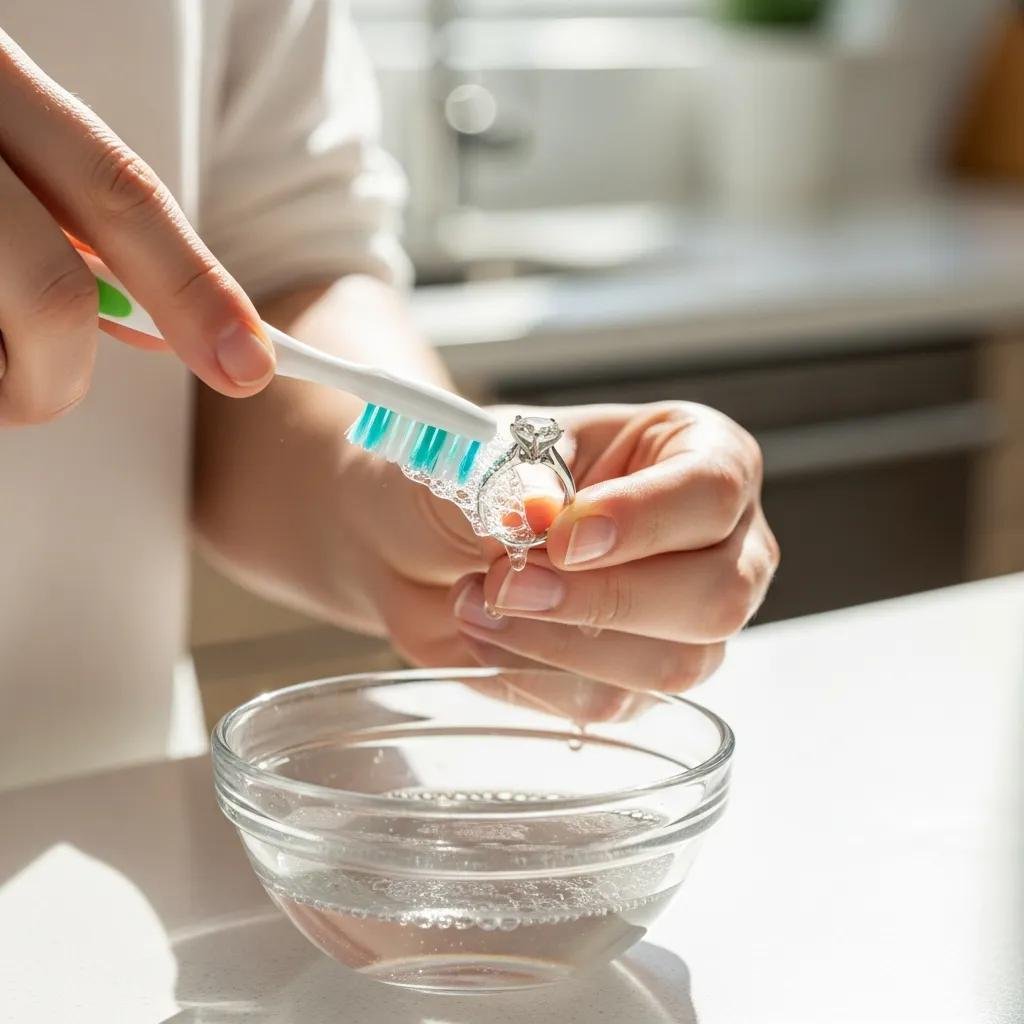
To effectively clean your diamond rings and necklaces at home, follow these steps:
- Prepare a Cleaning Solution: Mix a few drops of mild dish soap with warm water in a bowl.
- Soak the Jewelry: Place your diamond jewelry in the solution for about 15-20 minutes to loosen dirt and grime.
- Gently Brush: Use a soft-bristled toothbrush to gently scrub the diamond and its setting, paying attention to any crevices.
- Rinse and Dry: Rinse the jewelry under warm running water and dry it with a soft, lint-free cloth.
These methods are safe for both lab-grown and natural diamonds, ensuring that your jewelry remains sparkling without causing damage.
Which Cleaning Tools and Solutions Are Safe for Both Diamond Types?
When cleaning your diamond jewelry, it’s important to use the right cleaning tools and solutions. Here are some safe options:
- Soft-Bristled Toothbrush: Ideal for gently scrubbing without scratching the diamond.
- Mild Dish Soap: A gentle cleaning agent that effectively removes dirt without harming the diamond.
- Lint-Free Cloth: Perfect for drying and polishing your jewelry without leaving fibers behind.
Avoid using harsh chemicals or abrasive materials, as these can damage the diamond’s surface and settings.
What Are the Essential Maintenance and Storage Practices for Diamond Jewelry?
Proper maintenance and storage are vital for preserving the beauty and integrity of your diamond jewelry. Both lab-grown and natural diamonds require similar care practices to ensure they remain in excellent condition.
How Should You Store Lab-Grown and Natural Diamonds to Prevent Damage?
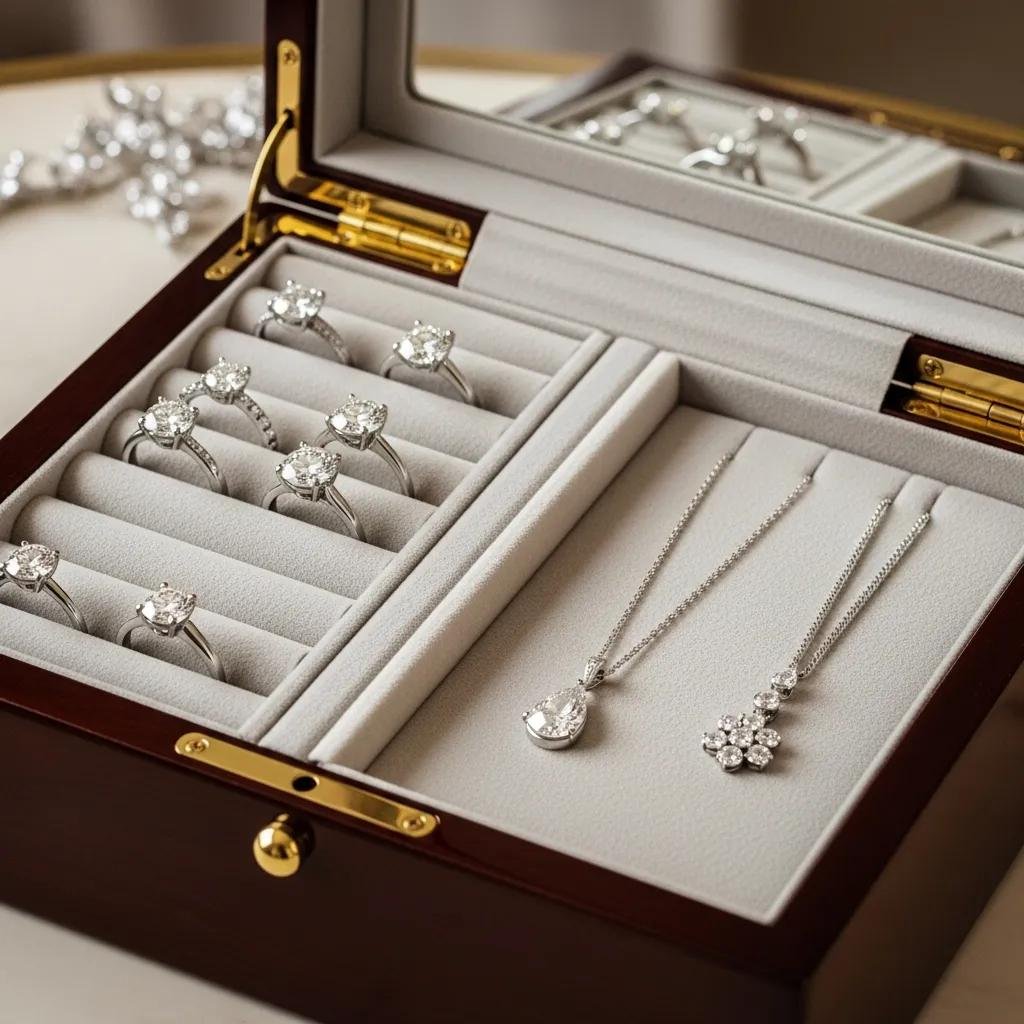
To prevent damage to your diamond jewelry, consider the following storage tips:
- Separate Storage: Store each piece of jewelry separately to avoid scratches and tangling.
- Avoid Prolonged Direct Sunlight: While diamonds themselves are not affected by sunlight, some settings or accompanying gemstones may fade or discolor with prolonged exposure.
- Control Moisture: Store diamonds in a dry environment to prevent tarnishing of metal settings.
These practices will help maintain the brilliance of your diamonds and extend their lifespan.
What Regular Maintenance Steps Preserve Diamond Brilliance and Setting Integrity?
Regular maintenance is key to preserving the brilliance of your diamond jewelry. Here are some essential steps:
- Routine Inspections: Check your diamond settings regularly for any signs of wear or damage.
- Professional Cleaning: Schedule professional cleaning at least once a year, following GIA diamond care recommendations, to ensure thorough care.
- Avoiding Harsh Chemicals: Keep your diamonds away from household cleaners and chemicals that can cause damage.
By following these maintenance steps, you can ensure that your diamond jewelry remains beautiful and secure.
Which Chemicals and Activities Should Be Avoided to Protect Your Diamonds?
Certain chemicals and activities can harm your diamond jewelry, leading to dullness or damage. Being aware of these can help you protect your investment.
What Common Household Chemicals Can Harm Diamond Jewelry?
Avoid exposing your diamond jewelry to the following common household chemicals:
- Chlorine: Found in swimming pools and cleaning products, chlorine can weaken metal settings, especially in white gold.
- Bleach: This harsh chemical can cause discoloration and damage to both diamonds and their settings.
- Acetone: Often found in nail polish removers, acetone can damage certain types of jewelry finishes, particularly on metals and coatings.
By steering clear of these substances, you can help maintain the integrity of your diamonds.
How Do Daily Activities Affect Diamond Durability and What Precautions Are Recommended?
Daily activities can also impact the durability of your diamond jewelry. Here are some precautions to consider:
- Remove Jewelry During Physical Activities: Take off your diamond rings and necklaces when exercising or engaging in manual labor to prevent scratches and damage.
- Avoid Wearing Jewelry While Cleaning: Household cleaning tasks can expose your diamonds to harmful chemicals, so it’s best to remove them beforehand.
- Limit Exposure to Cosmetics: Perfumes, lotions, and hair products can dull the shine of your diamonds, so apply these products before putting on your jewelry.
By taking these precautions, you can help ensure that your diamonds remain in excellent condition.
When and Why Is Professional Cleaning and Inspection Necessary for Diamonds?
While regular home care is important, professional cleaning and inspection play a crucial role in maintaining your diamond jewelry.
How Often Should You Schedule Professional Jewelry Care?
It is recommended to schedule professional cleaning and inspection at least once a year. This allows for a thorough examination of your jewelry, ensuring that any potential issues are addressed before they become serious problems.
What Benefits Do Professional Services Provide Beyond Home Care?
Professional cleaning services offer several advantages, including:
- Deep Cleaning: Professionals use specialized equipment and solutions to remove dirt and grime that may not be accessible through home cleaning methods.
- Setting Checks: Experts can assess the integrity of your diamond settings, ensuring that your stones are secure.
- Expert Advice: Jewelers can provide personalized care tips based on the specific needs of your jewelry, adhering to jewelry care industry standards.
Investing in professional care can significantly extend the life of your diamond jewelry.
What Are Common Myths About Lab-Grown Diamond Care and Durability Debunked?
As lab-grown diamonds gain popularity, several myths have emerged regarding their care and durability. Understanding the truth behind these misconceptions is essential for proper maintenance.
Studies on consumer behavior further underscore the evolving landscape, indicating that preferences for lab-grown diamonds are often driven by values like sustainability and affordability, rather than demographic factors.
Consumer Perceptions of Lab-Grown vs. Natural Diamonds
Lab-grown diamonds will see the transformation of the global gem industry: a shift toward sustainable and ethical alternatives to natural diamonds. This study examines the impact of age on various factors interacting with consumer perceptions, beliefs, and motivations toward lab grown diamonds. The study adopts a quantitative approach for the testing of hypotheses in determining whether there exists an association between age and aspects like familiarity, quality and appearance opinions, purchase motives, and open-mindedness towards the industry revolution. Findings The analysis of weak and statistically insignificant relationships across the tested variables showed that attitudes towards lab-grown diamonds are not significantly determined by age. These results suggest that consumer preferences are more aligned with shared values and attributes of the product, like eco-friendliness and affordability, rather than demographic factors. The study points
New Era of Lab Grown Diamond, J Vidani, 2024
Do Lab-Grown Diamonds Lose Their Sparkle or Require Different Care?
One common myth is that lab-grown diamonds lose their sparkle over time. In reality, both lab-grown and natural diamonds maintain their brilliance when properly cared for. The cleaning and maintenance practices for both types are essentially the same, ensuring that they remain stunning for years to come.
How Does Scientific Evidence Support Similar Care for Both Diamond Types?
Scientific studies, supported by diamond durability research, have shown that lab-grown and natural diamonds possess identical physical and chemical properties. This means that the care practices recommended for one type apply equally to the other. By following the same cleaning and maintenance guidelines, you can ensure that both lab-grown and natural diamonds retain their beauty and integrity.
| Cleaning Method | Lab-Grown Diamonds | Natural Diamonds |
|---|---|---|
| Mild Soap & Water | Safe and effective | Safe and effective |
| Ultrasonic Cleaners | Generally safe* | Use with caution* |
| Harsh Chemicals | Avoid completely | Avoid completely |
*Ultrasonic cleaners are generally safe for both lab-grown and natural diamonds; however, caution is advised if the jewelry contains fragile settings or other gemstones.
This table illustrates that the same cleaning methods can be applied to both types of diamonds, reinforcing the idea that their care requirements are largely identical.
In conclusion, understanding the care requirements for lab-grown and natural diamonds is essential for maintaining their beauty and integrity. By following the recommended cleaning, maintenance, and storage practices, you can ensure that your diamond jewelry remains brilliant for years to come. Remember to avoid harmful chemicals and activities, and consider professional cleaning services for optimal care. With the right approach, both lab-grown and natural diamonds can shine brightly, symbolizing love and commitment for generations.