Benefits of Lab Grown Diamonds Over Natural Gems
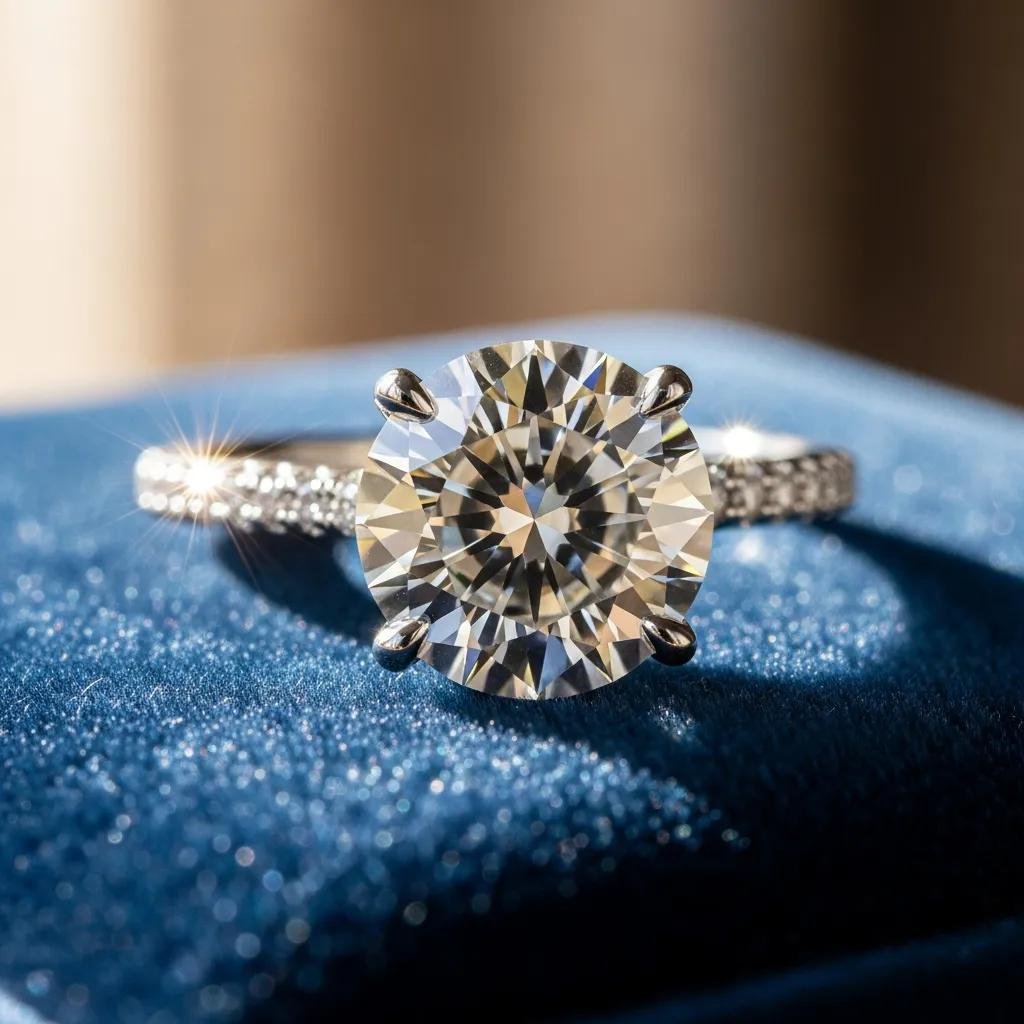
Benefits of Lab Grown Diamonds Over Natural Gems: Ethical, Environmental, Cost, and Quality Insights
Lab grown diamonds are revolutionizing the jewelry industry by offering a sustainable and ethical alternative to natural gems. This article delves into the numerous benefits of lab grown diamonds, including their ethical sourcing, environmental advantages, cost-effectiveness, and comparable quality to natural diamonds. As consumers become more conscious of their purchasing decisions, understanding the differences between lab grown and natural diamonds is essential. This guide will explore the key aspects of lab grown diamonds, addressing common concerns and highlighting their unique advantages. By the end, readers will gain insights into why lab grown diamonds are becoming the preferred choice for many.
Research confirms that lab-grown diamonds offer a compelling sustainable, ethical, and cost-effective alternative to traditionally mined gems.
Lab-Grown Diamonds: Sustainable, Ethical, and Cost-Effective
AbstractDiamond cutting and polishing have historically been conducted in Surat, India, which processes the majority of raw diamonds mined around the globe. Nevertheless, conventional diamond mining is rife with environmental and ethical concerns. Lab-grown diamonds present a sustainable alternative to deep-seated diamond mining by simulating natural conditions to produce the precious stones above ground in a span of six weeks. The emergence of lab-grown diamonds in Surat and its potential repercussions are examined in this article. The paper describes the technological process by which lab-grown diamonds are produced by simulating the underground natural diamond formation process through the application of high pressure and heat to diamond embryos in plasma reactors. This allows for up to a 30% reduction in the cost of diamond production compared to conventional mining methods. Nevertheless, energy demands give rise to concerns regarding sustainability. Currently, Surat is the leader
Sustainable Sparkle: The Emergence and Impact of Lab-Grown Diamonds in India’s
Diamond Capital, AS George, 2024
What Are Lab Grown Diamonds and How Do They Compare to Natural Gems?
Lab grown diamonds are created in controlled environments using advanced technology that replicates the natural diamond formation process. Unlike natural diamonds, which are mined from the earth, lab grown diamonds are produced using methods such as High Pressure High Temperature (HPHT) or Chemical Vapor Deposition (CVD). These processes result in diamonds that are chemically, physically, and optically identical to their natural counterparts. The primary benefit of lab grown diamonds lies in their ethical sourcing, as they eliminate many of the environmental and humanitarian issues associated with traditional diamond mining.
What Defines a Lab Grown Diamond?
A lab grown diamond is defined by its identical chemical composition to natural diamonds, primarily consisting of carbon arranged in a crystal structure. The creation methods, HPHT and CVD, ensure that lab grown diamonds meet the same quality standards as natural diamonds. These diamonds undergo rigorous testing to confirm their authenticity and quality, making them a reliable choice for consumers seeking high-quality gemstones.
How Are Natural Diamonds Formed and Mined?
Natural diamonds are formed deep within the Earth’s mantle under extreme pressure and temperature over millions to billions of years. They are brought to the surface through volcanic eruptions and are mined using various techniques, including open-pit and underground mining. However, these mining processes can have significant environmental impacts, including habitat destruction and pollution, raising ethical concerns about the sourcing of natural diamonds.
Why Are Lab Grown Diamonds the Ethical Choice?
Lab grown diamonds represent a significant ethical advancement in the jewelry industry. They are produced without the human rights abuses often associated with diamond mining, such as child labor and unsafe working conditions. By choosing lab grown diamonds, consumers can support a more ethical and transparent supply chain, adhering to ethical jewelry standards.
Indeed, the growing consumer demand for ethical products, particularly among younger generations, is a key factor driving the popularity of lab-grown diamonds.
Ethical Consumption Drives Lab-Grown Diamond Popularity
Since the luxury industry is migrating towards a more conscious way of manufacturing products and consumers are thriving towards ethical consumption and bold products, lab-grown diamond is gaining in popularity against the bleak stories of the mined ones. Keeping this epigram in spotlight, this article provides the complete view of how the industry is going to adapt to this new revolution. Lab-grown diamonds are diamonds that have been processed in laboratories thanks to almost 70 years of development. To test the idea that this new alternative is a legitimate opportunity to answer the need of the current changing jewelry market, this research tried to observe the real potential of this man-made gemstone through a deep understanding of its hallmark, perception of the market and concrete sustainable solutions available. As a result, it is observed that a certain interest in finding a new alternative with the same attributes to reassure all parties. What defines a gemstone is simply the association between its chemical composition and crystal structure. To this fact it created two sided views for which there is no right or wrong position but simply a question of brand positioning. New generations of consumers increasingly recognized the importance of ethical consumption of a luxury product. Bitter lines in the news, child labor and conflicts such as “Blood diamonds” created an uncertain environment in which the new generation Gen Z, nowadays does not feel comfortable to buy unconsciously.
Lab-grown diamond–the shape of tomorrow’s jewelry, 2021
How Do Lab Grown Diamonds Ensure Conflict-Free Sourcing?
Lab grown diamonds are inherently conflict-free, as they are not sourced from regions plagued by war or human rights violations. The production process is closely monitored, ensuring that each diamond is created in a safe and ethical environment. Certifications and transparency in the supply chain further reinforce the ethical standing of lab grown diamonds.
What Is GemsGlitz.com’s Commitment to Ethical Jewelry?
GemsGlitz.com is dedicated to providing ethically sourced, high-quality lab grown diamond jewelry. The company prioritizes transparency and sustainability in its operations, ensuring that customers can make informed choices about their purchases. By offering a range of lab grown diamond jewelry, GemsGlitz.com supports ethical practices while delivering beautiful pieces for various occasions.
What Environmental Advantages Do Lab Grown Diamonds Offer?

The environmental benefits of lab grown diamonds are substantial. Their production requires significantly less land and water compared to traditional diamond mining, making them a more sustainable choice. Additionally, lab grown diamonds generally have a lower carbon footprint, contributing to a reduction in environmental degradation, as highlighted by various sustainability research.
How Does the Carbon Footprint of Lab Diamonds Compare to Natural Diamonds?
Lab grown diamonds typically have a much lower carbon footprint than natural diamonds. The energy-intensive mining processes for natural diamonds contribute to higher greenhouse gas emissions. In contrast, lab grown diamonds can be produced using renewable energy sources, further minimizing their environmental impact, though this varies by manufacturer.
In What Ways Do Lab Grown Diamonds Conserve Land and Water Resources?
The production of lab grown diamonds conserves land and water resources by eliminating the need for extensive mining operations. Traditional diamond mining can lead to significant land disruption and water pollution, whereas lab grown diamonds are created in controlled environments that require minimal land use and water consumption. This conservation is crucial for protecting ecosystems and maintaining biodiversity.
Further research quantifies the significant environmental benefits of lab-grown diamonds, highlighting their potential to drastically reduce greenhouse gas emissions, mineral waste, and water usage compared to traditional mining.
Lab-Grown Diamonds: Reducing Environmental Impact & Costs
Mining diamond poses significant and potentially underestimated risks to the environment worldwide. Here, we propose a Diamond Environmental Impacts Estimation (DEIE) model to forecast the environmental indicators, including greenhouse gas (GHG) emissions, mineral waste, and water usage of the diamond industry from 2030 to 2100 in the top diamond production countries under different Shared Socio-economic Pathways (SSPs). The DEIE projection results indicate that the annual GHG emissions, mineral waste, and water usage of the global diamond industry will reach 9.65 Mt, 422.80 Mt, and 78.68 million m3under the SSP1-1.9 scenario, and 13.26 Mt, 582.84 Mt, and 107.95 million m3under the SSP2-2.6 scenario in 2100, respectively. We analyze the environmental impact heterogeneities and the associated driving factors across the major diamond production countries identified by our DEIE framework. In addition, we find that lab-grown diamonds can reduce annual GHG emissions, mineral waste, and water usage by 9.58 Mt, 421.06 Mt, and 66.70 million m3in 2100. The lab-grown diamond substitution policy can annually save 714 million cubic meters of landfill space, harvest 255 million kilograms of rice, feed 436 million people, and lift 1.19 million households out of hunger. The lab-grown diamond substitution policy could contribute to the diamond industry’s GHG mitigation and sustainability efforts in a cost-saving manner.
The environmental impacts and sustainable pathways of the global diamond industry, S Jiang, 2024
How Do Lab Grown Diamonds Provide Cost Savings and Value?
One of the most appealing aspects of lab grown diamonds is their affordability. They are generally 20-30% less expensive than natural diamonds, allowing consumers to purchase larger or higher-quality stones for the same budget. This cost-effectiveness makes lab grown diamonds an attractive option for those seeking value without compromising on quality.
How Much More Affordable Are Lab Grown Diamonds Compared to Natural Ones?
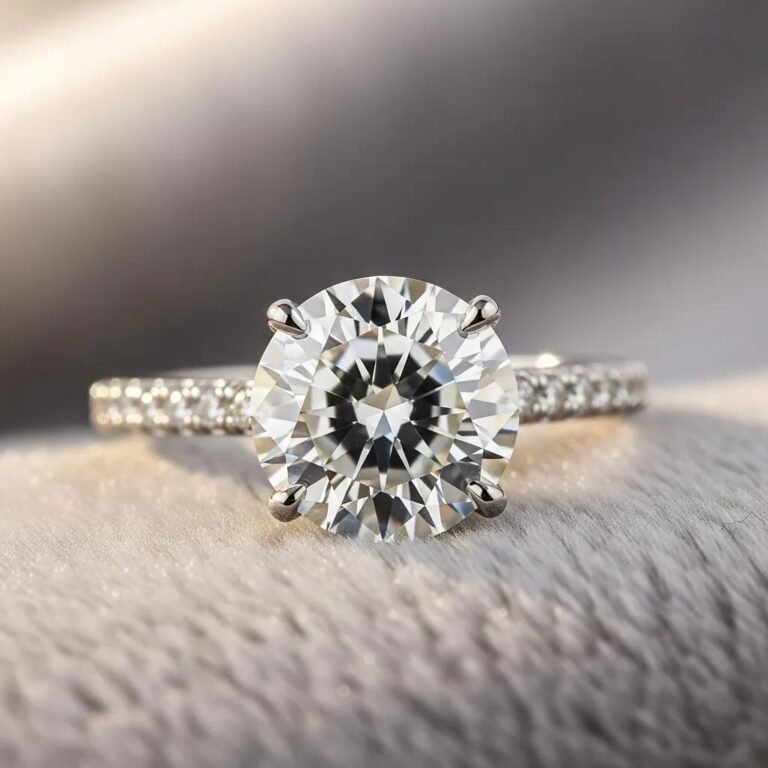
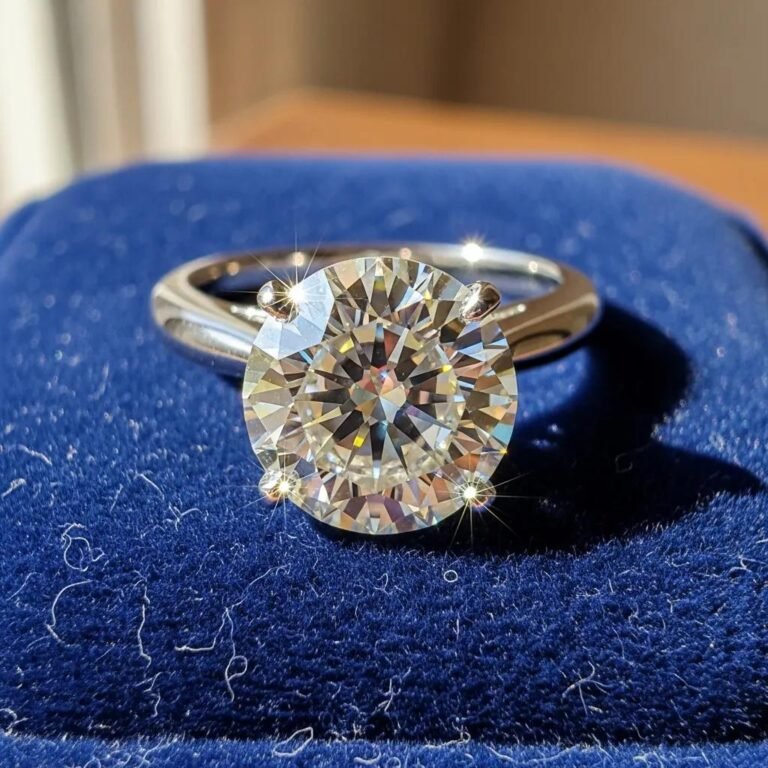
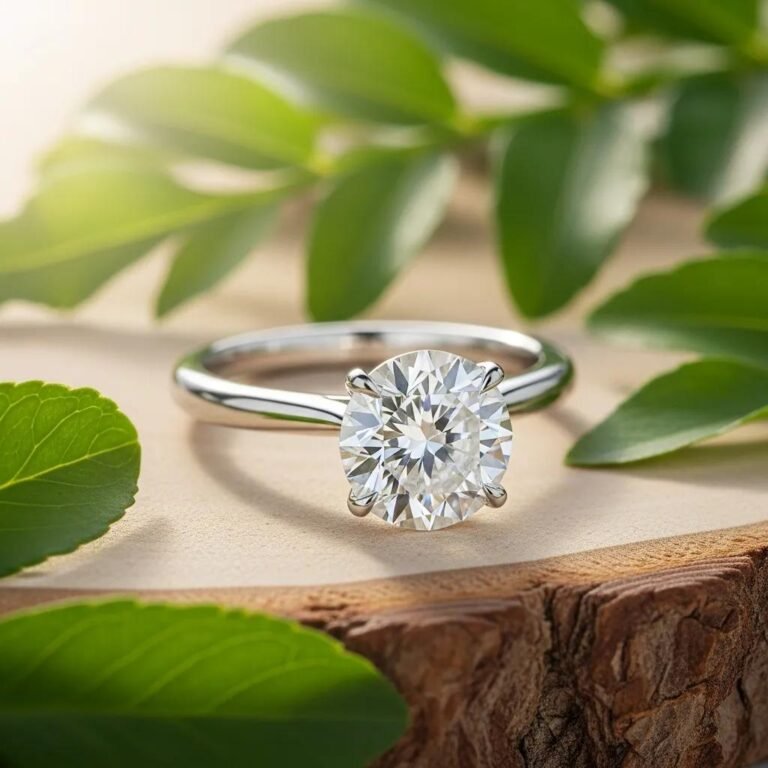
Lab grown diamonds can be significantly more affordable than their natural counterparts. For example, a lab grown diamond ring may cost around $1,500, while a similar natural diamond ring could be priced at $2,000 or more. This price difference allows consumers to invest in larger or more intricate designs without exceeding their budgets.
How Can You Maximize Your Budget with Lab Grown Diamonds?
To maximize your budget when purchasing lab grown diamonds, consider factors such as size, cut, and clarity. Opting for a slightly smaller carat weight or a different cut can yield significant savings while still providing a stunning appearance. Additionally, purchasing from reputable retailers like GemsGlitz.com ensures that you receive high-quality diamonds at competitive prices.
Do Lab Grown Diamonds Match Natural Diamonds in Quality and Beauty?
Lab grown diamonds are not only comparable to natural diamonds in terms of quality but often exceed them in certain aspects. They are graded using the same criteria, including the 4Cs: cut, color, clarity, and carat weight, according to GIA. This ensures that consumers receive diamonds that meet high standards of beauty and durability.
What Are the Quality Attributes of Lab Grown Diamonds?
The quality attributes of lab grown diamonds are assessed using the same grading system as natural diamonds. This includes evaluating the cut, which affects the diamond’s brilliance; the color, which ranges from colorless to light yellow; and the clarity, which measures the presence of inclusions or blemishes. Lab grown diamonds often achieve higher clarity ratings due to their controlled production environment.
How Durable and Long-Lasting Are Lab Grown Diamonds?
Lab grown diamonds are just as durable and long-lasting as natural diamonds. They possess the same hardness and resistance to scratching, making them suitable for everyday wear. With proper care, lab grown diamonds can maintain their beauty and brilliance for generations, just like natural diamonds.
What Innovations and Customization Options Are Available with Lab Grown Diamonds?
The lab grown diamond industry is continually evolving, offering innovative options for consumers. From unique colored diamonds to customizable jewelry designs, there are numerous ways to personalize your purchase.
What Unique Colored Lab Diamonds Can You Choose From?
Lab grown diamonds are available in a variety of colors, including pink, blue, and yellow. These unique colors are achieved through specific production techniques, allowing consumers to select diamonds that reflect their personal style. Colored lab grown diamonds are becoming increasingly popular for engagement rings and other fine jewelry.
How Does Custom Jewelry Design Enhance Lab Grown Diamond Appeal?
Custom jewelry design allows consumers to create one-of-a-kind pieces that showcase their lab grown diamonds. By working with skilled jewelers, customers can design settings that complement the unique characteristics of their diamonds, resulting in personalized jewelry that tells a story. This customization enhances the appeal of lab grown diamonds, making them even more special for the wearer.