How to Store Lab Grown Diamond Necklaces Safely
How to Store Lab Grown Diamond Necklaces Safely: Expert Guide to Protect and Preserve Your Jewelry
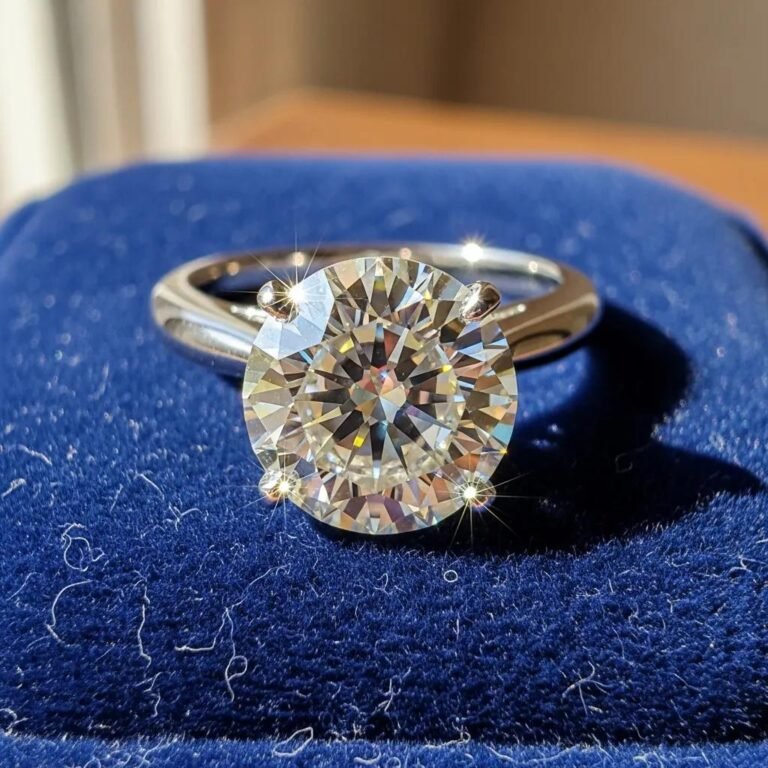
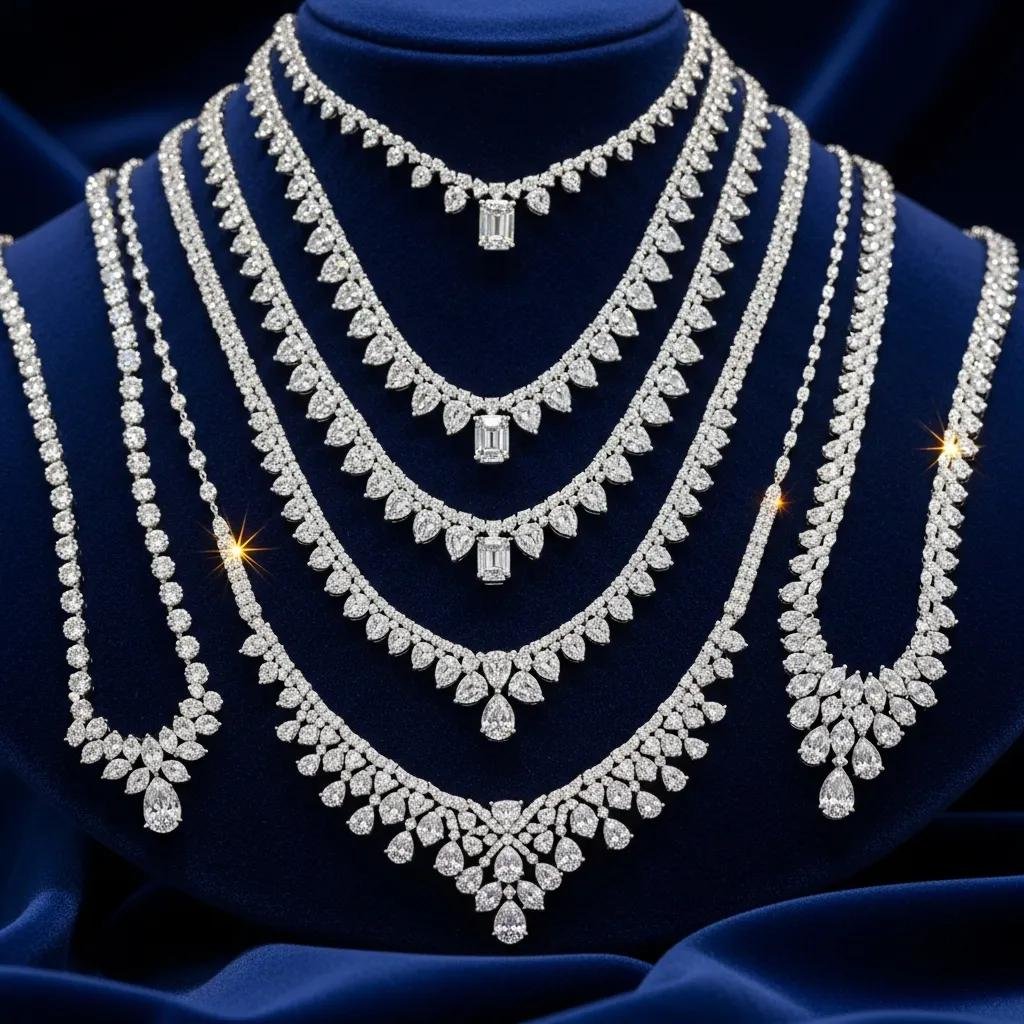
Storing lab-grown diamond necklaces properly is essential for maintaining their beauty and longevity. This guide will provide you with expert tips on how to store your necklaces safely, ensuring they remain in pristine condition for years to come. Lab-grown diamonds, known for their ethical sourcing and sustainability, require similar care to natural diamonds to prevent damage and preserve their brilliance. Many jewelry owners struggle with storage solutions that protect their pieces from scratches, tangling, and environmental factors. By following the strategies outlined in this article, you can effectively safeguard your jewelry collection. We will cover the importance of proper storage, key principles for safe storage, the best storage solutions, methods to prevent tangles, pre-storage cleaning steps, and common mistakes to avoid.
Further emphasizing their unique qualities, lab-grown diamonds offer a sustainable and ethically sourced alternative to traditional mined gems.
Lab-Grown Diamonds: Sustainable Alternative to Mined Gems
Lab-grown diamonds present a sustainable alternative to deep-seated diamond mining by simulating natural conditions to produce the precious stones above ground in a span of six weeks. The emergence of lab-grown diamonds in Surat and its potential repercussions are examined in this article. The paper describes the technological process by which lab-grown diamonds are produced by simulating the underground natural diamond formation process through the application of high pressure and heat to diamond embryos in plasma reactors.
Sustainable Sparkle: The Emergence and Impact of Lab-Grown Diamonds in India’s
Diamond Capital, AS George, 2024
Why Is Proper Storage Essential for Lab Grown Diamond Necklaces?
Proper storage is crucial for preserving the quality and appearance of lab-grown diamond necklaces. When stored incorrectly, these beautiful pieces can suffer from scratches, tangling, and loss of brilliance. Safe storage techniques help prevent physical damage and maintain the necklace’s aesthetic appeal. Additionally, proper storage can significantly extend the lifespan of your jewelry, ensuring it remains a cherished part of your collection for years to come. For more on comprehensive diamond protection, explore our detailed guide.
How Does Safe Storage Prevent Scratches and Damage?
Safe storage prevents scratches and damage by keeping necklaces separated and protected from other jewelry pieces. Storing necklaces in a way that minimizes contact with other items reduces the risk of scratches on the diamond surface and the metal components. For instance, using individual compartments in a jewelry box or soft pouches can effectively shield your necklaces from potential harm. By implementing these practices, you can maintain the pristine condition of your lab-grown diamond necklaces.
What Are the Benefits of Maintaining Necklace Brilliance and Longevity?
Maintaining the brilliance and longevity of your lab-grown diamond necklaces offers several benefits. First, well-preserved jewelry retains its resale value, making it a wise investment. To further safeguard your valuable pieces, understanding jewelry insurance best practices is highly recommended. Second, the emotional significance of well-maintained pieces enhances their sentimental value, allowing you to cherish memories associated with them. Lastly, proper storage ensures that your necklaces remain visually stunning, allowing you to enjoy their beauty every time you wear them.
What Are the Key Principles for Safe Lab Grown Diamond Necklace Storage?
To store lab-grown diamond necklaces safely, it is essential to follow key principles that protect them from damage. These principles include individual separation of necklaces and control of environmental factors such as humidity and temperature. For comprehensive insights into jewelry storage standards, consider consulting resources like the Gemological Institute of America storage guidelines. By adhering to these guidelines, you can create an optimal storage environment for your jewelry.
Why Is Individual Separation Crucial to Prevent Tangling?
Individual separation is crucial for preventing tangling, which can lead to damage and frustration when trying to wear your necklaces. Storing each necklace in its own compartment or pouch allows for easy access and reduces the risk of knots forming. Additionally, this practice helps maintain the integrity of the clasps and chains, ensuring they remain functional and intact.
How Do Environmental Factors Like Humidity and Temperature Affect Jewelry?
Environmental factors such as humidity and temperature can significantly impact the condition of your jewelry. High humidity levels can lead to tarnishing of metal components, while extreme temperatures can cause materials to expand or contract, potentially damaging the necklace. Ideally, jewelry should be stored in a cool, dry place with controlled humidity levels to prevent these issues. Using silica gel packets in your storage area can help absorb excess moisture and maintain a stable environment.
Which Storage Solutions Are Best for Lab Grown Diamond Necklaces?
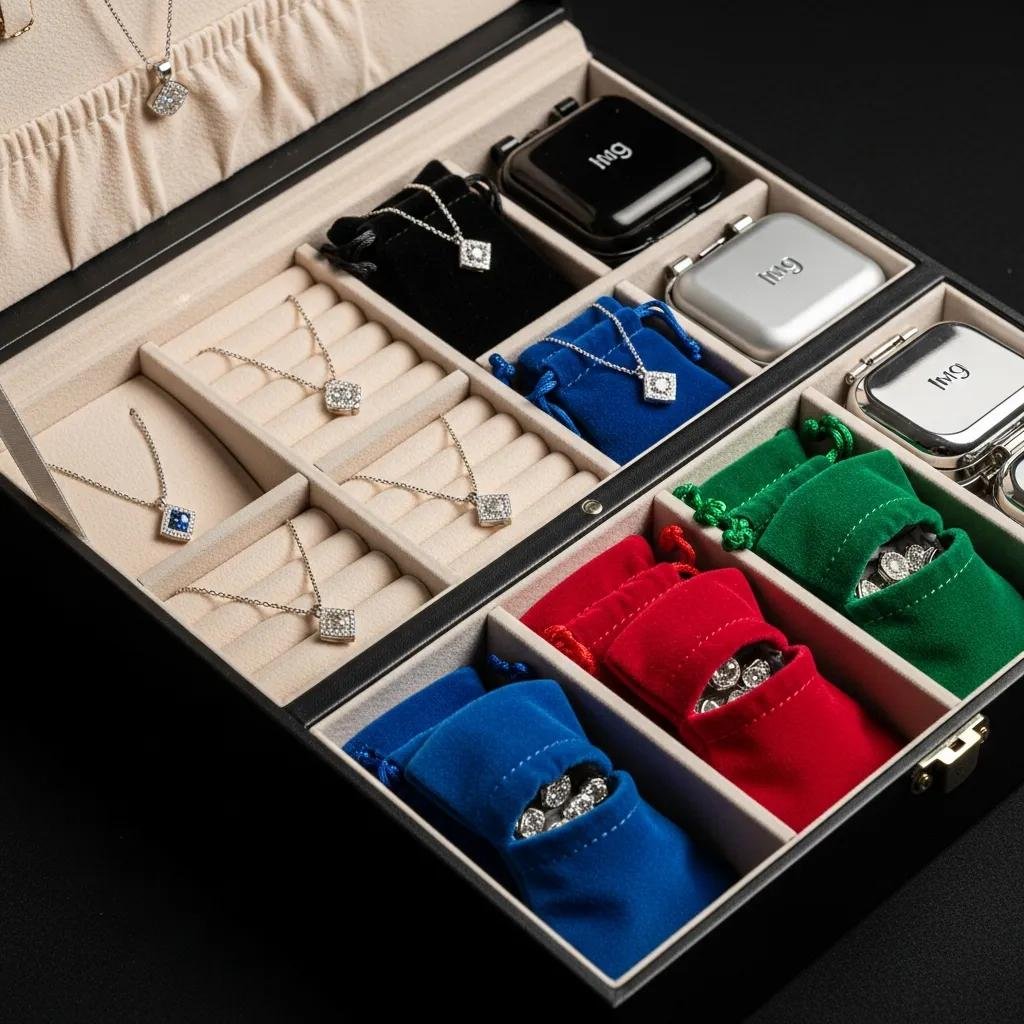
Choosing the right storage solutions for lab-grown diamond necklaces is essential for their protection. Various options are available, each with its advantages. Jewelry boxes with individual compartments and soft pouches are popular choices that provide effective protection against damage. For additional insights into industry storage standards and professional care, various jewelry care resources are available. For a more comprehensive overview of various options, explore our guide on complete jewelry storage solutions.
| Storage Solution | Features | Benefits |
|---|---|---|
| Jewelry Box with Compartments | Individual sections for each piece | Prevents tangling and scratches |
| Soft Pouches | Lightweight and portable | Ideal for travel and minimal space |
| Travel Cases | Designed for secure transport | Protects jewelry during travel |
What Are the Advantages of Jewelry Boxes with Individual Compartments?
Jewelry boxes with individual compartments offer several advantages for storing lab-grown diamond necklaces. They provide a dedicated space for each piece, preventing tangling and scratches. Additionally, these boxes often come with anti-tarnish lining, which helps protect metal components from tarnishing over time. This organization not only keeps your jewelry safe but also makes it easy to find and access your favorite pieces.
How Do Soft Pouches and Travel Cases Protect Your Necklace?
Soft pouches and travel cases are excellent options for protecting your necklaces, especially when on the go. These storage solutions are designed to cushion your jewelry, preventing movement that could lead to scratches or damage. When traveling, using a travel case ensures that your necklaces are securely stored and easily accessible, allowing you to enjoy your jewelry without worry.
How Can You Prevent Necklace Tangles and Protect Clasps During Storage?
Preventing necklace tangles and protecting clasps during storage is essential for maintaining the functionality and appearance of your jewelry. Implementing effective anti-tangle methods and securing clasps can significantly reduce the risk of damage.
What Are Effective Anti-Tangle Storage Methods?
- Individual Pouches: Store each necklace in its own soft pouch to prevent contact with other pieces.
- Hanging Storage: Use a hanging jewelry organizer to keep necklaces separated and visible.
- Twist Ties or Straws: Secure chains with twist ties or thread them through straws to prevent them from intertwining.
How Should Clasps Be Secured Before Storing Necklaces?
Securing clasps before storing necklaces is vital for preventing damage. To do this, ensure that clasps are closed and, if possible, use small rubber bands or twist ties to keep them in place. This practice not only protects the clasps from bending or breaking but also helps maintain the overall integrity of the necklace.
What Pre-Storage Cleaning Steps Ensure Optimal Necklace Care?
Cleaning your lab-grown diamond necklaces before storage is an essential step in maintaining their beauty. Proper cleaning techniques and materials can help ensure that your jewelry remains in excellent condition.
How to Clean Lab Grown Diamond Necklaces Safely Before Storage?
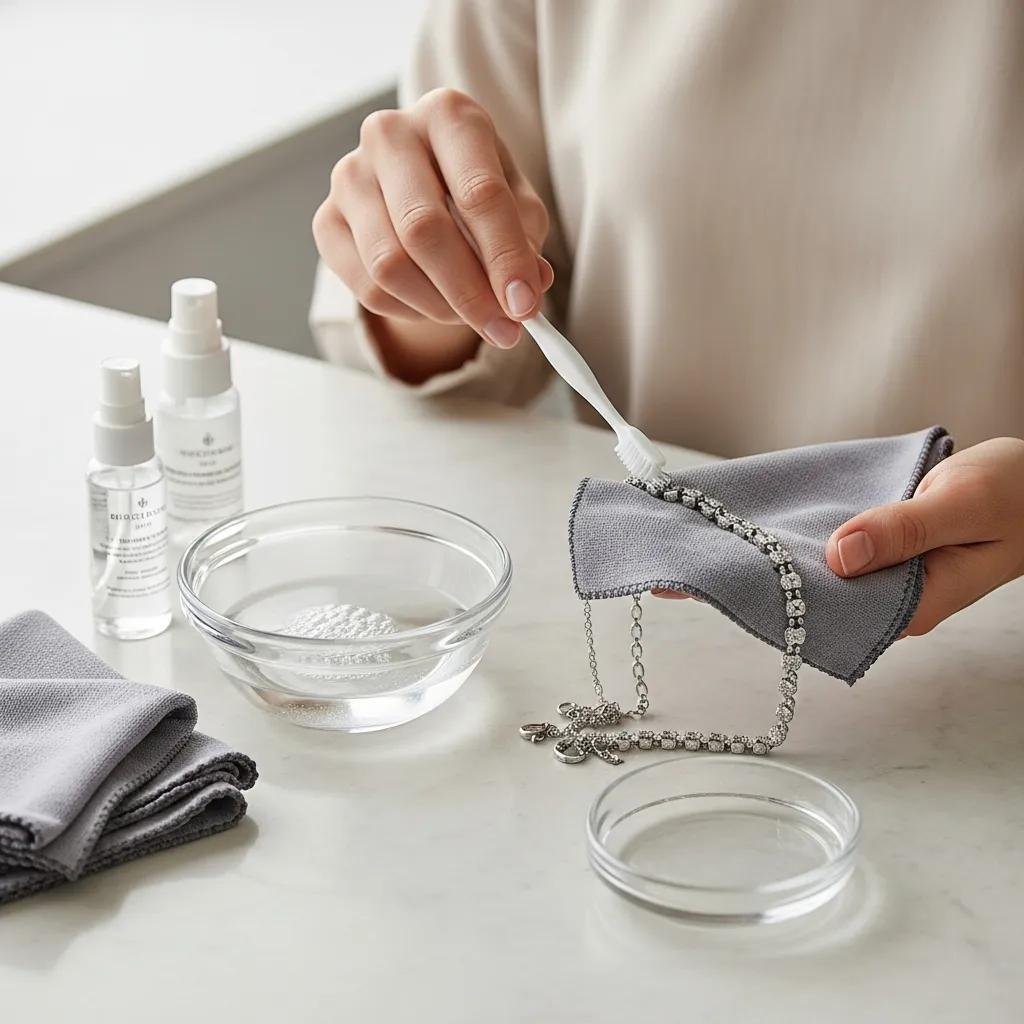
- Use Mild Soap: Mix a few drops of mild dish soap with warm water.
- Soak and Brush: Soak the necklace for a few minutes, then gently brush with a soft toothbrush to remove dirt.
- Rinse and Dry: Rinse thoroughly with clean water and dry with a soft cloth.
This cleaning method effectively removes dirt and oils without damaging the diamond or metal components.
Which Cleaning Materials and Techniques Are Recommended?
When cleaning lab-grown diamond necklaces, it is essential to use the right materials and techniques. Recommended cleaning materials include:
- Mild Dish Soap: Safe for cleaning without causing damage.
- Soft Toothbrush: Ideal for gently scrubbing intricate designs.
- Microfiber Cloth: Perfect for drying and polishing without scratching.
Using these materials ensures that your necklaces remain clean and well-maintained.
What Common Storage Mistakes Should Be Avoided for Lab Grown Diamond Necklaces?
Avoiding common storage mistakes is crucial for preserving the quality of your lab-grown diamond necklaces. Being aware of these pitfalls can help you protect your jewelry effectively.
Which Items Should Not Be Stored Together with Diamond Necklaces?
- Other Jewelry: Mixing different types of jewelry can lead to scratches and tangling.
- Harsh Chemicals: Items like perfumes and cleaning products can damage the metal and stones.
- Heavy Objects: Storing necklaces under heavy items can cause bending or breaking.
By keeping these items separate, you can maintain the integrity of your necklaces.
How to Avoid Environmental and Physical Damage During Storage?
To avoid environmental and physical damage during storage, consider the following tips:
- Control Humidity: Use silica gel packets to absorb excess moisture in the storage area.
- Store in a Cool Place: Keep jewelry away from direct sunlight and heat sources.
- Use Protective Cases: Invest in protective cases that shield your jewelry from dust and scratches.
Implementing these strategies will help ensure that your lab-grown diamond necklaces remain safe and beautiful for years to come.