How to Choose Eco-Friendly Engagement Rings
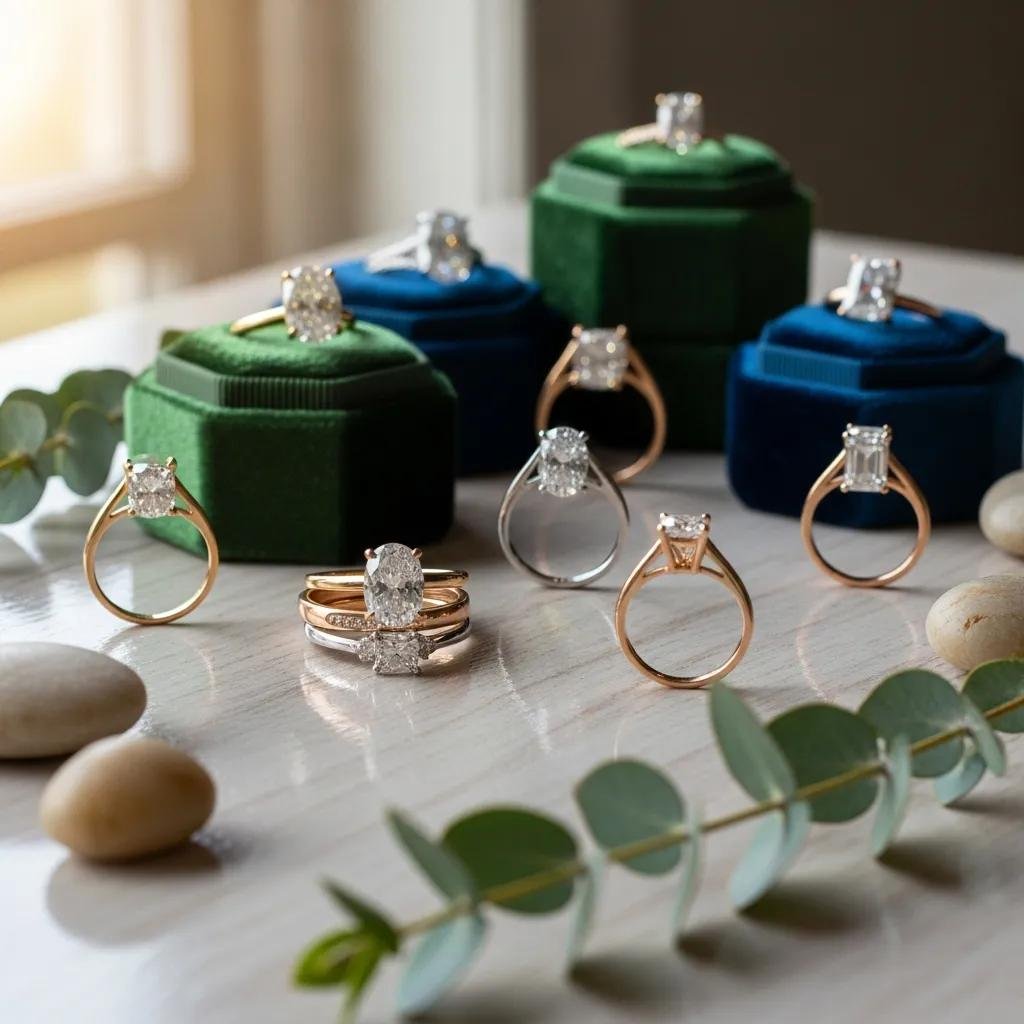
How to Choose Eco-Friendly Engagement Rings: A Guide to Lab Grown, Recycled, and Ethical Options
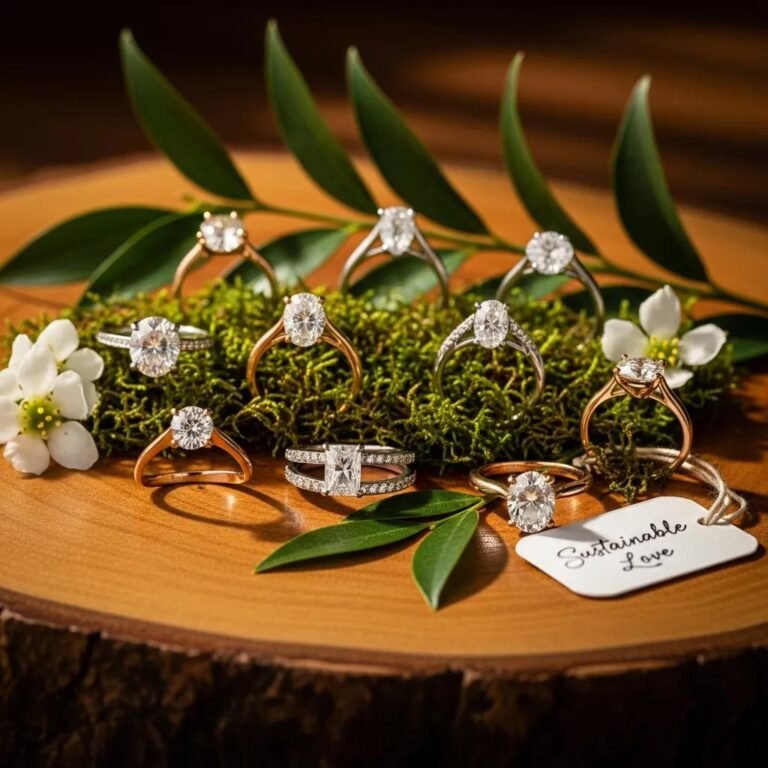
Choosing an engagement ring is a significant decision, and many couples today are prioritizing eco-friendliness in their selections. Eco-friendly engagement rings not only symbolize love but also reflect a commitment to sustainability and choosing ethical for weddings. This guide will explore various sustainable engagement ring options, including lab-grown diamonds, recycled metals, and conflict-free sourcing, helping you make an informed choice that aligns with your values. As environmental concerns grow, understanding the impact of your purchase and adhering to eco-friendly sourcing practices is crucial. This article will cover the benefits of lab-grown diamonds, the importance of recycled gold, how to identify ethical diamonds, and more, ensuring you find the perfect ring that is both beautiful and responsible.
What Are Lab Grown Diamond Engagement Rings and Why Are They Sustainable?
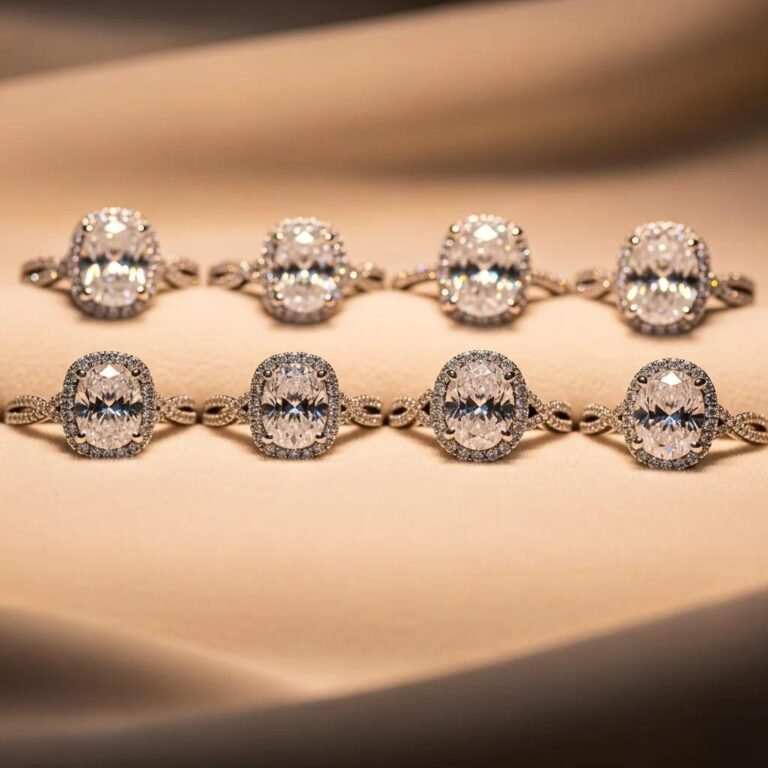
Lab-grown diamond engagement rings are created using advanced technology that replicates the natural diamond formation process. These diamonds are chemically and physically identical to mined diamonds but are produced in a controlled environment, significantly reducing their environmental impact. The sustainability of lab-grown diamonds stems from their lower carbon footprint and the absence of harmful mining practices. Additionally, they often come with certifications that guarantee their ethical production.
How Are Lab Grown Diamonds Created and Certified?
Lab-grown diamonds are created through two primary methods: High Pressure High Temperature (HPHT) and Chemical Vapor Deposition (CVD). Both processes involve replicating the natural conditions under which diamonds form. Certification bodies, such as the Gemological Institute of America (GIA) standards and the International Gemological Institute (IGI), provide verification of the diamond’s quality and origin. This certification helps consumers trust the ethical standards behind their purchase, although the GIA does not currently provide origin grading for lab-grown diamonds but certifies their quality and identifies them as lab-grown.
What Environmental Benefits Do Lab Grown Diamonds Offer Compared to Mined Diamonds?
The environmental benefits of lab-grown diamonds are substantial. They generally require less water and can have a lower carbon footprint compared to mined diamonds, which often involve extensive land disruption and ecosystem damage. However, the energy consumption of lab-grown diamonds can vary depending on the energy source used in production. Furthermore, lab-grown diamonds eliminate the risk of contributing to habitat destruction and pollution associated with traditional mining. Studies indicate that lab-grown diamonds can reduce carbon emissions by up to 60-70% compared to their mined counterparts, depending on production methods and energy sources, making them a more sustainable choice.
Why Choose Recycled Gold Engagement Rings for Sustainability?
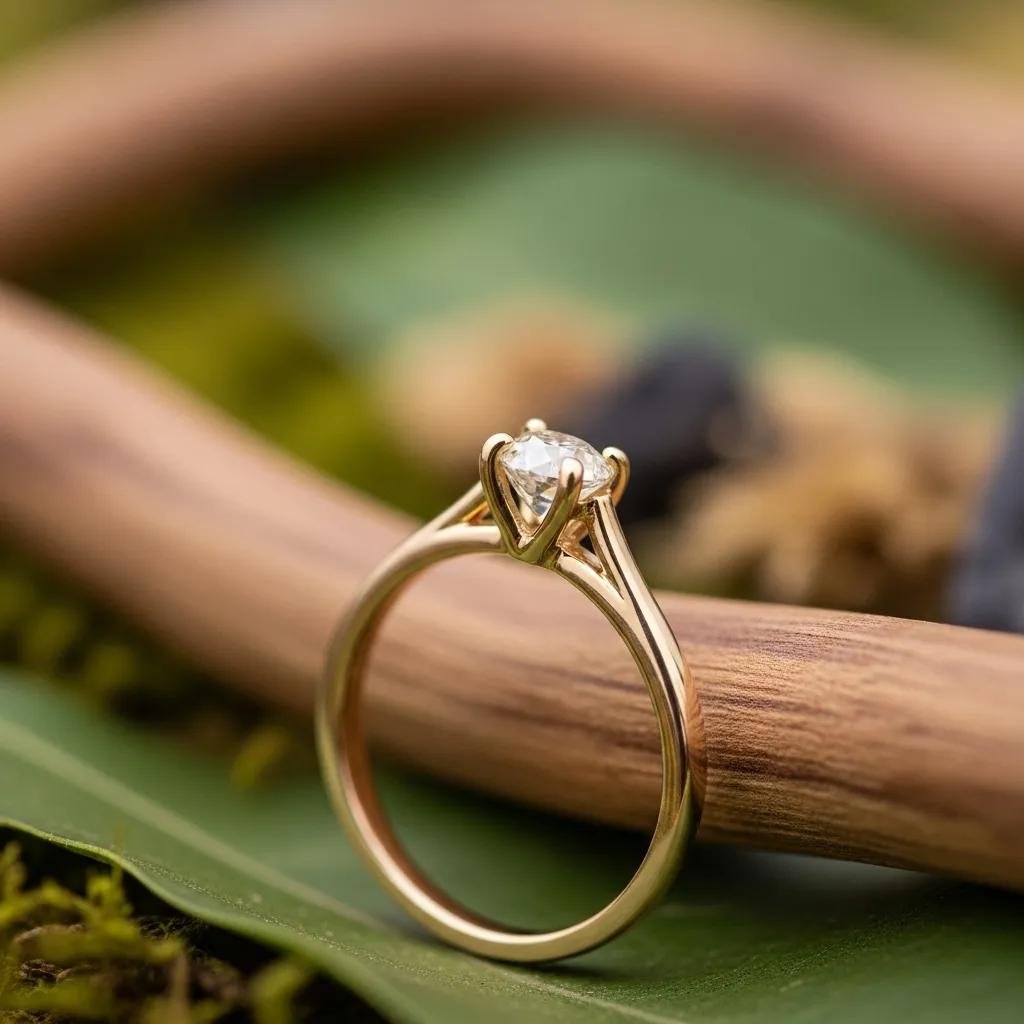
Recycled gold engagement rings are an excellent choice for those looking to minimize their environmental impact. By using gold that has already been mined and processed, these rings help reduce the demand for new mining operations, which can be harmful to the environment. Recycled gold retains its quality and beauty while promoting sustainability.
What Types of Recycled Metals Are Used in Eco-Friendly Rings?
Eco-friendly rings can be crafted from various types of recycled metals, including gold, silver, and platinum. Recycled gold is often sourced from old jewelry, electronics, and industrial scrap. This process not only conserves natural resources but also reduces the energy consumption associated with mining new metals. The use of recycled metals in jewelry ensures that the aesthetic appeal remains intact while supporting sustainable practices.
How Does Recycling Precious Metals Reduce Environmental Impact?
Recycling precious metals significantly reduces the environmental impact associated with mining. It conserves natural resources, minimizes energy consumption, and decreases greenhouse gas emissions. For instance, recycling one ton of gold can save up to 20 tons of carbon dioxide emissions. Additionally, it reduces the need for new mining operations, which can lead to habitat destruction and pollution. By choosing recycled metals, consumers can contribute to a more sustainable future.
Research further supports the significant environmental advantages of recycling gold over traditional mining.
Recycled Gold: Lower Environmental Impact Than Mining
The results show that high-value gold scrap recycling has a considerably lower environmental impact than electronic gold scrap recycling and mining. For example, high-value gold scrap recycling in Germany results in a cumulative energy demand (CED) of 820 MJ and a global warming potential (GWP) of 53 kg-CO2-Eq. per kg gold. In comparison, common datasets indicate CED and GWP levels of nearly 8 GJ and 1 t-CO2-Eq. per kg gold, respectively, for electronic scrap recycling and levels of 240 GJ and 16 t-CO2-Eq. per kg gold, respectively, for mining.
Environmental impact of high-value gold scrap recycling, B Fritz, 2020
How to Identify Conflict-Free and Ethical Diamond Rings?
Identifying conflict-free and ethical diamond rings is essential for consumers who want to ensure their purchase does not contribute to human rights abuses. Ethical diamonds are sourced from mines that adhere to strict labor and environmental standards.
What Certifications Ensure Ethical Sourcing of Diamonds?

Several certifications can help consumers identify ethical diamonds. The Kimberley Process Certification Scheme (KPCS) aims to prevent the trade of conflict diamonds by ensuring that diamonds are sourced from conflict-free zones. Additionally, certifications from organizations like the Responsible Jewellery Council (RJC) standards guarantee that diamonds are mined and traded under ethical conditions. These certifications provide peace of mind for consumers looking to make responsible choices.
How Does the Kimberley Process and Responsible Jewellery Council Protect Consumers?
The Kimberley Process and the Responsible Jewellery Council play crucial roles in protecting consumers from conflict diamonds. The Kimberley Process requires that diamonds be certified as conflict-free before they can be sold, while the RJC sets standards for ethical practices in the jewelry supply chain. Together, these organizations help ensure that consumers can trust the origins of their diamonds and support ethical sourcing.
What Are Sustainable Wedding Bands Beyond Diamonds?
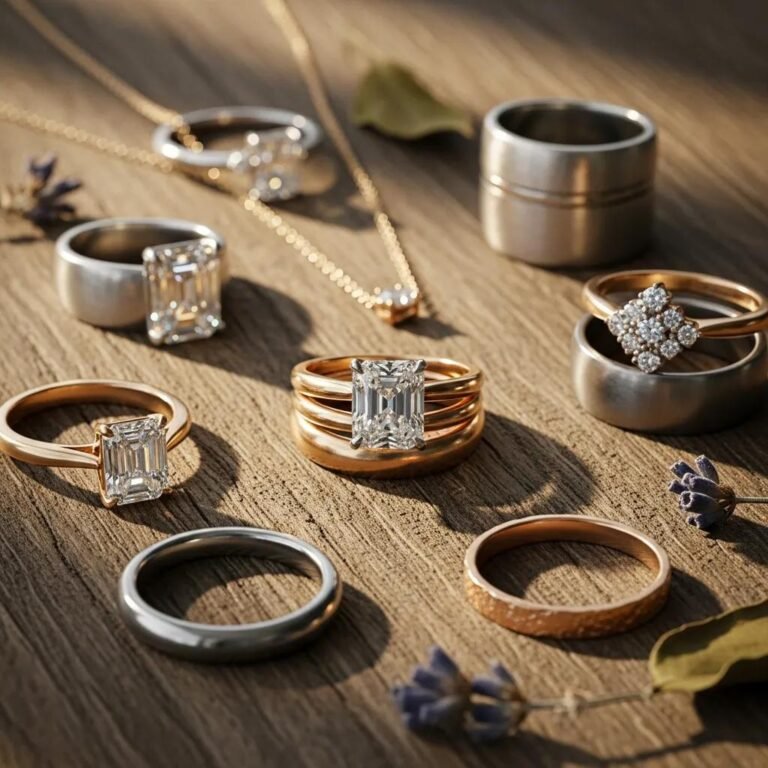
Eco-friendly wedding rings offer a variety of options beyond traditional diamond rings. Many couples are exploring alternative gemstones and vintage rings that align with their values.
Which Alternative Gemstones Are Ethical and Eco-Friendly?
Alternative gemstones such as sapphires, emeralds, and moissanite are becoming popular choices for eco-conscious couples. These stones can be sourced ethically and often have a lower environmental impact than diamonds. Additionally, many of these gemstones are available in lab-grown versions, providing a sustainable option without sacrificing beauty.
How Do Vintage and Heirloom Rings Support Sustainability?
Vintage and heirloom rings are excellent choices for those seeking sustainable options. By choosing a ring with history, couples can reduce the demand for newly mined materials. Vintage rings often come with unique designs and stories, adding sentimental value to the purchase. Furthermore, these rings are typically made from high-quality materials that have stood the test of time, making them a durable and sustainable choice.
How Can You Verify Transparency and Ethical Practices When Buying?
When purchasing an engagement ring, it’s essential to verify the transparency and ethical practices of the jeweler. This ensures that your ring is not only beautiful but also responsibly sourced.
What Questions Should You Ask Your Jeweler About Sourcing?
To ensure ethical sourcing, ask your jeweler about the origins of their diamonds and metals. Inquire about their certification processes and whether they can provide documentation for the materials used in your ring. Questions such as “Where do your diamonds come from?” and “What certifications do you have for your materials?” can help you gauge the jeweler’s commitment to ethical practices.
How to Confirm Certifications and Traceability of Materials?
Confirming certifications and traceability of materials involves requesting documentation from your jeweler. Reputable jewelers should be able to provide certificates for their diamonds and metals, detailing their origins and ethical sourcing practices. Additionally, you can research the certifications mentioned earlier to ensure they align with your values.
What Makes GemsGlitz.com a Leader in Eco-Friendly Engagement Rings?
GemsGlitz.com stands out as a leader in eco-friendly engagement rings by offering a wide range of ethically sourced and sustainable options. Their commitment to quality and transparency sets them apart in the jewelry industry.
How Does GemsGlitz Ensure Ethical Sourcing and Quality?
GemsGlitz.com ensures ethical sourcing by partnering with certified suppliers who adhere to strict environmental and labor standards. Their lab-grown diamonds and recycled metals are sourced from reputable providers, guaranteeing that each piece meets high ethical standards. This commitment to quality and sustainability is reflected in their product offerings.
What Lab Grown Diamond and Recycled Metal Options Does GemsGlitz Offer?
GemsGlitz.com offers a variety of lab-grown diamond and recycled metal options, catering to diverse tastes and preferences. Their collection includes stunning engagement rings crafted from recycled gold and ethically sourced lab-grown diamonds, providing couples with beautiful choices that align with their values. With a focus on craftsmanship and sustainability, GemsGlitz.com is dedicated to helping couples find the perfect eco-friendly engagement ring.
| Metal Type | Source | Environmental Impact |
|---|---|---|
| Recycled Gold | Old jewelry and electronics | Reduces mining needs and conserves resources |
| Lab-Grown Diamonds | Controlled environment | Lower carbon footprint and ethical production |
| Recycled Silver | Industrial scrap | Minimizes waste and energy consumption |
Choosing an eco-friendly engagement ring is a meaningful way to express love while supporting sustainable practices. By understanding the options available, including lab-grown diamonds, recycled metals, and ethical sourcing, couples can make informed decisions when selecting sustainable rings that reflect their values. GemsGlitz.com offers a range of beautiful, sustainable choices, ensuring that your engagement ring is not only a symbol of love but also a commitment to a better future.