How to Select a Sustainable Engagement Ring That Sparkles
How to Select a Sustainable Engagement Ring That Sparkles: Your Guide to Ethical Lab Grown, Recycled Gold, and Conflict-Free Options
Selecting an engagement ring is a significant decision, especially when considering the impact of your choice on the environment and society. This guide will help you navigate the world of sustainable engagement rings, focusing on ethical lab-grown diamonds, recycled metals, and conflict-free options. You’ll learn about the materials that define sustainability in jewelry, the benefits of choosing ethical options, and how to design a ring that reflects your values while still sparkling beautifully.
Many consumers are increasingly concerned about the ethical implications of their purchases, and this guide aims to provide clarity and confidence in making a responsible choice. We will explore the definitions of sustainable engagement rings, the advantages of lab-grown diamonds, the benefits of recycled metals, and how to identify conflict-free options.
What Defines a Sustainable Engagement Ring? Understanding Ethical and Eco-Friendly Jewelry
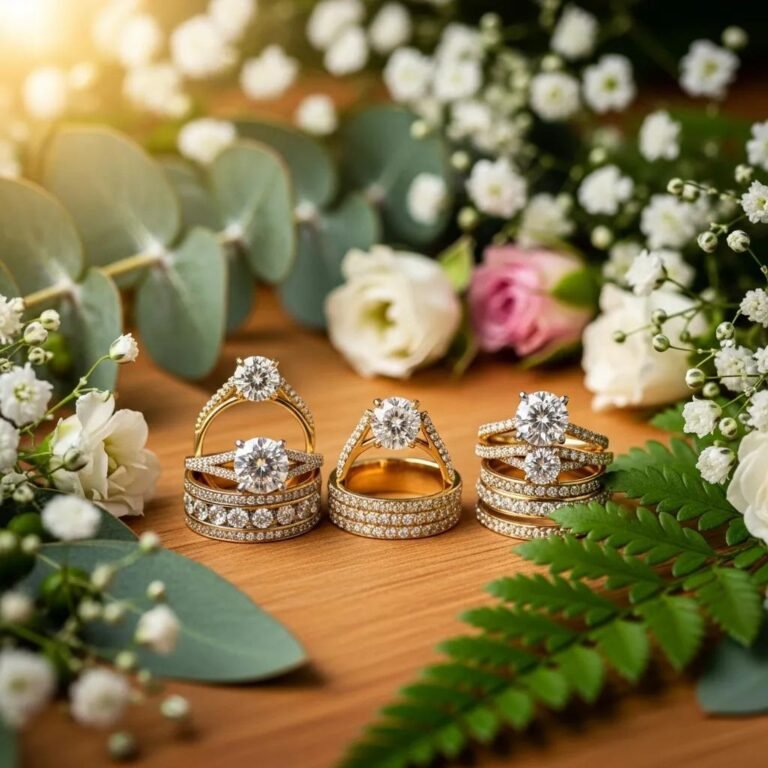
A sustainable engagement ring is characterized by its ethical sourcing, eco-friendly materials, and minimal environmental impact. These rings often feature lab-grown diamonds, recycled metals, or alternative gemstones, ensuring that your choice does not contribute to environmental degradation or unethical labor practices. The importance of sustainability in jewelry is underscored by the growing consumer demand for transparency and ethical practices in the industry. By choosing a sustainable engagement ring, you not only make a statement about your values but also support a more responsible jewelry market.
What Materials Make an Engagement Ring Sustainable? Lab-Grown Diamonds, Recycled Metals, and Alternatives
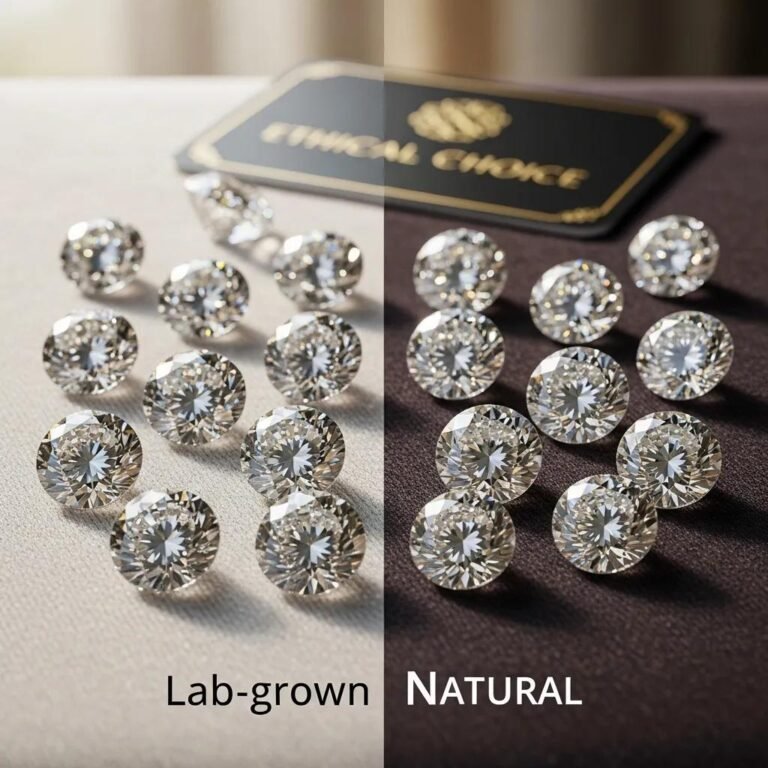
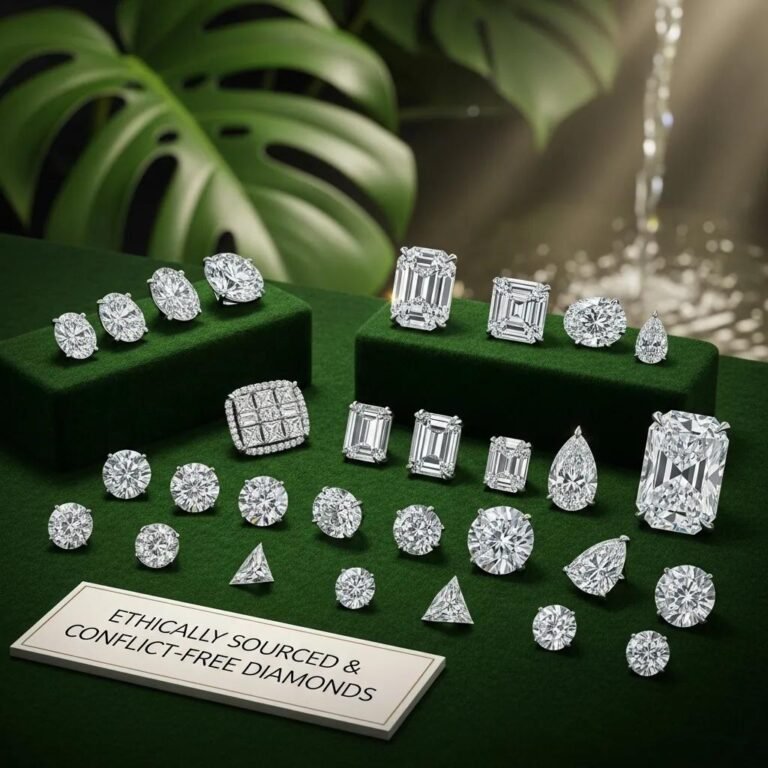
Sustainable engagement rings can be crafted from various materials that minimize environmental impact. Lab-grown diamonds are created using advanced technology that replicates the natural diamond formation process, resulting in stones that are chemically and physically identical to mined diamonds but without the associated ethical concerns. Recycled metals, such as gold and silver, are sourced from existing jewelry, reducing the need for new mining and its environmental consequences. Additionally, alternative gemstones like moissanite and sapphires offer beautiful options that are often more sustainable than traditional diamonds.
Why Ethical Sourcing and Transparency Matter in Sustainable Rings
Ethical sourcing is crucial in the jewelry industry, as it ensures that materials are obtained without exploiting workers or harming the environment. Transparency in the supply chain allows consumers to make informed choices about their purchases. Many brands now provide detailed information about the origins of their materials, helping buyers understand the impact of their decisions. By prioritizing ethical sourcing, consumers can support practices that promote fair labor conditions and environmental stewardship.
Why Choose Ethical Lab Grown Engagement Rings? Benefits and Considerations
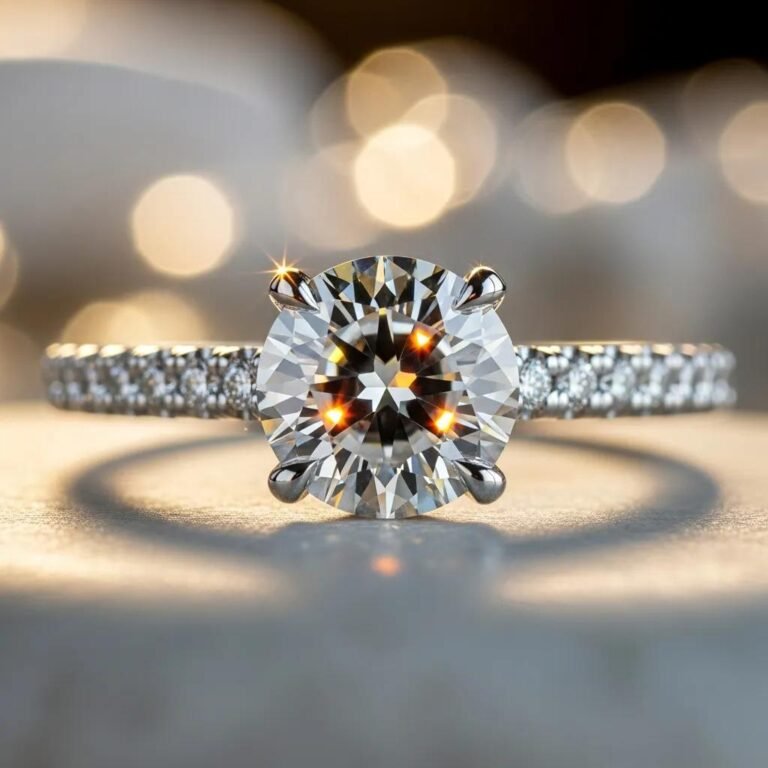
Choosing an ethical lab-grown engagement ring comes with numerous benefits. These diamonds are often more affordable than their mined counterparts, allowing couples to invest in a higher quality stone without breaking the bank. Additionally, lab-grown diamonds have a significantly lower environmental impact, as their production generally requires less energy and water compared to traditional mining, though energy use can vary depending on the production method and energy source. Furthermore, the quality of lab-grown diamonds is often comparable, with fewer inclusions and a more brilliant appearance.
How Are Lab-Grown Diamonds Created and Certified?
Lab-grown diamonds are created using two primary methods: Chemical Vapor Deposition (CVD) and High Pressure High Temperature (HPHT). Both processes produce diamonds that are virtually indistinguishable from mined diamonds. Certification bodies, such as the Gemological Institute of America (GIA) and the International Gemological Institute (IGI), provide grading reports that confirm the quality and authenticity of lab-grown diamonds, ensuring consumers can trust their purchases. These organizations also contribute to gemological sustainability practices within the industry.
Are Lab-Grown Diamonds Truly Sustainable and Conflict-Free?
Yes, lab-grown diamonds are considered sustainable and conflict-free. Unlike mined diamonds, which can be associated with human rights abuses and environmental destruction, lab-grown diamonds are produced in controlled environments that adhere to ethical standards. Studies show that lab-grown diamonds generally have a lower carbon footprint than mined diamonds, making them a responsible choice for environmentally conscious consumers.
Exploring Recycled Gold Diamond Rings and Other Eco-Friendly Metal Options
Recycled gold diamond rings are an excellent choice for those looking to minimize their environmental impact. By using metals that have already been mined, the jewelry industry can reduce the demand for new mining operations, which are often harmful to ecosystems and communities. Recycled metals can be just as beautiful and durable as newly mined options, making them a sustainable alternative.
What Are the Environmental Benefits of Recycled Gold, Platinum, and Silver?
The environmental benefits of using recycled metals are substantial. Recycling gold, platinum, and silver reduces the need for mining, which can lead to habitat destruction, soil erosion, and water pollution. Additionally, recycling metals consumes significantly less energy compared to mining new materials. For instance, recycling gold uses up to 90% less energy than mining, making it a far more sustainable option.
Further research underscores the significant environmental advantages of recycling precious metals over traditional mining.
Recycled Gold’s Lower Environmental Impact
3. This study contains the corresponding inventories and thus enables other interested parties to use these processes for their own LCA studies. The results show that high-value gold scrap recycling has a considerably lower environmental impact than electronic gold scrap recycling and mining. For example, high-value gold scrap recycling in Germany results in a cumulative energy demand (CED) of 820 MJ and a global warming potential (GWP) of 53 kg-CO2-Eq. per kg gold. In comparison, common datasets indicate CED and GWP levels of nearly 8 GJ and 1 t-CO2-Eq. per kg gold, respectively, for electronic scrap recycling and levels of 240 GJ and 16 t-CO2-Eq. per kg gold, respectively, for mining.
Environmental impact of high-value gold scrap recycling, B Fritz, 2020
How to Identify Quality and Authenticity in Recycled Metal Jewelry
When purchasing recycled metal jewelry, it’s essential to look for certifications and quality indicators. Reputable jewelers will provide information about the sourcing of their metals and may offer certifications that verify the authenticity of recycled materials, often adhering to recognized environmental certification standards.
What Are the Best Conflict-Free Engagement Rings and Certifications to Trust?
When searching for conflict-free engagement rings, it’s crucial to understand the certifications that guarantee ethical sourcing. Various organizations provide certifications that ensure diamonds and other materials are sourced responsibly, protecting both the environment and workers’ rights.
How Does the Kimberley Process Ensure Conflict-Free Diamonds?
The Kimberley Process is an international certification scheme that aims to prevent the trade of conflict diamonds. It requires member countries to certify that diamonds are sourced from conflict-free zones, ensuring that they do not finance violence or human rights abuses. While the Kimberley Process has made significant strides, it has limitations and critics, so consumers should remain vigilant and seek additional certifications for added assurance.
A deeper look into the Kimberley Process reveals its structure and impact on preventing the trade of conflict diamonds.
Kimberley Process: Ensuring Conflict-Free Diamonds
1. The Kimberley Process Certification Scheme is an innovation in global governance that combines a voluntary industry-led certification system with an inter-state import/export control regime. States, industry, and activists speedily negotiated it in large part due to the concentrated structure of the industry, and the complementary nature of emerging norms regarding both corporate behavior and international intervention in civil conflicts. The potential strength of the Kimberley Process lies in its state-led border controls, but these are being undermined by weak national governments. This effort may not provide an effective model for regulating other “conflict commodities” because of the unique character of the diamond market.
The Kimberley process certification scheme: An innovation in global governance and conflict prevention, V Haufler, 2009
What Other Certifications Guarantee Fair Trade and Ethical Jewelry?
In addition to the Kimberley Process, other certifications such as Fairmined and the Responsible Jewellery Council (RJC) provide assurance of ethical practices in the jewelry industry. These certifications ensure that materials are sourced responsibly and that workers are treated fairly. By choosing jewelry from certified brands, consumers can support practices that promote responsible jewelry sourcing and contribute to a more sustainable industry.
Which Sustainable Diamond Alternatives Sparkle Ethically? Moissanite, Sapphires, and More
Sustainable diamond alternatives offer beautiful options for engagement rings without the ethical concerns associated with traditional diamonds. Moissanite, for example, is a lab-created gemstone that closely resembles diamonds in appearance and brilliance, often at a fraction of the cost. Other alternatives, such as sapphires and lab-grown colored diamonds, provide unique and stunning choices for those seeking something different.
What Are the Benefits of Choosing Moissanite and Other Ethical Gemstones?
Choosing moissanite and other ethical gemstones comes with several advantages. Moissanite is not only more affordable than diamonds, but it also boasts exceptional durability and brilliance. Additionally, these gemstones are often produced with minimal environmental impact, making them a responsible choice for eco-conscious consumers. By selecting alternative gemstones, couples can find unique rings that reflect their personal style while supporting sustainable practices.
How to Source Ethical Gemstones Beyond Diamonds
When sourcing ethical gemstones, it’s essential to research reputable suppliers who prioritize sustainability and ethical practices. Look for jewelers who provide transparency about their sourcing methods and offer certifications for their gemstones. Additionally, consider exploring vintage or pre-owned options, which can provide unique pieces while reducing the demand for new mining.
How to Design Your Eco-Friendly Engagement Ring: Vintage, Custom, and Ethical Jeweler Choices
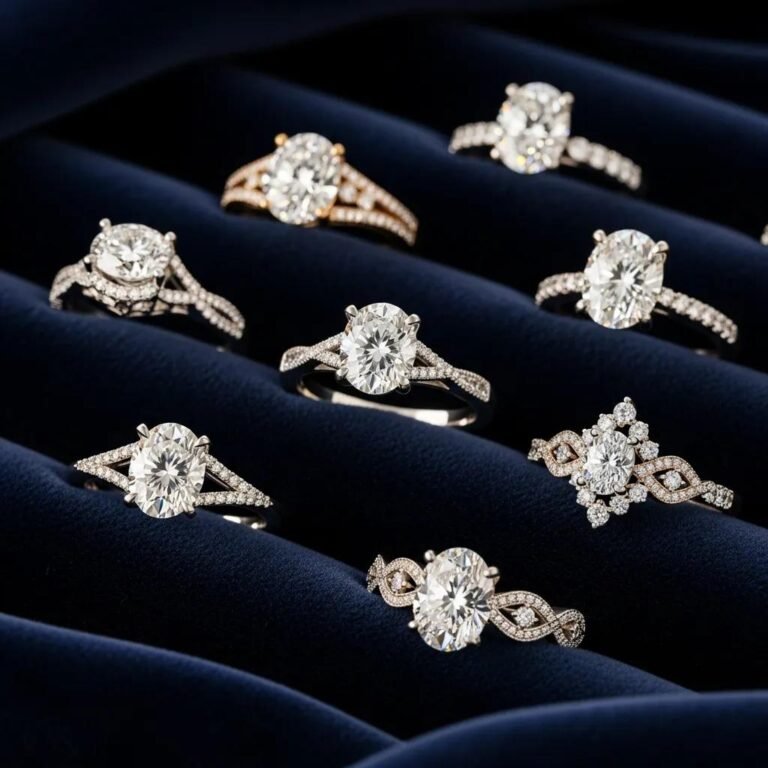
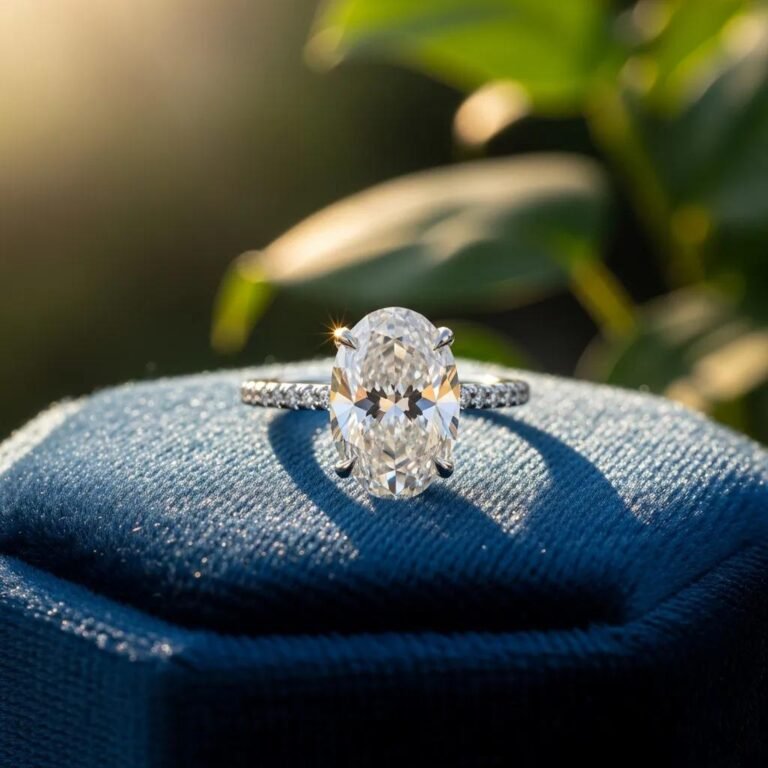
Designing an eco-friendly engagement ring allows couples to create a unique piece that reflects their values and style. By choosing vintage, custom, or ethically sourced options, you can ensure that your ring is both beautiful and sustainable.
Why Consider Vintage and Pre-Owned Rings for Ultimate Sustainability?
Vintage and pre-owned rings are excellent choices for sustainability, as they reduce the demand for new materials and mining. These rings often come with unique histories and stories, adding sentimental value to your purchase. Additionally, choosing vintage pieces can be more cost-effective, allowing couples to invest in higher quality or more intricate designs.
How to Choose an Ethical Jeweler and Customize Your Sustainable Ring
When selecting an ethical jeweler, look for those who prioritize transparency and sustainability in their practices. Ask about their sourcing methods and certifications, and consider visiting their workshop to see their processes firsthand. Customizing your ring allows you to incorporate sustainable materials and design elements that reflect your personal style, ensuring that your engagement ring is truly one-of-a-kind.