Lab Grown Diamond Engagement Rings: The Complete Guide to Ethical and Affordable Luxury
Lab Grown Diamond Engagement Rings: The Complete Guide to Ethical and Affordable Luxury
About the Author
Learn more about our expertise
Dr. Elara Vance
Certified Gemologist & Ethical Sourcing Specialist
Dr. Elara Vance is a renowned gemologist and a leading advocate for sustainable practices in the jewelry industry. With over 15 years of experience, her expertise spans diamond grading, ethical sourcing, and the technological advancements in lab-grown diamonds. As a passionate educator, she aims to empower consumers with knowledge to make informed, values-driven choices. Her insights have been featured in numerous industry publications, establishing her as a trusted voice in the world of ethical luxury.
Lab grown diamond engagement rings are revolutionizing the jewelry industry by offering a sustainable and affordable alternative to traditional diamonds. This comprehensive guide will explore the intricacies of lab grown diamonds, including their manufacturing processes, ethical benefits, and how they compare to natural diamonds in terms of cost and style. Many couples today are seeking engagement rings that not only symbolize their love but also align with their values of sustainability and ethical sourcing. In this article, we will delve into the definition of lab grown diamonds, their environmental impact, popular styles, and customization options available for your perfect ring.
Indeed, the modern consumer, particularly younger generations, is increasingly driven by ethical considerations when making significant purchases like engagement rings.
Ethical Consumption & Lab-Grown Diamonds for Gen Z
New generations of consumers increasingly recognized the importance of ethical consumption of a luxury product. Bitter lines in the news, child labor and conflicts such as “Blood diamonds” created an uncertain environment in which the new generation Gen Z, nowadays does not feel comfortable to buy unconsciously.
Lab-grown diamond–the shape of tomorrow’s jewelry, 2021
What Are Lab Grown Diamonds and How Are They Made?
Lab grown diamonds are created using advanced technological processes that replicate the natural conditions under which diamonds form in the earth. These diamonds possess the same physical, chemical, and optical properties as natural diamonds, making them indistinguishable to the naked eye. The two primary methods for producing lab grown diamonds are Chemical Vapor Deposition (CVD) and High Pressure High Temperature (HPHT).
What Defines a Lab Created Diamond Compared to Natural Diamonds?
Lab created diamonds are chemically identical to natural diamonds, consisting of carbon atoms arranged in a crystal structure. However, the key difference lies in their origin; lab created diamonds are manufactured in controlled environments, while natural diamonds are formed over millions to billions of years deep within the earth. This distinction leads to several misconceptions, such as the belief that lab created diamonds are of lesser quality. In reality, they offer the same brilliance and durability as their natural counterparts.
How Do CVD and HPHT Manufacturing Processes Work?
The CVD process involves placing a diamond seed in a chamber filled with carbon-rich gas, which is then heated to create a plasma. This plasma allows carbon atoms to deposit onto the seed, gradually forming a diamond. Conversely, the HPHT method mimics the natural diamond formation process by applying high pressure and temperature to carbon, resulting in diamond growth. Both methods produce high-quality diamonds that are typically certified by reputable gemological laboratories such as the International Gemological Institute (IGI) or the Gemological Institute of America (GIA), ensuring their authenticity and quality.
Why Choose Ethical and Sustainable Lab Grown Diamond Engagement Rings?
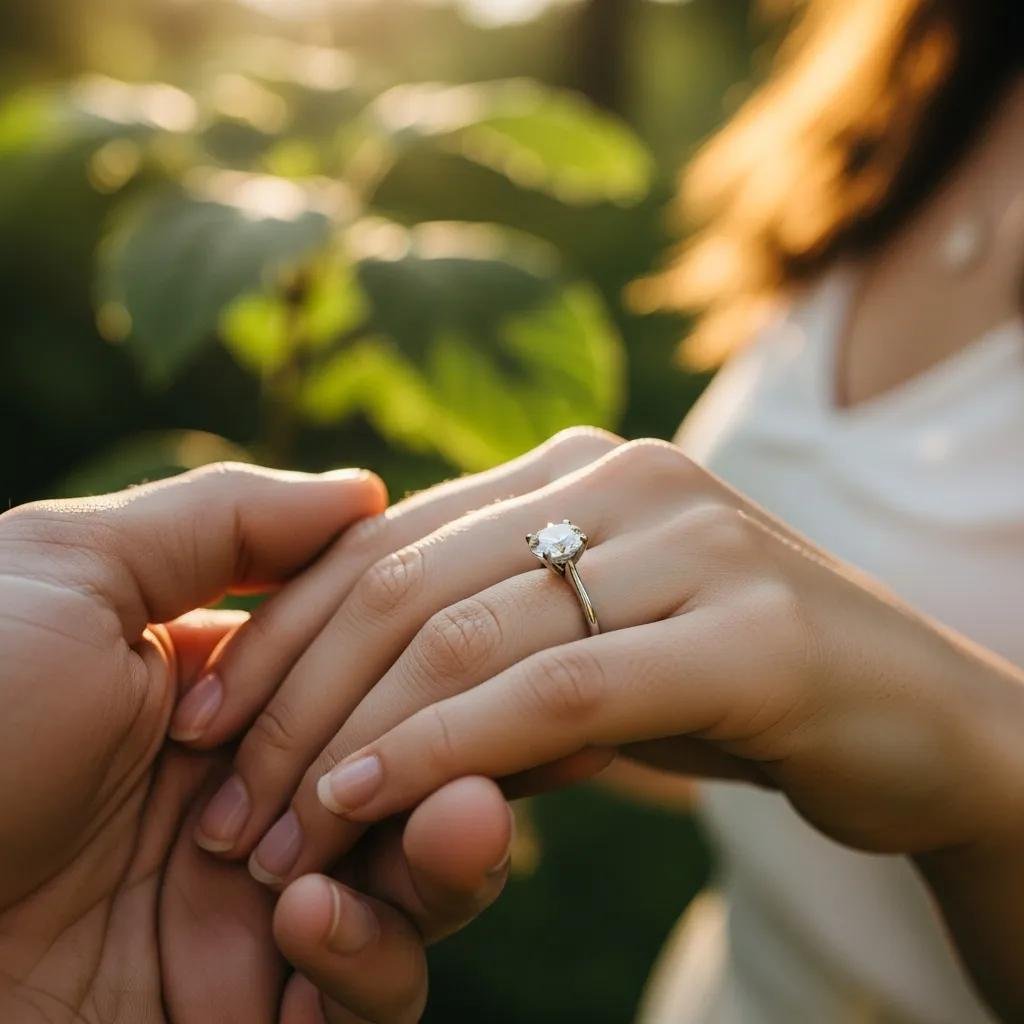
Choosing lab grown diamond engagement rings is not only a stylish choice but also an ethical one. These diamonds are produced without the environmental degradation and human rights abuses often associated with traditional diamond mining.
This shift towards lab-grown diamonds is largely fueled by a desire to avoid the well-documented issues of conventional mining, offering a more sustainable and cost-effective alternative.
Lab-Grown Diamonds: Sustainable, Ethical, and Affordable
conventional diamond mining is rife with environmental and ethical concerns. Lab-grown diamonds present a sustainable alternative to deep-seated diamond mining by simulating natural conditions to produce the precious stones above ground in a span of six weeks. This allows for up to a 30% reduction in the cost of diamond production compared to conventional mining methods.
Sustainable Sparkle: The Emergence and Impact of Lab-Grown Diamonds in India’s
Diamond Capital, AS George, 2024
How Do Lab Grown Diamonds Ensure Conflict-Free and Fair Labor Practices?
Lab grown diamonds are sourced from companies that adhere to strict ethical guidelines, ensuring that no conflict minerals are involved in their production. This traceability guarantees that the diamonds are conflict-free and that fair labor practices are upheld throughout the manufacturing process. By choosing lab grown diamonds, consumers can support ethical sourcing and contribute to a more sustainable jewelry industry.
What Is the Environmental Impact of Lab Grown Diamonds?
The environmental impact of lab grown diamonds is generally lower than that of natural diamonds. Traditional diamond mining can lead to deforestation, habitat destruction, and significant carbon emissions. In contrast, lab grown diamonds require less water and land disturbance, though their energy consumption can be significant depending on the energy source used. When powered by renewable energy, lab grown diamonds have a much smaller carbon footprint, making them an eco-friendly choice for environmentally conscious consumers.
Further emphasizing their ecological advantages, studies highlight the substantial reductions in greenhouse gas emissions, mineral waste, and water usage achievable through the adoption of lab-grown diamonds.
Environmental Benefits & Cost Savings of Lab-Grown Diamonds
lab-grown diamonds can reduce annual GHG emissions, mineral waste, and water usage by 9.58 Mt, 421.06 Mt, and 66.70 million m3 in 2100. The lab-grown diamond substitution policy could contribute to the diamond industry’s GHG mitigation and sustainability efforts in a cost-saving manner.
The environmental impacts and sustainable pathways of the global diamond industry, S Jiang, 2024
How Does the Affordability of Lab Grown Diamonds Compare to Natural Diamonds?
One of the most compelling reasons to choose lab grown diamonds is their affordability. Lab grown diamonds typically cost 20-40% less than natural diamonds, allowing couples to invest in larger or higher-quality stones without breaking the bank.
What Are the Price Differences Between Lab Created and Natural Diamonds?
The price differences between lab created and natural diamonds can be substantial. For example, a 1-carat lab grown diamond may cost around $1,500 to $3,000, while a similar natural diamond could range from $4,000 to $6,000 or more, depending on its quality and origin. This price disparity allows consumers to make more informed choices based on their budget and preferences.
How Can You Maximize Your Budget with Lab Grown Diamond Rings?
To maximize your budget when purchasing a lab grown diamond ring, consider the following tips:
- Choose a Slightly Lower Carat Weight: Opting for a 0.9-carat diamond instead of a full 1-carat can save you money while still providing a stunning appearance.
- Select a Simpler Setting: A classic solitaire setting can highlight the diamond’s beauty without adding unnecessary costs.
- Consider Alternative Shapes: Fancy shapes like oval or pear can often be less expensive than round diamonds, allowing for a larger appearance at a lower price.
By implementing these strategies, you can find a beautiful lab grown diamond engagement ring that fits your budget.
What Are the Popular Styles and Features of Lab Grown Diamond Engagement Rings?
Lab grown diamond engagement rings come in a variety of styles and features, catering to diverse tastes and preferences.
Which Engagement Ring Styles Are Trending in 2026?
As we look ahead to 2026, several engagement ring styles are gaining popularity. Vintage-inspired designs, featuring intricate details and unique settings, are making a comeback. Additionally, minimalist styles with clean lines and simple settings are appealing to modern couples seeking elegance without excess.
What Diamond Shapes and Metal Settings Are Available?
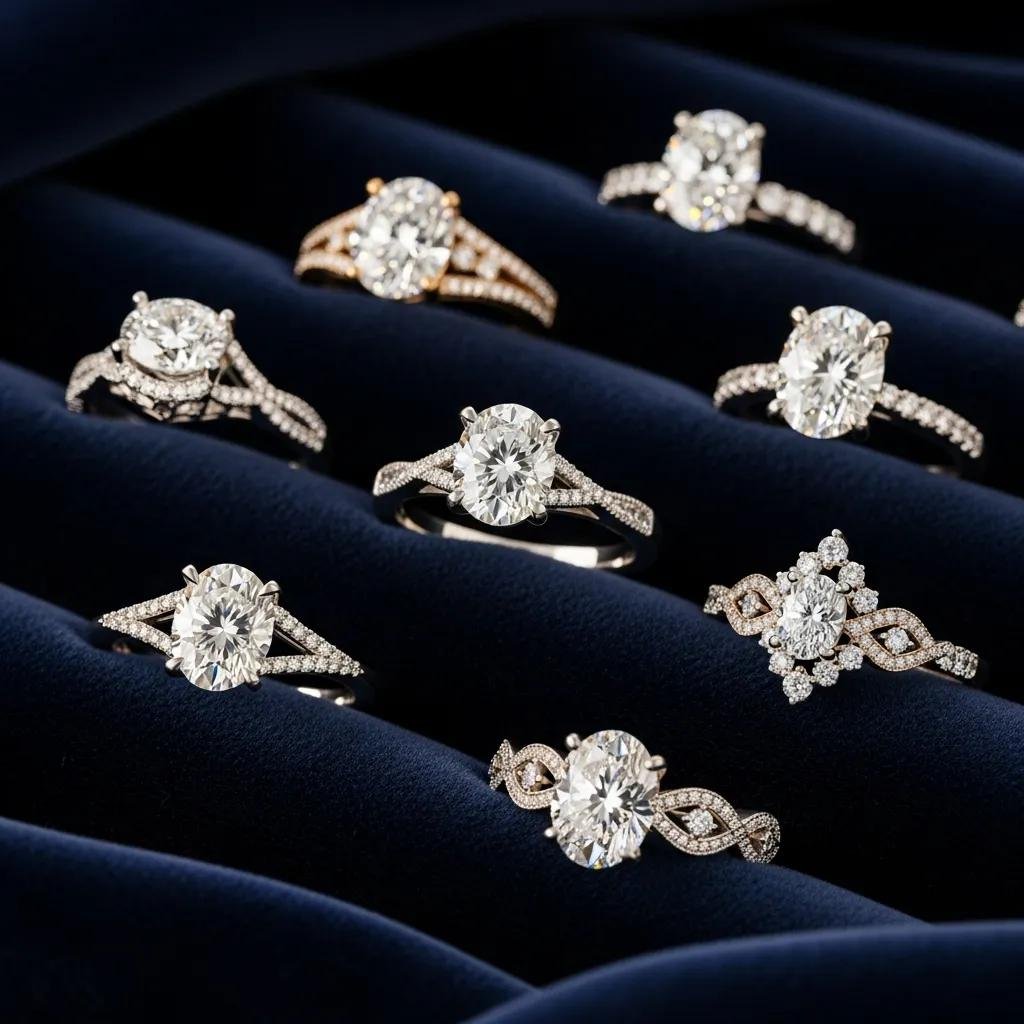
Lab grown diamonds are available in various shapes, including round, princess, oval, and cushion cuts. Each shape offers a distinct look and can be paired with different metal settings, such as white gold, yellow gold, or rose gold. This versatility allows couples to customize their rings to reflect their personal style.
How Can You Customize and Certify Your Lab Grown Diamond Engagement Ring?
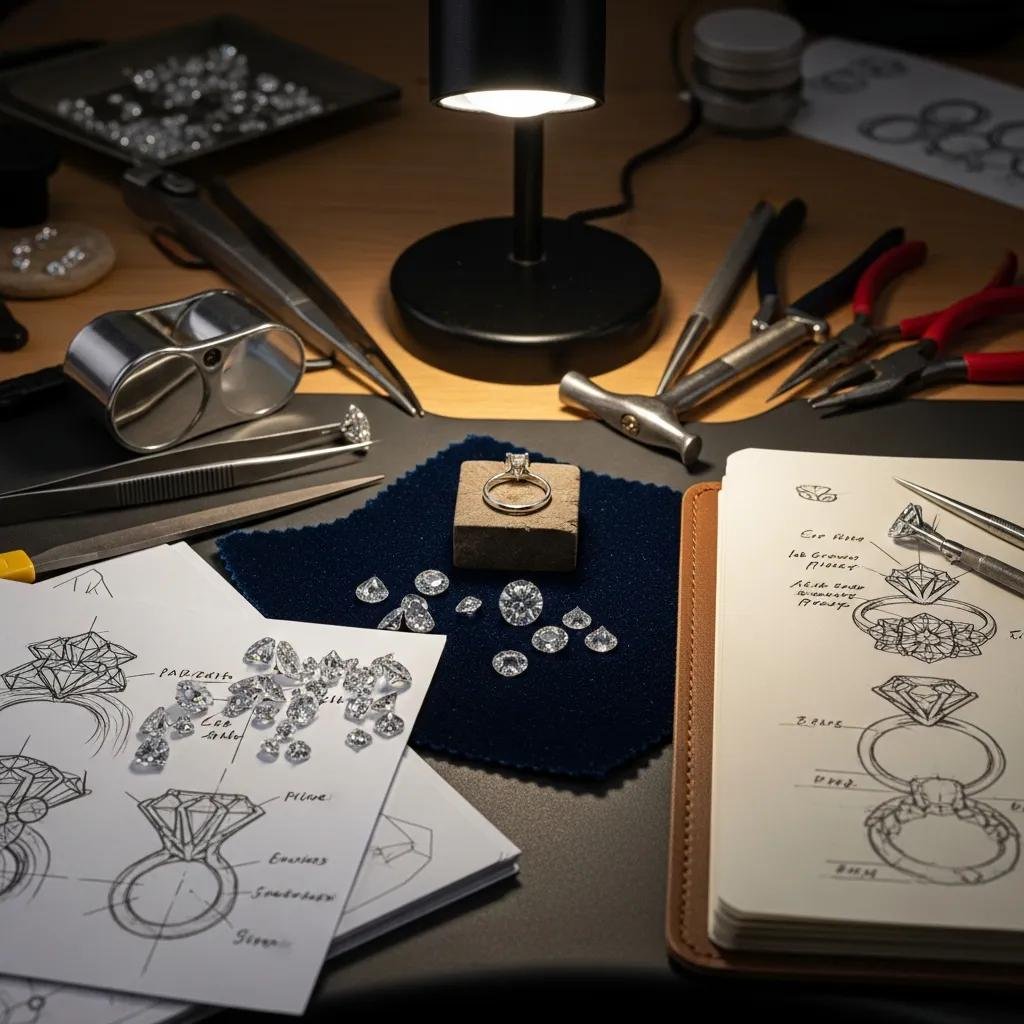
Customization is a key advantage of choosing lab grown diamonds. Many retailers offer options to design a unique engagement ring that perfectly suits your partner’s taste.
What Certification Standards Apply to Lab Grown Diamonds?
Lab grown diamonds are typically certified by reputable organizations such as the International Gemological Institute (IGI) or the Gemological Institute of America (GIA). These certifications ensure that the diamonds meet specific quality standards, providing peace of mind to consumers regarding their purchase.
How to Design a Unique Ethical Engagement Ring?
When designing a unique ethical engagement ring, consider the following elements:
- Select the Diamond Shape: Choose a shape that resonates with your partner’s style.
- Choose the Metal Setting: Decide on a metal that complements the diamond and fits your partner’s preferences.
- Incorporate Personal Touches: Add engravings or unique design elements that reflect your relationship.
By thoughtfully considering these aspects, you can create a one-of-a-kind engagement ring that symbolizes your love and commitment.
| Diamond Type | Price Range | Certification |
|---|---|---|
| Lab Grown | $1,500 – $3,000 | IGI, GIA |
| Natural | $4,000 – $6,000+ | GIA, AGS |
| Vintage | $2,500 – $6,000 | IGI, GIA |
This table illustrates the price ranges and certification standards for different types of diamonds, highlighting the affordability and quality assurance of lab grown diamonds.
Lab grown diamond engagement rings offer a beautiful, ethical, and affordable alternative to traditional diamonds. By understanding the manufacturing processes, ethical implications, and customization options available, couples can make informed decisions that align with their values and budget. As the demand for sustainable luxury continues to grow, lab grown diamonds are poised to become the preferred choice for discerning consumers.
Frequently Asked Questions
What are the long-term benefits of choosing lab grown diamonds over natural diamonds?
Choosing lab grown diamonds offers several long-term benefits, including cost savings and ethical assurance. Since they are typically 20-40% less expensive than natural diamonds, couples can invest in larger or higher-quality stones. Additionally, lab grown diamonds are produced without the environmental degradation and human rights abuses associated with traditional mining, making them a more responsible choice. As consumer awareness of ethical sourcing grows, lab grown diamonds are likely to maintain their value and appeal, aligning with the values of future generations.
How do I care for my lab grown diamond engagement ring?
Caring for your lab grown diamond engagement ring is essential to maintain its brilliance and longevity. Regular cleaning with a mild soap solution and a soft brush can help remove dirt and oils. Avoid exposing the ring to harsh chemicals or abrasive materials. It’s also advisable to have the ring professionally inspected and cleaned at least once a year to ensure the setting is secure and the diamond remains sparkling. Proper care will keep your ring looking beautiful for years to come.
Can lab grown diamonds be resized or repurposed?
Yes, lab grown diamonds can be resized or repurposed just like natural diamonds. If your finger size changes or you wish to update the style of your ring, a professional jeweler can resize the band or reset the diamond into a new design. This flexibility allows you to adapt your engagement ring to your evolving tastes or circumstances, making lab grown diamonds a versatile choice for lasting commitment.
Are there any warranties or guarantees for lab grown diamonds?
Many retailers offer warranties or guarantees for lab grown diamonds, similar to those for natural diamonds. These may cover issues such as manufacturing defects or damage to the diamond or setting. It’s important to inquire about the specific terms and conditions of any warranty before purchasing. Additionally, reputable retailers often provide certification from recognized gemological institutes, ensuring the quality and authenticity of the diamond, which adds an extra layer of assurance for consumers.
What should I consider when choosing a retailer for lab grown diamonds?
When selecting a retailer for lab grown diamonds, consider factors such as reputation, certification, and customer service. Look for retailers that provide certification from recognized gemological organizations like IGI or GIA, as this ensures the quality of the diamonds. Additionally, read customer reviews and testimonials to gauge the retailer’s reliability and service quality. A knowledgeable and responsive customer service team can also enhance your shopping experience, helping you make informed decisions about your purchase.
How do lab grown diamonds compare in resale value to natural diamonds?
Lab grown diamonds generally have a lower resale value compared to natural diamonds. This is primarily due to their more affordable initial price and the perception that they are less rare. However, as consumer preferences shift towards ethical and sustainable options, the resale market for lab grown diamonds may evolve. It’s essential to consider your long-term intentions with the diamond, as many buyers prioritize the ethical implications and personal significance over potential resale value.
Conclusion
Lab grown diamond engagement rings provide a stunning, ethical, and budget-friendly alternative to traditional diamonds, allowing couples to celebrate their love without compromising their values. By choosing these sustainable gems, consumers can enjoy the same beauty and quality as natural diamonds while supporting fair labor practices and reducing environmental impact. As the jewelry industry evolves, embracing lab grown diamonds is a step towards a more responsible and conscious future. Discover our exquisite collection of lab grown diamond rings today and find the perfect symbol of your commitment.