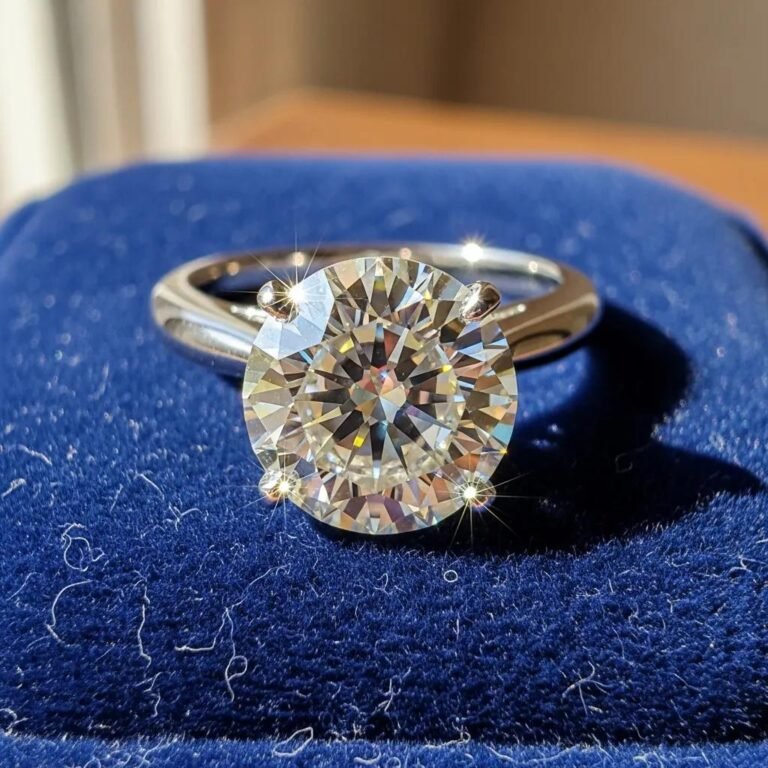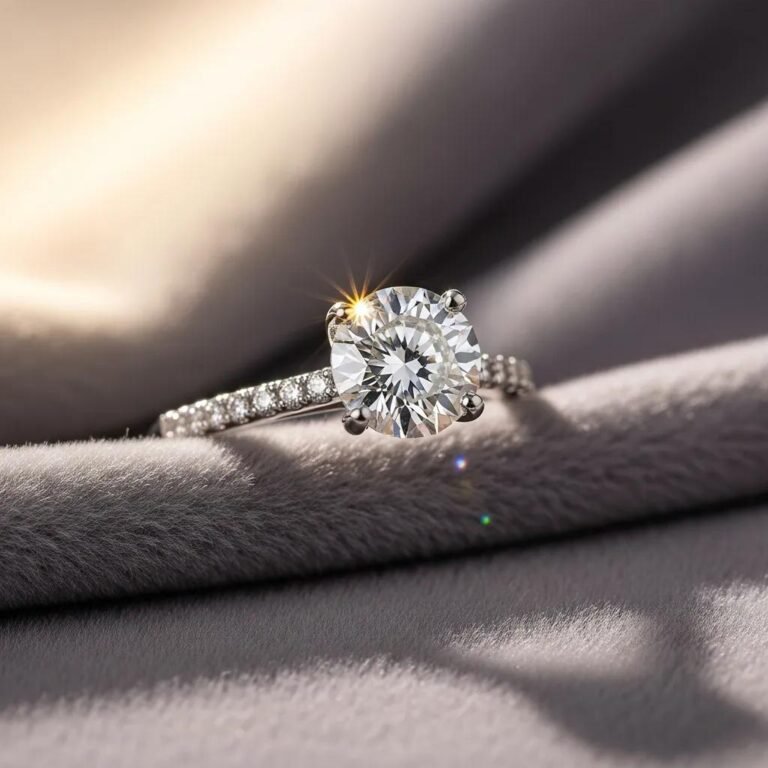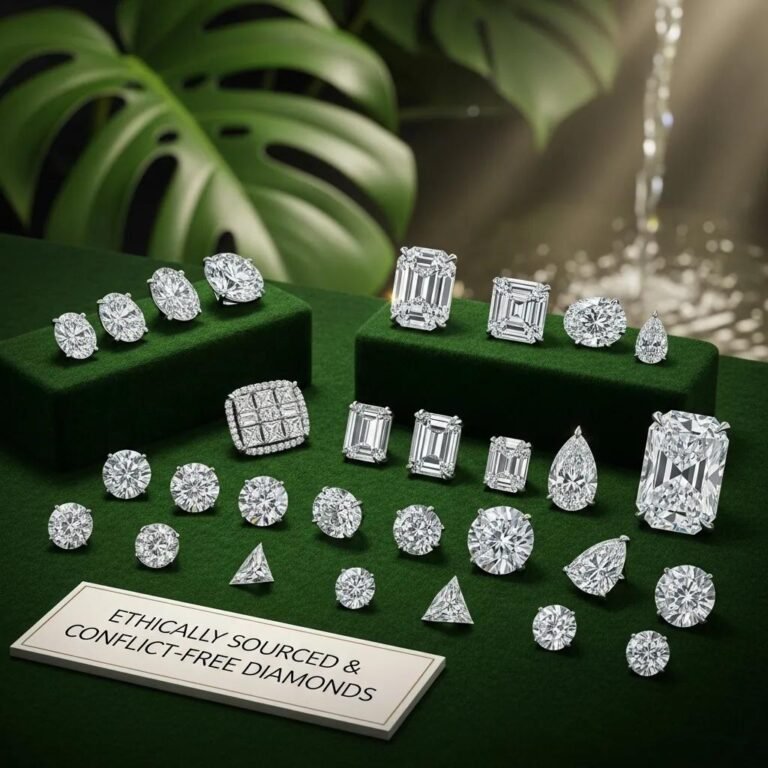
Essential Tips for Preventing Common Diamond Jewelry Care Mistakes
Essential Tips for Preventing Common Diamond Jewelry Care Mistakes: A Complete Guide to Cleaning, Storing, and Maintaining Lab-Grown Diamonds
Caring for diamond jewelry, especially lab-grown diamonds, is essential to maintain their brilliance and longevity. This comprehensive guide will provide you with essential tips to avoid common diamond jewelry care mistakes, ensuring your precious pieces remain in pristine condition. Many jewelry owners unknowingly make errors that can lead to damage or dullness, detracting from the beauty of their diamonds. By understanding the proper cleaning, storing, and maintenance techniques, you can protect your investment and enjoy your jewelry for years to come. In this article, we will explore common cleaning mistakes, safe cleaning methods, effective storage practices, the importance of professional inspections, and how ethical care enhances the longevity of lab-grown diamonds.
What Are the Most Common Diamond Cleaning Mistakes to Avoid?
Cleaning diamond jewelry is a delicate process, and many individuals make mistakes that can lead to damage. Understanding these common errors is crucial for maintaining the integrity of your diamonds. For a deeper dive into common pitfalls, consult GIA’s comprehensive guide on jewelry care mistakes.
- Using Harsh Chemicals: Many people use household cleaners that contain bleach or other harsh chemicals, which can damage the metal settings and cause discoloration, though diamonds themselves are highly resistant to most chemicals.
- Scrubbing Too Hard: Aggressive scrubbing can scratch softer metals or loosen the setting, leading to potential loss of the diamond.
- Neglecting Regular Cleaning: Failing to clean your diamond jewelry regularly can result in a buildup of dirt and oils, dulling its sparkle.
By avoiding these mistakes, you can ensure your diamond jewelry remains radiant and beautiful.
Which Chemicals Should You Avoid When Cleaning Diamond Jewelry?
When cleaning diamond jewelry, it’s essential to avoid certain chemicals that can cause harm. Common household cleaners often contain bleach or other abrasive substances that can damage the metal settings or cause discoloration. Ammonia-based cleaners are generally safe for diamonds but should be used cautiously and not on certain metals or treatments. For more detailed insights into material-specific care and durability, refer to gemstone durability research. Instead, opt for gentle cleaning solutions specifically designed for jewelry care.
How Can Improper Cleaning Damage Your Lab-Grown Diamonds?
Improper cleaning techniques can lead to various types of damage to lab-grown diamonds. For instance, using abrasive materials can scratch the metal settings, while harsh chemicals can cause discoloration or damage to the setting. Additionally, aggressive scrubbing can loosen the prongs that hold the diamond in place, increasing the risk of losing the stone. Understanding these risks is vital for preserving the beauty and value of your jewelry.
How To Clean Diamond Jewelry at Home Safely and Effectively?
Cleaning your diamond jewelry at home can be done safely and effectively with the right methods.
- Gentle Soap and Water: A mixture of mild dish soap and warm water is often sufficient for cleaning diamonds. Soak the jewelry for a few minutes, then gently brush with a soft toothbrush.
- Ultrasonic Cleaners: These devices can be effective for deep cleaning but should be used with caution, as they may not be suitable for all settings, especially those with fragile stones or certain treatments.
- Regular Maintenance: Establish a routine cleaning schedule to keep your diamonds sparkling.
By following these methods, you can maintain the beauty of your diamond jewelry without risking damage.
What Are Gentle At-Home Cleaning Methods for Lab-Grown Diamonds?
Gentle at-home cleaning methods for lab-grown diamonds include using a soft toothbrush and a mixture of warm water and mild soap. This method effectively removes dirt and oils without scratching the diamond or its setting. Additionally, using a lint-free cloth to dry the jewelry can help prevent water spots and maintain its shine.
How Often Should You Clean Your Diamond Jewelry for Optimal Care?
The frequency of cleaning your diamond jewelry depends on how often you wear it. For daily wear, cleaning every two weeks is recommended, while pieces worn less frequently can be cleaned monthly. Regular cleaning helps prevent the buildup of dirt and oils, ensuring your diamonds remain brilliant.
What Is the Best Way to Store Diamond Rings and Other Jewelry?
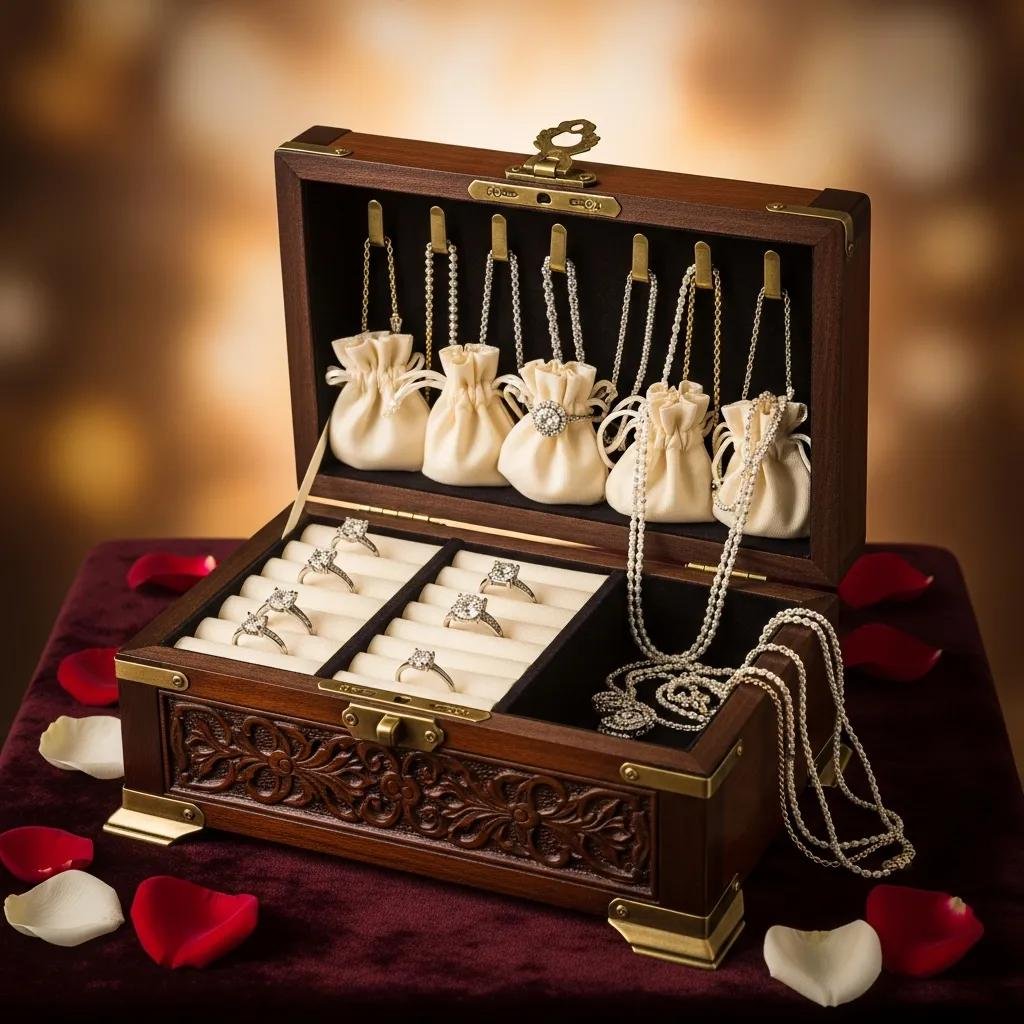
Proper storage of diamond jewelry is crucial to prevent scratches and damage.
- Separate Storage: Store each piece of jewelry separately to avoid scratching. Use soft pouches or individual compartments in a jewelry box.
- Avoid Humidity: Keep your jewelry in a dry place, as humidity can lead to tarnishing of metal components.
- Temperature Control: Extreme temperatures can affect the integrity of some metals and settings, so store it in a stable environment.
By following these storage practices, you can protect your diamond jewelry from potential damage.
How Do You Protect Diamond Jewelry from Scratches and Damage During Storage?
To protect diamond jewelry from scratches during storage, consider using soft pouches or lined compartments in your jewelry box. Avoid placing multiple pieces together, as this can lead to scratching. Additionally, keeping your jewelry in a cool, dry place will help prevent damage from humidity and temperature fluctuations.
When Should You Remove Your Diamond Jewelry to Prevent Damage?
There are specific situations when you should remove your diamond jewelry to prevent damage. Activities such as swimming, exercising, or doing household chores can expose your jewelry to harsh chemicals or physical stress. Additionally, removing your jewelry before applying lotions or perfumes can help prevent buildup on the diamond’s surface.
Why Is Professional Diamond Inspection Important and How Often Should It Be Done?
Regular professional inspections of your diamond jewelry are essential for maintaining its condition. These inspections can identify loose settings, worn prongs, or other issues that may require attention.
- Preventative Maintenance: Regular inspections can prevent costly repairs by addressing issues early.
- Professional Cleaning: Jewelers can provide deep cleaning that may not be achievable at home.
- Insurance Appraisals: Inspections can also help ensure your jewelry is properly appraised for insurance purposes, following jewelry insurance recommendations.
It is recommended to have your diamond jewelry inspected at least once a year.
How Can You Identify Loose Prongs and Settings Before Professional Checkups?
You can identify loose prongs and settings by gently wiggling the diamond in its setting. If it moves or feels loose, it’s time to seek professional help. Additionally, regularly checking for signs of wear or damage can help you catch issues early, ensuring your diamond remains secure.
When Should You Seek Professional Jewelry Repair Services?
Professional jewelry repair services should be sought when you notice any signs of damage, such as loose stones, broken clasps, or worn prongs. Ignoring these issues can lead to more significant problems, including the loss of your diamond. Regular maintenance and prompt repairs are essential for preserving the beauty and value of your jewelry.
How Does Ethical and Sustainable Care Enhance the Longevity of Lab-Grown Diamonds?
Caring for lab-grown diamonds in an ethical and sustainable manner not only benefits the environment but also enhances the longevity of the jewelry.
- Eco-Friendly Cleaning Solutions: Using biodegradable and non-toxic cleaning products helps protect the environment while maintaining your jewelry.
- Sustainable Practices: Supporting brands that prioritize ethical sourcing ensures that your jewelry is produced responsibly.
- Value Retention: Proper care and ethical practices can help maintain the value of your lab-grown diamonds over time.
By adopting these practices, you contribute to a more sustainable future while enjoying your beautiful jewelry.
What Are Eco-Friendly Jewelry Cleaning Solutions for Ethical Diamond Care?
Eco-friendly jewelry cleaning solutions include natural ingredients like mild dish soap and water. While vinegar, baking soda, and lemon juice are sometimes suggested, these acidic or abrasive substances can potentially damage certain metals or treatments and should be used with caution or avoided on delicate jewelry. These alternatives can clean diamonds without harsh chemicals, making them a safer choice for both your jewelry and the environment when used appropriately.
How Does Proper Care Support the Value of Ethically Sourced Lab Diamonds?
Proper care of ethically sourced lab diamonds supports their value by preventing damage and maintaining their appearance. Regular cleaning and professional inspections ensure that the jewelry remains in excellent condition, which is essential for retaining its market value. Additionally, ethical sourcing practices enhance the overall appeal of the jewelry, making it a more attractive investment.
| Cleaning Method | Effectiveness | Recommended Frequency |
|---|---|---|
| Mild Soap & Water | High | Every 2 weeks |
| Ultrasonic Cleaner | Medium | As needed, with caution |
| Professional Cleaning | Very High | Annually |
This table summarizes various cleaning methods for diamond jewelry, highlighting their effectiveness and recommended frequency for optimal care.
Diamond jewelry requires careful attention to maintain its beauty and value. By avoiding common cleaning mistakes, employing safe cleaning methods, and ensuring proper storage, you can protect your investment. Regular professional inspections and ethical care practices further enhance the longevity of your lab-grown diamonds, allowing you to enjoy their brilliance for years to come.