How to Care for Your Lab Grown Engagement Ring
How to Care for Your Lab Grown Engagement Ring: Complete Cleaning and Maintenance Guide
Caring for your lab-grown engagement ring is essential to maintain its beauty and long-term care strategies. This comprehensive ring care guide will provide you with the necessary best ring care practices to ensure your ring remains sparkling and in excellent condition. Lab-grown diamonds, known for their ethical sourcing and sustainability, require the same care as natural diamonds to preserve their brilliance. Many individuals overlook the importance of regular maintenance, which can lead to dullness and potential damage over time. This article will cover the significance of regular care, proper cleaning procedures, deep cleaning methods, protective measures, safe storage practices, and ethical care practices. By following these guidelines, you can keep your lab-grown engagement ring looking as stunning as the day you received it, much like a comprehensive consumer ring care guide would advise.
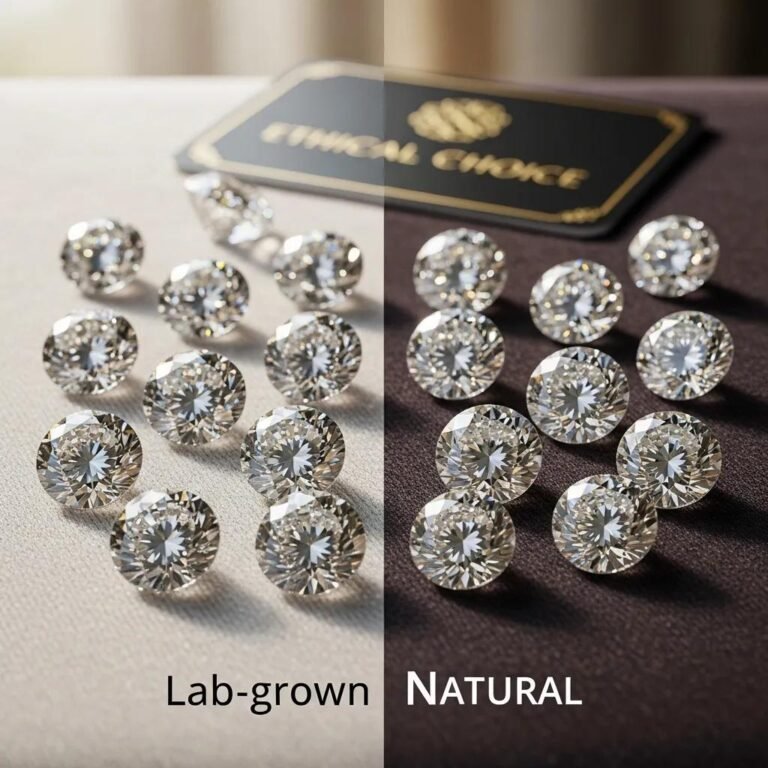
Indeed, the appeal of lab-grown diamonds stems significantly from their ethical and sustainable origins, offering a conscious alternative to traditional options.
Lab-Grown Diamonds: Ethical & Sustainable Engagement Rings
Mostly known for being one of the precious gifts to offer for a significant event such as engagement and wedding, diamonds continued to spread its admiration for the dazzling effect which convinced more than one couple. Since the luxury industry is migrating towards a more conscious way of manufacturing products and consumers are thriving towards ethical consumption and bold products, lab-grown diamond is gaining in popularity against the bleak stories of the mined ones.
Lab-grown diamond–the shape of tomorrow’s jewelry, 2018
Why Is Regular Care Essential for Your Lab Grown Diamond Engagement Ring?
Regular care is crucial for maintaining the beauty and integrity of your lab-grown diamond engagement ring. Over time, daily wear can lead to the accumulation of oils, dirt, and grime, which can dull the diamond’s sparkle. Additionally, neglecting regular cleaning can result in more significant issues, such as loosening of the setting or damage to the metal. By establishing a routine for care, you can ensure that your ring remains radiant and retains its value.
How Does Daily Wear Affect Your Lab Grown Diamond’s Sparkle?
Daily activities can significantly impact the appearance of your lab-grown diamond. Oils from your skin, dust, and environmental pollutants can accumulate on the diamond’s surface, leading to a loss of brilliance. Regular cleaning helps to remove these residues, restoring the diamond’s natural sparkle. It is recommended to clean your ring at least once a week to maintain its luster and ensure it continues to shine brightly.
What Are the Benefits of Ethical and Sustainable Jewelry Care?
Caring for your lab-grown engagement ring aligns with the principles of ethical sourcing and sustainability. By maintaining your ring, you contribute to a culture of responsible consumption and environmental stewardship. Regular care not only extends the life of your jewelry but also supports the values of sustainability that many consumers prioritize today. This commitment to ethical practices enhances the overall value of your ring, making it a meaningful symbol of love and responsibility.
This shift towards sustainable choices reflects a broader consumer trend, where eco-friendliness and shared values increasingly drive purchasing decisions in the jewelry market.
Consumer Preference for Eco-Friendly Lab-Grown Diamonds
Lab-grown diamonds will see the transformation of the global gem industry: a shift toward sustainable and ethical alternatives to natural diamonds. These results suggest that consumer preferences are more aligned with shared values and attributes of the product, like eco-friendliness andlab grown ring affordability, rather than demographic factors.
New Era of Lab Grown Diamond, J Vidani, 2024
What Is the Best Daily Cleaning Routine for Lab Grown Diamond Rings?
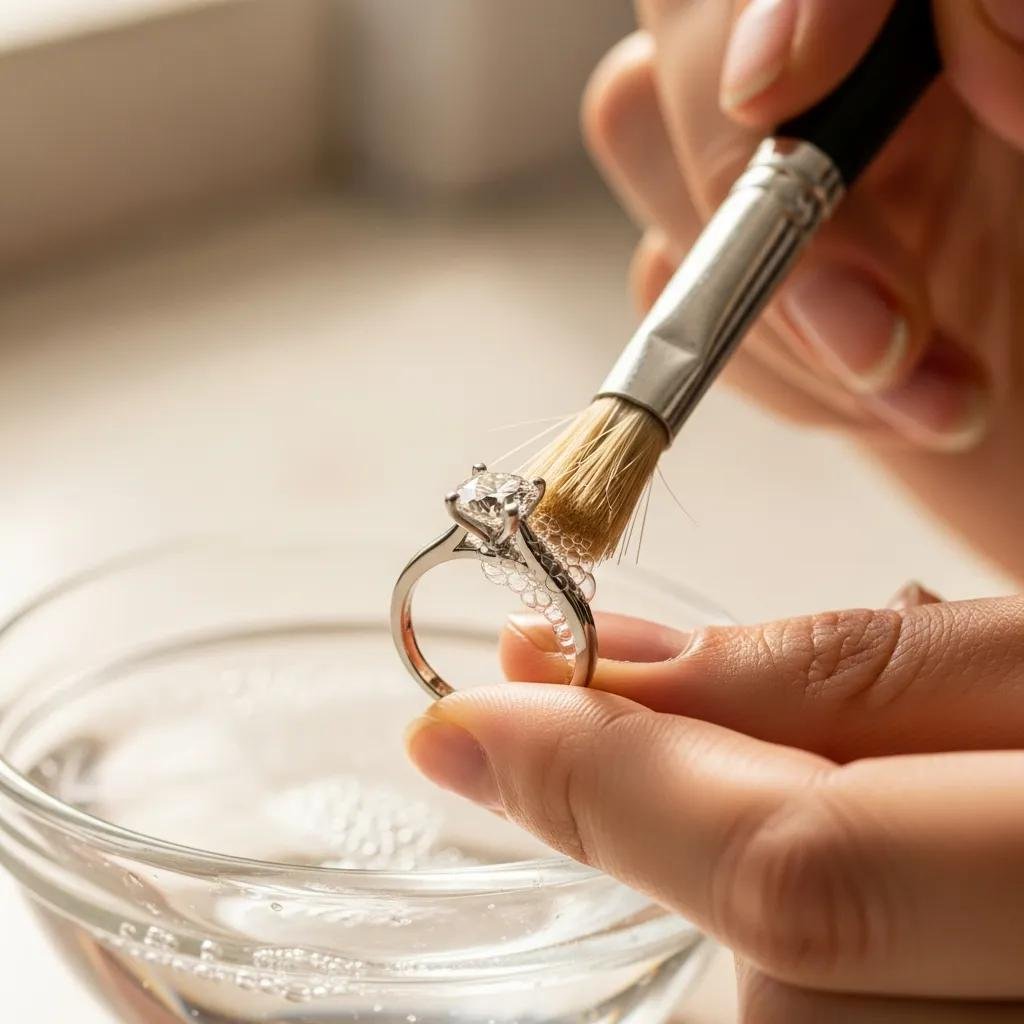
Establishing a regular cleaning routine is essential for keeping your lab-grown diamond engagement ring in pristine condition. A simple yet effective routine can help maintain its sparkle and prevent buildup over time.
Which Tools and Mild Cleaners Are Safe for Lab Grown Diamonds?
When cleaning your lab-grown diamond ring, it is important to use the right tools and mild cleaners. Recommended items include:
- Soft-bristled brush: Ideal for gently scrubbing the diamond and its setting without causing scratches.
- Mild dish soap: A gentle soap mixed with warm water can effectively clean the ring without damaging it.
- Microfiber cloth: Perfect for drying and polishing the ring after cleaning.
These tools ensure that your ring is cleaned safely and effectively, preserving its beauty. Adhering to safe cleaning practices is paramount. For a deeper dive into safe jewelry cleaning methods, refer to specialized resources.
How to Perform Simple Steps for Everyday Sparkle Restoration?
- Prepare a cleaning solution: Mix a few drops of mild dish soap with warm water in a bowl.
- Soak the ring: Place your ring in the solution for about 20-30 minutes to loosen dirt and grime.
- Gently scrub: Use a soft-bristled brush to clean the diamond and its setting, focusing on areas where dirt accumulates.
- Rinse and dry: Rinse the ring under warm running water and dry it with a microfiber cloth.
By incorporating this routine into your weekly schedule, you can keep your lab-grown diamond engagement ring looking its best.
How Do You Deep Clean Your Lab Grown Engagement Ring at Home and Professionally?
Deep cleaning your lab-grown engagement ring is essential for removing stubborn grime and ensuring its longevity. While regular cleaning is important, a thorough deep clean should be performed periodically.
What Are Effective DIY Deep Cleaning Methods for Stubborn Grime?
For a more intensive clean, consider these DIY methods:
- Ultrasonic cleaner: If you have access to one and your ring’s setting is secure, this device can effectively remove dirt and grime from hard-to-reach areas. However, ultrasonic cleaners are not recommended for all types of settings or gemstones.
- Baking soda paste: Mix baking soda with water to create a paste, apply it to the ring, and gently scrub with a soft brush.
- Vinegar soak: Soaking the ring in a mixture of half white vinegar and half water for 10-15 minutes can help dissolve buildup, but avoid prolonged exposure to vinegar as it can affect some metals.
These methods can help restore your ring’s brilliance and remove any stubborn residues.
When Should You Seek Professional Cleaning and Inspection Services?
While DIY methods are effective, there are times when professional cleaning is necessary. Consider seeking professional services if you notice:
- Signs of wear and tear: Loose stones or damaged settings should be addressed immediately.
- Heavy buildup: If your ring has not been cleaned in a long time, a professional deep clean may be required.
- Annual inspections: Regular professional inspections, often guided by professional cleaning standards, can help identify potential issues before they become serious problems.
Professional jewelers have the tools and expertise to ensure your ring is cleaned and maintained properly, often adhering to professional cleaning standards and GIA cleaning guidelines.
What Are the Do’s and Don’ts to Protect Your Lab Grown Diamond Ring?
Protecting your lab-grown diamond engagement ring is essential for maintaining its beauty and durability. By following a few simple guidelines, you can ensure your ring remains in excellent condition, avoiding care mistakes that could compromise its integrity.
What Actions Help Preserve Your Ring’s Durability and Sparkle?
To protect your ring, consider these do’s:
- Remove your ring during activities: Take off your ring when engaging in activities that may cause damage, such as exercising, gardening, or cleaning.
- Store properly: Keep your ring in a soft pouch or a separate compartment in your jewelry box to prevent scratches.
- Regular maintenance: Schedule regular cleanings and inspections to catch any potential issues early.
These actions will help preserve the integrity and sparkle of your ring.
Which Chemicals and Activities Should You Avoid?
Avoid exposing your lab-grown diamond ring to harsh chemicals and activities that could cause damage. Here are some key points to remember:
- Avoid chlorine: Chemicals found in swimming pools and hot tubs can damage the metal and potentially weaken the setting.
- Steer clear of harsh cleaners: Strong cleaning agents, especially those containing bleach or abrasives, can scratch or damage the ring.
- Limit exposure to extreme temperatures: Rapid temperature changes can cause damage to the setting or metal.
By being mindful of these factors, you can protect your ring from unnecessary harm.
How Should You Store Your Lab Grown Engagement Ring Safely?
Proper storage is crucial for maintaining the condition of your lab-grown engagement ring. By following best practices, you can prevent scratches and damage.
What Are the Best Storage Practices for Lab Grown Diamonds?
To store your ring safely, consider these practices:
- Use a jewelry box: Store your ring in a dedicated jewelry box with soft lining to prevent scratches.
- Keep it separate: Avoid storing your ring with other jewelry pieces to prevent tangling and scratching.
- Consider a safe: For added security, store your ring in a safe when not in use.
These storage methods will help keep your ring in pristine condition.
How Does Proper Storage Prevent Scratches and Damage?
Proper storage prevents scratches and damage by minimizing contact with other jewelry and protecting the ring from environmental factors. By keeping your ring in a safe and secure location, you can ensure it remains beautiful and undamaged over time.
What Ethical and Sustainable Practices Enhance Your Jewelry Care Routine?
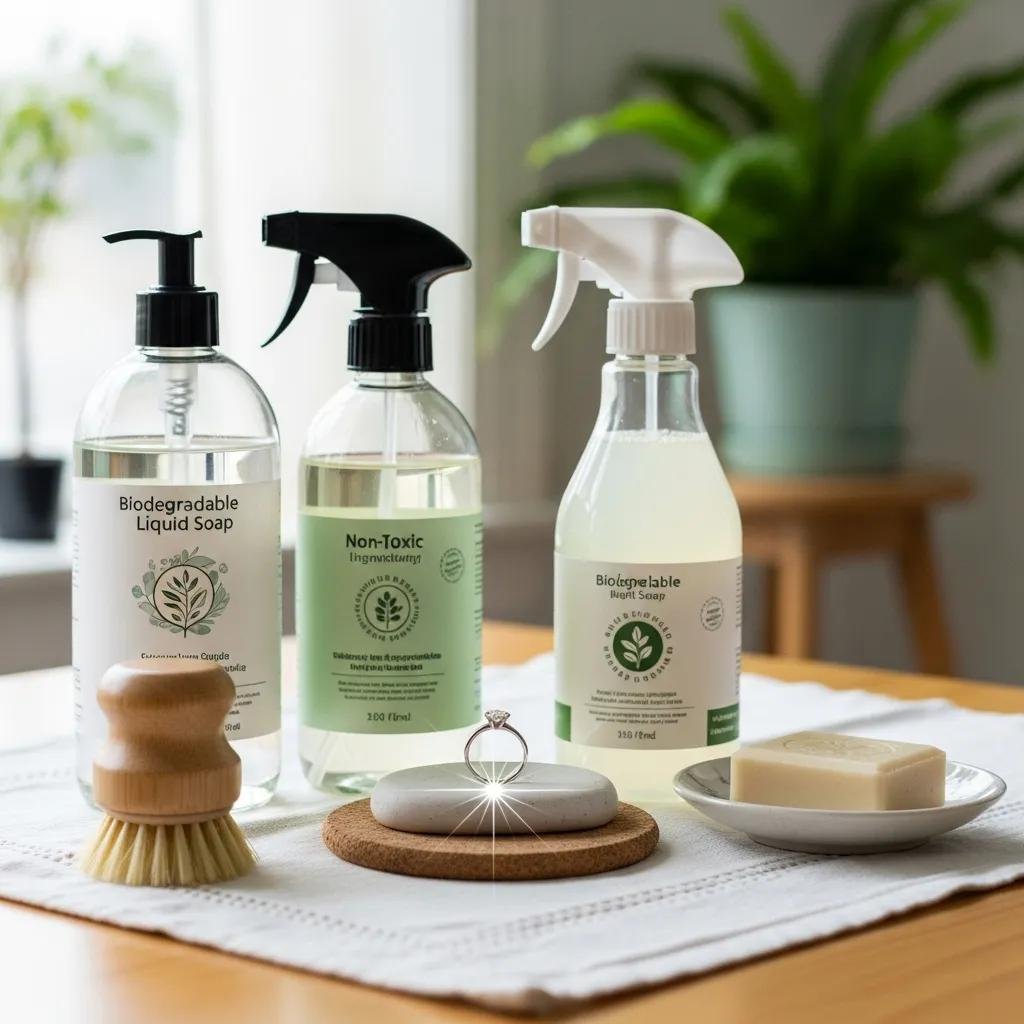
Incorporating ethical and sustainable practices into your jewelry care routine not only benefits your ring but also supports broader environmental goals.
Which Eco-Friendly Cleaning Products Are Recommended for Lab Grown Diamonds?
When cleaning your lab-grown diamond ring, consider using eco-friendly products such as:
- Biodegradable soaps: These are gentle on your ring and the environment.
- Natural cleaning solutions: Vinegar and baking soda are effective and environmentally friendly options when used appropriately.
- Recyclable cleaning tools: Opt for tools made from sustainable materials to reduce waste.
Using these products aligns with the values of sustainability and ethical sourcing.
How Does Caring for Your Ring Support Ethical Sourcing and Longevity?
Caring for your lab-grown engagement ring supports ethical sourcing by promoting responsible consumption. By maintaining your ring, you extend its life and reduce the need for new materials, contributing to a more sustainable jewelry industry. This commitment to care reflects a broader awareness of environmental impact and consumer responsibility.
| Cleaning Method | Effectiveness | Recommended Frequency |
|---|---|---|
| Daily Cleaning | High | Weekly |
| Deep Cleaning | Very High | Every 6 months |
| Professional Cleaning | Highest | Annually |
This table summarizes the effectiveness of various cleaning methods and their recommended frequency, helping you maintain your lab-grown engagement ring effectively.
| Storage Method | Benefit | Impact Level |
|---|---|---|
| Jewelry Box | Prevents scratches | High |
| Separate Storage | Minimizes damage | High |
| Safe Storage | Provides security | Very High |
This table outlines the benefits of different storage methods, emphasizing their importance in protecting your lab-grown engagement ring.
By following these guidelines, you can ensure that your lab-grown engagement ring remains a beautiful and lasting symbol of your love.