Best Methods for Lab Grown Ring Care
Best Methods for Lab Grown Ring Care: Comprehensive Guide to Cleaning, Maintenance, and Storage
Lab grown diamond rings are a beautiful and ethical choice for jewelry lovers, but they require proper care to maintain their brilliance and maintaining diamond longevity. This comprehensive ring care guide will explore the best methods for cleaning, maintaining, and storing your lab grown diamond rings. Readers will learn effective techniques to keep their rings sparkling, understand the importance of regular maintenance, and discover safe storage practices. Proper care not only enhances the aesthetic appeal of your jewelry but also ensures that it remains a cherished piece for years to come. In this article, we will cover essential proper cleaning methods, long-term maintenance practices, safe storage solutions, the science behind lab grown diamonds, and common questions regarding their care.
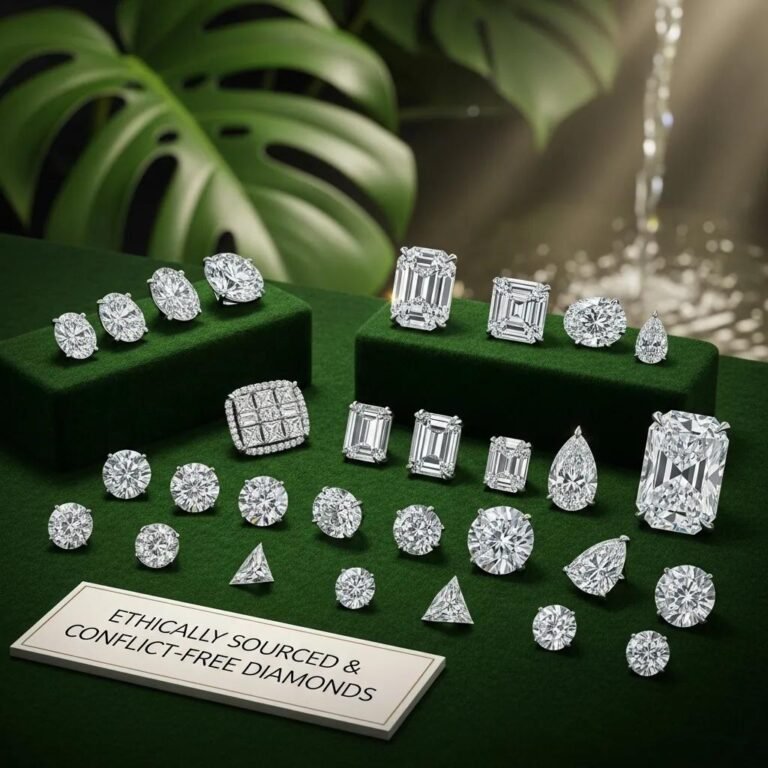
The growing popularity of lab-grown diamonds is largely driven by consumers’ increasing awareness of ethical consumption and the desire to avoid the problematic history associated with mined diamonds.
Ethical & Sustainable Lab-Grown Diamonds for Modern Jewelry
Since the luxury industry is migrating towards a more conscious way of manufacturing products and consumers are thriving towards ethical consumption and bold products, lab-grown diamond is gaining in popularity against the bleak stories of the mined ones. New generations of consumers increasingly recognized the importance of ethical consumption of a luxury product. Bitter lines in the news, child labor and conflicts such as “Blood diamonds” created an uncertain environment in which the new generation Gen Z, nowadays does not feel comfortable to buy unconsciously.
Lab-grown diamond–the shape of tomorrow’s jewelry, 2021
This shift reflects a broader consumer preference for products that align with values like eco-friendliness and affordability, signaling a new era for the global gem industry.
Consumer Preferences for Sustainable Lab-Grown Diamonds
Lab-grown diamonds will see the transformation of the global gem industry: a shift toward sustainable and ethical alternatives to natural diamonds. These results suggest that consumer preferences are more aligned with shared values and attributes of the product, like eco-friendliness and affordability, rather than demographic factors.
New Era of Lab Grown Diamond, J Vidani, 2024
How Do You Clean a Lab Grown Diamond Ring at Home?
Cleaning your lab grown diamond ring at home is a straightforward process that can help maintain its sparkle. Regular cleaning is essential to remove dirt, oils, and residues that can dull the diamond’s brilliance. The best method involves using mild soap and warm water, which is gentle yet effective for regular maintenance. For more detailed information, refer to GIA care best practices.
What Are the Step-by-Step Daily Cleaning Methods Using Mild Soap and Warm Water?
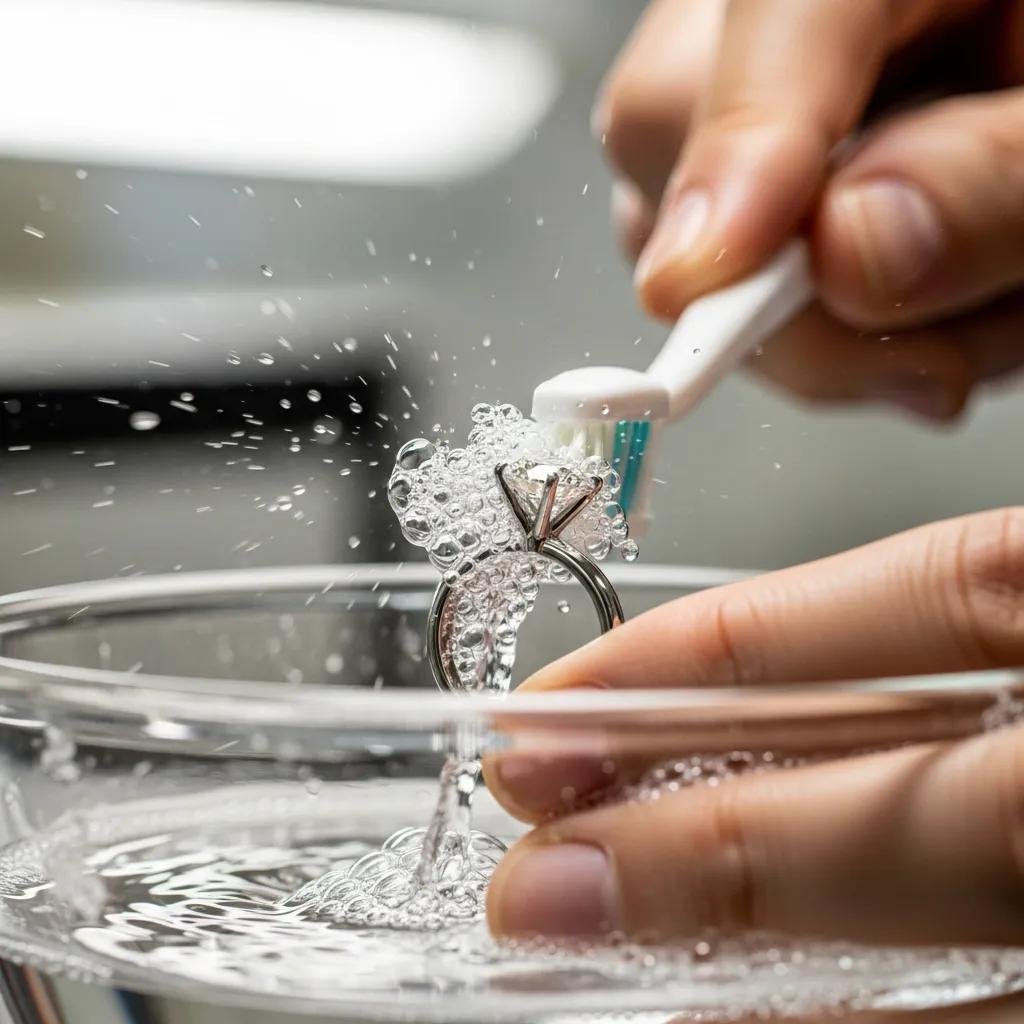
To clean your lab grown diamond ring effectively, follow these steps:
- Prepare the Cleaning Solution: Mix a few drops of mild dish soap with warm water in a small bowl.
- Soak the Ring: Place your ring in the solution and let it soak for about 15-20 minutes to loosen any dirt.
- Gently Scrub: Use a soft-bristled toothbrush to gently scrub the diamond and the band, focusing on any crevices.
- Rinse Thoroughly: Rinse the ring under warm running water to remove all soap residue.
- Dry Carefully: Pat the ring dry with a soft, lint-free cloth to avoid scratches.
This simple routine can be performed weekly to keep your ring looking its best.
Which Cleaning Tools and Solutions Should You Use or Avoid?
When cleaning your lab grown diamond ring, it’s crucial to use the right tools and solutions. Here are some recommendations:
- Use: Soft-bristled toothbrush, microfiber cloth, and mild dish soap.
- Avoid: Harsh chemicals, abrasive cleaners, and be cautious with ultrasonic cleaners, as they can sometimes loosen stones or damage delicate settings.
By using gentle cleaning methods, you can ensure that your ring remains in pristine condition without risking damage. For broader professional care standards, consult reputable jewelry care organizations.
What Are the Best Practices for Long-Term Lab Grown Diamond Maintenance?
Long-term maintenance of your lab grown diamond ring is essential for preserving its beauty and integrity. Regular inspections and professional cleanings can help identify any potential issues before they become significant problems.
When and Why Should You Seek Professional Cleaning and Inspection Services?
It is advisable to seek professional cleaning and inspection services at least once a year. Professionals can provide a thorough cleaning and check for any loose stones or damage that may not be visible to the naked eye. Regular professional care can prevent costly repairs and ensure that your ring remains secure and beautiful. For additional guidance, refer to consumer care guidelines.
How Do Different Ring Settings Affect Maintenance Needs?
The maintenance needs of your lab grown diamond ring can vary significantly based on its setting. For example:
- Prong Settings: Require more frequent checks as prongs can wear down or become loose.
- Bezel Settings: Generally require less maintenance but should still be inspected for any signs of wear.
- Channel Settings: Need careful cleaning to prevent buildup of dirt in the channels.
Understanding how your ring’s setting affects its care can help you tailor your maintenance routine effectively.
How Should You Store Lab Grown Diamond Rings to Preserve Their Brilliance?
Proper storage is crucial for maintaining the brilliance of your lab grown diamond rings. Storing them correctly can prevent scratches and damage from other jewelry.
What Are the Recommended Safe Storage Methods?
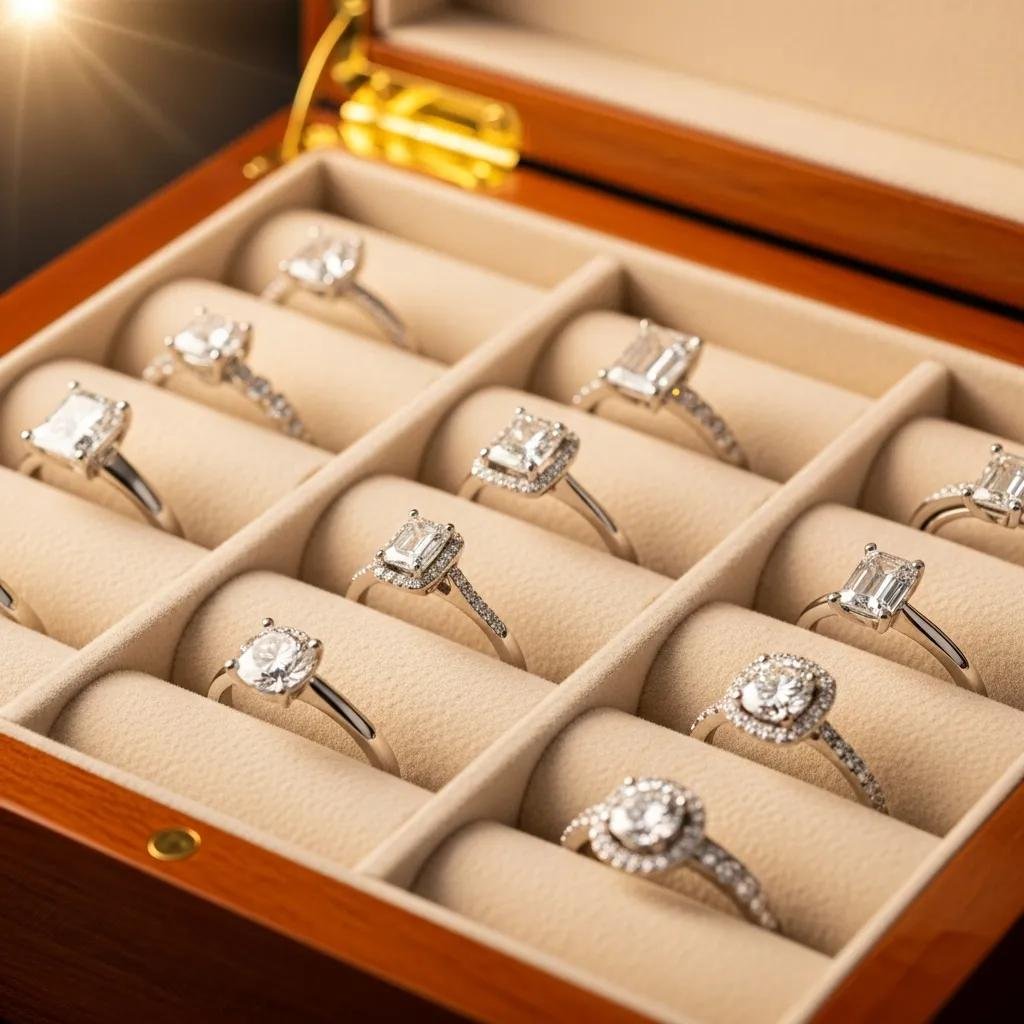
To keep your lab grown diamond rings safe, consider the following storage methods:
- Use a Jewelry Box: Store your rings in a soft-lined jewelry box to protect them from scratches.
- Separate Storage: Keep each ring in its own compartment or pouch to avoid contact with other pieces.
- Avoid Humidity: Store in a cool, dry place to prevent moisture buildup, which can lead to tarnishing of metal parts.
These practices will help ensure that your rings remain in excellent condition.
How Can You Prevent Damage During Storage and Daily Activities?
To prevent damage to your lab grown diamond rings during storage and daily activities, follow these tips:
- Remove Rings During Activities: Take off your rings when engaging in activities that may expose them to harsh chemicals or physical stress, such as cleaning or exercising.
- Avoid Contact with Hard Surfaces: Be mindful of where you place your rings to avoid scratches or impacts.
By being proactive, you can significantly reduce the risk of damage to your jewelry.
What Is the Science Behind Lab Grown Diamonds That Influences Their Care?
Understanding the science behind lab grown diamonds can enhance your approach to their care. These diamonds are created using advanced technology that mimics natural processes, resulting in stones that are chemically and physically identical to mined diamonds.
How Do the Physical and Chemical Properties of Lab Grown Diamonds Affect Cleaning?
Lab grown diamonds possess the same hardness and durability as natural diamonds, rated 10 on the Mohs scale. This means they can withstand regular cleaning methods without damage. However, it’s essential to avoid harsh chemicals that can affect the metal settings. Understanding these properties helps in understanding lab grown vs natural care.
How Does Proper Care Support Sustainability and Ethical Jewelry Values?
Caring for lab grown diamonds aligns with the values of sustainability and ethical sourcing. By maintaining your jewelry properly, you extend its lifespan and reduce the need for replacements, supporting a more sustainable approach to luxury.
Indeed, lab-grown diamonds offer a compelling sustainable and ethical alternative to traditional mining, addressing many environmental and social concerns.
Lab-Grown Diamonds: A Sustainable & Ethical Alternative
conventional diamond mining is rife with environmental and ethical concerns. Lab-grown diamonds present a sustainable alternative to deep-seated diamond mining by simulating natural conditions to produce the precious stones above ground in a span of six weeks. The emergence of lab-grown diamonds in Surat and its potential repercussions are examined in this article.
Sustainable Sparkle: The Emergence and Impact of Lab-Grown Diamonds in India’s
Diamond Capital, AS George, 2024
What Are Common Questions About Caring for Lab Created Diamonds?
Many people have questions about the care of lab created diamonds. Addressing these common inquiries can help ensure that your jewelry remains beautiful and well-maintained.
How Often Should You Clean and Inspect Your Lab Grown Diamond Ring?
It is recommended to clean your lab grown diamond ring at least once a week and have it professionally inspected once a year. Regular cleaning helps maintain its sparkle, while inspections can catch any potential issues early.
Do Lab Grown Diamonds Lose Their Sparkle Over Time?
No, lab grown diamonds do not lose their sparkle over time if properly cared for. Regular cleaning and maintenance will keep them looking as brilliant as the day you bought them.
Different cleaning methods deliver distinct benefits through specific mechanisms.
| Cleaning Method | Tool Used | Frequency | Benefit |
|---|---|---|---|
| Mild Soap & Water | Soft-bristled toothbrush | Weekly | Removes dirt and oils |
| Professional Cleaning | Ultrasonic cleaner | Annually | Deep cleans and inspects |
| Safe Storage | Jewelry box | Daily | Prevents scratches and damage |
This table illustrates how various cleaning and maintenance methods contribute to the longevity and beauty of your lab grown diamond rings.