Are Lab Grown Engagement Rings More Affordable Than Natural Diamonds?
Are Lab Grown Engagement Rings More Affordable Than Natural Diamonds? A Comprehensive Price and Value Guide
Lab-grown engagement rings have gained significant popularity in recent years, primarily due to their affordability and ethical sourcing. This comprehensive guide explores the financial aspects of lab-grown diamonds compared to natural diamonds, helping you understand the cost benefits and value propositions of each option. As consumers become more conscious of their purchasing decisions, the question arises: are lab-grown engagement rings truly more affordable than their natural counterparts? This article will delve into the production methods, pricing factors, and ethical considerations surrounding lab-grown diamonds, providing a thorough analysis of their affordability. We will also compare the costs based on carat and quality, discuss resale values, and offer guidance on making an informed choice between lab-grown and natural diamond engagement rings.
Why Are Lab Grown Diamonds More Affordable Than Natural Diamonds?
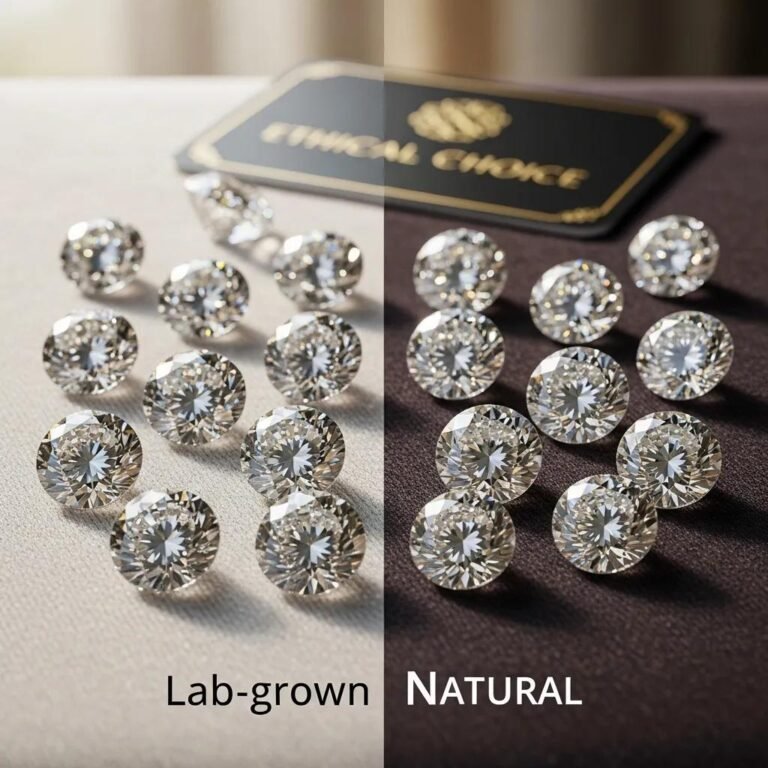
Lab-grown diamonds are generally more affordable than natural diamonds due to several key factors. The primary reason lies in the production methods used to create lab-grown diamonds, which significantly reduce costs compared to traditional mining processes. Additionally, the lack of mining expenses and the dynamics of supply and demand in the market further contribute to the lower prices of lab-grown diamonds.
How Do Lab Grown Diamond Production Methods Reduce Costs?
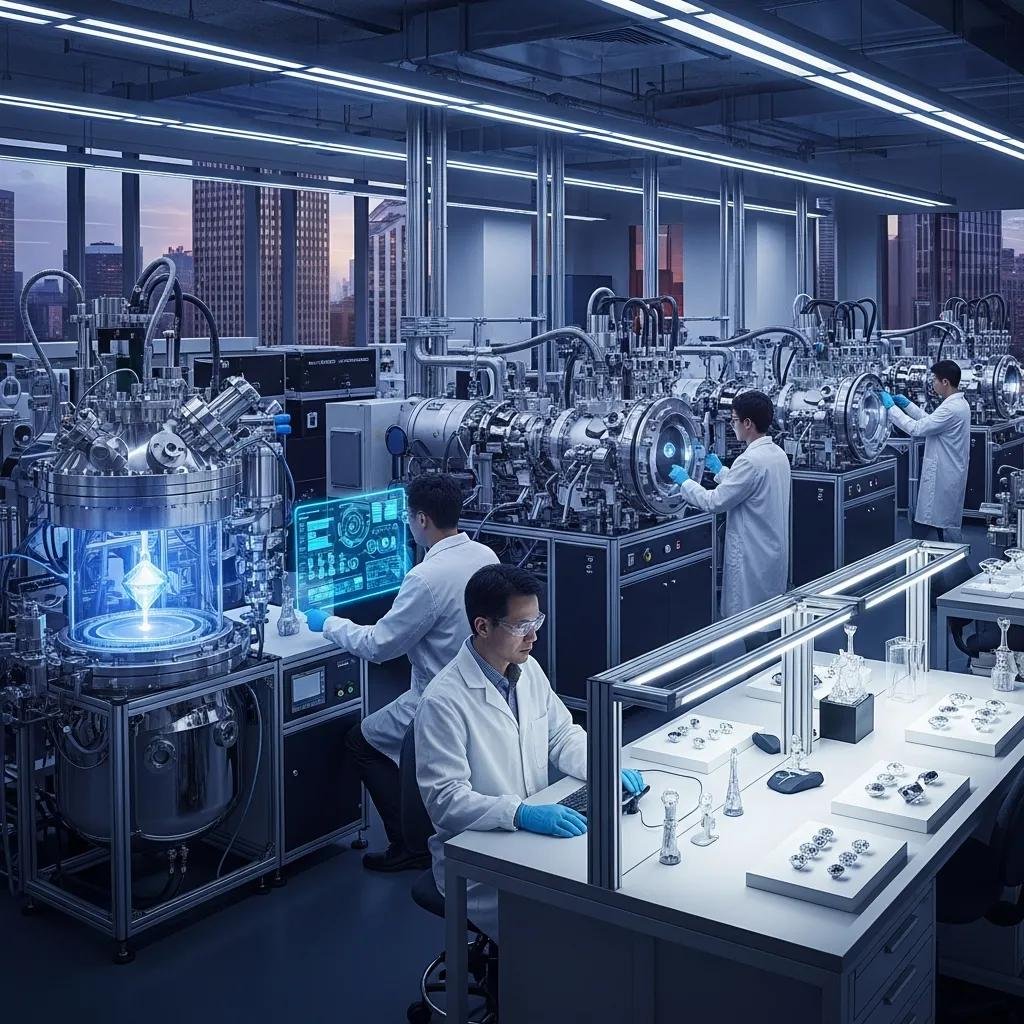
Lab-grown diamonds are created using advanced techniques such as High Pressure High Temperature (HPHT) and Chemical Vapor Deposition (CVD). These methods allow for the rapid production of diamonds in a controlled environment, which is more efficient than the lengthy and costly process of mining natural diamonds. The efficiency of these production methods leads to significant cost savings, making lab-grown diamonds a more affordable option for consumers.
Research further supports that these advanced production methods not only reduce costs but also offer a more ethical alternative to traditional mining.
Lab-Grown Diamonds: Cost Reduction & Ethical Sourcing
Nevertheless, conventional diamond mining is rife with environmental and ethical concerns. Lab-grown diamonds present a sustainable alternative to deep-seated diamond mining by simulating natural conditions to produce the precious stones above ground in a span of six weeks. This allows for up to a 30% reduction in the cost of diamond production compared to conventional mining methods.
Sustainable Sparkle: The Emergence and Impact of Lab-Grown Diamonds in India’s
Diamond Capital, AS George, 2024
What Factors Influence Natural Diamond Pricing?
Natural diamond pricing is influenced by several factors, including rarity, mining costs, and market demand. The scarcity of natural diamonds, combined with the high costs associated with mining and transporting them, drives up their prices. Additionally, fluctuations in market demand can further impact the pricing of natural diamonds, making them less predictable in terms of cost compared to lab-grown alternatives.
How Does the Cost of Lab Grown Engagement Rings Compare by Carat and Quality?
When considering the cost of lab-grown engagement rings, it’s essential to evaluate how prices vary by carat weight and quality. For a comprehensive guide on understanding the key factors that determine lab-grown engagement ring pricing, it’s important to note that generally, lab-grown diamonds are priced 30-40% lower than natural diamonds across various carat sizes, making them an attractive option for budget-conscious consumers.
What Is the Price Difference for 1, 2, and 3 Carat Diamonds?
The following table illustrates approximate average price differences between lab-grown and natural diamonds for various carat weights:
| Carat Weight | Lab-Grown Diamond Price | Natural Diamond Price |
|---|---|---|
| 1 Carat | $1,800 – $2,500 | $4,500 – $6,000 |
| 2 Carat | $3,500 – $5,000 | $9,000 – $12,000 |
| 3 Carat | $5,500 – $7,500 | $14,000 – $18,000 |
This comparison highlights the substantial savings that can be achieved by choosing lab-grown diamonds over natural ones, particularly as carat weight increases.
How Do the 4 Cs Affect Lab Grown vs Natural Diamond Prices?
The 4 Cs—carat, cut, clarity, and color—play a crucial role in determining the prices of both lab-grown and natural diamonds. While both types of diamonds are evaluated based on these criteria, lab-grown diamonds often offer better quality at lower prices. For instance, a lab-grown diamond with excellent cut and clarity may be available at a fraction of the cost of a comparable natural diamond, making them an appealing choice for consumers seeking value without compromising on quality. For more information on diamond grading standards, consult the Gemological Institute of America.
The complexity of diamond pricing and authentication, especially when distinguishing between lab-grown and natural stones, is increasingly being addressed through advanced analytical methods.
Predicting Lab-Grown vs. Natural Diamond Prices with ML
Accurate pricing and authentication of diamonds are essential for ensuring market transparency and consumer confidence. This paper explores the application of Machine Learning (ML) techniques to predict diamond prices and classify diamonds as lab-grown or natural based on their characteristics.
Integrating Machine Learning for Diamond Price Prediction and Distinguishing Natural Diamonds from Lab Grown: A Unified Approach, H Ranglani, 2025
Detailed Price Comparison: Lab-Grown vs Natural Diamonds
To provide a clearer picture of the cost difference and savings percentage when choosing lab-grown diamonds, the table below offers a detailed price comparison for popular carat weights, including 0.5ct, 1ct, 1.5ct, 2ct, and 3ct diamonds. This data reflects average market prices and highlights the budget-friendly nature of lab-grown diamonds as an affordable luxury option.
| Carat Weight | Lab-Grown Diamond Price | Natural Diamond Price | Price Difference | Savings Percentage |
|---|---|---|---|---|
| 0.5 Carat | $900 – $1,200 | $2,000 – $2,800 | $1,100 – $1,600 | 55% – 57% |
| 1 Carat | $1,800 – $2,500 | $4,500 – $6,000 | $2,700 – $3,500 | 60% – 58% |
| 1.5 Carat | $2,700 – $3,800 | $7,000 – $9,000 | $4,300 – $5,200 | 61% – 58% |
| 2 Carat | $3,500 – $5,000 | $9,000 – $12,000 | $5,500 – $7,000 | 61% – 58% |
| 3 Carat | $5,500 – $7,500 | $14,000 – $18,000 | $8,500 – $10,500 | 61% – 58% |
How to Calculate Your Savings on Lab-Grown Diamonds
Understanding your cost savings when opting for a lab-grown diamond can help you make a more informed purchase decision. Here is a step-by-step guide to calculating your savings, along with real examples to illustrate the process:
- Identify the price range for the lab-grown diamond you are interested in, based on carat weight and quality.
- Find the corresponding price range for a natural diamond of similar carat and quality.
- Calculate the price difference by subtracting the lab-grown diamond price from the natural diamond price.
- Determine the savings percentage by dividing the price difference by the natural diamond price and multiplying by 100.
Example: Suppose you are considering a 1.5 carat diamond. The lab-grown diamond price is approximately $3,200, and the natural diamond price is $8,000.
- Price difference = $8,000 – $3,200 = $4,800
- Savings percentage = ($4,800 / $8,000) × 100 = 60%
This means you save 60% by choosing the lab-grown diamond, which can be a significant budget-friendly advantage.
Long-Term Value and Resale Considerations
While lab-grown diamonds offer immediate cost savings and affordable luxury, it is important to consider their long-term value and resale potential. Natural diamonds have historically maintained higher resale values due to their rarity and established market demand. Lab-grown diamonds, being relatively new to the market, currently have lower resale values, often 30-50% less than natural diamonds.
However, market trends indicate growing consumer acceptance of lab-grown diamonds, driven by ethical and sustainability concerns. This shift may improve the resale value of lab-grown diamonds over time, but they are generally not considered strong investment pieces compared to natural diamonds.
For buyers prioritizing long-term investment, natural diamonds may still hold an edge. For those focused on budget-friendly options and ethical considerations, lab-grown diamonds provide excellent value with the trade-off of lower resale potential.
Financing Options and Payment Plans for Lab-Grown Engagement Rings
Purchasing an engagement ring is a significant financial decision, and many buyers seek flexible payment options to manage their budgets effectively. Lab-grown diamonds, with their lower price points, already offer a more accessible entry into the world of fine jewelry. Additionally, many jewelers and online retailers provide financing options and payment plans tailored to various budgets.
Common financing strategies include:
- Installment plans: Spread payments over several months or years with low or zero interest.
- Deferred payment options: Pay the full amount after a set period, often interest-free.
- Credit card promotions: Utilize special offers such as 0% APR for a limited time.
Exploring these options can help you secure an affordable luxury lab-grown engagement ring without compromising your financial stability. For personalized advice, consider consulting with jewelers who specialize in lab-grown diamonds and offer tailored financing solutions.
Are Lab Grown Diamonds an Ethical and Sustainable Choice?

In addition to their affordability, lab-grown diamonds are often viewed as a more ethical and sustainable choice compared to natural diamonds. The production of lab-grown diamonds does not involve the environmental degradation associated with mining, and they are typically conflict-free, addressing concerns about ethical sourcing.
Indeed, studies confirm that consumer preferences for lab-grown diamonds are strongly driven by their eco-friendliness and affordability, transcending demographic factors.
Consumer Preferences for Affordable, Eco-Friendly Lab Diamonds
The analysis of weak and statistically insignificant relationships across the tested variables showed that attitudes towards lab-grown diamonds are not significantly determined by age. These results suggest that consumer preferences are more aligned with shared values and attributes of the product, like eco-friendliness and affordability, rather than demographic factors.
New Era of Lab Grown Diamond, J Vidani, 2024
What Ethical Advantages Do Lab Grown Diamonds Offer?
Lab-grown diamonds provide several ethical advantages, including conflict-free sourcing and transparency in production. Consumers can feel confident that their purchase does not contribute to human rights abuses or environmental harm, making lab-grown diamonds a responsible choice for conscientious buyers.
How Does the Environmental Impact of Lab Grown Diamonds Compare to Mined Diamonds?
The environmental impact of lab-grown diamonds is generally lower than that of mined diamonds. Mining operations often result in habitat destruction, soil erosion, and water pollution. In contrast, lab-grown diamonds are produced in controlled environments with a smaller environmental footprint, though the energy consumption of production facilities can vary depending on the energy source. Overall, lab-grown diamonds are considered a more sustainable option for consumers concerned about ecological preservation.
What Is the Resale Value and Long-Term Investment Potential of Lab Grown Diamonds?
When considering an engagement ring purchase, it’s essential to evaluate the resale value and long-term investment potential of lab-grown diamonds compared to natural diamonds. While lab-grown diamonds are generally less expensive upfront, their resale value can differ significantly.
How Does the Resale Value of Lab Grown Diamonds Compare to Natural Diamonds?
Lab-grown diamonds typically have lower resale values than natural diamonds. This is primarily due to the perception that lab-grown diamonds are less rare and, therefore, less valuable in the secondary market. Additionally, the market for reselling lab-grown diamonds is less established. However, as consumer acceptance of lab-grown diamonds increases, their resale values may stabilize over time.
What Market Trends Affect Lab Grown Diamond Value?
Market trends indicate a growing acceptance of lab-grown diamonds among consumers, which could positively impact their long-term value. As more people prioritize ethical and sustainable choices, the demand for lab-grown diamonds is expected to rise, potentially enhancing their resale value in the future. For insights into broader consumer preferences and engagement ring trends, refer to recent wedding industry research.
How to Choose Between Lab Grown and Natural Diamond Engagement Rings?
Choosing between lab-grown and natural diamond engagement rings involves considering various factors, including budget, personal values, the significance of the diamond’s origin, and practical aspects like care. Understanding these elements can help guide your decision-making process, including learning about lab-grown vs natural diamonds: care requirements explained.
What Budget and Personal Values Should Influence Your Decision?
When selecting an engagement ring, it’s crucial to establish a budget that aligns with your financial situation. Lab-grown diamonds offer a more affordable option, allowing you to allocate funds toward other aspects of your wedding or future together. If you’re looking for ways to manage your purchase, consider exploring financing options for your lab-grown engagement ring purchase. Additionally, consider your personal values regarding sustainability and ethical sourcing, as these factors can significantly influence your choice. For comprehensive financial planning for weddings, various resources are available to help guide your decisions.
How Does GemsGlitz.com Support Ethical and Affordable Choices?
GemsGlitz.com specializes in lab-grown diamond jewelry, including engagement rings, necklaces, and earrings. The company positions itself as a provider of ethical and sustainable jewelry, catering to fine jewelry lovers who value modern elegance and responsible sourcing. By choosing GemsGlitz.com, you can find beautiful lab-grown engagement rings that align with your values and budget, ensuring a meaningful purchase that reflects your commitment to sustainability.
Frequently Asked Questions (FAQ)
How much cheaper are lab grown engagement rings?
Lab-grown engagement rings are typically 40-60% cheaper than natural diamond rings of comparable size and quality. This significant cost savings makes them an attractive option for those seeking affordable luxury without compromising on appearance or quality.
What is the average price difference between lab grown and natural diamonds?
On average, lab-grown diamonds cost about 50% less than natural diamonds. For example, a 1 carat lab-grown diamond may range from $1,800 to $2,500, while a natural diamond of the same size can cost between $4,500 and $6,000, reflecting a substantial price comparison advantage.
Do lab grown engagement rings hold their value?
Lab-grown diamonds generally have lower resale values compared to natural diamonds due to their abundance and market perception. While they offer excellent upfront value, they are not typically considered strong long-term investments.
Are lab grown diamonds a good investment?
Lab-grown diamonds are a great choice for those prioritizing budget-friendly options and ethical considerations, but they are not usually regarded as investment-grade assets. Natural diamonds tend to retain value better over time.
What is the best way to save money on an engagement ring?
Choosing a lab-grown diamond is one of the best ways to save money while still enjoying a beautiful, high-quality ring. Additionally, considering slightly lower carat weights, selecting excellent cut grades, and exploring financing options can further enhance your savings.
Can you finance lab grown engagement rings?
Yes, many jewelers and online retailers offer financing plans and payment options for lab-grown engagement rings, making it easier to manage your budget and purchase an affordable luxury ring without upfront financial strain.
How do I calculate savings on a lab grown diamond?
To calculate your savings, subtract the price of the lab-grown diamond from the price of a comparable natural diamond, then divide that difference by the natural diamond price and multiply by 100 to get the savings percentage. This method helps quantify the cost difference and informs your purchasing decision.