How to Protect Your Lab Grown Diamonds
How to Protect Your Lab Grown Diamonds: Essential Care and Maintenance Guide
Lab grown diamonds are a stunning and ethical alternative to natural diamonds, offering the same brilliance and beauty while being more sustainable. This guide will provide you with essential care tips for longevity, ensuring they maintain their sparkle and integrity over time. Many diamond owners are unaware of the specific care requirements that can prolong the life of their jewelry. By following the right maintenance practices, you can keep your diamonds looking as radiant as the day you bought them. In this article, we will explore the nature of lab grown diamonds, daily care habits, cleaning methods, storage practices, and the importance of professional maintenance.
The sustainability aspect of lab-grown diamonds is further highlighted by their significant environmental benefits compared to traditional mining.
Environmental Benefits of Lab-Grown Diamonds: Reducing Emissions & Waste
In addition, we find that lab-grown diamonds can reduce annual GHG emissions, mineral waste, and water usage by 9.58 Mt, 421.06 Mt, and 66.70 million m3in 2100. The lab-grown diamond substitution policy can annually save 714 million cubic meters of landfill space, harvest 255 million kilograms of rice, feed 436 million people, and lift 1.19 million households out of hunger. The lab-grown diamond substitution policy could contribute to the diamond industry’s GHG mitigation and sustainability efforts in a cost-saving manner.
The environmental impacts and sustainable pathways of the global diamond industry, S Jiang, 2024
What Are Lab Grown Diamonds and Why Does Their Care Matter?
Lab grown diamonds are created using advanced technological processes that replicate the natural conditions under which diamonds form. These diamonds possess the same physical, chemical, and optical properties as natural diamonds, making them equally durable and beautiful. Proper care is essential for maintaining their brilliance and longevity. Lab grown diamonds have the same hardness and durability as natural diamonds, but like all jewelry, they require proper care to avoid damage to the setting or surface. Understanding the importance of care can help you preserve your investment and enjoy your jewelry for years to come.
What Makes Lab Grown Diamonds Durable and Unique?
Lab grown diamonds are known for their exceptional durability, which is comparable to that of natural diamonds. They are rated 10 on the Mohs scale of hardness, making them resistant to scratches and damage. The unique production methods used to create these diamonds often result in fewer inclusions and blemishes, enhancing their clarity and brilliance. This durability means that with proper care, lab grown diamonds can last a lifetime, making them a wise choice for everyday wear.
How Do Lab Grown Diamonds Compare to Natural Diamonds in Care Needs?
While both lab grown and natural diamonds require similar care, there are no significant differences in their care needs. Both types of diamonds can benefit from regular cleaning and careful handling to avoid damage from chemicals or physical impacts. Understanding these similarities can help you tailor your care routine to best protect your jewelry.
What Daily Habits Help Maintain Your Lab Grown Diamond’s Sparkle?
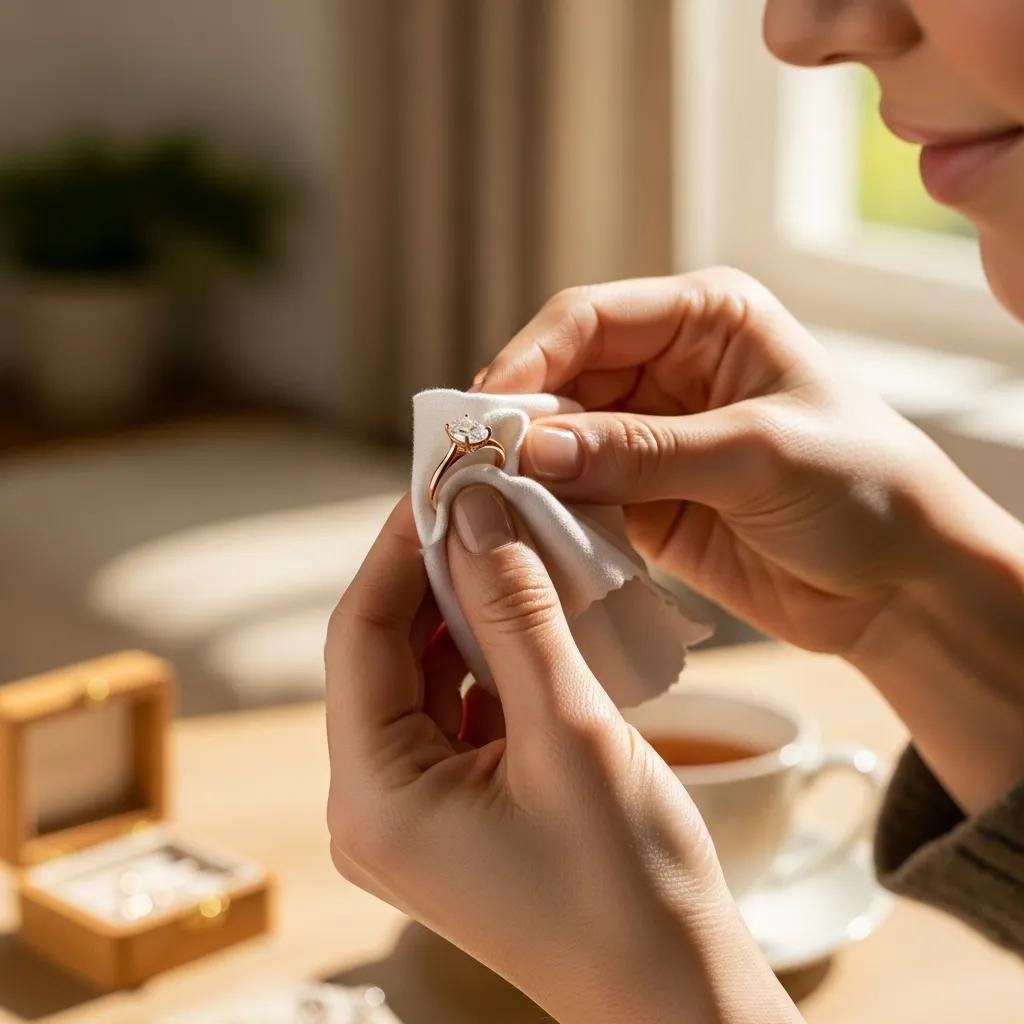
Maintaining the sparkle of your lab grown diamond requires consistent daily habits. Simple practices, informed by a consumer diamond protection guide, can significantly enhance the longevity and appearance of your jewelry. For more specific guidance on caring for your diamond rings, delve into our ring maintenance best practices.
- Regular Cleaning: Gently clean your diamond jewelry with a soft cloth after each wear to remove oils and dirt.
- Avoiding Harsh Chemicals: Keep your diamonds away from household cleaners, chlorine, and other harsh chemicals that can dull their shine or damage the setting.
- Safe Storage: Store your diamond jewelry separately to prevent scratches and tangling with other pieces.
By incorporating these habits into your daily routine, you can ensure that your lab grown diamonds remain as dazzling as ever.
Which Activities Should You Avoid While Wearing Lab Grown Diamonds?
Certain activities can pose risks to your lab grown diamonds. To protect your jewelry, consider avoiding the following:
- High-Impact Sports: Activities like contact sports can lead to accidental knocks and scratches.
- Household Chores: Tasks involving heavy lifting or exposure to chemicals can damage your diamonds or their settings.
- Swimming: Chlorine in pools can damage the metal settings and dull the overall appearance of your jewelry.
Being mindful of these activities can help you maintain the integrity of your diamonds.
How Can You Protect Your Diamonds from Cosmetic and Environmental Exposure?
Cosmetics and environmental factors can impact the appearance of your lab grown diamonds. To protect your jewelry, follow these tips:
- Apply Cosmetics Before Wearing Jewelry: This minimizes exposure to lotions, perfumes, and hairsprays that can leave residues.
- Remove Jewelry During Activities: Take off your diamonds when engaging in activities that may expose them to dirt or chemicals.
- Store in a Safe Place: Keep your jewelry in a protective case or pouch when not in use to shield it from dust and scratches.
Implementing these protective measures will help keep your diamonds looking their best.
How Do You Safely Clean Lab Grown Diamonds at Home?
Cleaning your lab grown diamonds at home is simple and effective when done correctly. Regular cleaning helps maintain their brilliance and shine.
- Mild Soap and Warm Water: Mix a few drops of mild dish soap with warm water. Soak your diamond jewelry for 15-20 minutes, then gently scrub with a soft brush.
- Rinse Thoroughly: After cleaning, rinse your diamonds under warm running water to remove any soap residue.
- Dry with a Soft Cloth: Pat your jewelry dry with a lint-free cloth to avoid scratches.
By following these steps, you can safely clean your diamonds without causing damage.
What Are the Step-by-Step Methods for Cleaning with Mild Soap and Warm Water?
To clean your lab grown diamonds effectively, follow these detailed steps:
- Prepare the Cleaning Solution: In a small bowl, mix warm water with a few drops of mild dish soap.
- Soak the Jewelry: Place your diamond jewelry in the solution and let it soak for 15-20 minutes.
- Gently Scrub: Use a soft-bristled toothbrush to gently scrub the diamond and its setting, focusing on any crevices.
- Rinse: Rinse the jewelry under warm running water, ensuring all soap is removed.
- Dry: Use a soft, lint-free cloth to dry the jewelry thoroughly.
This method is safe and effective for maintaining the sparkle of your diamonds.
Which Alternative Eco-Friendly Cleaning Solutions Are Safe for Lab Diamonds?
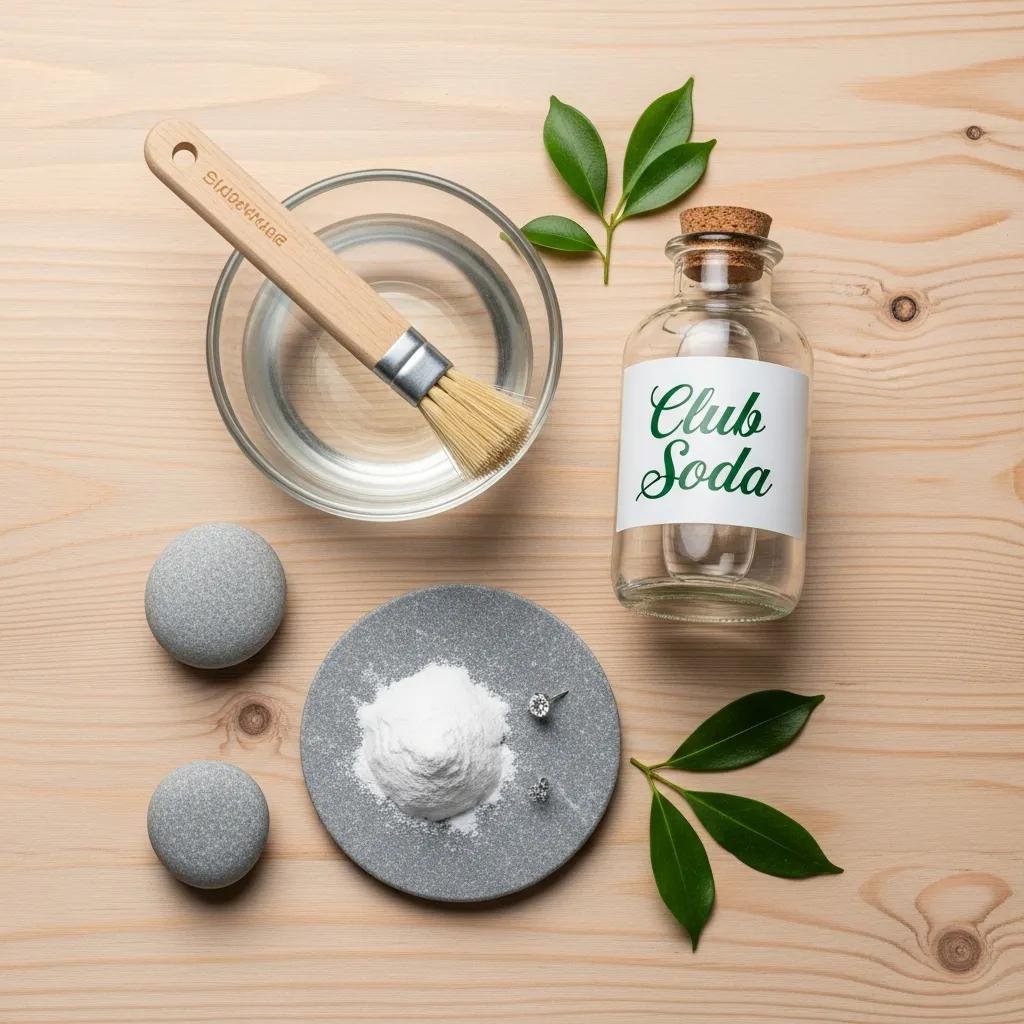
If you prefer eco-friendly cleaning options, consider the following alternatives:
- Vinegar and Water: A mixture of equal parts vinegar and water can effectively clean diamonds without harsh chemicals.
- Baking Soda Paste: Create a paste with baking soda and water, apply it to the diamond, and gently scrub before rinsing.
- Club Soda: Soaking your diamonds in club soda can help lift dirt and grime while being gentle on the jewelry.
These eco-friendly solutions provide effective cleaning without compromising the integrity of your diamonds.
What Are the Best Storage Practices to Prevent Damage to Lab Grown Diamonds?
Proper storage solutions are crucial for preventing damage to your lab grown diamonds. Here are some best practices to follow:
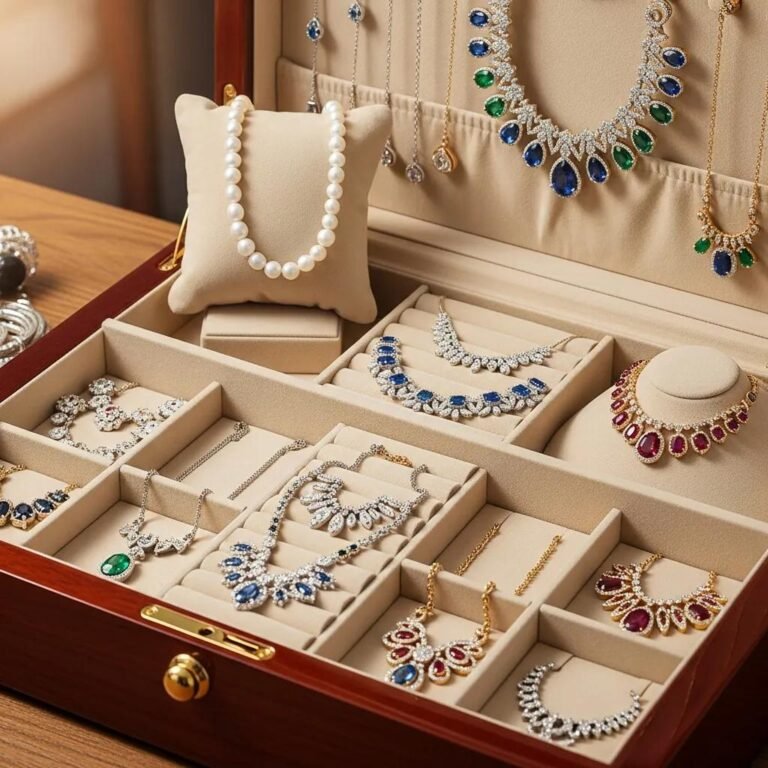
- Individual Storage: Store each piece of jewelry separately to avoid scratches and tangling. For specific guidance on safely storing necklaces, consider dedicated necklace organizers.
- Use Soft Pouches or Cases: Keep your diamonds in soft pouches or lined jewelry boxes to protect them from dust and impact.
- Avoid Humidity: Store your jewelry in a cool, dry place to prevent moisture buildup, which can lead to tarnishing of settings.
By following these storage practices, you can help maintain the quality and appearance of your diamonds.
How Should You Store Lab Grown Diamond Jewelry to Avoid Scratches and Tangling?
To avoid scratches and tangling, consider these storage tips:
- Use Separate Compartments: If your jewelry box has compartments, use them to keep each piece separate.
- Wrap in Soft Cloth: For pieces without compartments, wrap them in a soft cloth before placing them in a box.
- Avoid Stacking: Do not stack jewelry on top of each other, as this can lead to scratches and damage.
These practices will help keep your diamonds safe and in pristine condition.
What Environmental Conditions Are Ideal for Jewelry Storage and Travel?
When storing or traveling with your lab grown diamonds, consider the following environmental conditions:
- Temperature Control: Keep your jewelry in a stable temperature environment, avoiding extreme heat or cold.
- Low Humidity: Aim for a low-humidity environment to prevent moisture-related damage.
- Safe Travel Cases: Use padded travel cases designed for jewelry to protect your diamonds during transport.
Maintaining these conditions will help ensure your diamonds remain beautiful and undamaged.
When and Why Should You Seek Professional Maintenance for Lab Grown Diamonds?
Professional maintenance is essential for ensuring the longevity and beauty of your lab grown diamonds. Regular inspections, guided by GIA diamond care guidelines, can help identify potential issues before they become significant problems.
- Signs of Wear: Look for signs such as loose settings, visible scratches, or dullness in the diamond’s appearance.
- Professional Cleaning: Schedule professional cleaning at least once a year to remove buildup that home cleaning may miss.
- Repairs: If you notice any damage, seek professional help immediately to prevent further issues.
Understanding when to seek professional maintenance can save you time and money in the long run. Additionally, considering jewelry insurance guidelines can further protect your valuable diamond investment.
What Are the Signs That Your Diamond Needs Professional Inspection or Repair?
Be aware of the following signs that indicate your diamond may need professional attention:
- Loose Settings: If the diamond feels loose in its setting, it may be at risk of falling out.
- Visible Damage: Look for chips, cracks, or scratches on the diamond or its setting.
- Dull Appearance: If your diamond appears dull despite regular cleaning, it may require professional polishing.
Addressing these signs promptly can help maintain the integrity of your jewelry.
How Often Should Professional Cleaning and Maintenance Be Scheduled?
For optimal care, consider the following maintenance schedule:
- Annual Inspections: Schedule a professional inspection at least once a year to check for any issues.
- Cleaning Frequency: Have your diamonds professionally cleaned every 6-12 months, depending on wear.
- Immediate Repairs: Seek immediate professional help if you notice any signs of damage or wear.
Following this schedule will help ensure your lab grown diamonds remain in excellent condition.
What Common Myths and Mistakes Should You Avoid in Lab Grown Diamond Care?
Understanding common myths and avoiding care mistakes can help you better care for your lab grown diamonds.
- Myth: Lab Grown Diamonds Are Less Durable: Many believe lab grown diamonds are inferior, but they are equally durable as natural diamonds.
- Mistake: Over-Cleaning: Excessive cleaning can lead to wear on the settings; regular but gentle cleaning is sufficient.
- Myth: Diamonds Don’t Need Maintenance: All diamonds, including lab grown ones, require regular care to maintain their beauty.
By debunking these myths, you can adopt better care practices for your diamonds.
Do Lab Grown Diamonds Lose Their Sparkle Over Time?
Lab grown diamonds do not inherently lose their sparkle over time. However, neglecting proper care can lead to a buildup of dirt and oils that dull their appearance. Regular cleaning and maintenance are essential to keep them looking their best.
Can Ultrasonic Cleaners or Harsh Chemicals Damage Your Lab Grown Diamonds?
Ultrasonic cleaners are generally safe for diamonds themselves but can loosen settings, especially if the jewelry has inclusions or is fragile. Harsh chemicals, particularly chlorine and bleach, can damage the metal settings and potentially dull the diamond’s surface over time. It is best to use ultrasonic cleaners cautiously and avoid harsh chemicals to ensure the longevity of your jewelry.
| Cleaning Method | Effectiveness | Safety Level | Recommended Frequency |
|---|---|---|---|
| Mild Soap & Water | High | Safe | Weekly |
| Eco-Friendly Solutions | Moderate | Safe | Bi-weekly |
| Ultrasonic Cleaners | High | Use with caution | As needed |
This table summarizes the effectiveness and safety of various cleaning methods for lab grown diamonds, highlighting the importance of choosing safe options for maintaining your jewelry.