Unlock the Value of Lab Grown Diamond Jewelry
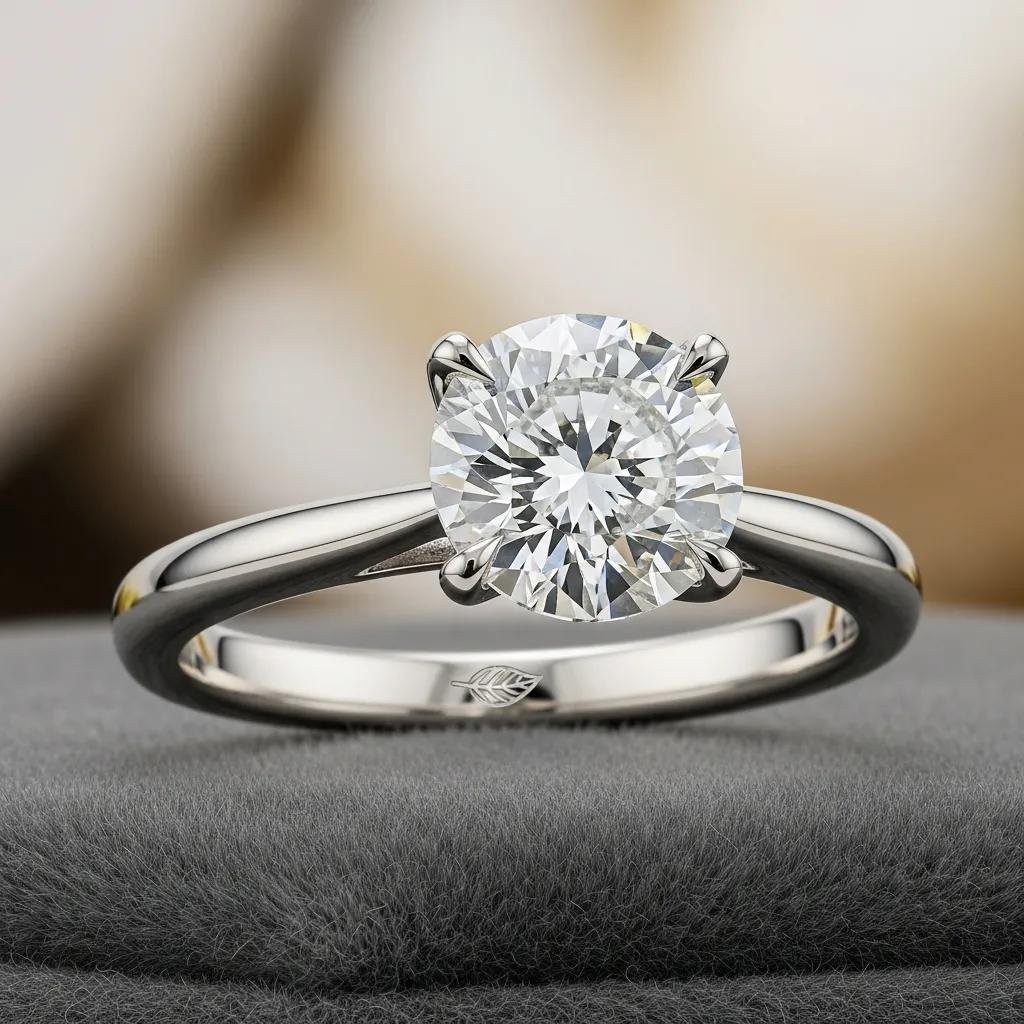
Unlock the Value of Lab Grown Diamond Jewelry: Your Guide to Ethical, Affordable, and Sustainable Luxury
Lab grown diamond jewelry represents a revolutionary shift in the luxury market, offering consumers a blend of ethical sourcing, affordability, and sustainability. This comprehensive guide will explore the unique value of lab grown diamonds, detailing their creation, key benefits of lab grown diamonds, and how they compare to traditional natural diamonds. As more individuals seek to make responsible purchasing decisions, understanding the advantages of lab grown diamonds becomes essential. This article will cover the creation methods of lab grown diamonds, their ethical implications, investment potential, certification, and care, as well as styling tips for various occasions.
Indeed, the evolving landscape of the global gem industry reflects a significant shift towards these very values.
Sustainable & Affordable: The New Era of Lab-Grown Diamonds
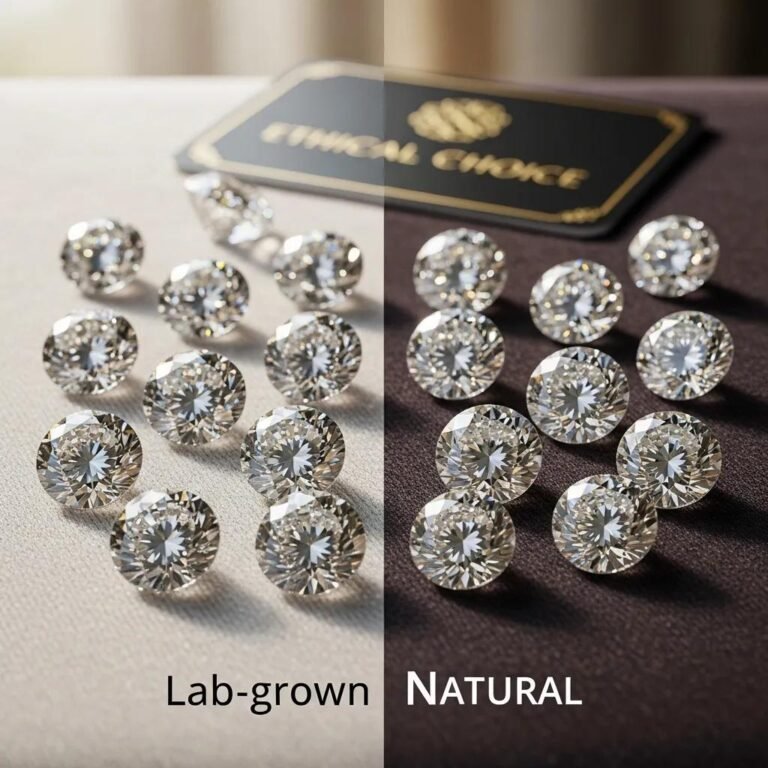
Lab-grown diamonds will see the transformation of the global gem industry: a shift toward sustainable and ethical alternatives to natural diamonds. These results suggest that consumer preferences are more aligned with shared values and attributes of the product, like eco-friendliness and affordability, rather than demographic factors.
New Era of Lab Grown Diamond, J Vidani, 2024
What Are Lab Grown Diamonds and How Do They Compare to Natural Diamonds?
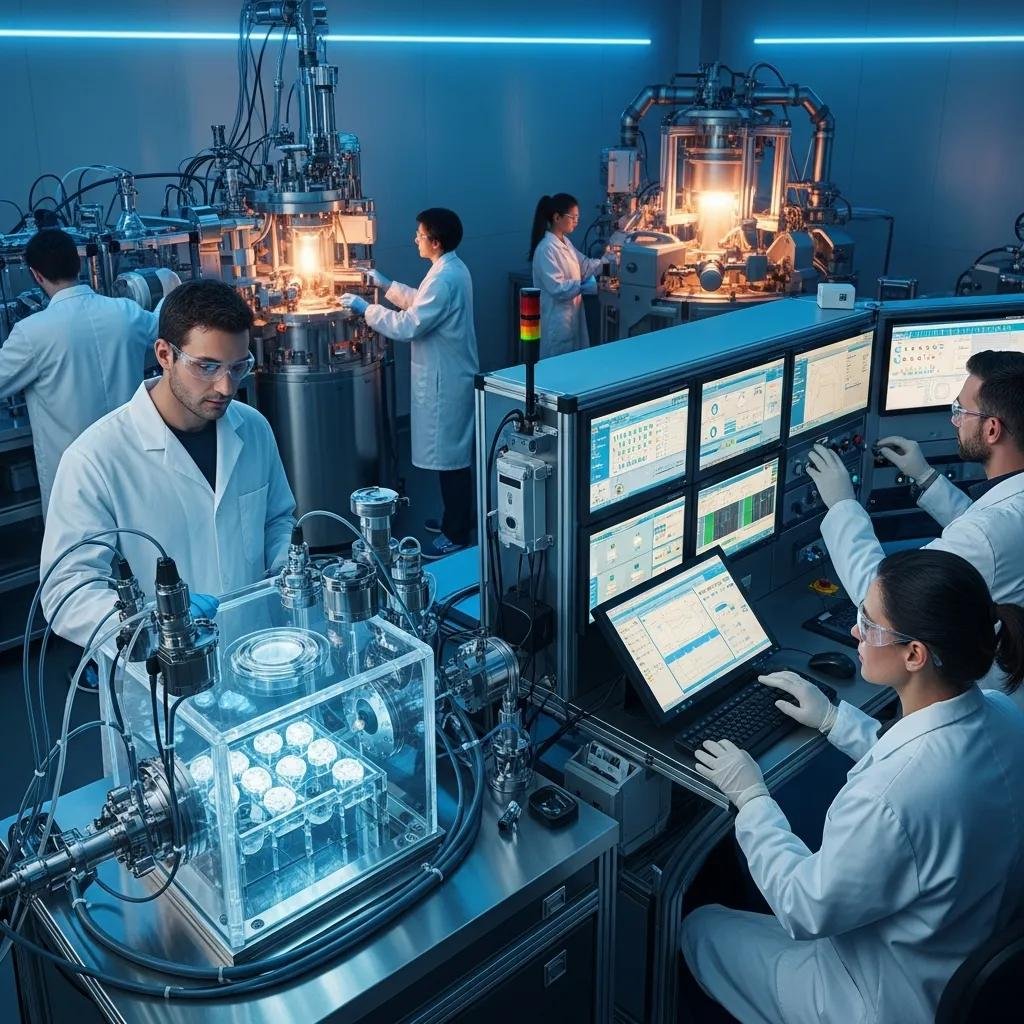
Lab grown diamonds are man-made stones that possess the same physical, chemical, and optical properties as natural diamonds. Created in controlled environments, these diamonds are produced using advanced technology, which allows for a more sustainable and ethical alternative to traditional mining. The primary methods for creating lab grown diamonds are Chemical Vapor Deposition (CVD) and High Pressure High Temperature (HPHT), each with distinct processes and benefits.
How Are Lab Grown Diamonds Created: CVD vs. HPHT Methods
CVD diamonds are formed by depositing carbon gases in a vacuum chamber, where they crystallize into diamond structures. This method allows for precise control over the diamond’s characteristics, including size and clarity. On the other hand, HPHT diamonds mimic the natural conditions under which diamonds form in the Earth, using high pressure and temperature to create diamonds from carbon. Both methods yield high-quality diamonds, but HPHT is often favored for its ability to produce certain colors and for treating diamonds, while CVD is noted for its lower environmental impact and ability to produce larger stones.
What Are the 4Cs of Lab Grown Diamonds and Why Do They Matter?
The 4Cs—Cut, Color, Clarity, and Carat—are essential criteria for evaluating diamond quality. The cut refers to how well the diamond has been shaped and faceted, affecting its brilliance. Color indicates the presence of any hue, with colorless diamonds being the most valuable. Clarity measures the presence of internal or external flaws, while carat weight determines the size of the diamond. Understanding these factors is crucial for consumers to make informed decisions when purchasing lab grown diamonds.
Why Choose Ethical Lab Diamond Jewelry for Your Special Occasions?
Choosing lab grown diamond jewelry for special occasions not only enhances the beauty of the moment but also aligns with ethical values. Lab grown diamonds are sourced without the environmental and social issues associated with traditional diamond mining, making them a responsible choice for consumers.
What Does Ethical Sourcing Mean for Lab Grown Diamonds?
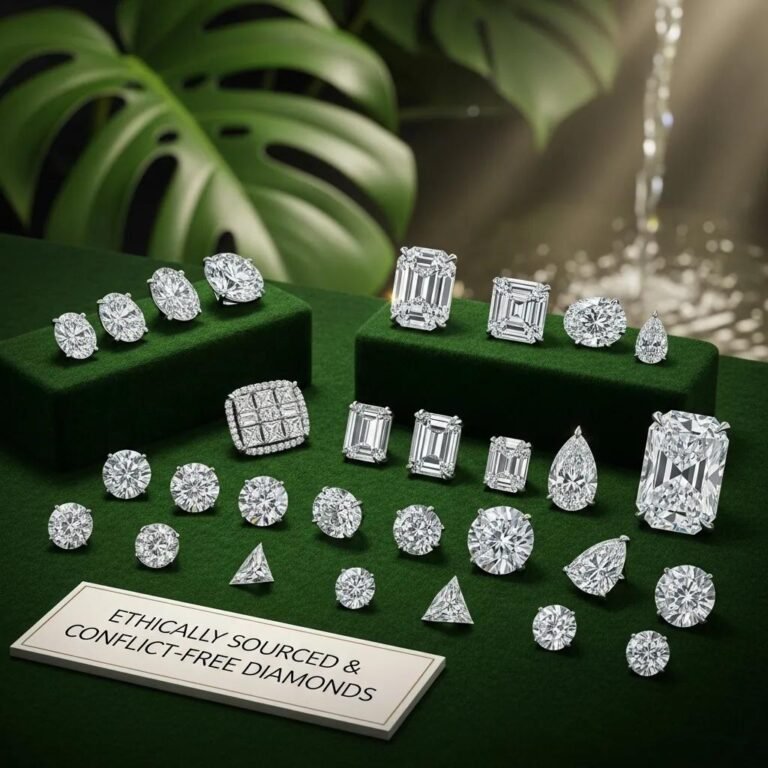
Ethical sourcing in the context of lab grown diamonds means that the diamonds are produced in a manner that does not exploit workers or harm the environment. This approach ensures that consumers can enjoy their jewelry with peace of mind, knowing that their purchase supports sustainable practices and fair labor conditions.
This sentiment is echoed by industry insights, highlighting the growing consumer demand for ethically produced luxury goods.
Ethical Luxury: Lab-Grown Diamonds & Conscious Consumption
Since the luxury industry is migrating towards a more conscious way of manufacturing products and consumers are thriving towards ethical consumption and bold products, lab-grown diamond is gaining in popularity against the bleak stories of the mined ones. New generations of consumers increasingly recognized the importance of ethical consumption of a luxury product. Bitter lines in the news, child labor and conflicts such as “Blood diamonds” created an uncertain environment in which the new generation Gen Z, nowadays does not feel comfortable to buy unconsciously.
Lab-grown diamond–the shape of tomorrow’s jewelry, 2021
How Does Lab Grown Diamond Jewelry Support Sustainability and Fair Labor?
Lab grown diamond production significantly reduces the environmental impact compared to traditional mining. The process requires less land disruption and water usage, and it generally generates fewer carbon emissions, though the exact environmental footprint can vary depending on the energy sources used by the production facility. Additionally, lab grown diamonds are often produced in facilities that adhere to fair labor practices, ensuring that workers are treated ethically and compensated fairly.
How Do Affordable Lab Grown Diamonds Maximize Your Jewelry Investment?
One of the most compelling reasons to choose lab grown diamonds is their affordability. These diamonds typically cost 30-40% less than their natural counterparts, allowing consumers to maximize their investment without sacrificing quality.
Why Are Lab Grown Diamonds More Affordable Than Natural Diamonds?
The affordability of lab grown diamonds can be attributed to lower production costs and the absence of mining expenses. Since they are created in controlled environments, the supply can be adjusted to meet demand, preventing price inflation often seen in natural diamonds due to scarcity. Consumers can also rely on FTC jewelry pricing guidelines to ensure transparency and fair practices in the market. For a deeper dive into lab grown vs natural diamond pricing, explore our detailed guide.
How to Get More Carat and Quality Within Your Budget?
When purchasing lab grown diamonds, consumers can often afford larger carat sizes and higher quality stones within their budget. By understanding the 4Cs and focusing on specific attributes that matter most to them, buyers can select diamonds that offer the best value for their investment.
| Attribute | Lab Grown Diamonds | Natural Diamonds |
|---|---|---|
| Price | 30-40% less | Higher due to scarcity and mining costs |
| Quality | Consistent quality | Variable quality |
| Sourcing | Ethical and sustainable | Often problematic |
This comparison highlights the financial advantages of choosing lab grown diamonds, making them an attractive option for consumers looking to invest in high-quality jewelry.
What Should You Know About Lab Grown Diamond Certification and Care?
Understanding the certification and care of lab grown diamonds is essential for maintaining their beauty and value. Certifications from reputable organizations ensure that the diamonds are genuine and meet specific quality standards.
How Do IGI and GIA Certifications Ensure Lab Diamond Authenticity?
The International Gemological Institute (IGI) and the Gemological Institute of America (GIA) are two leading organizations that provide certification for lab grown diamonds. These certifications verify the diamond’s quality based on the 4Cs and confirm that the stone is indeed lab grown. This assurance is crucial for consumers, as it protects their investment and ensures they receive a genuine product. Understanding these certifications, particularly GIA diamond valuation standards, is key to making informed purchasing decisions.
What Are the Best Practices to Care for Your Lab Grown Diamond Jewelry?
To maintain the brilliance of lab grown diamond jewelry, proper care is essential. Regular cleaning with a soft cloth and mild soap can help remove dirt and oils. Additionally, storing the jewelry in a separate compartment can prevent scratches and damage. Following these care tips will ensure that your lab grown diamonds remain stunning for years to come.
Do Lab Grown Diamonds Hold Their Value: Investment and Resale Insights
As the market for lab grown diamonds continues to grow, many consumers wonder about their long-term value and resale potential. Understanding these aspects can help buyers make informed decisions. For comprehensive insights into the evolving landscape, refer to recent lab grown diamond market analysis. To learn more about lab grown diamond investment potential, read our dedicated article.
Are Lab Grown Diamonds a Good Investment for the Long Term?
Lab grown diamonds are increasingly recognized as a viable option for consumers seeking affordable luxury, but they generally do not hold value as well as natural diamonds over the long term. Their lower initial cost and growing consumer acceptance suggest they may retain some value, but resale prices tend to be significantly lower than natural diamonds. Market trends and consumer preferences will continue to influence their future value. For a detailed look at lab grown diamond value retention, check out our guide.
What Is the Realistic Resale Value of Lab Grown Diamond Jewelry?
The resale value of lab grown diamonds is generally lower than that of natural diamonds, primarily due to differences in market perception and demand. While awareness and acceptance of lab grown diamonds are increasing, their resale value remains lower and less stable compared to natural diamonds, making them less ideal as traditional investments.
How to Style Lab Grown Diamond Jewelry for Everyday Elegance and Special Moments
Lab grown diamond jewelry can be styled for both everyday wear and special occasions, offering versatility and elegance.
Which Lab Grown Diamond Jewelry Pieces Are Perfect for Daily Wear?
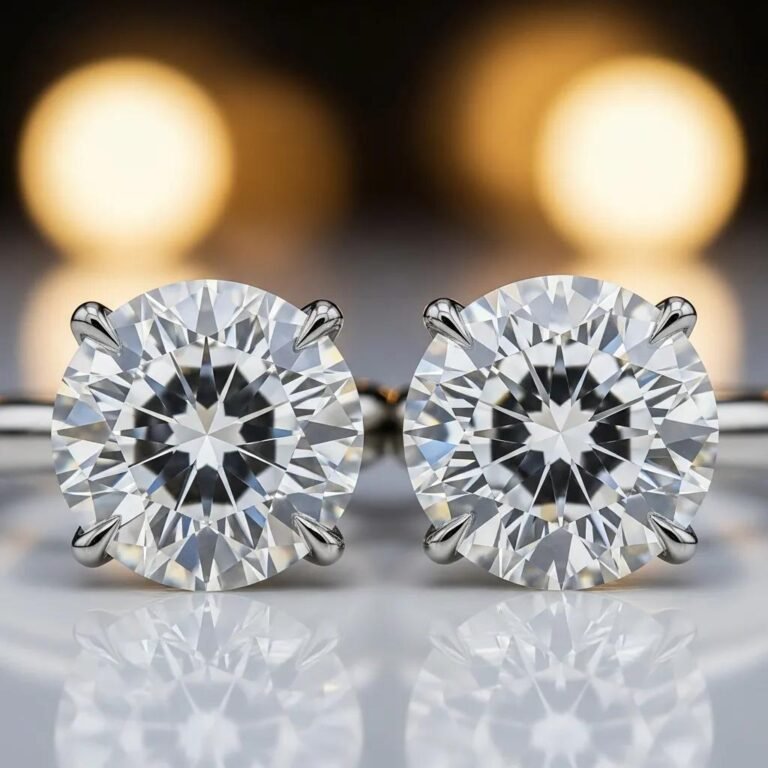
For daily wear, lab grown diamond earrings and simple pendants are excellent choices. These pieces provide a touch of elegance without being overly flashy, making them suitable for various settings, from the office to casual outings.
How to Choose Lab Grown Diamonds for Engagements and Anniversaries?
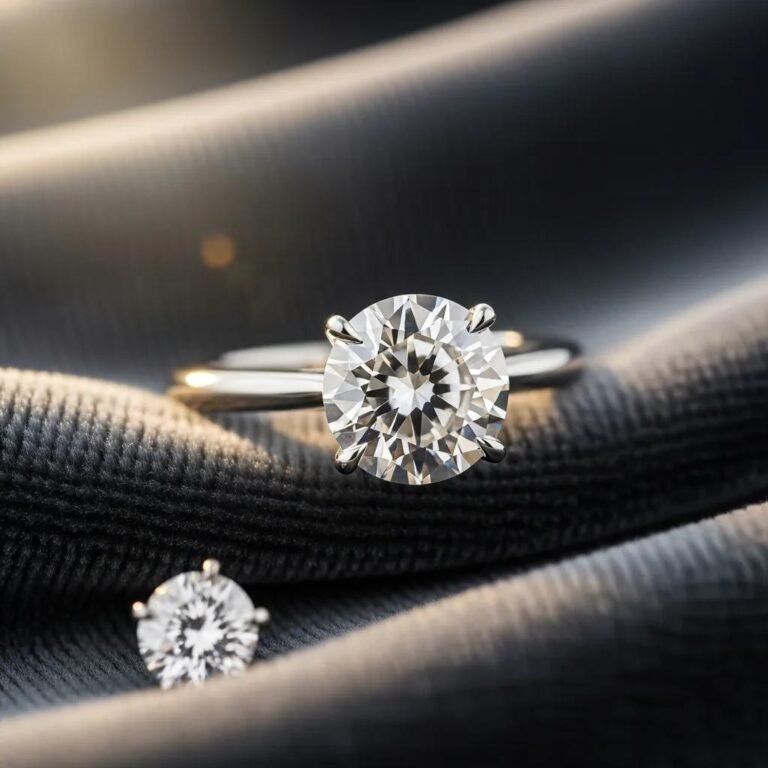
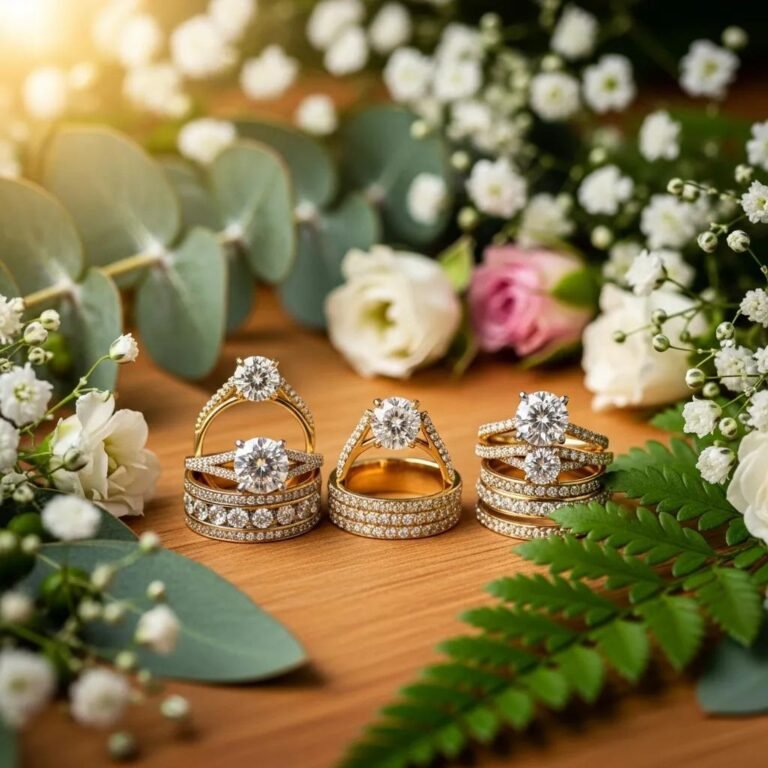
When selecting lab grown diamonds for engagements or anniversaries, consider the recipient’s personal style and preferences. Opt for classic settings that highlight the diamond’s beauty, and don’t hesitate to choose larger carat sizes, as lab grown diamonds offer more options within budget. To make an even more informed decision for your special moment, you might also want to explore sustainable engagement rings.
In conclusion, lab grown diamond jewelry presents a unique opportunity for consumers to invest in high-quality, ethically sourced, and affordable luxury. By understanding the various aspects of lab grown diamonds, from their creation to their care, individuals can make informed choices that align with their values and enhance their personal style.