Essential Tips for Lab Grown Ring Maintenance
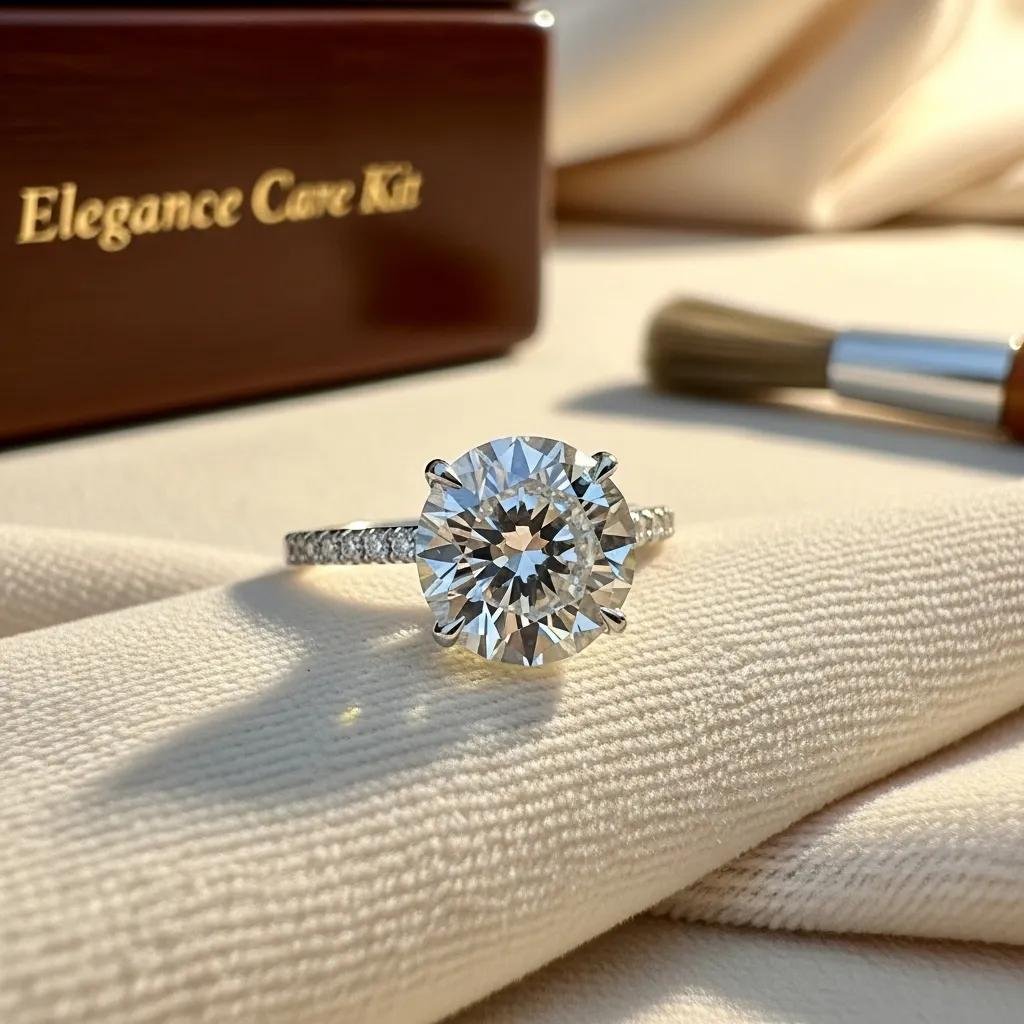
Essential Tips for Lab Grown Ring Maintenance: Your Complete Lab Grown Diamond Cleaning Guide
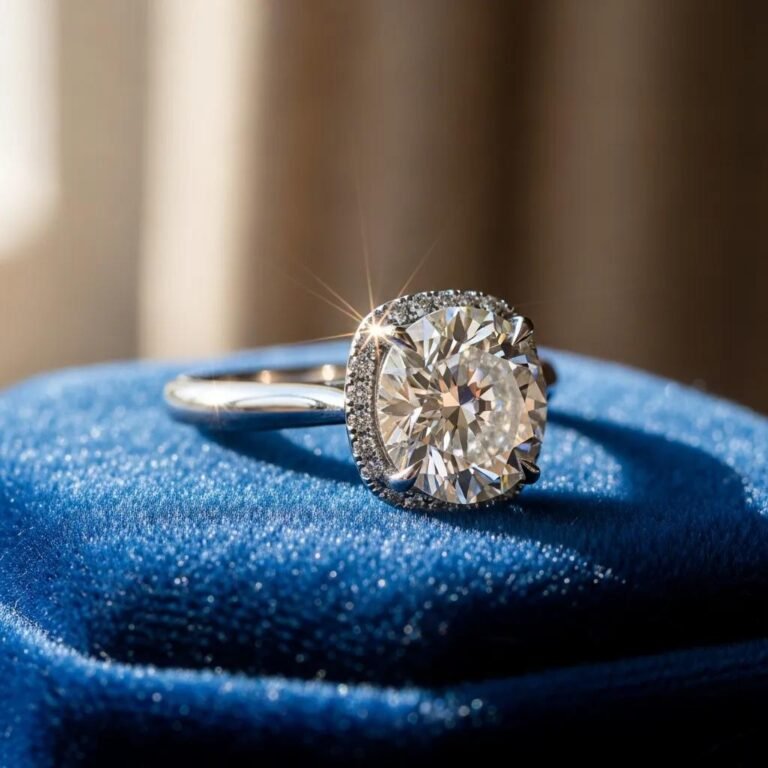
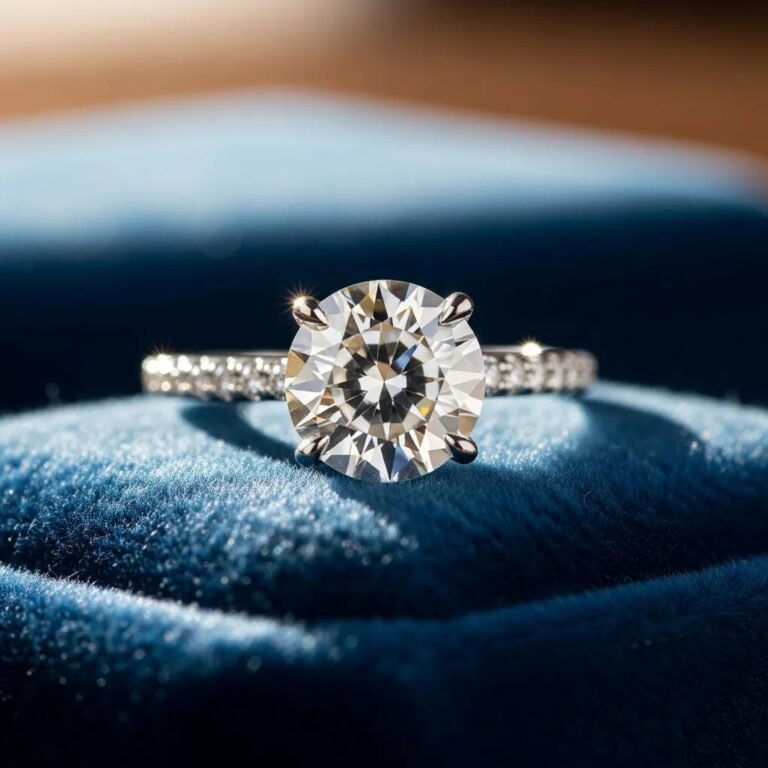
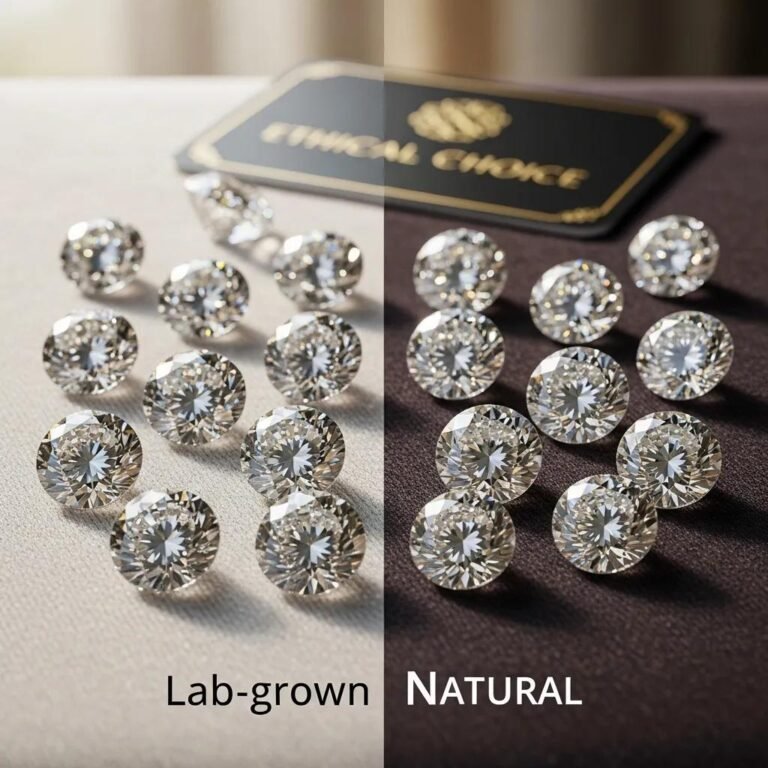
Lab grown diamonds are a modern marvel, offering the beauty and brilliance of traditional diamonds while being ethically sourced and environmentally friendly. For a deeper dive into comparing care requirements, explore our dedicated guide. This comprehensive ring care guide will provide you with essential tips for maintaining your lab grown diamond rings, ensuring they remain as stunning as the day you received them. Many individuals struggle with keeping their jewelry in pristine condition, often leading to dullness and potential damage. For a detailed consumer ring care guide, refer to trusted resources. By following the right maintenance practices, you can preserve the integrity and shine of your lab grown diamonds. In this article, we will explore effective cleaning methods, daily habits to protect your rings, proper storage techniques, the importance of professional maintenance, and the durability of lab grown diamonds.
How Do You Properly Clean Your Lab Grown Diamond Ring at Home?
Cleaning your lab grown diamond ring at home is essential for maintaining its sparkle and brilliance. Regular cleaning helps remove dirt, oils, and residues that can dull the appearance of your ring. The proven care methods involve gentle solutions that won’t damage the diamond or its setting.
What Are the Best At-Home Cleaning Methods for Lab Created Rings?
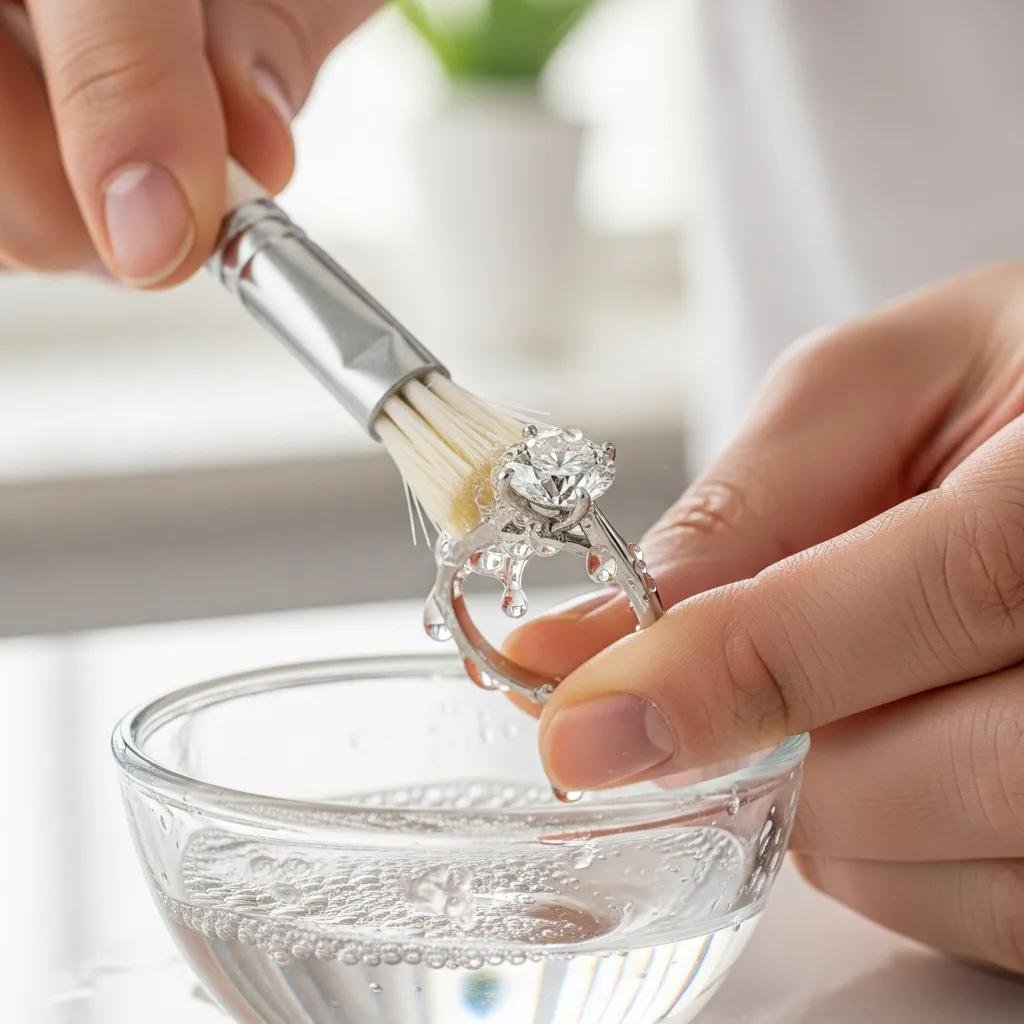
To effectively clean your lab grown diamond ring at home, follow these steps:
- Mild Soap and Water: Mix a few drops of mild dish soap with warm water. Soak your ring for about 15-20 minutes.
- Soft Brush: Use a soft-bristled toothbrush to gently scrub the diamond and the setting, ensuring you reach all crevices.
- Rinse and Dry: Rinse the ring under warm running water and dry it with a soft, lint-free cloth.
These methods are safe and effective, ensuring your ring remains sparkling without the risk of damage from harsh chemicals.
Can You Use Ultrasonic Cleaners Safely on Lab Grown Diamonds?
Ultrasonic cleaners can be effective for cleaning lab grown diamonds, but caution is necessary.
- Safe Use Conditions: Ensure that your ring is securely set and free from any loose stones before using an ultrasonic cleaner.
- Potential Risks: While ultrasonic cleaners can remove dirt effectively, they may loosen stones in poorly set rings or damage certain settings.
- Recommendations from Jewelers: Many jewelers recommend using ultrasonic cleaners for lab grown diamonds, but always consult with a professional if unsure or if your ring has delicate settings. You can also refer to GIA maintenance guidelines for further information.
By understanding the safe practices for using ultrasonic cleaners, you can maintain the beauty of your lab grown diamond ring without compromising its integrity.
What Daily Habits Protect and Maintain Your Lab Grown Engagement Ring?
Incorporating daily habits into your routine can significantly enhance the longevity and appearance of your lab grown engagement ring.
Which Activities Should You Avoid While Wearing Your Lab Diamond Ring?
- Sports and Heavy Lifting: Remove your ring before engaging in sports or heavy lifting to prevent scratches or damage.
- Household Chores: Take off your ring when doing household chores, especially when using harsh cleaning products.
- Exposure to Chemicals: Avoid exposing your ring to chemicals found in cleaning agents, lotions, and perfumes.
By being mindful of these activities, you can prevent unnecessary wear and tear on your ring.
How Should You Apply Cosmetics and Lotions to Prevent Ring Damage?
- Timing: Apply cosmetics and lotions before putting on your ring to minimize exposure.
- Types of Products: Avoid oil-based products that can leave residues on your ring.
- Cleaning After Application: If you accidentally get products on your ring, clean it promptly with a mild soap solution.
These practices will help maintain the clarity and shine of your lab grown diamond.
How Should You Store Lab Grown Diamond Jewelry to Prevent Damage?
Proper storage of your lab grown diamond jewelry is crucial to prevent scratches and damage.
What Are the Best Storage Solutions for Lab Grown Rings?
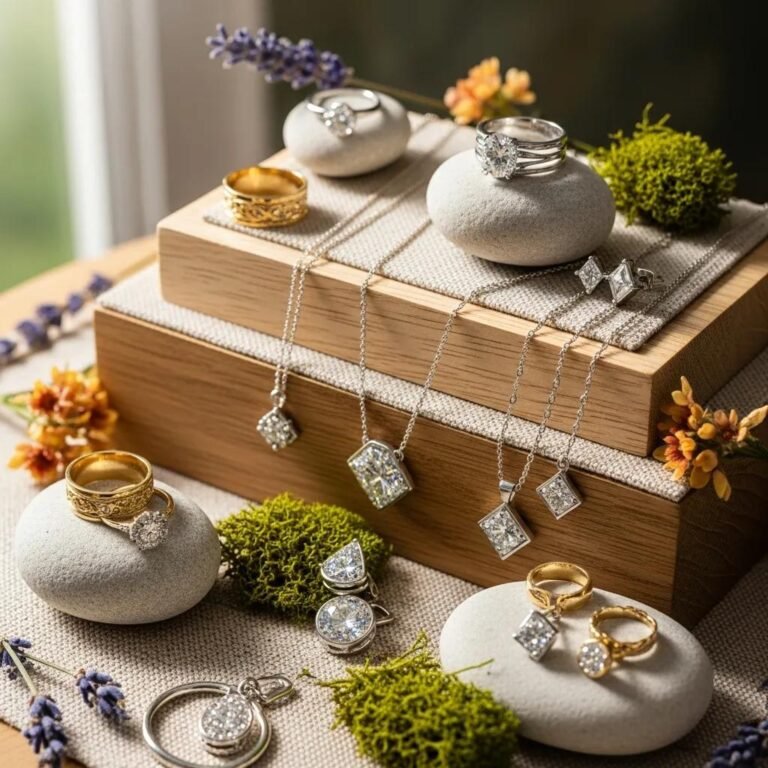
- Soft Pouches: Store each ring in a soft pouch to prevent scratches from other jewelry.
- Jewelry Boxes: Use a dedicated jewelry box with compartments to keep rings separate and secure.
- Avoid Mixed Storage: Do not store your lab grown diamond ring with other jewelry pieces that may scratch it.
These storage methods will help preserve the beauty of your lab grown diamond rings.
How Do Temperature and Humidity Affect Lab Grown Diamond Jewelry?
- Ideal Conditions: Store your rings in a cool, dry place to prevent moisture buildup.
- Effects of Extremes: High humidity can lead to tarnishing of metal settings, while extreme temperatures generally do not affect the diamond but can affect some metal types or settings.
- Long-term Care Tips: Regularly check your storage conditions and adjust as necessary to maintain optimal environments for your jewelry.
Understanding these factors will help you protect your investment in lab grown diamonds.
Why Is Professional Maintenance Important for Lab Grown Diamond Rings?
While at-home care is essential, professional maintenance plays a critical role in preserving your lab grown diamond rings, adhering to professional maintenance standards.
How Often Should You Schedule Professional Cleaning and Inspection?
- Annual Inspections: Regular inspections help identify any potential issues, such as loose stones or damaged settings.
- Signs to Look For: If you notice any changes in the ring’s appearance or feel, seek professional help sooner.
- When to Seek Help: If your ring has been exposed to harsh conditions or shows signs of wear, consult a jeweler immediately.
Regular professional maintenance ensures your ring remains in excellent condition.
What Does a Jeweler Check During a Lab Grown Ring Inspection?
- Setting Security: Ensuring that all stones are securely set and not at risk of falling out.
- Stone Integrity: Checking for any chips or damage to the diamond itself.
- Metal Condition: Inspecting the metal for signs of wear or tarnishing.
These checks are vital for maintaining the longevity and beauty of your lab grown diamond ring.
What Makes Lab Grown Diamonds Durable and Easy to Maintain?
Lab grown diamonds are known for their durability and ease of maintenance, making them an excellent choice for everyday wear.
How Does the Mohs Hardness Scale Explain Lab Grown Diamond Durability?
- Scale Explanation: This scale measures a material’s resistance to scratching, with diamonds being the hardest known natural material.
- Diamond Ranking: Their hardness makes lab grown diamonds resistant to everyday wear and tear.
- Implications for Care: This durability means that while regular maintenance is necessary, lab grown diamonds can withstand more than many other gemstones.
Understanding the hardness of lab grown diamonds helps in appreciating their resilience.
Why Are Lab Grown Diamonds More Chemically Stable Than Other Gemstones?
- Chemical Composition: Their structure is identical to that of natural diamonds, making them equally stable.
- Comparison with Other Stones: Unlike softer stones, lab grown diamonds do not easily chip or scratch.
- Impact on Maintenance: This stability reduces the frequency of required maintenance, making them a practical choice for jewelry.
The chemical stability of lab grown diamonds contributes to their appeal as a low-maintenance option.
How Does Proper Care Support the Ethical and Sustainable Value of Lab Grown Rings?
Maintaining your lab grown diamond ring not only preserves its beauty but also supports its ethical and sustainable value.
How Does Maintenance Extend the Life of Ethically Sourced Lab Grown Diamonds?
- Longevity Benefits: Regular cleaning and inspections prevent damage and keep the ring looking new.
- Sustainability Impact: By caring for your jewelry, you reduce the need for replacements, aligning with sustainable practices.
- Consumer Responsibility: As a consumer, taking care of your lab grown diamonds reflects a commitment to ethical sourcing and sustainability.
Understanding the connection between maintenance and sustainability enhances the value of your investment.
Indeed, the very nature of lab-grown diamonds positions them as a leading sustainable choice in the jewelry market.
Lab-Grown Diamonds: Sustainable Alternative to Mined Gems
Lab-grown diamonds present a sustainable alternative to deep-seated diamond mining by simulating natural conditions to produce the precious stones above ground in a span of six weeks.
Sustainable Sparkle: The Emergence and Impact of Lab-Grown Diamonds in India’s
Diamond Capital, AS George, 2024
What Are Sustainable Diamond Care Practices Recommended by GemsGlitz.com?
- Eco-Friendly Cleaning Solutions: Use biodegradable soaps and natural cleaning methods.
- Responsible Storage: Opt for sustainable materials in jewelry storage solutions.
- Regular Maintenance: Schedule professional cleanings with jewelers who prioritize ethical practices.
These practices not only protect your jewelry but also contribute to a more sustainable future.
| Storage Solution | Description | Benefits |
|---|---|---|
| Soft Pouches | Individual pouches for each ring | Prevents scratches and damage |
| Jewelry Boxes | Compartmentalized storage | Keeps rings secure and organized |
| Eco-Friendly Materials | Sustainable storage options | Reduces environmental impact |
By following these essential tips for lab grown ring maintenance, you can ensure that your jewelry remains beautiful and retains its value for years to come. For more detailed insights on maintaining diamond longevity, consider our dedicated resources. Regular cleaning, mindful daily habits, proper storage, and professional maintenance are all key components in preserving the integrity of your lab grown diamonds. Embracing these practices not only enhances the longevity of your jewelry but also aligns with the ethical and sustainable values that lab grown diamonds represent.