Understanding the Key Factors That Determine Lab Grown Engagement Ring Pricing
Understanding Lab Grown Engagement Ring Pricing: Key Factors and Cost Insights
Lab grown engagement rings have gained popularity due to their ethical sourcing and modern elegance. Understanding the pricing of these rings is essential for consumers looking to make informed decisions, guided by federal consumer protection standards. This article will explore the key factors that determine the cost of lab grown engagement rings, including the GIA 4Cs of diamond quality—carat weight, cut, color, and clarity—as well as the influence of metal types, customization options, and ethical considerations. By the end of this guide, readers will have a comprehensive understanding of what affects lab grown diamond pricing, informed by industry pricing trends, and how to choose the right ring for their needs, including exploring financing options.
Indeed, the growing appeal of lab-grown diamonds signifies a broader industry shift towards more sustainable, ethical, and affordable options that resonate with consumer values.
Lab Grown Diamond Appeal: Ethics, Sustainability & Affordability
Lab-grown diamonds will see the transformation of the global gem industry: a shift toward sustainable and ethical alternatives to natural diamonds. These results suggest that consumer preferences are more aligned withshared values and attributes of the product, like eco-friendliness and affordability, rather than demographic factors.
Lab Grown Diamond: Stone That Shatters the Century-old Cartel, 2019
What Are the Main Lab Grown Diamond Cost Factors?
The pricing of lab grown diamonds is influenced by several key factors, often referred to as the 4Cs: carat weight, cut, color, and clarity. Each of these elements plays a significant role in determining the overall value of a diamond. Additionally, the type of metal used in the ring setting and any customization options can further impact the final price. Understanding these factors is crucial for consumers who want to ensure they are making a wise investment.
Research further highlights how lab-grown diamonds provide significant cost savings while emphasizing the importance of the 4Cs in their valuation.
Lab Grown Diamond Pricing: 4Cs & Cost Savings
Lab-grown diamonds offer consumers high-quality diamonds for afraction of the price of natural diamonds. Furthermore, a better assessment of diamond quality using the 4Cs (cut, color, and clarity) could impact how natural and lab- created diamonds are perceived and valued.
Factors Affecting the Demand of Lab-Grown Diamonds: A Case of India, P Mehra, 2025
| Factor | Description | Impact on Price |
|---|---|---|
| Carat Weight | Refers to the size of the diamond. Larger diamonds are generally more expensive. | Higher carat weight increases price significantly. |
| Cut Quality | The quality of the diamond’s cut affects its brilliance and sparkle. | Better cut quality leads to higher prices. |
| Color Grade | Diamonds are graded on a scale from D (colorless) to Z (light yellow or brown). | Colorless diamonds are more valuable. |
| Clarity Grade | Measures the presence of internal or external flaws. | Higher clarity grades command higher prices. |
How Does Carat Weight Influence Lab Diamond Price?
Carat weight is one of the most significant factors affecting the price of lab grown diamonds. A carat is a unit of weight used to measure diamonds, with one carat equaling 0.2 grams. As the carat weight increases, the price per carat typically rises exponentially. For example, a one-carat diamond may cost significantly more per carat than a two-carat diamond due to the rarity of larger stones.
Why Is Diamond Cut Quality Crucial for Pricing and Brilliance?
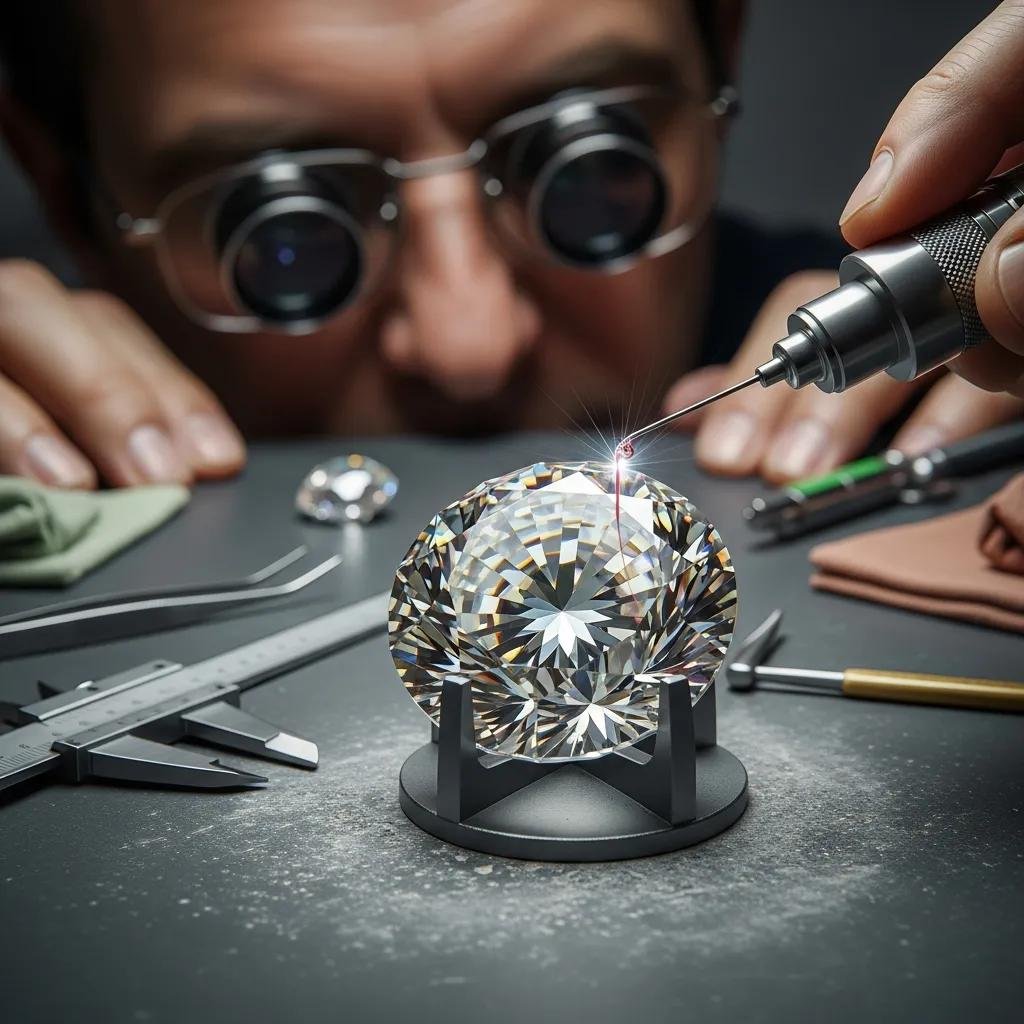
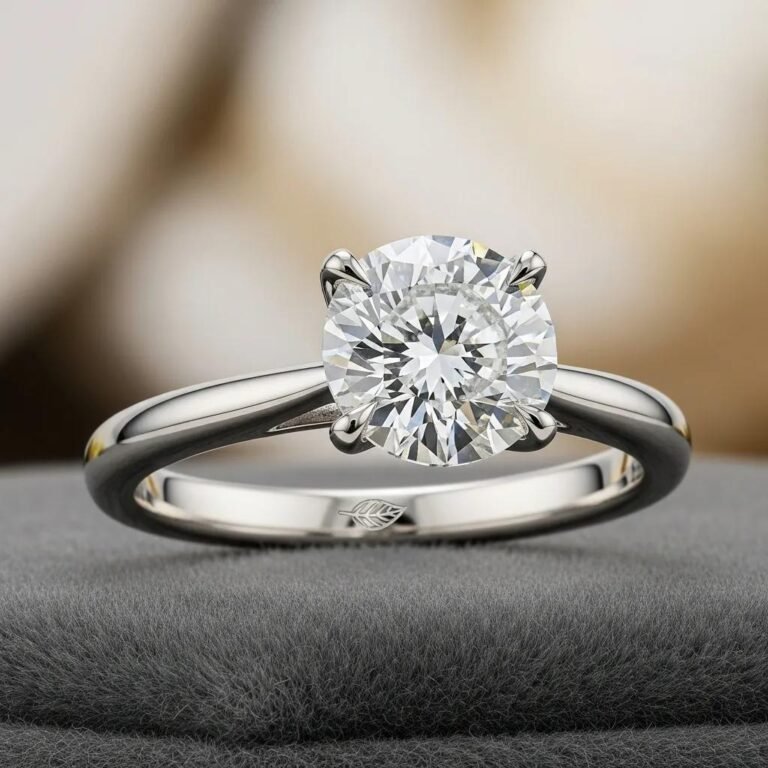
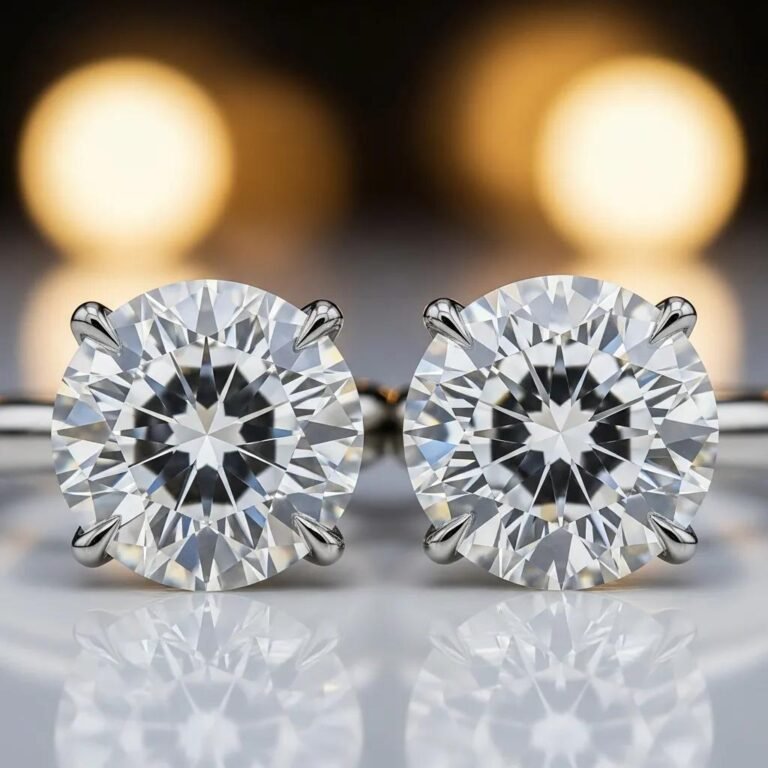
The cut quality of a diamond is essential for its overall appearance and brilliance. A well-cut diamond reflects light beautifully, enhancing its sparkle and visual appeal. Diamonds are graded on their cut quality, with options ranging from Excellent to Poor. A diamond with an excellent cut will not only look more stunning but will also command a higher price. Therefore, investing in a diamond with a superior cut can be worthwhile for those seeking maximum brilliance.
How Do Color and Clarity Grades Affect Lab Grown Diamond Value?
Color and clarity grades are critical in determining the value of lab grown diamonds. These grades assess the visual characteristics of the diamond, influencing both its beauty and price.
What Is the Impact of Color Grade on Lab Diamond Pricing?
Color grading for diamonds ranges from D (colorless) to Z (light yellow or brown). Colorless diamonds are the most sought after and, therefore, the most expensive. As the color grade moves down the scale, the price typically decreases. For instance, a D color diamond will be significantly more expensive than a G color diamond, which may exhibit slight color.
How Does Clarity Grade Determine Lab Diamond Cost?
Clarity grades evaluate the presence of inclusions or blemishes within a diamond. The grading scale ranges from Flawless (no inclusions visible under 10x magnification) to Included (inclusions visible to the naked eye). Diamonds with higher clarity grades are rarer and more valuable. For example, a diamond graded as VS1 (Very Slightly Included) will generally be more expensive than one graded as SI1 (Slightly Included).
Which Metal Types and Ring Settings Affect Engagement Ring Prices?
The choice of metal and ring setting can significantly influence the overall cost of an engagement ring. Different metals have varying prices and characteristics that can affect the final price.
How Do Platinum and Gold Compare in Engagement Ring Costs?
Platinum is often more expensive than gold due to its rarity and density. While gold is available in various karats (e.g., 14K, 18K), platinum is typically used in a purity of about 90-95%. This purity contributes to its higher cost. Additionally, platinum is more durable and resistant to tarnishing, making it a popular choice for engagement rings.
What Are the Price Differences Among Popular Ring Settings?
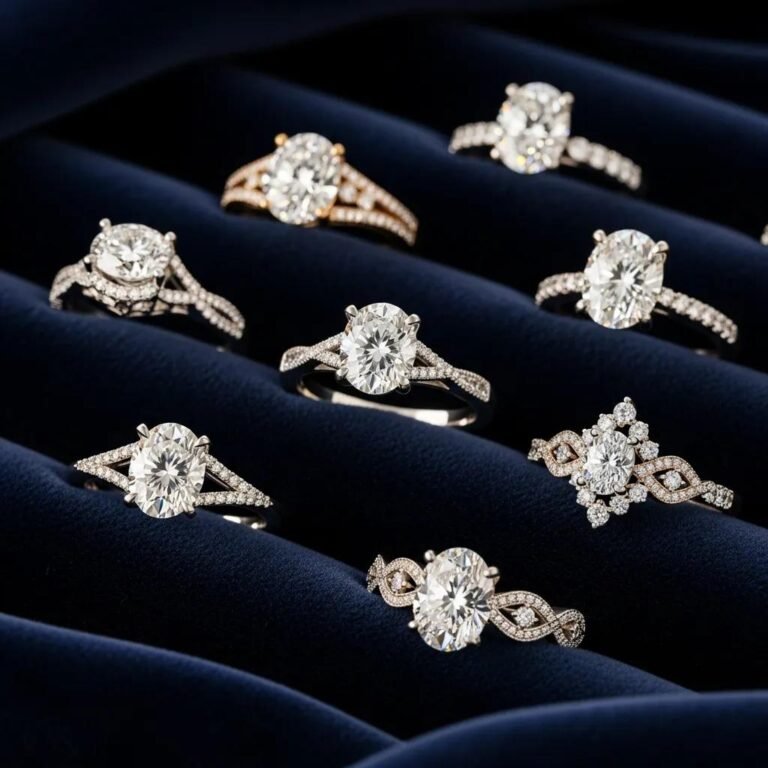
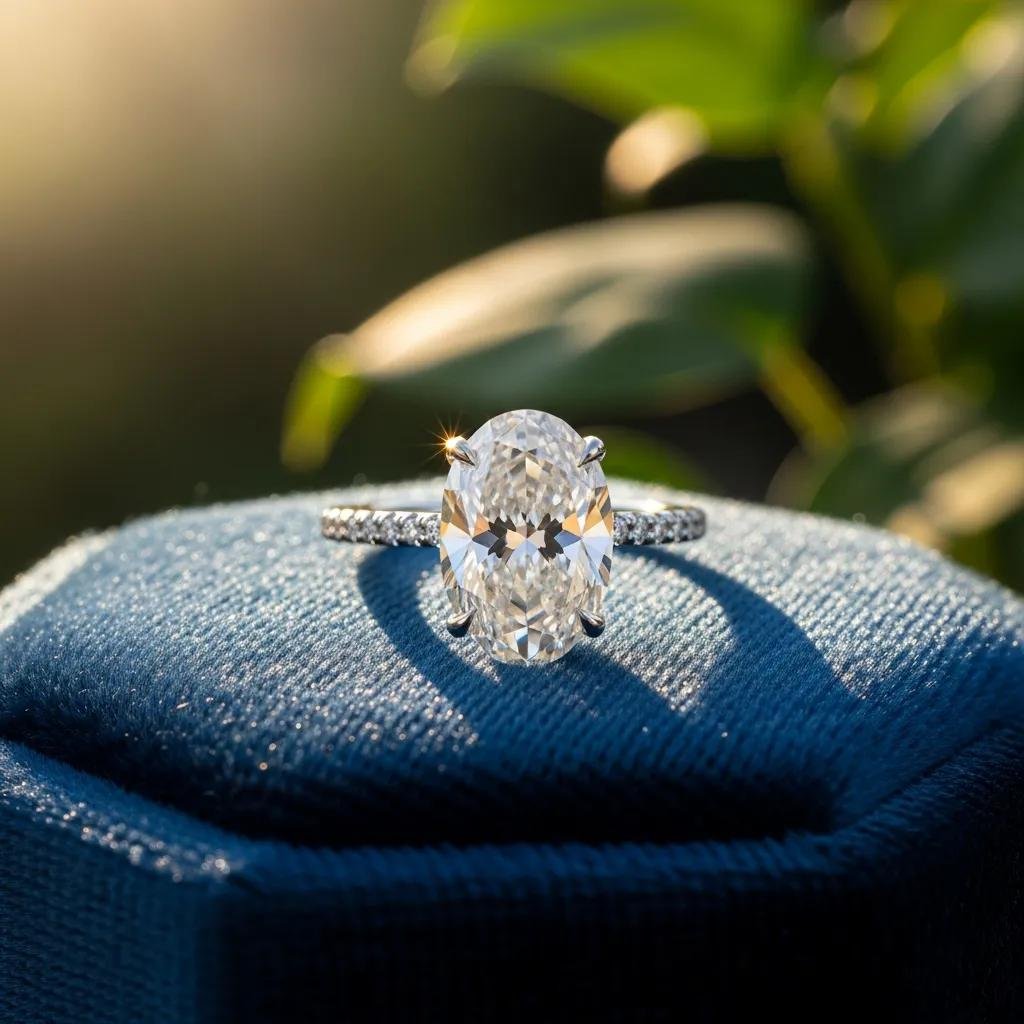
The ring setting can also impact the price of an engagement ring. Popular settings include solitaire, halo, and three-stone designs. Each setting has its own cost implications based on the complexity of the design and the amount of metal used. For instance, a halo setting, which features a center stone surrounded by smaller diamonds, may be more expensive than a simple solitaire setting due to the additional materials and craftsmanship involved.
How Does Customization Influence the Price of Lab Grown Engagement Rings?
Customization options allow consumers to create a unique engagement ring that reflects their personal style. However, these options can also affect the overall price.
What Are the Cost Implications of Bespoke Ring Designs?
Bespoke ring designs often come with a premium price tag due to the personalized nature of the creation process. Custom designs require additional time and expertise from jewelers, which can increase costs. Consumers should consider their budget when opting for a bespoke design, as the final price can vary significantly based on the complexity of the design and the materials used.
How Does Design Complexity Affect Final Pricing?
The complexity of a ring’s design can also influence its price. Intricate designs with multiple elements, such as filigree or engraving, may require more labor and time to create, leading to higher costs. Conversely, simpler designs may be more budget-friendly. Consumers should weigh their preferences for design complexity against their budget to find the right balance.
What Role Do Ethical Sourcing and Sustainability Play in Pricing?
Ethical sourcing and sustainability are increasingly important factors for consumers when purchasing lab grown engagement rings. These considerations can also impact pricing.
How Does Ethical Sourcing Add Value to Lab Grown Diamonds?
Lab grown diamonds are often marketed as ethically sourced alternatives to mined diamonds. The process of creating lab grown diamonds eliminates many of the ethical concerns associated with traditional diamond mining, such as environmental degradation and human rights abuses. As a result, consumers may be willing to pay a premium for diamonds that are marketed as ethically sourced, adding value to the overall purchase.
This perspective is reinforced by studies showing that lab-grown diamonds offer a sustainable and cost-effective solution to the ethical challenges of traditional mining.
Ethical Lab Grown Diamonds: Cost Reduction & Sustainability
Nevertheless, conventional diamond mining is rife with environmental and ethical concerns. Lab-grown diamonds present a sustainable alternative to deep-seated diamond mining by simulating natural conditions to produce the precious stones above ground in a span of six weeks. This allows for up to a 30% reduction in the cost of diamond production compared to conventional mining methods.
Sustainable Sparkle: The Emergence and Impact of Lab-Grown Diamonds in India’s
Diamond Capital, AS George, 2024
What Is the Environmental Impact on Engagement Ring Cost?
The environmental impact of diamond production is a significant concern for many consumers. Lab grown diamonds are created using processes that generally have a lower environmental footprint compared to mined diamonds, though energy consumption can vary depending on the technology used. This focus on sustainability can influence pricing, as consumers may prioritize eco-friendly options and be willing to invest more in products that align with their values.
Why Is Certification Important and How Does It Affect Resale Value?
What Are the Differences Between GIA and IGI Certifications?
The Gemological Institute of America (GIA) and the International Gemological Institute (IGI) are two of the most recognized certification bodies in the industry. GIA is known for its rigorous grading standards and is often considered the gold standard in diamond certification. IGI also provides reliable certifications but may have slightly different grading criteria and is more commonly used for lab grown diamonds. Diamonds certified by GIA typically command higher prices due to the institute’s reputation for accuracy and reliability.
Do Lab Grown Diamonds Hold Their Value Over Time?
Lab grown diamonds generally do not hold their value as well as natural diamonds in the resale market, largely due to market perceptions and the increasing supply of lab grown stones. While certification and quality can influence resale potential, consumers should be aware that lab grown diamonds typically have lower resale values compared to natural diamonds.