Lab Grown vs Natural Diamonds: Understanding Durability and Value for Jewelry
Lab Grown vs Natural Diamonds: Understanding Durability and Value for Ethical Jewelry Buyers
The debate between lab-grown and natural diamonds has gained significant traction among ethical jewelry buyers. As consumers become more conscious of the environmental and social implications of their purchases, understanding the differences in durability and value between these two types of diamonds is crucial. This article will explore the key distinctions, durability comparisons, and value assessments of lab-grown and natural diamonds, providing insights for informed purchasing decisions. Many buyers struggle with the choice between ethical sourcing and traditional mining practices. This guide aims to clarify these complexities, helping you navigate the jewelry market with confidence. We will cover the differences between lab-grown and natural diamonds, their durability, value comparisons, and the ethical considerations that influence purchasing decisions.
What Are the Key Differences Between Lab Grown and Natural Diamonds?
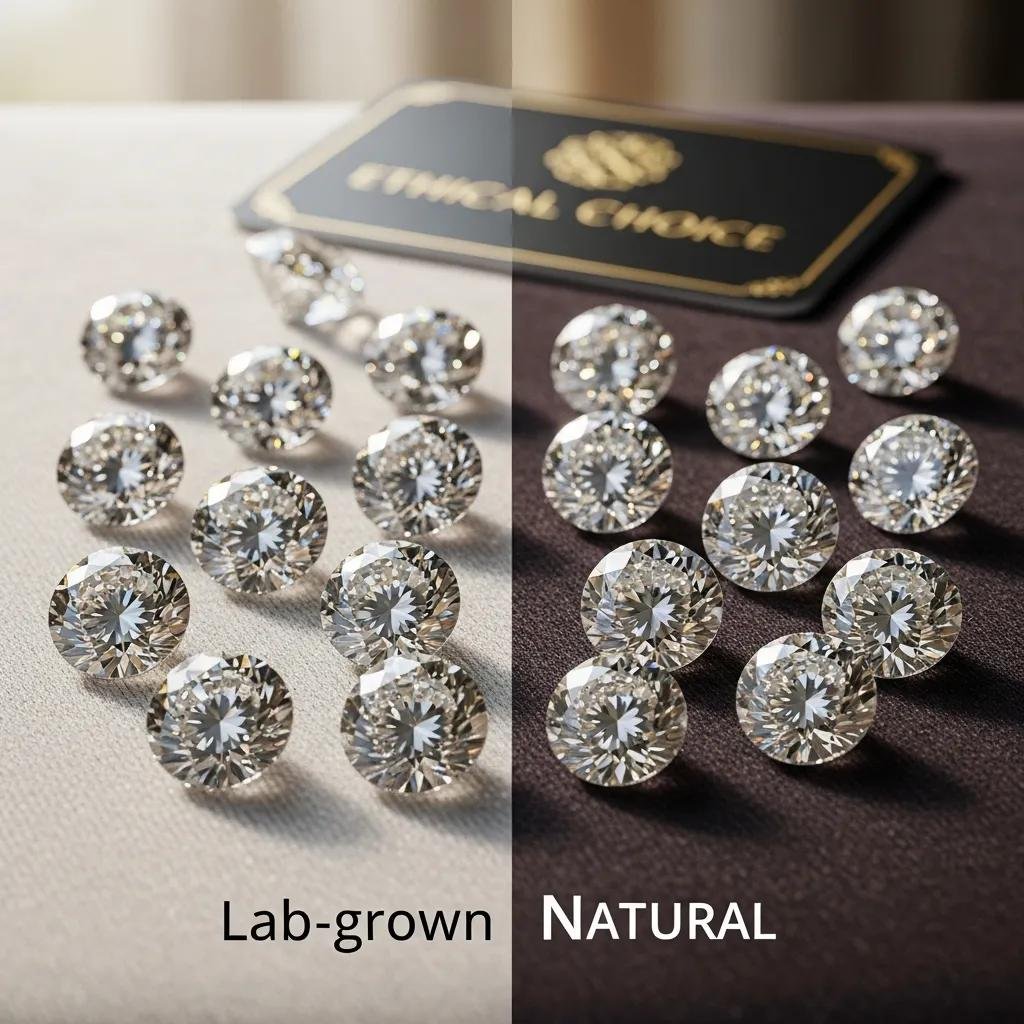
Lab-grown diamonds and natural diamonds differ fundamentally in their origin and formation processes. Lab-grown diamonds are created in controlled environments using advanced technology, while natural diamonds are formed over millions to billions of years deep within the Earth’s mantle. Understanding these differences is essential for consumers who prioritize ethical sourcing and sustainability in their jewelry choices.
How Are Lab Grown Diamonds Created Using HPHT and CVD Methods?
Lab-grown diamonds are produced using two primary methods: High Pressure High Temperature (HPHT) and Chemical Vapor Deposition (CVD). The HPHT method mimics the natural conditions under which diamonds form, applying extreme pressure and temperature to carbon sources. In contrast, the CVD method involves vaporizing carbon-rich gases, which then crystallize into diamond form. Both methods yield diamonds that are chemically, physically, and optically identical to natural diamonds, offering a sustainable alternative without the environmental impact associated with traditional mining.
What Defines Natural Diamonds: Formation and Rarity?
Natural diamonds are formed through geological processes that take millions to billions of years, involving high pressure and temperature conditions. The rarity of natural diamonds is a significant factor in their value, as they are found in limited locations around the world. This geological formation process contributes to their allure and status as a luxury item. The time and conditions required for natural diamonds to form make them a unique and precious commodity, often leading to higher prices compared to their lab-grown counterparts.
How Do Lab Grown and Natural Diamonds Compare in Durability?
When it comes to durability, both lab-grown and natural diamonds exhibit exceptional hardness, making them suitable for everyday wear in jewelry. However, understanding the nuances of their durability can help consumers make informed choices based on their lifestyle and preferences.
Are Lab Grown Diamonds as Hard and Tough as Natural Diamonds?
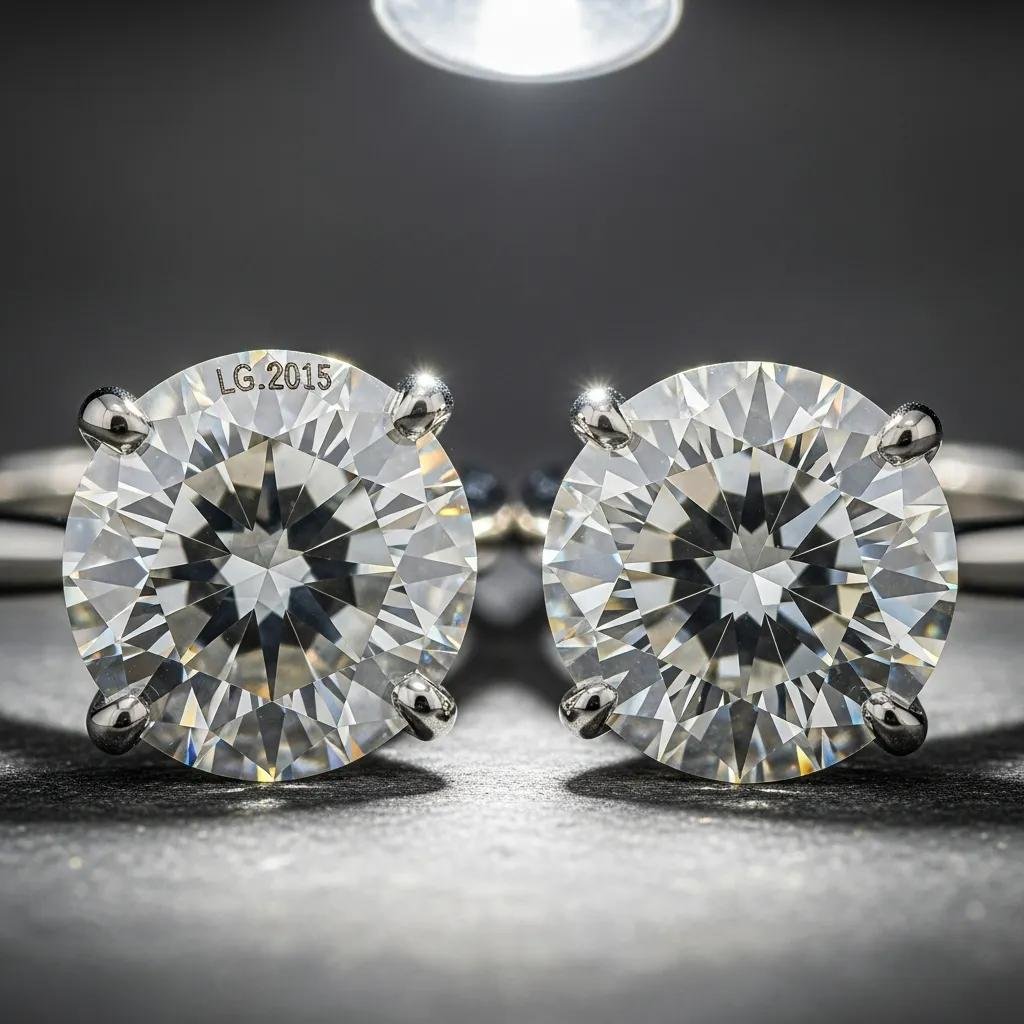
Lab-grown diamonds are just as hard and tough as natural diamonds, both ranking a 10 on the GIA diamond hardness scale. This means they are resistant to scratching and suitable for various types of jewelry, including engagement rings. The toughness of a diamond refers to its ability to withstand impact, and both types perform equally well in this regard. Therefore, consumers can expect the same level of durability from lab-grown diamonds as they would from natural diamonds.
What Role Do Hardness, Toughness, and Stability Play in Diamond Durability?
Hardness refers to a diamond’s resistance to scratching, as measured by the Mohs hardness scale, while toughness indicates its ability to endure impacts without breaking. Stability involves how well a diamond can maintain its appearance over time, including resistance to chemical and environmental damage. Both lab-grown and natural diamonds excel in these areas, making them ideal for everyday wear. Consumers should consider these attributes when selecting diamonds for jewelry, ensuring they choose options that will withstand the test of time.
What Is the Value Comparison Between Lab Grown and Natural Diamonds?
The value of diamonds is influenced by various factors, including market demand, rarity, and production costs. Understanding how lab-grown and natural diamonds compare in terms of value can help consumers make informed purchasing decisions.
How Do Price Trends and Affordability Differ for Lab Grown vs Mined Diamonds?
Understanding how price trends and affordability differ for lab-grown vs mined diamonds is crucial for consumers. Lab-grown diamonds are generally more affordable than natural diamonds due to their lower production costs and the absence of mining expenses. Price trends indicate that lab-grown diamonds can be 30-40% less expensive than their natural counterparts, making them an attractive option for budget-conscious consumers. This affordability allows buyers to invest in larger or higher-quality stones without exceeding their budget.
Further supporting the economic advantages, research highlights how lab-grown diamonds offer a cost-effective and sustainable alternative to traditional mining.
Lab-Grown Diamonds: Sustainable, Ethical, and Cost-Effective
Nevertheless, conventional diamond mining is rife with environmental and ethical concerns. Lab-grown diamonds present a sustainable alternative to deep-seated diamond mining by simulating natural conditions to produce the precious stones above ground in a span of six weeks. This allows for up to a 30% reduction in the cost of diamond production compared to conventional mining methods. Nevertheless, energy demands give rise to concerns regarding sustainability.
Sustainable Sparkle: The Emergence and Impact of Lab-Grown Diamonds in India’s
Diamond Capital, AS George, 2024
Do Lab Grown Diamonds Hold Their Value Compared to Natural Diamonds?
While lab-grown diamonds are less expensive initially, their resale value may not hold up as well as natural diamonds. Natural diamonds tend to retain their value over time due to their rarity and established market demand. In contrast, lab-grown diamonds may depreciate more quickly, as they are produced in larger quantities and are more readily available. Consumers should consider their long-term investment goals when choosing between lab-grown and natural diamonds.
Why Choose Ethical and Sustainable Diamond Jewelry?
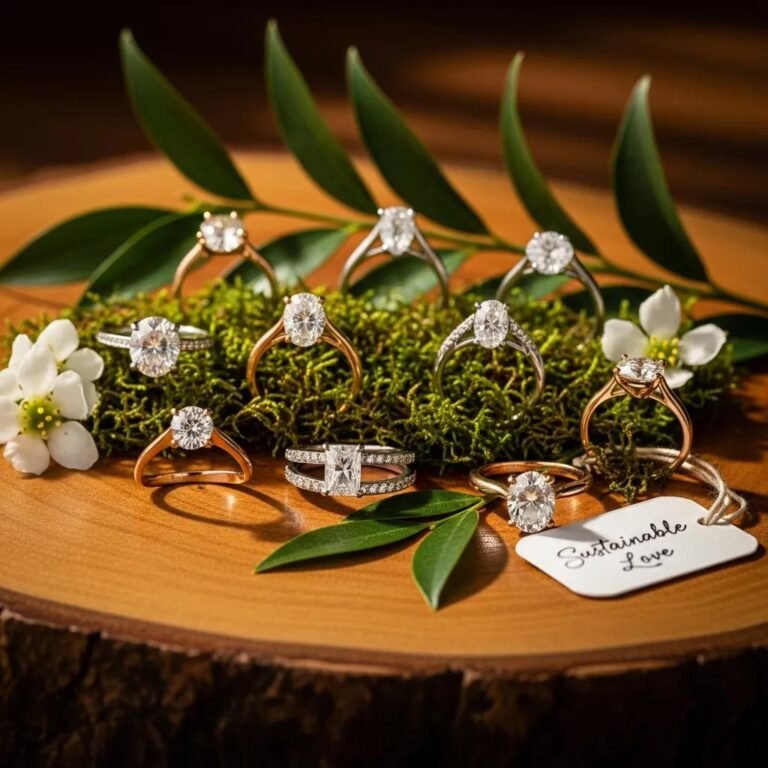
Choosing ethical and sustainable diamond jewelry is increasingly important for consumers who want to make responsible purchasing decisions. Lab-grown diamonds offer a compelling alternative to traditional mining practices, aligning with values of sustainability and social responsibility.
Indeed, consumer preferences are increasingly driving the jewelry industry towards more sustainable and ethical options, as evidenced by recent studies.
Consumer Preferences for Ethical & Affordable Lab-Grown Diamonds
Lab-grown diamonds will see the transformation of the global gem industry: a shift toward sustainable and ethical alternatives to natural diamonds. These results suggest that consumer preferences are more aligned with shared values and attributes of the product, like eco-friendliness and affordability, rather than demographic factors.
New Era of Lab Grown Diamond, J Vidani, 2024
What Are the Environmental and Social Benefits of Lab Grown Diamonds?
Lab-grown diamonds have a significantly lower environmental impact compared to natural diamonds. The production of lab-grown diamonds requires less land disruption and generally uses less water, reducing the ecological footprint associated with mining. Additionally, lab-grown diamonds eliminate the ethical concerns related to conflict diamonds, as they are produced in controlled environments without the social injustices often linked to traditional diamond mining. These environmental and social benefits make them a compelling choice.
How Does Ethical Sourcing Impact the Jewelry Industry?
Ethical sourcing is reshaping the jewelry industry by promoting transparency and accountability. Consumers are increasingly demanding ethically sourced products, leading many jewelers to adopt sustainable practices. This shift not only benefits the environment but also supports fair labor practices and community development. By choosing lab-grown diamonds, consumers can contribute to a more sustainable and equitable jewelry market.
How Can You Make an Informed Choice Between Lab Grown and Natural Diamonds?
Making an informed choice between lab-grown and natural diamonds involves considering various factors, including personal values, budget, and intended use. Understanding the differences in durability, value, and ethical implications can guide consumers in their decision-making process.
What Factors Should You Consider When Choosing Your Diamond?
- Budget: Determine how much you are willing to spend and explore options within that range.
- Ethical Considerations: Reflect on the importance of sustainability and ethical sourcing in your purchase.
- Durability Needs: Assess how the diamond will be used and choose a type that meets your lifestyle requirements.
How Does GemsGlitz.com Support Ethical and Sustainable Jewelry Choices?
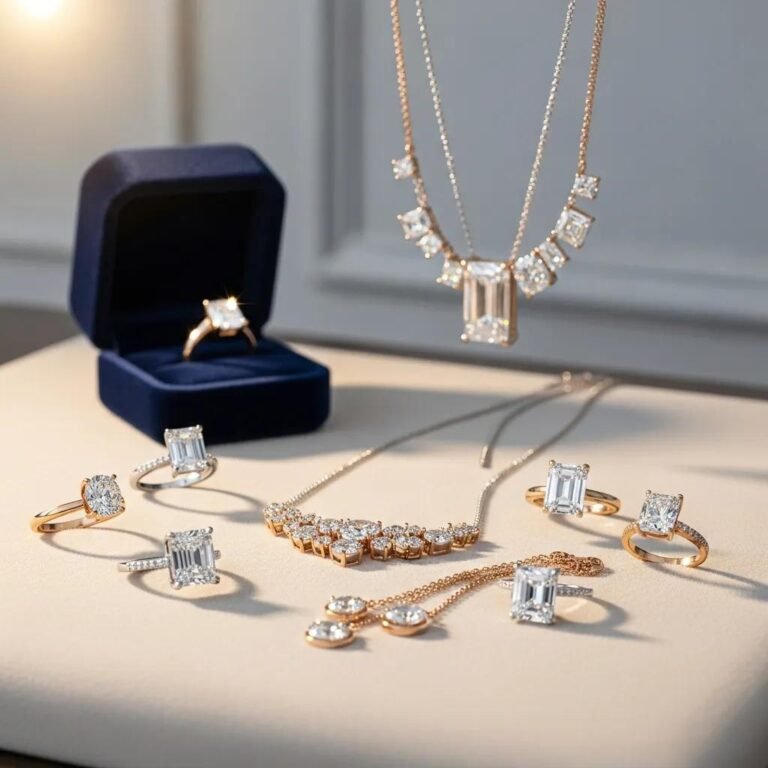
GemsGlitz.com positions itself as an online jewelry store specializing in lab-grown diamond jewelry, emphasizing ethical sourcing, sustainability, and modern elegance. By offering a range of lab-grown diamond options, GemsGlitz.com supports consumers in making responsible choices that align with their values. The commitment to sustainability and ethical practices ensures that customers can purchase with confidence, knowing their jewelry is both beautiful and responsibly sourced.
What Are the Most Common Questions About Lab Grown vs Natural Diamonds?
As consumers navigate the world of diamonds, several common questions arise regarding the differences between lab-grown and natural diamonds. Addressing these questions can help clarify misconceptions and guide informed decisions.
Are Lab Grown Diamonds Real Diamonds?
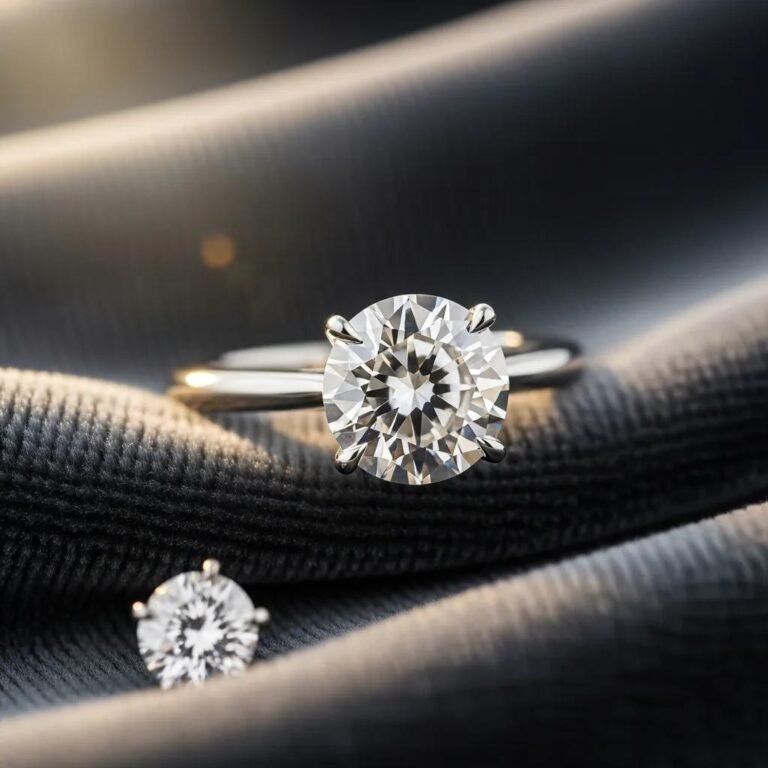
Yes, lab-grown diamonds are real diamonds. They possess the same physical, chemical, and optical properties as natural diamonds, making them indistinguishable to the naked eye. Lab-grown diamonds are certified by reputable gemological laboratories, ensuring their authenticity and quality.
How Do Experts Identify Differences Between Lab Grown and Natural Diamonds?
Experts use advanced gemological techniques to identify differences between lab-grown and natural diamonds. These methods include examining growth patterns, inclusions, and other characteristics unique to each type. While lab-grown diamonds may exhibit specific traits due to their production methods, both types are considered genuine diamonds.