Why Choose Ethical Cleaning Methods for Fine Jewelry
Why Choose Ethical Cleaning Methods for Fine Jewelry: Eco-Friendly Care and Sustainable Maintenance
In an era where sustainability is paramount, the choice of cleaning methods for fine jewelry has significant implications for both the environment and personal health. Ethical cleaning methods prioritize eco-friendly practices that not only preserve the beauty of your jewelry but also protect the planet. This article delves into the importance of ethical cleaning methods for fine jewelry, exploring their benefits, Top Ethical Jewelry Care Practices You Should Know, and the impact on various materials, including lab-grown diamonds and ethically sourced pieces. Many jewelry owners are unaware of the harmful effects that traditional cleaning methods can have on both their precious items and the environment. By adopting ethical cleaning practices, you can ensure the longevity of your jewelry while contributing to a more sustainable future. We will cover the definition of ethical cleaning methods, eco-friendly cleaning techniques, specific care for different materials, and the benefits of sustainable jewelry care.
What Are Ethical Cleaning Methods and Why Do They Matter for Fine Jewelry?
Ethical cleaning methods refer to practices that prioritize environmental sustainability and personal health when caring for fine jewelry. These methods often utilize non-toxic, biodegradable products that minimize harmful chemical exposure and reduce environmental impact. The significance of ethical cleaning lies in its dual benefit: it not only protects the integrity of your jewelry but also contributes to a healthier planet. By choosing eco-friendly cleaning solutions, you can avoid the harsh chemicals commonly found in traditional jewelry cleaners, which can be detrimental to both your health and the environment.
How Do Ethical Cleaning Practices Protect the Environment and Personal Health?
Ethical cleaning practices significantly reduce the use of harmful chemicals that can pollute water systems and harm aquatic life. For instance, many conventional jewelry cleaners contain toxic substances such as ammonia and bleach that can leach into the environment, posing risks to wildlife and ecosystems. By opting for natural alternatives, such as mild soap and water, you not only safeguard your health from potential irritants but also contribute to environmental preservation. Studies indicate that using eco-friendly products can lead to a substantial decrease in chemical runoff, promoting a cleaner and safer environment. To delve deeper into broader eco-friendly cleaning practices, various environmental organizations offer valuable insights.
Why Is Ethical Cleaning Essential for Preserving Lab-Grown Diamonds and Ethically Sourced Jewelry?
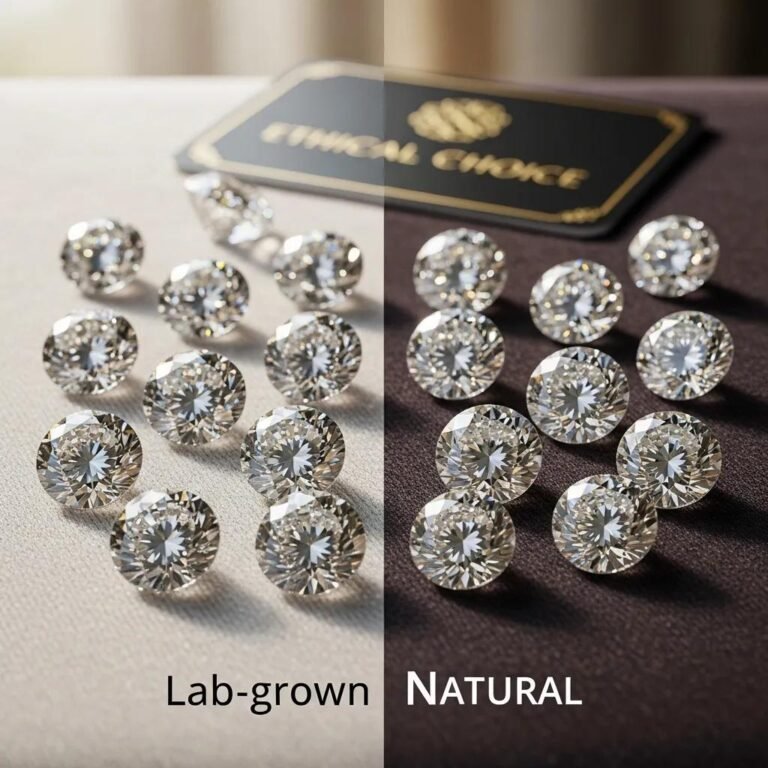
Lab-grown diamonds and ethically sourced jewelry require special care to maintain their unique properties and ethical integrity. For a deeper understanding of their specific needs, refer to Lab Grown vs Natural Diamonds: Care Requirements Explained. Ethical cleaning methods are crucial for preserving these items, as they often involve delicate materials that can be easily damaged by harsh chemicals. For example, using a gentle, non-toxic cleaner helps maintain the brilliance and clarity of lab-grown diamonds without compromising their ethical sourcing. By adopting ethical cleaning practices, you ensure that your jewelry remains not only beautiful but also aligned with your values of sustainability and responsibility.
Which Eco-Friendly Cleaning Methods Are Best for Different Types of Fine Jewelry?
How to Use Mild Soap and Warm Water for Safe Jewelry Cleaning?

Using mild soap and warm water is one of the safest and most effective methods for cleaning fine jewelry. To clean your jewelry, follow these steps:
- Gather Materials: You will need a bowl of warm water, a few drops of mild soap (preferably biodegradable and free of harsh chemicals), and a soft cloth or brush.
- Prepare the Solution: Mix the soap into the warm water until it is well-dissolved.
- Soak the Jewelry: Place your jewelry in the solution for a few minutes to loosen dirt and grime.
- Gently Clean: Use a soft cloth or brush to gently scrub the jewelry, paying special attention to crevices.
- Rinse and Dry: Rinse the jewelry under clean, lukewarm water and dry it with a soft cloth.
This method is particularly effective for most types of jewelry, including gold and silver, as it avoids the use of harsh chemicals. For more specific guidance on diamond care, consider exploring Simple and Effective Ways to Clean Your Diamond Jewelry at Home. For comprehensive GIA cleaning recommendations, further resources are available.
What Are the Benefits and Precautions of Baking Soda and Vinegar in Jewelry Care?
Baking soda and vinegar are popular natural cleaning agents that can effectively clean some types of jewelry. Here are the benefits and precautions of using these ingredients:
- Benefits:Natural Cleaning Power: Baking soda acts as a gentle abrasive, while vinegar helps dissolve tarnish and grime.Cost-Effective: Both ingredients are inexpensive and readily available in most households.Non-Toxic: They are safe for both the environment and your health, making them ideal for ethical cleaning.
- Precautions:Avoid Sensitive Materials: Do not use this method on porous stones (such as opals, pearls, turquoise) or delicate metals, as the acidity of vinegar can cause damage. For broader guidance on avoiding common pitfalls, consult Essential Tips for Preventing Common Diamond Jewelry Care Mistakes.Use Sparingly: Vinegar’s acidity can be harsh; prolonged exposure or frequent use may damage some metals and settings.Test First: Always test a small, inconspicuous area before applying the mixture to the entire piece.
How Should You Ethically Clean Specific Jewelry Materials Like Lab-Grown Diamonds, Gold, and Gemstones?
Different materials require tailored cleaning approaches to ensure their longevity and appearance. Understanding the specific needs of each type of jewelry is essential for effective care.
What Are the Best Non-Toxic Cleaning Tips for Lab-Grown Diamonds?
- Use a Soft Brush: A soft-bristled toothbrush can help remove dirt from hard-to-reach areas without scratching the diamond.
- Gentle Soap Solution: Clean with a mixture of mild soap and warm water, as described earlier, to avoid harsh chemicals.
- Rinse Thoroughly: Ensure all soap residue is rinsed away to prevent dullness.
These practices help preserve the clarity and brilliance of lab-grown diamonds while adhering to ethical cleaning standards.
How to Sustainably Care for Gold, Platinum, and Sensitive Gemstones?
- Gold and Platinum:Regular Cleaning: Clean with a mild soap solution to remove oils and dirt.Avoid Abrasives: Do not use abrasive cleaners or brushes that can scratch the surface.
- Sensitive Gemstones:Use Soft Cloths: Always use a soft cloth to clean sensitive stones like opals, pearls, and turquoise.Limit Exposure: Keep these gemstones away from harsh chemicals, ultrasonic cleaners, and extreme temperatures.
What Are the Environmental and Longevity Benefits of Sustainable Jewelry Care?
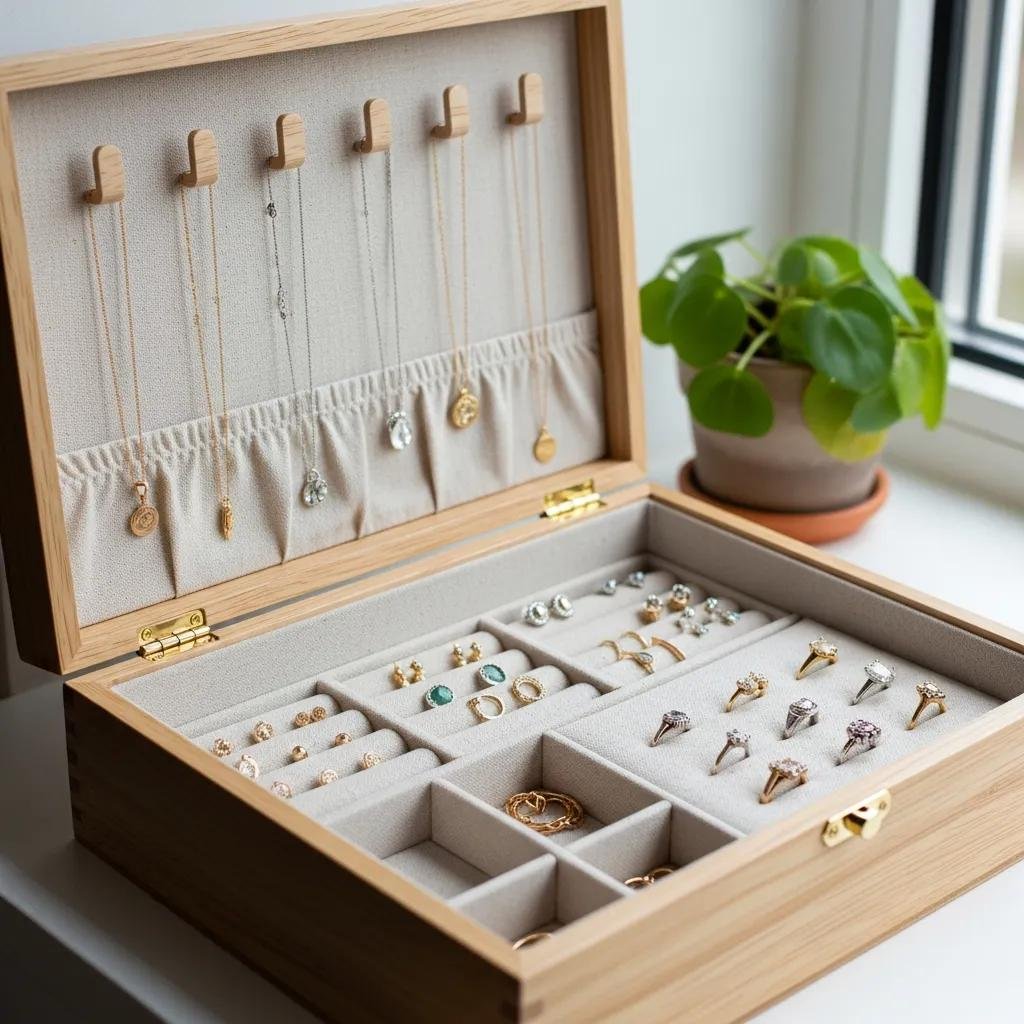
Sustainable jewelry care not only benefits the environment but also extends the life of your jewelry. Understanding these advantages can motivate more individuals to adopt ethical cleaning practices.
How Does Ethical Cleaning Extend the Life and Beauty of Fine Jewelry?
Ethical cleaning methods help maintain the integrity of jewelry materials, preventing damage that can occur from harsh chemicals. Regular, gentle cleaning preserves the shine and beauty of your pieces, ensuring they last for generations. By avoiding toxic substances, you also reduce the risk of corrosion and wear, which can significantly shorten the lifespan of fine jewelry.
What Is the Impact of Avoiding Harsh Chemicals on Jewelry and the Planet?
Avoiding harsh chemicals in jewelry cleaning has a dual impact: it protects your jewelry and benefits the environment. Chemicals often found in traditional cleaners, such as ammonia and bleach, can lead to environmental pollution and health risks. For detailed chemical safety guidelines and information on safe handling of household products, consulting authoritative resources is highly recommended. By choosing eco-friendly alternatives, you contribute to a cleaner planet while ensuring that your jewelry remains safe from damage. This conscious choice reflects a commitment to sustainability and responsible consumerism.
Which Ethical Jewelry Cleaning Products and DIY Natural Methods Are Recommended?
When it comes to ethical jewelry cleaning, several products and DIY methods stand out for their effectiveness and safety. Here are some recommendations:
What Non-Toxic Diamond Cleaners and Eco-Friendly Products Should You Choose?
Choosing non-toxic diamond cleaners is essential for maintaining the beauty of your jewelry. Look for products that are labeled as biodegradable and free from harsh chemicals such as ammonia, bleach, or strong acids. Some recommended options include:
- Natural Jewelry Polish: These products often contain plant-based ingredients that clean without damaging.
- Biodegradable Solutions: Look for cleaners that break down naturally and do not contribute to environmental pollution.
These products ensure that your cleaning routine aligns with ethical practices while effectively maintaining your jewelry.
How to Prepare and Use Natural DIY Cleaning Recipes for Jewelry?
Creating your own natural cleaning solutions can be both cost-effective and environmentally friendly. Here’s a simple recipe for a DIY jewelry cleaner:
- Ingredients: Combine 1 cup of warm water, 1 tablespoon of mild dish soap (biodegradable), and 1 teaspoon of baking soda.
- Mix Well: Stir the mixture until the baking soda is fully dissolved.
- Soak and Clean: Soak your jewelry for 10-15 minutes, then gently scrub with a soft brush.
This DIY cleaner is safe for most jewelry types, including gold, silver, and diamonds, and helps maintain their shine without harmful chemicals. Avoid using this method on porous or delicate gemstones.
How Can Proper Storage and Maintenance Complement Ethical Cleaning for Jewelry Longevity?
Proper storage and maintenance are crucial for preserving the beauty and integrity of fine jewelry. By implementing sustainable practices, you can enhance the longevity of your pieces.
What Are Sustainable Storage Tips to Protect Fine Jewelry?
To protect your jewelry, consider the following sustainable storage tips:
- Use Soft Pouches: Store each piece in a soft pouch or cloth-lined box to prevent scratches and tangling.
- Avoid Direct Sunlight: Keep jewelry away from direct sunlight to prevent fading and discoloration, especially for sensitive gemstones.
- Organize by Type: Group similar items together to avoid damage from friction.
How Often Should You Inspect and Clean Your Ethical Jewelry?
Regular inspection and cleaning are vital for maintaining the condition of your jewelry. It is recommended to inspect your pieces every few months and clean them as needed. Signs of wear, such as dullness or dirt buildup, indicate that it’s time for a thorough cleaning. By adhering to a regular maintenance schedule, you can ensure that your jewelry remains beautiful and lasts for years to come.
| Cleaning Method | Material Type | Recommended Frequency | Benefits |
|---|---|---|---|
| Mild Soap & Water | Gold, Silver, Platinum | Every 1-2 months | Safe, effective, non-toxic |
| Baking Soda & Vinegar | Suitable metals only* | As needed | Natural, cost-effective |
| Natural Jewelry Polish | All types | Every 3-6 months | Preserves shine, eco-friendly |
Note: Baking soda and vinegar should not be used on porous or delicate gemstones.
By adopting these ethical cleaning methods and sustainable practices, you can ensure that your fine jewelry remains beautiful while contributing to a healthier planet.