Lab Grown Diamonds vs Natural: Which Is Better?
Lab Grown Diamonds vs Natural: Which Is Better? A Comprehensive Comparison Guide
The debate between lab grown diamonds and natural diamonds has gained significant traction in recent years, as consumers become more conscious of ethical sourcing and environmental impacts. This comprehensive guide will explore the differences, benefits, and drawbacks of each type of diamond, helping you make an informed decision, consistent with FTC diamond consumer guidelines. Understanding the nuances of lab grown diamonds versus natural diamonds is essential for anyone considering a purchase, whether for an engagement ring or a special piece of jewelry. This article will delve into the formation processes, quality comparisons, ethical considerations, and financial implications of both diamond types. By the end, you will have a clearer perspective on which option aligns best with your values and needs.
What Are Natural Diamonds and How Are They Formed?
Natural diamonds are formed deep within the Earth’s mantle under extreme pressure and temperature conditions over millions to billions of years. These geological processes create the unique crystalline structure that gives diamonds their exceptional hardness and brilliance. The rarity of natural diamonds contributes to their high value, making them a sought-after choice for jewelry.
What Is the Geological Formation Process of Natural Diamonds?
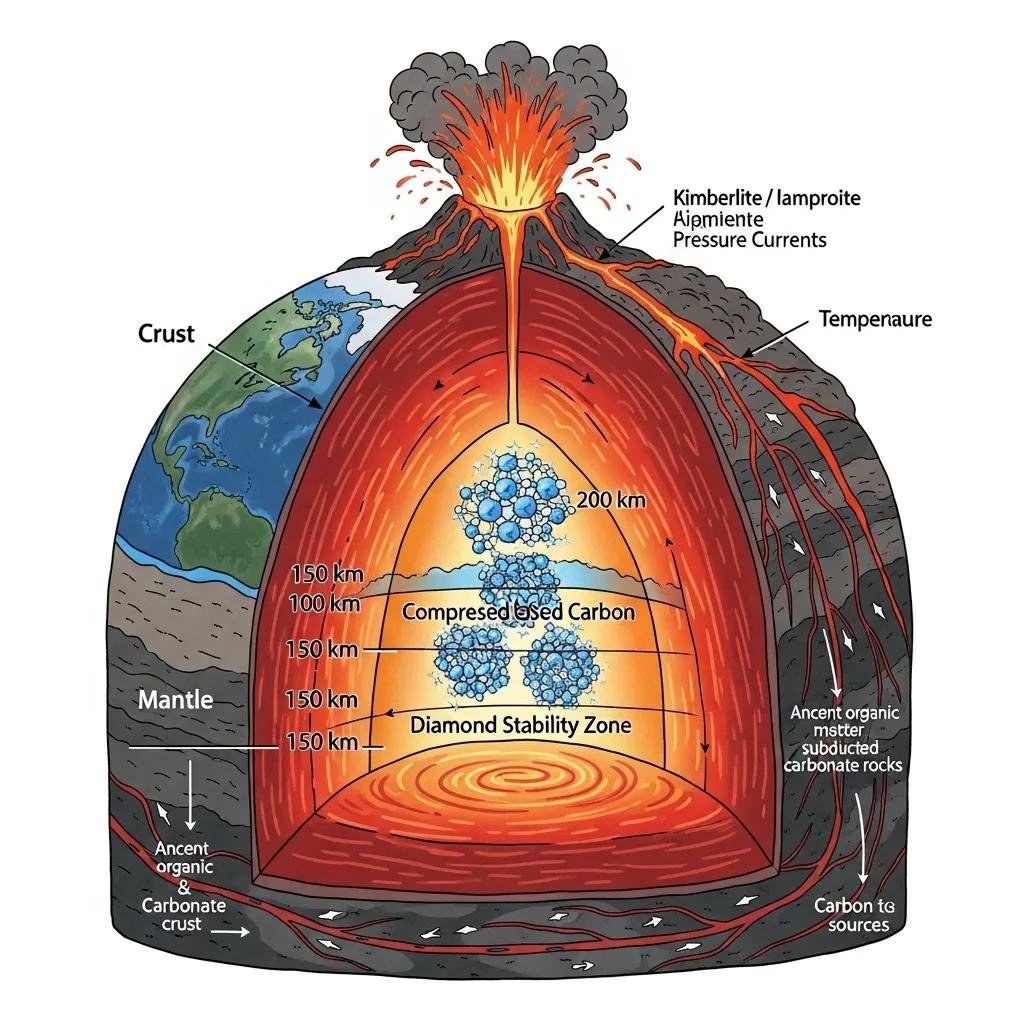
The geological formation of natural diamonds involves several key processes:
- High Pressure and Temperature: Natural diamonds form at depths of approximately 140 to 190 kilometers beneath the Earth’s surface, where temperatures range from about 900 to 1,300 degrees Celsius.
- Carbon Source: The primary element in diamonds is carbon, which can originate from organic materials or carbonates in the Earth’s mantle.
- Transport to Surface: Volcanic eruptions bring diamonds closer to the surface through kimberlite or lamproite pipes, where they can be mined.
This intricate formation process not only contributes to the diamond’s beauty but also its historical significance and value in the market.
What Defines Lab Grown Diamonds and Their Creation Methods?
Lab grown diamonds, also known as synthetic diamonds, are created in controlled environments using advanced technology that replicates the natural diamond formation process. These diamonds possess the same physical, chemical, and optical properties as natural diamonds, making them a popular alternative.
How Do HPHT and CVD Processes Produce Lab Grown Diamonds?
Lab grown diamonds are primarily produced through two methods: High Pressure High Temperature (HPHT) and Chemical Vapor Deposition (CVD).
- HPHT Method: This process mimics the natural conditions under which diamonds form. Carbon is subjected to high pressure and temperature, resulting in the crystallization of diamond.
- CVD Method: In this technique, a carbon-rich gas is ionized to create a plasma, allowing carbon atoms to deposit onto a substrate and form a diamond layer.
Both methods yield diamonds that are chemically and physically identical to their natural counterparts, ensuring that lab grown diamonds are indeed “real” diamonds.
Are Lab Grown Diamonds Real Diamonds?
Yes, lab grown diamonds are real diamonds. They share the same chemical composition and crystal structure as natural diamonds, which means they exhibit the same brilliance and durability. However, consumer perceptions may vary, with some viewing lab grown diamonds as less valuable due to their synthetic origin.
How Do Lab Grown and Natural Diamonds Compare in Quality and Appearance?
When comparing lab grown and natural diamonds, several factors come into play, including the 4Cs of diamonds: cut, color, clarity, and carat weight. Understanding these attributes is crucial for evaluating the quality of both diamond types, often guided by standards from the Gemological Institute of America (GIA).
What Are the 4Cs and How Do They Apply to Both Diamond Types?
The 4Cs are essential criteria for assessing diamond quality:
- Cut: Refers to how well a diamond has been shaped and faceted, affecting its brilliance.
- Color: Diamonds are graded on a scale from D (colorless) to Z (light yellow or brown). Both lab grown and natural diamonds can exhibit a range of colors.
- Clarity: This measures the presence of internal or external flaws, known as inclusions and blemishes. Both types can achieve high clarity grades.
- Carat Weight: Indicates the size of the diamond. Lab grown diamonds can be produced in larger sizes at a lower cost compared to natural diamonds.
Both lab grown and natural diamonds can achieve high grades in the 4Cs, making them visually comparable.
How Does Durability and Hardness Compare on the Mohs Scale?
Both lab grown and natural diamonds score a 10 on the Mohs scale of hardness, making them the hardest known natural material. This exceptional durability means that both types of diamonds are suitable for everyday wear, resisting scratches and damage. For a deeper understanding diamond durability and value, read more.
What Are the Ethical and Environmental Impacts of Lab Grown vs Natural Diamonds?
The ethical and environmental implications of diamond sourcing are increasingly important to consumers. Understanding these factors can influence purchasing decisions significantly.
How Does Ethical Sourcing Differ Between Lab Grown and Natural Diamonds?

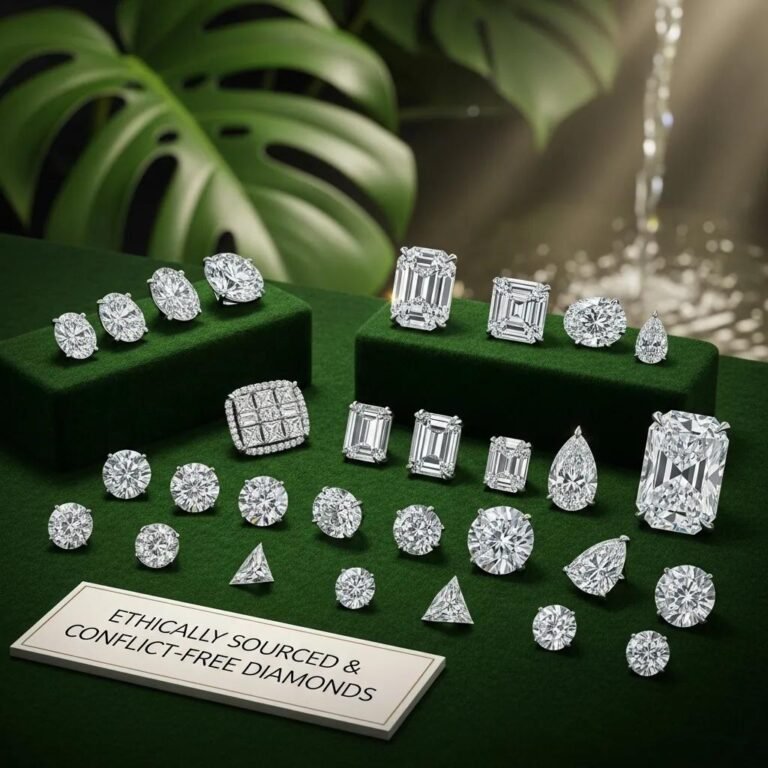
Lab grown diamonds are often considered more ethical than natural diamonds because they do not involve mining, which can lead to environmental degradation and human rights abuses. In contrast, natural diamonds can sometimes be associated with conflict zones, leading to the term “blood diamonds.” Many consumers prefer lab grown diamonds for their transparency and ethical sourcing.
This shift towards ethical consumption is particularly evident among newer generations of buyers, who are increasingly wary of the historical issues associated with mined diamonds. When considering ethical jewelry choices, exploring sustainable wedding ring options can further align purchases with personal values.
Ethical Consumption & Lab-Grown Diamonds
Since the luxury industry is migrating towards a more conscious way of manufacturing products and consumers are thriving towards ethical consumption and bold products, lab-grown diamond is gaining in popularity against the bleak stories of the mined ones. New generations of consumers increasingly recognized the importance of ethical consumption of a luxury product. Bitter lines in the news, child labor and conflicts such as “Blood diamonds” created an uncertain environment in which the new generation Gen Z, nowadays does not feel comfortable to buy unconsciously.
Lab-grown diamond–the shape of tomorrow’s jewelry, 2021
What Is the Environmental Footprint of Diamond Mining vs Lab Production?
The environmental impact of diamond mining is substantial, involving habitat destruction, water pollution, and significant carbon emissions. In contrast, lab grown diamonds generally have a lower environmental footprint, as they require less land and fewer resources. Studies indicate that lab grown diamonds can produce up to 60-70% less carbon emissions compared to mined diamonds, though exact figures vary depending on production methods and energy sources.
Further research supports the significant environmental benefits of lab-grown diamonds compared to traditional mining.
Environmental Impact of Mined vs. Lab-Grown Diamonds
Mining diamond poses significant and potentially underestimated risks to the environment worldwide. We find that lab-grown diamonds can reduce annual GHG emissions, mineral waste, and water usage by 9.58 Mt, 421.06 Mt, and 66.70 million m3in 2100. The lab-grown diamond substitution policy could contribute to the diamond industry’s GHG mitigation and sustainability efforts in a cost-saving manner.
The environmental impacts and sustainable pathways of the global diamond industry, S Jiang, 2024
How Do Cost, Value Retention, and Resale Potential Differ Between Lab Grown and Natural Diamonds?
Cost is a significant factor when choosing between lab grown and natural diamonds. Understanding the financial implications can help consumers make informed decisions.
Why Are Lab Grown Diamonds More Affordable Than Natural Diamonds?
Lab grown diamonds are generally more affordable than natural diamonds due to their lower production costs and the absence of mining expenses. Prices for lab grown diamonds can be 30-40% lower than their natural counterparts, making them an attractive option for budget-conscious consumers. For a detailed price comparison, explore our guide.
Beyond their ethical and environmental advantages, the efficiency of lab production also translates into significant cost savings for consumers. Discover more lab grown advantages.
Lab-Grown Diamonds: Sustainable Alternative & Cost Reduction
conventional diamond mining is rife with environmental and ethical concerns. Lab-grown diamonds present a sustainable alternative to deep-seated diamond mining by simulating natural conditions to produce the precious stones above ground in a span of six weeks. The paper describes the technological process by which lab-grown diamonds are produced by simulating the underground natural diamond formation process through the application of high pressure and heat to diamond embryos in plasma reactors. This allows for up to a 30% reduction in the cost of diamond production compared to conventional mining methods.
Sustainable Sparkle: The Emergence and Impact of Lab-Grown Diamonds in India’s
Diamond Capital, AS George, 2024
Do Natural Diamonds Hold Their Value Better Over Time?
Natural diamonds tend to retain their value better than lab grown diamonds. While lab grown diamonds are gaining acceptance in the market, their resale value is typically lower due to the perception of being less rare. Natural diamonds, on the other hand, have a long-standing reputation for value retention, making them a more traditional investment choice.
How Can You Choose Between Lab Grown and Natural Diamonds Based on Personal Values and Occasion?
Choosing between lab grown and natural diamonds often comes down to personal values and the specific occasion for which the diamond is intended. For guidance on choosing diamonds for weddings, consider our specialized article.
What Factors Should Influence Your Diamond Choice?
When deciding between lab grown and natural diamonds, consider the following factors:
- Budget: Determine how much you are willing to spend.
- Ethical Considerations: Reflect on the importance of ethical sourcing in your decision.
- Occasion: Consider the significance of the occasion and whether a natural diamond’s traditional value is important.
How Does GemsGlitz.com Support Ethical and Quality Choices?
GemsGlitz.com is committed to providing ethically sourced, high-quality jewelry, including a wide selection of lab grown diamond jewelry. By emphasizing handcrafted and ethically sourced products, GemsGlitz.com ensures that customers can make informed choices that align with their values.
Different diamond types offer unique advantages and considerations. Understanding these differences can help you select the perfect diamond for your needs, whether you prioritize ethical sourcing, budget, or traditional value.